The 3-Move Shoulder Circuit I Use to Finish Upper Body Days
I’ve spent thousands on my garage gym, from overbuilt power racks to competition plates. Yet, some of my best progress didn't come from a heavy barbell. It came from a pair of beat-up 15-pound dumbbells and a shoulder circuit that makes me want to quit every single time.
Most guys treat their delts as an afterthought. They finish their bench press, do three sets of lazy lateral raises while checking their phone, and wonder why their shoulders look like flat pancakes. If you want caps, you need to stop chasing a 'pump' and start chasing actual mechanical failure under tension.
Quick Takeaways
- Minimal equipment: Just one pair of light-to-moderate dumbbells.
- Time efficient: Complete the entire finisher in under 10 minutes.
- Targets all three heads: Front, side, and rear delts get crushed.
- Zero rest: The goal is cumulative fatigue, not max strength.
Why Most Upper Body Finishers Are Just Bad Cardio
We’ve all seen it. Someone grabs the 5-pounders and flaps their arms like a dying bird for 100 reps. That isn't training; it's just waving your arms around. High reps have their place, but without structured tension, you're just doing low-impact aerobics with your shoulders.
The secret to effective shoulder circuit training is keeping the weight heavy enough to be challenging but light enough that you don't have to use your hips to swing the weight up. When you compare this to a traditional high intensity shoulder workout, the difference is the density. You are packing a massive amount of work into a very small window, forcing the muscle fibers to adapt to a massive influx of blood and metabolic waste.
The 10-Minute Shoulder Circuit Workout
This shoulder circuit workout is designed to be performed as a giant set. You do all three shoulder circuit exercises back-to-back without letting the dumbbells touch the floor. Once you finish the third move, rest for 60 seconds and repeat for 3-4 rounds.
- Seated Dumbbell Press (10-12 Reps): Sit on a bench or a sturdy stool. Focus on a full range of motion. Since your delts are already tired from your main lift, even 20s will feel heavy here.
- Standing Lateral Raises (15 Reps): Stand up immediately. Keep a slight bend in the elbows. Lead with the knuckles. Don't swing.
- Bent-Over Rear Delt Flyes (20 Reps): Hinge at the hips and pull the weights out to the side. If your lower back is fried, you can swap these for face-pulls using strength training accessories like a light resistance band looped around your rack.
Execution Rules: Don't Let Your Form Thrash
The biggest mistake I see is people choosing weights they can't actually control. If you're doing a shoulder circuit, your ego has to stay at the door. I usually use about 30% of what I’d use for a standard set of presses. If you normally press 60s, grab the 20s. Trust me.
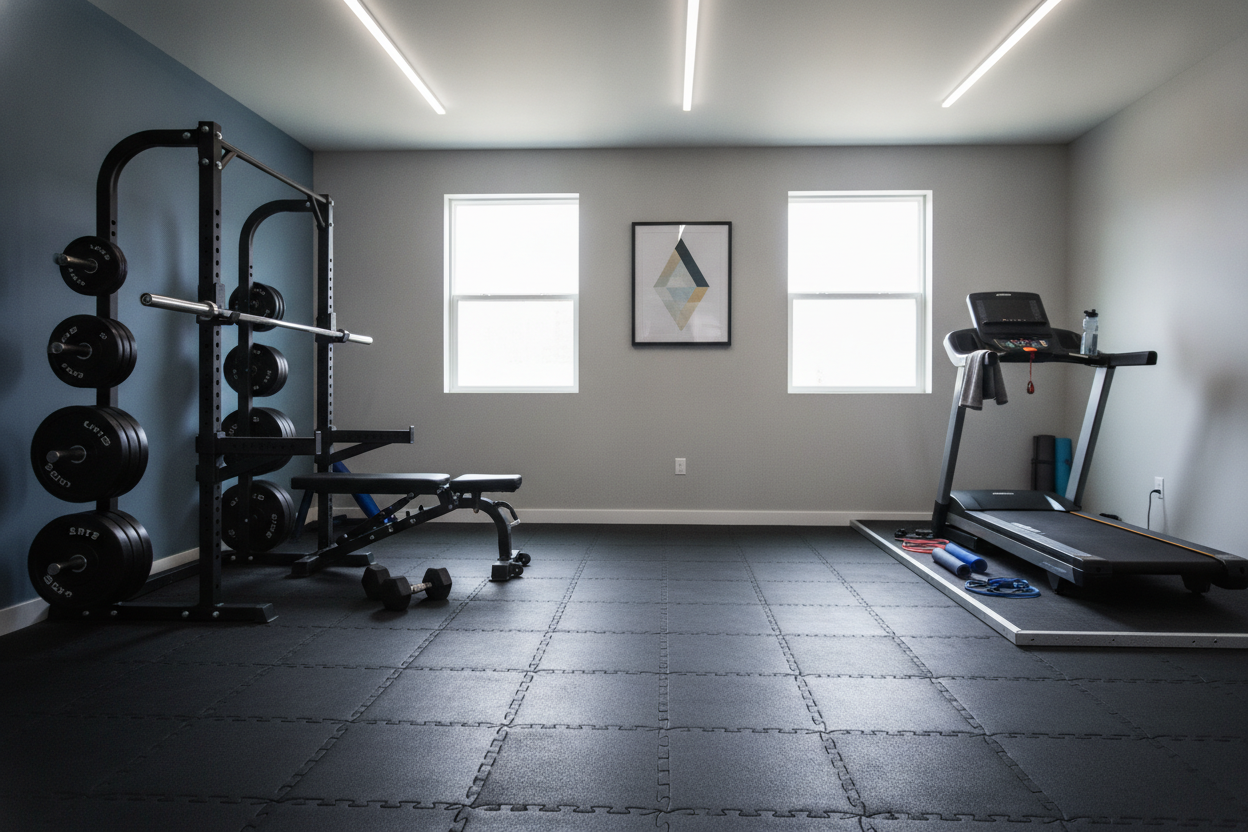
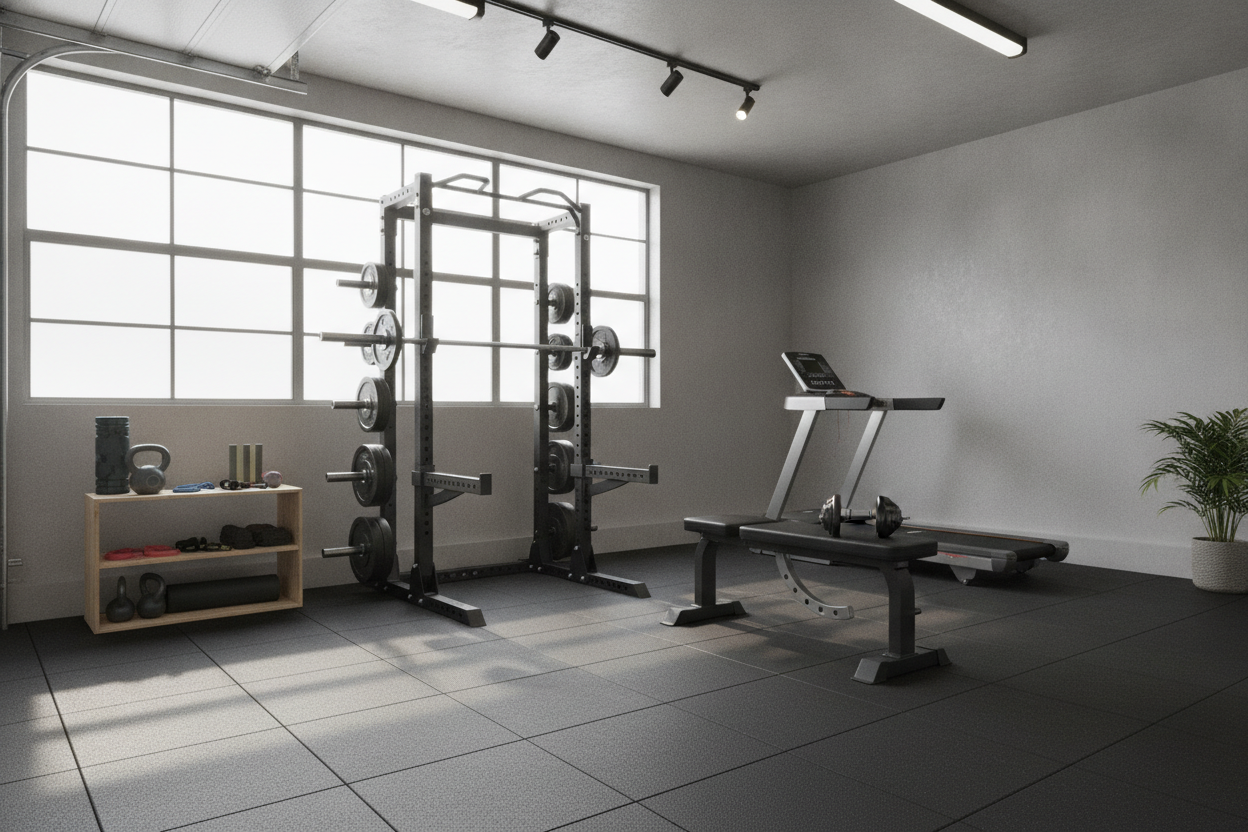
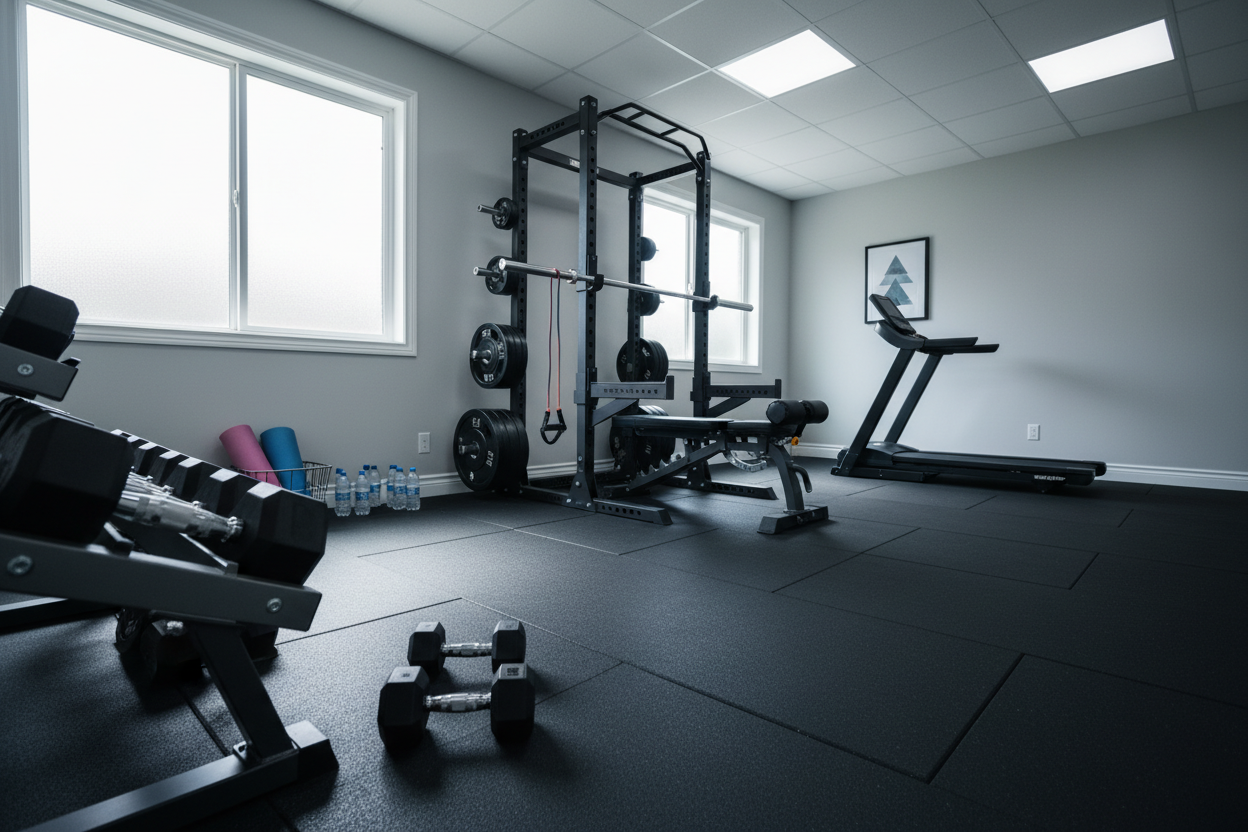
Stability is also key. I prefer doing the standing portions of this circuit on a solid surface. If you're training on bare concrete, your feet might slip as you fatigue. I usually set up on high-density gym flooring for home workout to ensure I have a grippy base. It helps you stay rooted so you can focus on the delts rather than balancing your body.
Where Does This Fit in Your Current Split?
Don't run this before your heavy bench or overhead press sessions. This is a finisher. I personally use it at the tail end of an upper-body push day or a dedicated shoulder day. It’s a great way to bridge the gap between a standard bodybuilding split and a more explosive athlete shoulder workout because it builds that work capacity you need for longer sessions.
If you're really pressed for time, you can run this as a standalone session on a rest day. Just two rounds will get the blood flowing and help with recovery without taxing your central nervous system like a heavy squat session would.
Personal Experience
I used to be the guy trying to 'power' through lateral raises with 40-pound dumbbells. My traps were huge, but my side delts were non-existent. The first time I tried a strict circuit with 15s, I couldn't even finish the second round. It was a humbling realization that I hadn't actually been training my shoulders—I was just moving weight. Now, this circuit is my go-to when I want that capped look without spending two hours in the garage.
FAQ
Can I use kettlebells instead of dumbbells?
You can, but the weight distribution of a kettlebell makes lateral raises feel awkward. Stick to dumbbells or even small change plates if you're in a pinch.
How often should I do this circuit?
Twice a week is the sweet spot. Any more and you might run into some overuse issues in the rotator cuff, especially if your form gets sloppy.
What if I don't have a bench?
Do the presses standing. It actually makes the circuit harder because your core has to work overtime to stabilize the weight while your shoulders are screaming.