Why Mismatching Your Leg Muscles and Exercises Kills Gains
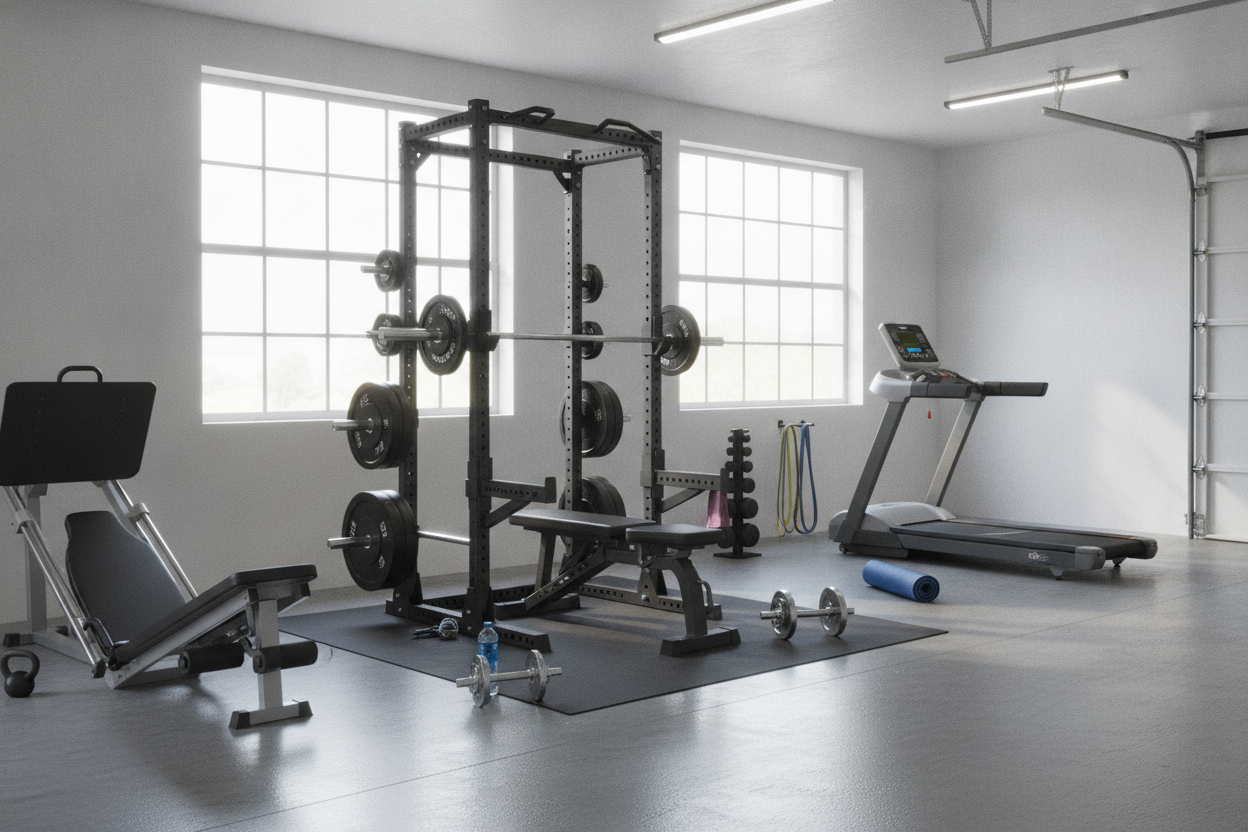
I remember spending two hours in my garage gym, squatting until my vision blurred, only to realize my hamstrings were still thin as a rail. It's incredibly frustrating to put in the work and not see the scale move or the jeans fit tighter. Understanding the relationship between your leg muscles and exercises is the difference between spinning your wheels and actually filling out your shorts.
- Squats are a foundation, but they are not a complete leg solution.
- Leg anatomy dictates which movements actually build mass versus just burning calories.
- Isolation work is non-negotiable for 'teardrop' quads and thick hamstrings.
- Recovery is often ruined by over-training the central nervous system instead of the muscle.
The 'Squat Only' Myth (And Why It Leaves You Flat)
I used to be a 'squat or die' purist. I believed that if I just added 5 pounds to the bar every week, my legs would eventually look like tree trunks. The reality? My quads grew a bit, but my hamstrings and glutes stayed stagnant. Relying on a single compound lift ignores the specific mechanical needs of different muscle groups.
The barbell squat is a masterpiece of a movement, but it is a generalist. To get that 3D look, you need specific leg muscles and workouts that target the muscles the squat misses. If you are only doing one movement, you are leaving about 40% of your lower body growth on the table because the hamstrings simply aren't the primary drivers in a traditional squat.
Mapping Out the Lower Body (Without the Science Jargon)
Think of your legs in four main buckets: quads (front), hamstrings (back), glutes (the engine), and calves (the stubborn ones). Your quads extend the knee, while your hamstrings flex it. If you only do 'pushing' movements like presses and squats, your hamstrings never reach full contraction.
Choosing the right muscle leg exercises means matching the movement to the muscle's job. Having a dedicated Leg Machine at home allows you to hit these specific anatomical groups with the same precision as a commercial gym, ensuring you aren't just 'sweating' but actually stimulating growth in the right places.
How to Actually Isolate the Quads and Hamstrings
You cannot build a massive teardrop quad without direct knee extension. Period. While heavy lunges are great, they involve too many stabilizing muscles to truly reach failure in the vastus medialis. Similarly, your hamstrings need to be curled under load to see real thickness.
This is where isolation in your muscle leg workout becomes vital. I personally use the Gxmmat Leg Extension Curl Machine because it allows me to isolate these muscles without loading my spine. It’s a lifesaver for those days when my lower back is fried from deadlifts but my legs still have gas in the tank.
Putting It Together: A Smarter Blueprint
A smart workout for leg muscles starts with a heavy compound movement and finishes with focused isolation. Don't do six different types of squats; do one squat, one hinge (like a Romanian deadlift), and one isolation movement for each side of the leg. This prevents 'junk volume' where you're just moving weight without a target.
If you're looking for a change of pace that balances intensity with core work, check out this 40 Min Legs And Abs Hiit Low Impact Lose Fat Build Muscle Leg Workout Abs Workout Belly Fat. It’s a solid alternative for those days when you want to combine stabilization with your lower body volume without the heavy barbell load.
Why I Stop Short of Complete Lower Body Annihilation
There is a massive difference between muscle stimulation and central nervous system (CNS) fatigue. If you have to crawl to your car after every leg day, you're likely over-training. Properly matching your leg muscles and exercises means you can get better growth with fewer sets because each set is more efficient.
Recovery is where the actual growth happens. I learned the hard way that trying to 'work through the pain' with extra cardio is a mistake. My guide on why you should Stop Running After Leg Day: My Cardio and Muscle Building Workout Plan explains how to protect your gains by avoiding high-impact cardio when your leg fibers are trying to repair themselves.
FAQ
Can I build big legs without squats?
Absolutely. While squats are great, leg presses, hack squats, and heavy lunges can build incredible mass if you're consistent and hit your isolation work.
How many times a week should I train legs?
Twice a week is the sweet spot. It allows for enough volume to trigger growth but gives you enough recovery time so you aren't perpetually sore.
Are calves really just genetics?
Genetics set the floor and the ceiling, but most people just don't train them hard enough. You need high volume and full range of motion to see any change there.