What 6 Months of Strength Training at Home With Dumbbells Taught Me
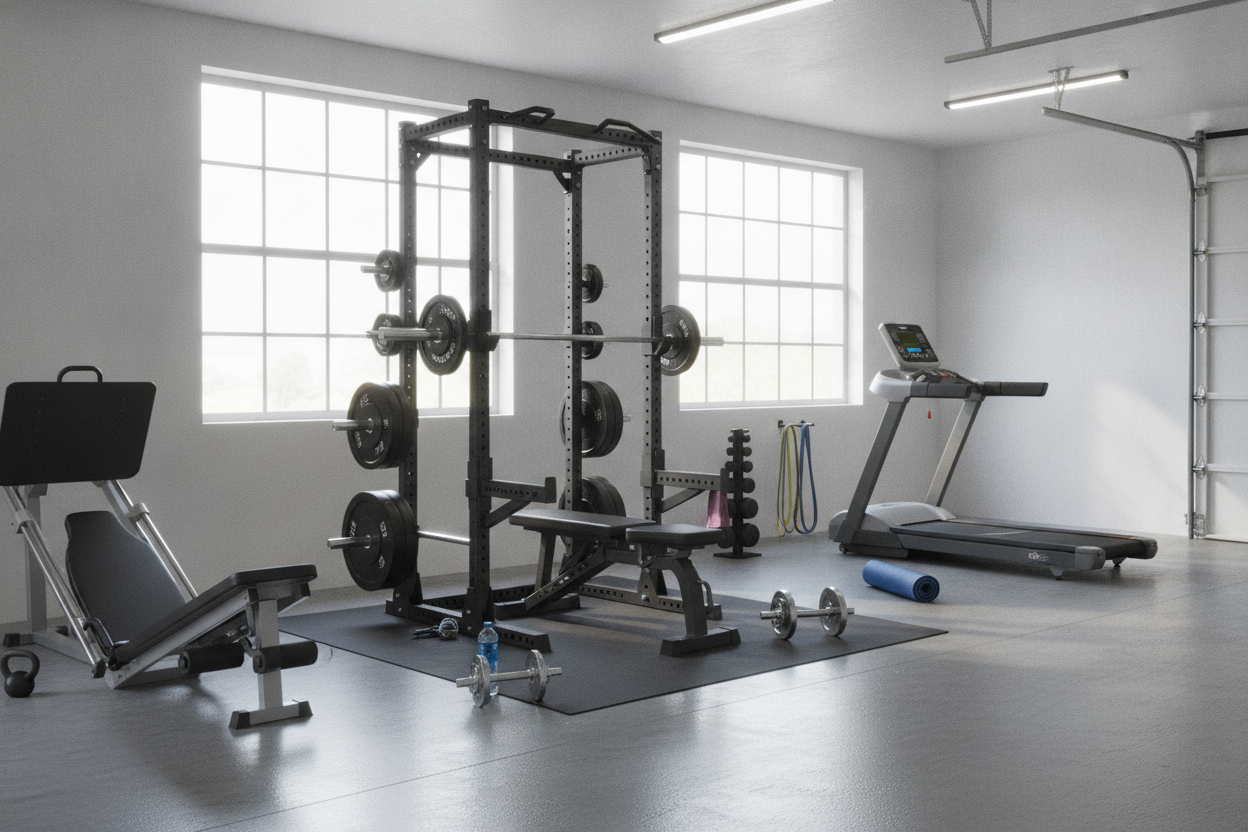
I walked into my garage last January and looked at my power rack like it was an ex-partner I needed a break from. I was tired of the plate-math, the 7-foot footprint, and the constant feeling that if I didn't squat 405, I wasn't really training. So, I decided to simplify and spend half a year focusing exclusively on strength training at home with dumbbells.
Quick Takeaways
- Grip strength is your biggest bottleneck; buy lifting straps on day one.
- Unilateral (single-leg) work is mandatory if you want to keep your legs from shrinking.
- Tempo is more important than the number on the side of the weight.
- A stable, high-traction floor is non-negotiable for heavy dumbbell work.
Why I Locked the Barbell Away for Half a Year
My garage gym is a tight 200 square feet. Between the rack, the bench, and the piles of 45-lb plates, I felt like I was living in an industrial warehouse rather than a place to get fit. I wanted to see if I could actually maintain—or even build—real power without the 'Big Three' lifts. I was skeptical, but the space-saving appeal was too much to ignore.
The shift was as much mental as it was physical. I had to stop chasing 1RM numbers and start chasing mechanical tension. This was the core of why I only use dumbbells for this block; I needed to prove that a 50-lb pair could be just as devastating as a 225-lb barbell if used with the right intent. I sold my rack and committed to the experiment.
The Biggest Lie About Weight Training at Home With Dumbbells
Most people think weight training at home with dumbbells is just high-rep cardio or 'toning' work. That is a flat-out lie. You can absolutely build massive strength, but you have to change how you define 'heavy.' When you move from a stable barbell to two independent weights, your stabilizer muscles start screaming.
I found that I could achieve more muscle fiber recruitment with 80-lb dumbbells on a chest press than I ever did with a 225-lb barbell. The increased range of motion at the bottom of the rep is a literal chest-builder. When comparing dumbbells and kettlebells, I realized dumbbells are vastly superior for isolation because of the balanced weight distribution. You aren't fighting the offset center of gravity; you're just fighting the iron.
Grip Fails Before Muscle (And How I Fixed It)
Three months in, I hit a wall. My lats and hamstrings were ready for more, but my hands were giving out. If you're doing heavy RDLs or 1-arm rows with 100-lb dumbbells, your forearms will quit long before your target muscles do. This is the 'dirty secret' of the dumbbell-only life.
I stopped being a purist and bought a pair of versatile lifting straps. Suddenly, my back growth exploded because I could actually finish a set of 12 rows without my fingers uncurling. Don't let your ego get in the way of your gains. If you're serious about heavy dumbbell training, you need to outsource your grip so your prime movers can do their job.
Redefining 'Heavy' for Lower Body Days
Training legs without a squat rack is the hardest part of this transition. You can't comfortably hold enough dumbbell weight to challenge your legs in a traditional back squat. The solution? Move to unilateral movements. Bulgarian split squats became the cornerstone of my leg days. They are miserable, painful, and incredibly effective.
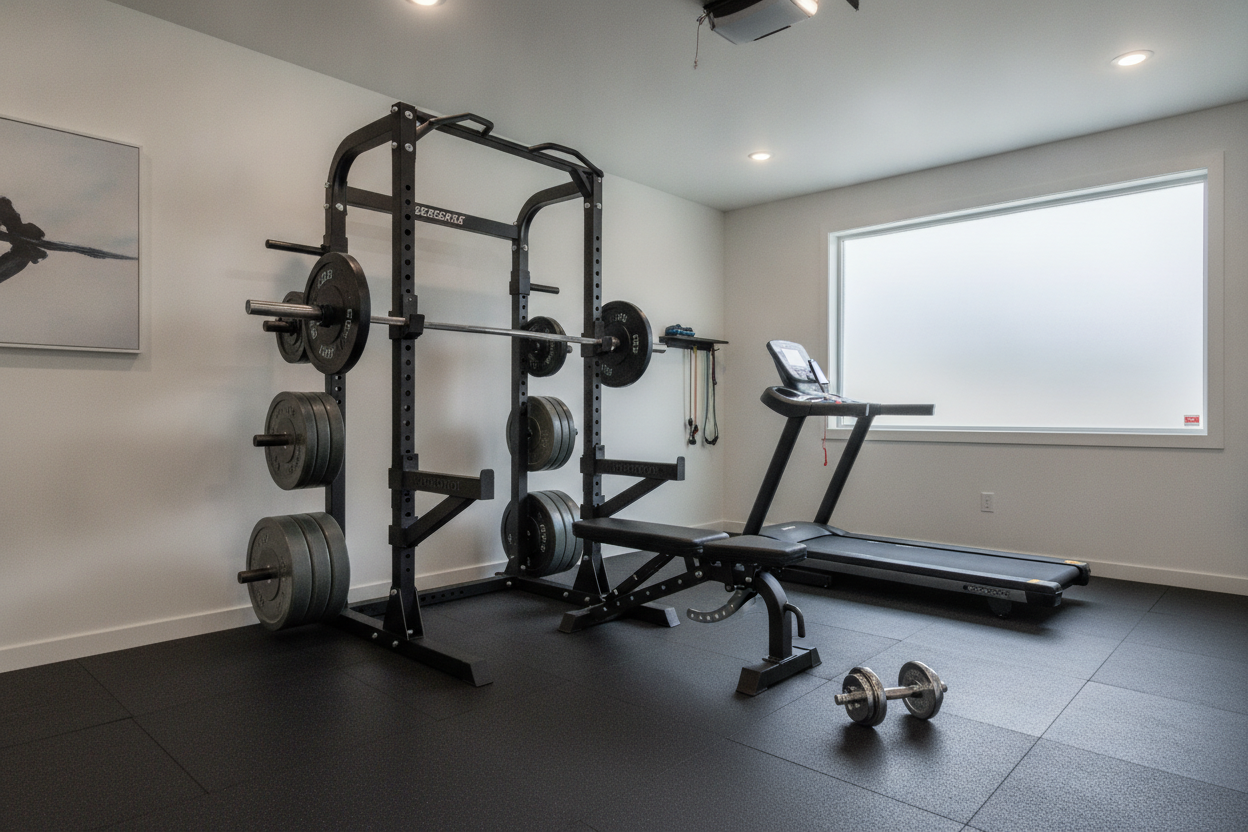
However, I learned the hard way that you cannot do heavy split squats on a slick surface. I tried doing them on my garage concrete and nearly tore a groin muscle when my back foot slipped. You need a reliable high-grip workout surface to plant your feet. Once I had a stable 6x8ft mat, I could safely load up 70-lb dumbbells in each hand for split squats, which is more than enough to keep your quads growing.
The Blueprint: Strength Training at Home With Weights
My 6-month routine for strength training at home with weights followed a standard Push/Pull/Legs split, performed twice a week. I stayed in the 8-12 rep range for most movements, but I focused heavily on the eccentric (lowering) phase. I’d spend 3-4 seconds lowering the weight, which makes a 50-lb dumbbell feel like 80 lbs.
Tracking progress became about more than just adding 5 lbs. I tracked 'total time under tension.' If I couldn't add weight because I'd maxed out my heaviest pair, I added a 2-second pause at the bottom of every rep. This forced my muscles to work harder without needing a bigger rack of iron.
When You Finally Outgrow Your Dumbbell Set
Eventually, you might max out your 50-lb or 80-lb set. When that happens, don't rush to buy more iron yet. Start using deficit ranges of motion—like standing on a couple of plates for RDLs—to increase the distance the weight travels. You can also use pre-exhaustion, like doing a set of dumbbell flyes immediately followed by a dumbbell bench press. Your chest will be so tired that even 'light' weights will feel like lead.
FAQ
Can you really build muscle with just dumbbells?
Yes. Your muscles don't have eyes; they only know tension. If you provide enough mechanical stress through progressive overload and proper tempo, they will grow. You just have to be more creative with your exercise selection than you would be with a barbell.
Are adjustable dumbbells worth it?
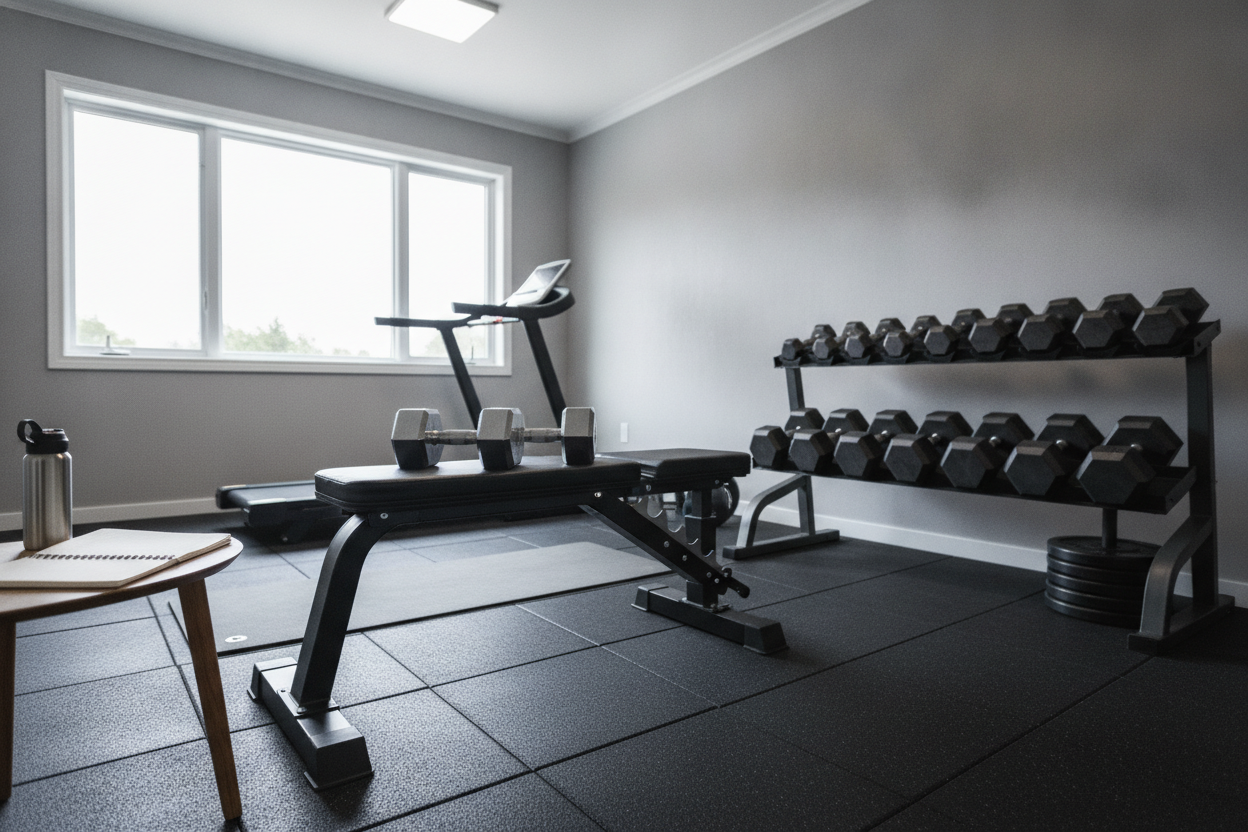
If you have limited space, absolutely. A pair of 5-80 lb adjustables replaces a whole wall of fixed weights. Just make sure you buy a pair with a metal adjustment mechanism; the plastic ones tend to rattle and feel cheap when you're moving heavy weight.
Do I need a bench for dumbbell training?
Technically no, but practically yes. While you can do floor presses, a solid adjustable bench opens up incline work, seated rows, and supported movements that are essential for a complete physique. It's the one 'extra' piece of gear I wouldn't skip.