Why I Stopped Chasing the Pump: Real Shoulder Exercises for Strength
I remember staring at my 45-pound plates a few years ago, wondering why they felt like lead every time I tried to put them over my head. I’d spend forty minutes doing every variation of a lateral raise known to man, chasing a 'pump' that vanished by the time I hit the shower. If you want shoulder exercises for strength, you have to stop training like a bodybuilder trying to pop a vein and start training like someone who actually needs to move heavy objects.
- Isolation moves build size but rarely move the needle on raw power.
- Stability is the foundation of every heavy overhead press.
- Stop skipping your heavy carries; your rotator cuffs will thank you.
- Pin presses are the ultimate ego-checker and strength builder.
The Difference Between 'Looking Big' and Actually Being Strong
Most people treat the delts like vanity muscles. They think three sets of twelve with some 15-lb dumbbells will magically translate to a 225-lb overhead press. It does not. While high-rep isolation work builds the 'caps' that look good in a tank top, it does almost nothing for your baseline shoulder strength or your ability to lock out a heavy barbell. I’ve seen guys with massive shoulders crumble the second you put 185 pounds in their hands because they haven’t trained for stability.
The trap is the burn. We’ve been conditioned to think that if a muscle is burning, it’s getting stronger. In reality, that burn is often just metabolic stress. To build actual push-power, you need mechanical tension and neurological efficiency. You need to teach your nervous system how to fire every fiber in the deltoid, triceps, and upper back simultaneously. You can't do that with a 10-lb side raise.
Why Your Current Press is Stuck in the Mud
Your press is likely stuck because you lack stability, not because your muscles are too small. If your brain senses that your shoulder joint is even slightly unstable, it will 'cut the power' to the prime movers to prevent an injury. It’s a built-in governor. Understanding the science on how to improve shoulder strength shows that your rotator cuff needs to fire perfectly before your delts can really take over.
Most garage gym athletes try to overcome a plateau by simply adding more sets of the same movement. If you want to know how to increase shoulder strength, you have to look at the weak points in the kinetic chain. Are your wrists folding? Is your lower back arching? Are your shoulder blades glued to your ribs? If you don't fix the stability, the bar isn't going up, no matter how many reps of fluff you do. You need to shift from isolation to heavy, stable compound movements that force the whole body to work as a unit.
My 3 Go-To Shoulder Exercises for Strength
I’ve tested hundreds of movements in my own gym. These three are the ones that actually move the needle. They aren't fancy, they aren't 'aesthetic,' and they will probably make you want to quit halfway through. But they work.
1. The Strict Pin Press
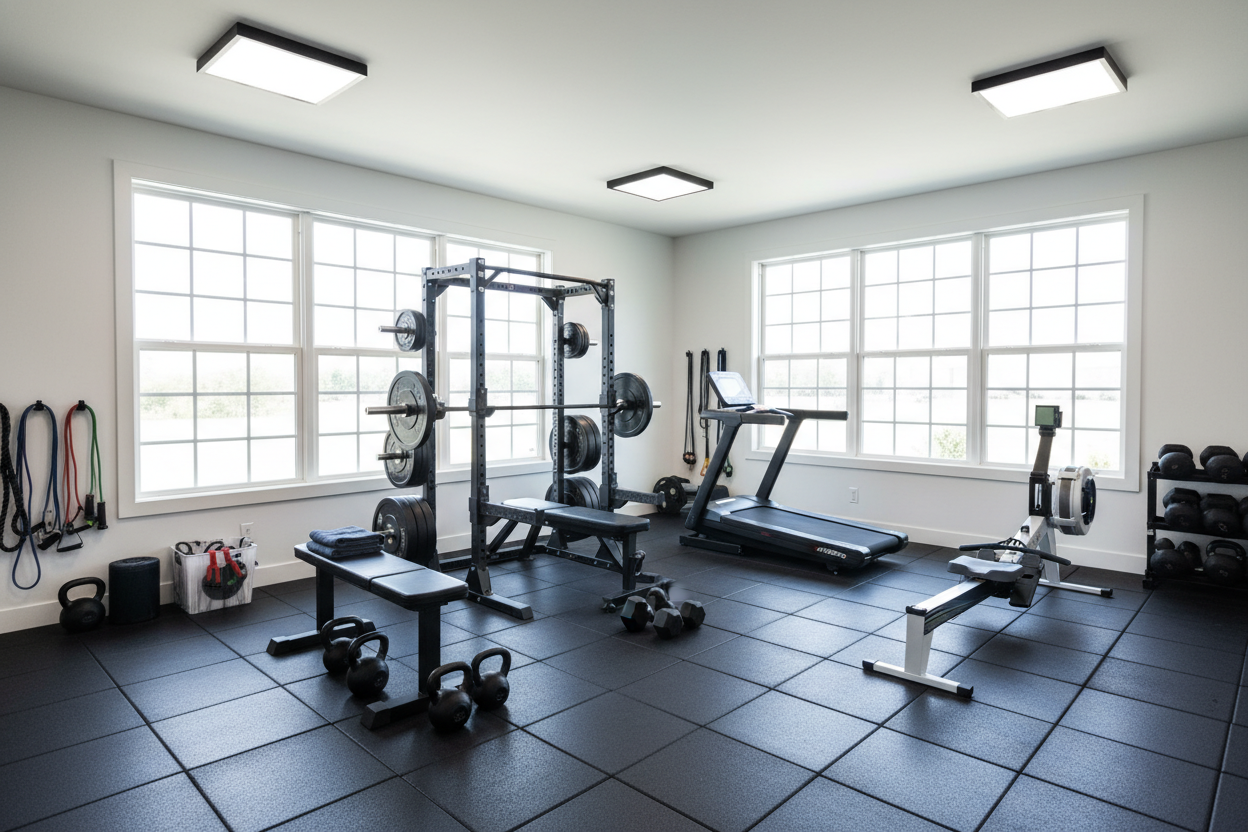
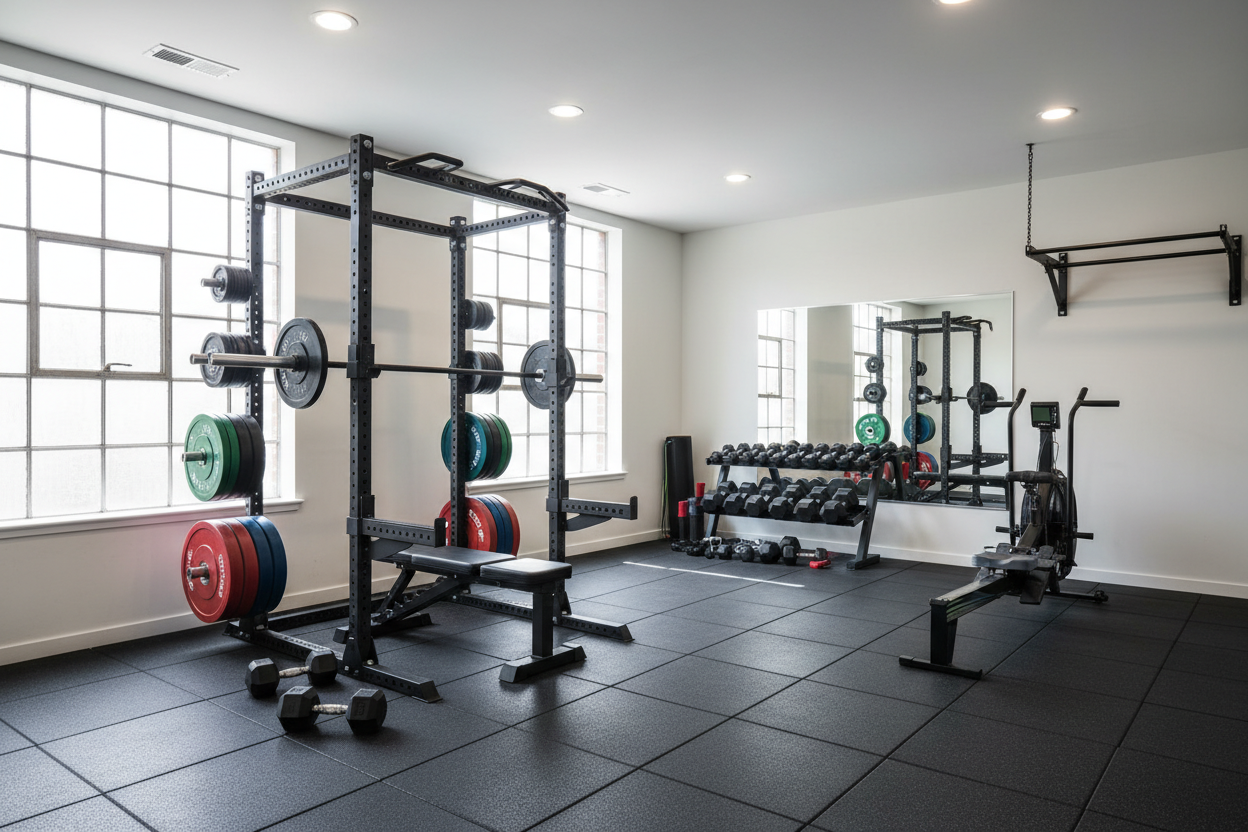
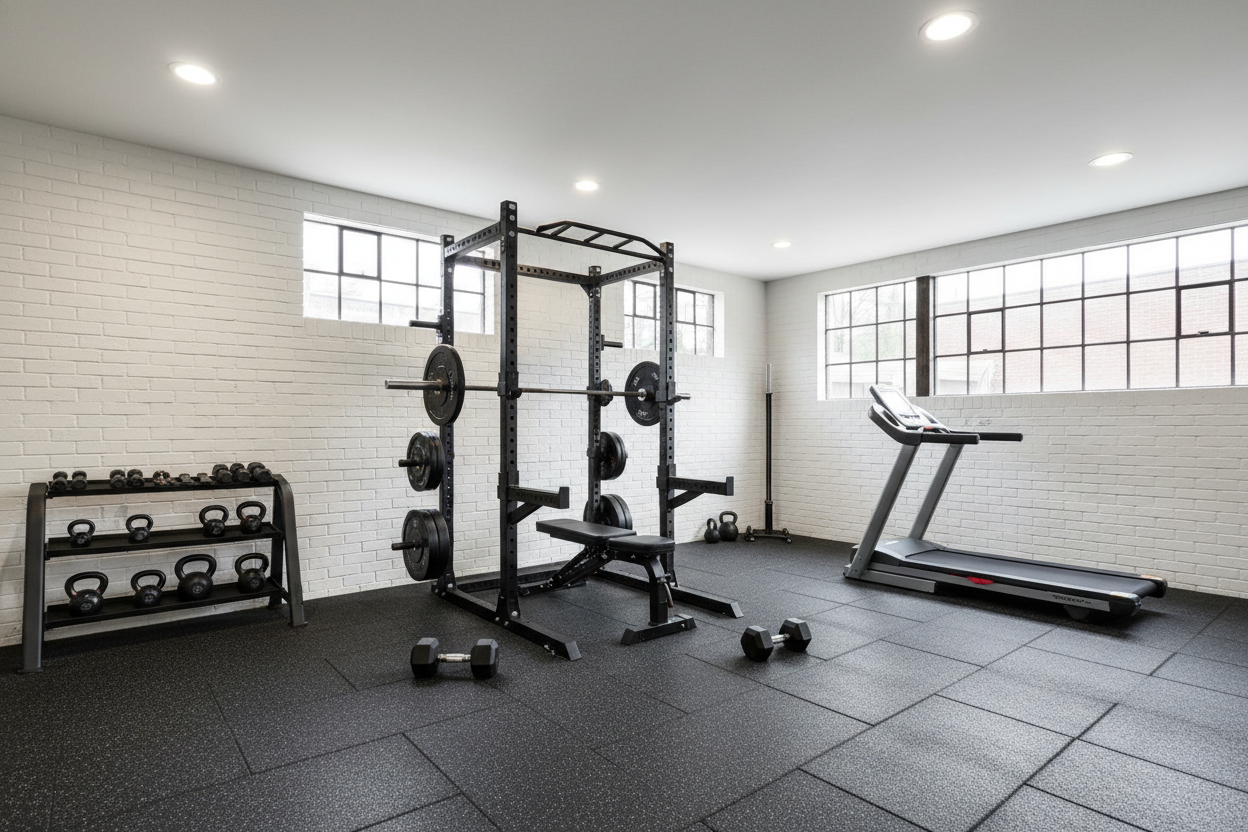
This is the most humbling lift in the gym. Set the pins in your power rack so the bar starts at chin or forehead height. By starting from a dead stop, you’re removing all the stretch-reflex momentum you usually get from the eccentric phase. You’ll need some serious strength equipment—specifically a rack that doesn't wobble and a barbell with aggressive knurling—to do this right. It forces your triceps and delts to generate maximum force from zero. If you can move a heavy weight from a dead stop on the pins, your standard overhead press will feel like a toy.
2. Heavy Farmer's Carries
People think these are just for grip or 'core.' They're wrong. Holding 100-lb dumbbells or dedicated handles at your sides for 40 yards forces your shoulders into a packed, stable position. It teaches the rotator cuff to lock the humerus into the socket under extreme load. It is the single best way to improve shoulder strength without actually pressing a weight. If you can't carry half your body weight in each hand for 30 seconds, your shoulders aren't strong; they're just for show.
3. The Kneeling Landmine Press
If your shoulders feel like they're full of crushed glass when you go straight overhead, stop doing it for a while. The landmine allows for an angled press that lets the shoulder blade move naturally along the ribcage. By kneeling, you eliminate the ability to use your legs, making it a pure test of upper body power and core stability. This is how to gain shoulder strength while keeping your joints healthy enough to train the next day.
Assistance Work That Actually Helps You Push More Weight
You can't just press heavy every single day or you'll blow out your bursa. You need to build the 'shelf' that the press sits on. I like adding dumbbell exercises for neck and shoulder strength like heavy shrugs or Lu raises. These movements reinforce the upper back and traps, which provide the stability you need when the bar is overhead.
I also recommend using strength training accessories like mini-bands for high-rep face pulls. These aren't for 'strength' in the traditional sense, but they keep the rear delts from lagging behind. A strong front without a strong back is a recipe for a shoulder labrum tear. Don't be the guy with the 300-lb bench and a 95-lb overhead press because his stabilizers are non-existent.
Personal Experience: The 185-lb Wall
I spent a year stuck at a 185-lb overhead press. I thought I just needed more volume, so I added more sets of lateral raises and more Arnold presses. All I got was a nagging impingement in my left shoulder that made it hard to sleep. I finally swallowed my pride, stripped the weight back to 135, and started doing pin presses and heavy carries twice a week. Within three months, I hit 205 for a double. My mistake was thinking 'more work' meant 'better work.' Strength is about stability and force production, not just getting a sweat on.
FAQ
How often should I train shoulders for strength?
Twice a week is the sweet spot. One day for heavy pressing (like pin presses) and one day for stability and carries. Your shoulders are involved in almost every upper body move, so don't overcook them.
Can I use a Smith machine for these?
You can, but you shouldn't. The Smith machine fixes the bar in a track, which means your stabilizer muscles can take a nap. If you want real-world strength, use a barbell or dumbbells.
What if my shoulders click during these moves?
If there's no pain, it's usually just air or tendons moving. If it hurts, stop. Most 'clicking' is caused by a lack of upper back tightness. Squeeze your shoulder blades together like you're trying to crack a walnut between them before you press.