Stop Jogging: Real Cardio for Fat Loss and Muscle Gain
I spent years falling for the same trap every other garage gym owner falls into. I’d finish a heavy session of squats, then hop on a budget treadmill for forty-five minutes of steady-state jogging, wondering why my belly fat wasn't budging and my leg strength was plateauing. I was chasing cardio for fat loss and muscle gain using a blueprint designed for endurance runners, not someone trying to look like they actually lift. If you want to strip fat without watching your hard-earned muscle evaporate, you need to change how you define 'cardio.'
Quick Takeaways
- Steady-state cardio can trigger the 'interference effect,' cannibalizing muscle tissue.
- High-intensity, resistance-based conditioning is superior for muscle retention.
- The minimum effective dose is usually 15-20 minutes, 2-3 times per week.
- Protect your joints by using proper flooring instead of bare garage concrete.
The Traditional Cardio Trap (And Why You're Losing Muscle)
The biggest mistake I see is the 'more is better' mentality. When you're in a calorie deficit and you add miles of pavement pounding, your body receives a confusing signal. It wants to become efficient at running, which means shedding 'heavy' muscle tissue that isn't helping you go the distance. This is the interference effect in action. I've personally seen my bench press drop ten pounds in a month just because I thought I needed to run five miles every morning to 'lean out.'
Using cardio to lose fat and gain muscle requires a different stimulus. You want your heart rate to spike and recover, mimicking the demands of a heavy set of ten. Long, slow cardio keeps your cortisol levels elevated for too long, which is a recipe for muscle wasting. If you look at a sprinter versus a marathon runner, it’s obvious which physique most of us are actually chasing. Stop trying to be efficient; start trying to be powerful.
The Minimum Effective Dose of Cardio for Fat Loss and Muscle Gain
You don't need an hour. In fact, if you’re doing it right, you shouldn't be able to last an hour. I’ve found that 15 to 20 minutes of high-intensity work is the sweet spot. This duration is enough to trigger the 'afterburn' effect (EPOC), keeping your metabolic rate elevated for hours after you’ve finished sweating, without the catabolic downside of long-duration sessions.
I program these sessions as 'finishers' or on dedicated conditioning days. The goal is maximum output. Think 30 seconds of all-out effort followed by 90 seconds of active recovery. This short, brutal window forces your body to adapt by improving work capacity, which actually helps you recover faster between sets of heavy lifting. It’s about quality, not quantity.
What Kind of Conditioning Actually Works?
The best cardio for lifters involves some form of resistance. I’m talking about the Assault bike, heavy sled pushes, or kettlebell complexes. These movements require force production, which tells your body that the muscle you’ve built is still necessary. If I’ve had a particularly brutal leg day and my knees feel like they’re made of glass, I’ll switch to cardio shoulder exercises like battle rope slams or high-volume medicine ball cleans to keep the intensity up without further taxing my lower body joints.
Sled work is my personal favorite. There’s no eccentric (lowering) phase, which means it doesn't cause much muscle soreness (DOMS). You can push a sled until your lungs burn, wake up the next day, and still be ready to hit a PR on deadlifts. It’s the ultimate tool for anyone trying to stay big while getting lean.
How Much Cardio to Lose Belly Fat But Gain Muscle?
The most common question I get is how much cardio to lose belly fat but gain muscle without burning out. For most people training in a home gym, the answer is two to three high-intensity sessions per week. Your foundation should always be built around a solid weight set and bench. You lift heavy four days a week, and you sprinkle in your conditioning on the off days or at the very end of your lifting sessions.
A typical week for me looks like this: Monday/Tuesday lifting, Wednesday 20 minutes of HIIT, Thursday/Friday lifting, Saturday 15 minutes of sled work, and Sunday a long, easy walk. This balance ensures you aren't overtraining. Belly fat is lost in the kitchen and through consistent metabolic demand, not by punishing yourself on a treadmill for six hours a week.
Save Your Joints When Training at Home
If you’re training in a garage or basement, listen to me: stop jumping rope or doing burpees on bare concrete. I did this for six months and ended up with shin splints so bad I couldn't even walk to the mailbox, let alone squat 405. Concrete has zero give. Every time you land, that force travels straight into your ankles, knees, and lower back.
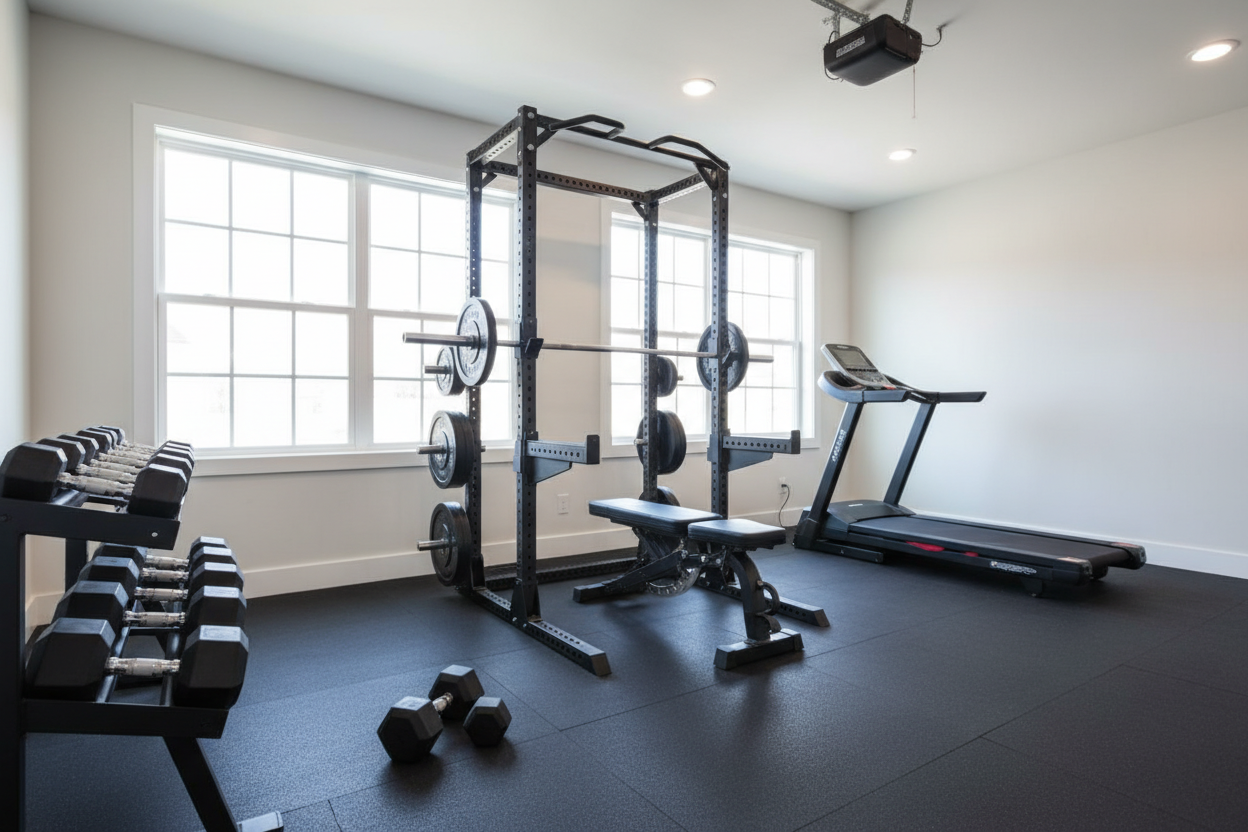
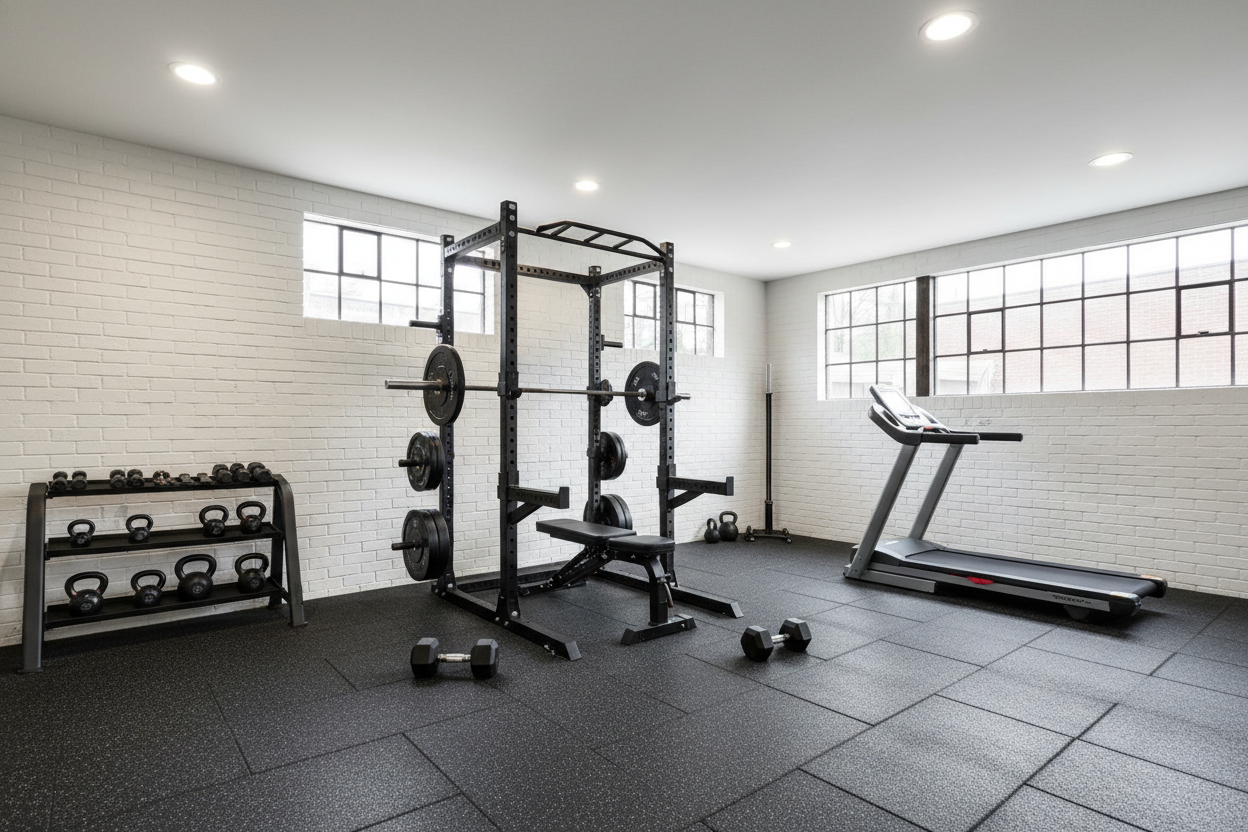
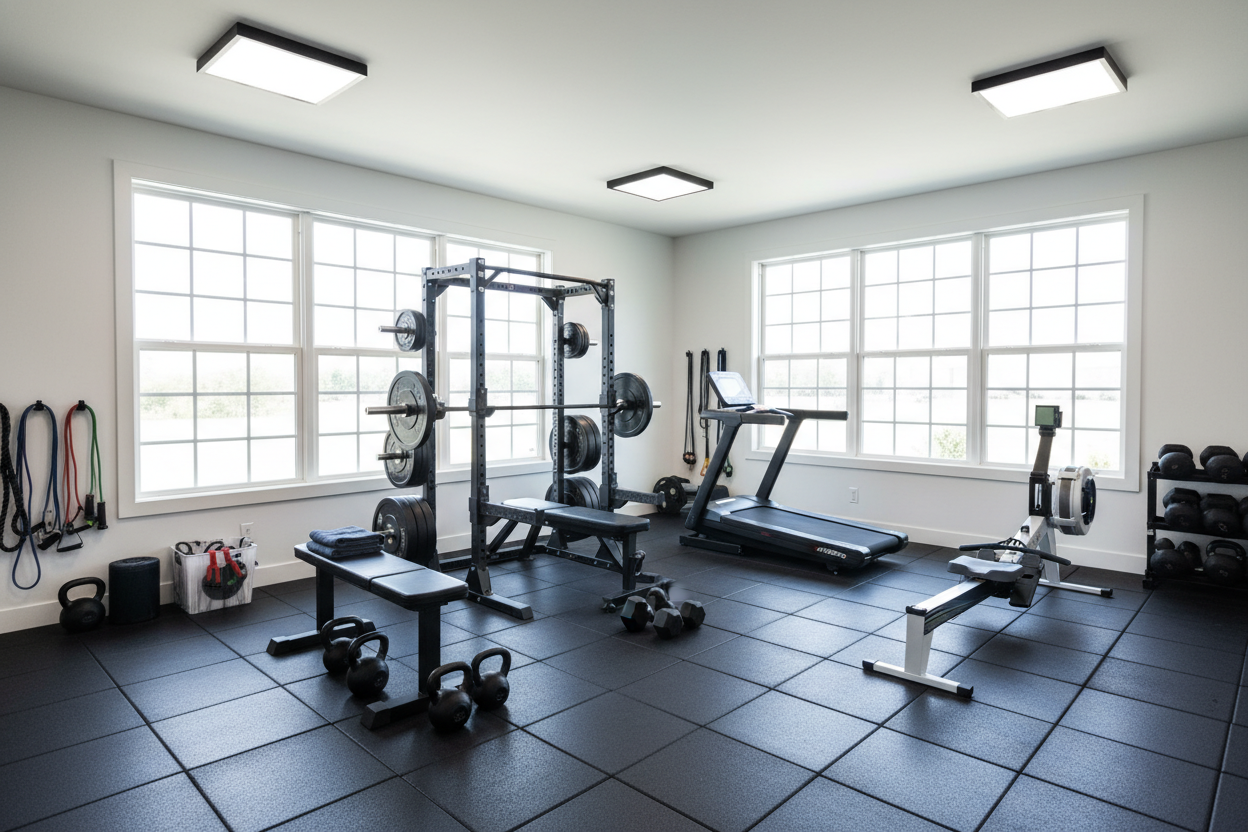
Investing in a large exercise mat for cardio 6x12 was one of the best moves I made for my longevity. It provides enough cushion to save your joints but is firm enough that you won't lose your balance during explosive movements. Plus, it protects your floor from dropped kettlebells and keeps the noise down so your neighbors don't hate you during 6 AM sessions.
Personal Experience
I used to be the guy who thought 'cardio' was a dirty word. I was terrified I’d lose my gains if I did anything more strenuous than walking to the fridge. The result? I was strong, but I got winded walking up a flight of stairs and my body fat stayed in the high teens. The 'mistake' I made was thinking I had to choose between being a lifter and being fit. Once I added two 15-minute air bike sessions a week, my body composition shifted dramatically. I didn't lose weight—I lost fat and looked significantly harder. The downside is that high-intensity work sucks while you're doing it. There's no way around the 'pain cave' if you want results.
FAQ
Can I do cardio before my lifting session?
I wouldn't recommend it. You want your ATP and glycogen stores fresh for your heavy lifts. If you do HIIT first, your strength will suffer. Save the conditioning for the end or a separate day.
What if I only have a jump rope?
Jump rope is fantastic, but it's high impact. Make sure you're on a mat and keep the intervals short. 30 seconds of double-unders followed by 30 seconds of rest for 10 minutes is a killer workout.
Is walking enough for fat loss?
Walking is great for general health and burning a few extra calories, but it won't build the 'engine' you need to support muscle growth and high-level performance. Think of walking as recovery, not your primary cardio.