Why I Dropped Heavy Shrugs for This shoulder and trap workout
I spent three years loading four plates onto a barbell just to perform three-inch range-of-motion shrugs. My neck hurt, my ego was fed, and my traps looked exactly the same as the day I started. It was embarrassing. It took a nagging shoulder impingement and a deep dive into functional anatomy to realize that a real shoulder and trap workout isn't about isolation—it's about stability, explosive power, and time under tension.
- Stop isolating: Your traps and delts are designed to work together to stabilize the scapula.
- Heavy Carries: Isometric tension builds more thickness than rhythmic shrugging.
- Go Explosive: High pulls and snatches recruit the fast-twitch fibers isolation moves miss.
- Recovery is King: This routine is high-intensity; don't run it more than twice a week.
Why the Standard 'Shoulder Day' Leaves You Looking Flat
Most guys walk into the gym on 'Shoulder Day' and head straight for the lateral raise rack. They spend forty-five minutes doing side raises with 15-pounders and wonder why they still look like a stick figure in a t-shirt. The problem is that the standard bodybuilding approach treats the shoulders like three separate pebbles (front, side, and rear delts) rather than a massive, interconnected slab of muscle. When you isolate the delts without engaging the upper back, you're leaving 70% of your growth potential on the table.
Furthermore, chasing a massive barbell overhead press without a foundation of upper back thickness is a recipe for disaster. If your traps and lats aren't strong enough to provide a stable platform, your humerus is going to grind into your acromion process every time you lock out. This routine serves as the perfect antagonist to your better chest and shoulders workout, balancing out the internal rotation that comes from heavy benching. If you want shoulders that look like cannonballs, you have to build the shelf they sit on first.
Building the Yoke: Why You Should Train Lats Traps and Delts Together
In the garage gym community, we call it 'The Yoke.' It’s that visual density that screams strength even when you’re wearing a hoodie. To build it, you have to understand that lats traps and delts are a functional unit. The traps aren't just those little bumps next to your ears; they extend all the way down to the middle of your spine. When you perform heavy compound pulls, your lats provide the downward stability, your traps control the scapular upward rotation, and your delts handle the leverage.
Separating these muscles into different training days is a mistake. By training them together, you maximize the systemic load on the upper body. Think about a heavy row—your lats are the prime movers, but your rear delts and traps are screaming to keep the weight from ripping your arms out of their sockets. This synergistic stress is what triggers hypertrophy in stubborn muscle groups. If you want that 3D look, you need to stop thinking about muscles and start thinking about movements.
The Only Trap and Delt Workout You Actually Need
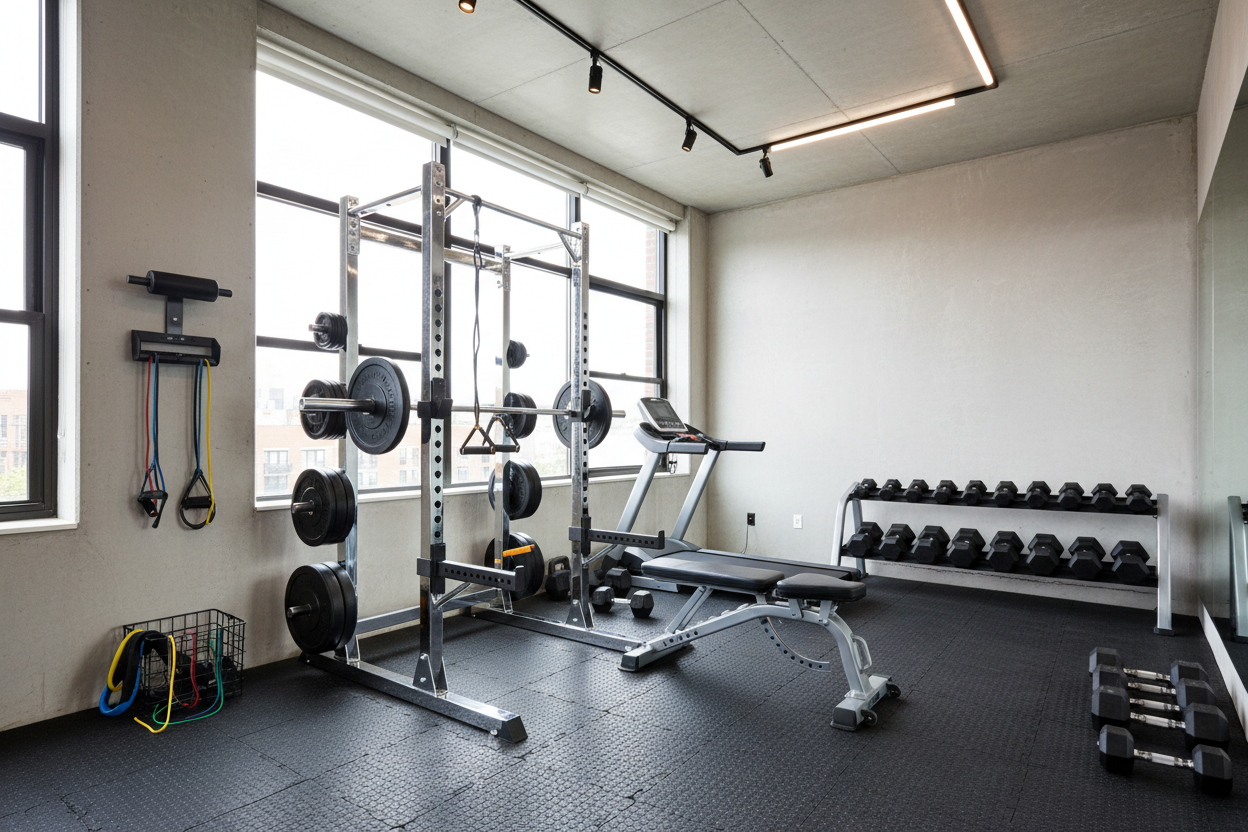
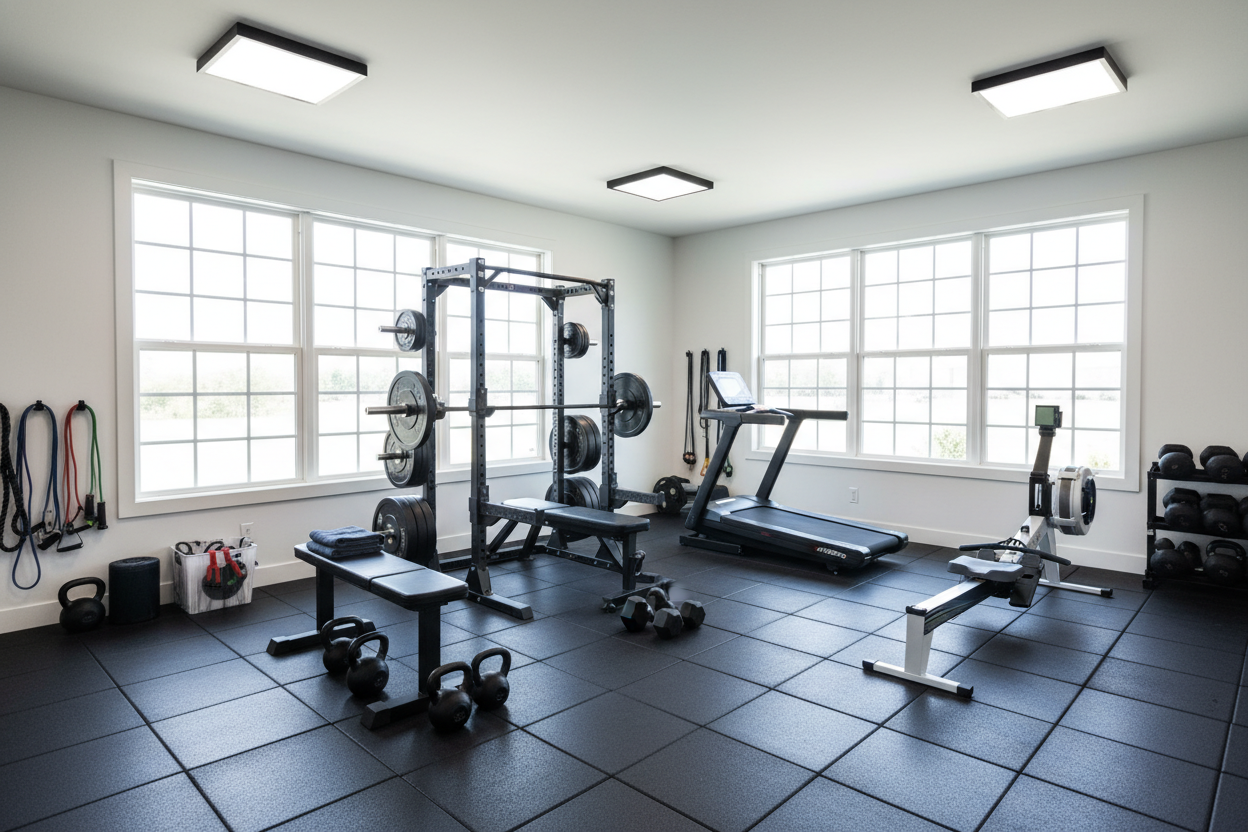
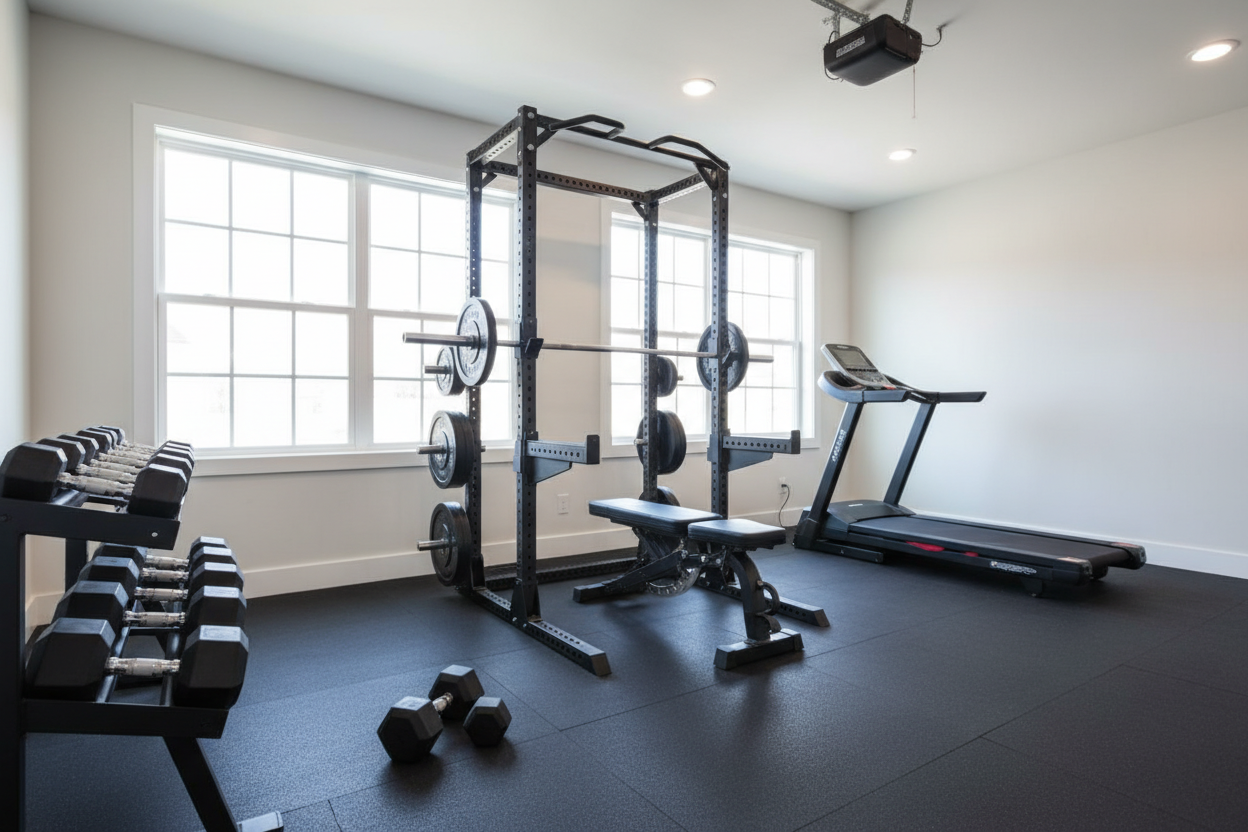
You don't need a 12-station cable crossover machine or a specialized shrug rack to get this done. My current garage setup is just a power rack, a barbell, and a set of adjustable dumbbells that go up to 80 lbs. This trap and delt workout is built on the philosophy of 'maximum bang for your buck.' We are going to focus on three primary movements that hit the delts and traps from every conceivable angle.
One word of caution: this routine involves moving heavy weights and, occasionally, letting them go. If you’re training on bare concrete, you’re going to regret it when you drop an 80-lb dumbbell. I highly recommend investing in high-impact gym flooring for home workout to protect your foundation and your gear. Once your floor is protected, it's time to get to work.
Farmer's Carries: The Ultimate Exercise for Traps and Delts
If I could only do one exercise for traps and delts for the rest of my life, it would be the farmer’s carry. Shrugs are a lie because the range of motion is too short and the tension is fleeting. Carries, however, force your traps to maintain a peak isometric contraction while your delts stabilize the weight against the gait of your walk. It’s brutal, it’s simple, and it works.
Grab the heaviest pair of dumbbells you can walk with for 40 yards. Keep your chest high, your chin tucked, and your shoulder blades pinned back and down. Do not let the weights bounce off your thighs. The goal is to fight the urge to drop the weight for at least 45 seconds per set. This builds the kind of 'old man strength' that isolation exercises can't touch, and it will thicken your upper back faster than any machine ever could.
Dumbbell Snatch or High Pull: The King of Delt and Trap Exercises
To really round out your delt and trap exercises, you need an explosive element. The dumbbell snatch or the barbell high pull forces the traps to fire with maximum velocity. Most people have plenty of slow-twitch endurance in their upper back from sitting at a desk all day; what they lack is fast-twitch power. By pulling a weight from the floor or the hang position to chin height, you’re forcing the traps and medial delts to accelerate the load.
Proper form is non-negotiable here. This isn't an upright row where you're dragging the weight up your shirt with your wrists. This is a hip-driven explosion. Drive through your heels, shrug hard at the top, and let your elbows lead the way. Keep the reps low—think 3 to 5 sets of 5 to 8 reps. If your form breaks down and you start rounding your shoulders, the set is over. We want growth, not a rotator cuff tear.
Strict Overhead Pressing (With a Twist)
The overhead press is the foundation of any trap and delt workout, but we’re doing it with a focus on scapular health. Instead of stopping when the bar clears your head, I want you to push 'through' the bar at the top. Shrug your shoulders toward the ceiling at the lockout. This engages the upper traps and serratus anterior, which are crucial for shoulder health and that peaked trap look.
The beauty of this movement is that you don't need fancy machines. A basic weight set and bench is all you need to get this done, though I prefer doing these standing to engage the core. If you find your progress stalling, try using micro-plates. Adding just 1.25 lbs to each side of the bar can be the difference between a plateau and a new PR when you're working on overhead movements.
Programming Your Delts and Traps Without Overtraining
Because this routine is taxing on the central nervous system, you can't just tack it onto the end of every workout. I recommend slotting this into your week as a 'Yoke Day' or as the primary focus of your 'Pull' day in a PPL split. Give yourself at least 48 hours of rest before you do any heavy benching or overhead pressing again. Your traps and delts are small muscles, but they do a lot of work in almost every upper-body movement.
If you're training for hypertrophy, stick to the 8-12 rep range for the presses and carries, but keep the snatches and high pulls in the 5-rep range. Consistency is more important than absolute load. I’d rather see you do 100-lb carries with perfect posture than 150-lb carries where you're hunched over like a question mark. Build the foundation, and the size will follow.
Personal Experience: The Snatch Mistake
Early in my garage gym days, I thought I was an Olympic lifter. I tried to do high-rep dumbbell snatches with a 75-lb bell after I was already exhausted. My form slipped, I caught the weight awkwardly, and I felt a 'zip' in my trap that sidelined me for three weeks. The lesson? Treat explosive movements with respect. Now, I always do my snatches first while I'm fresh, and I never sacrifice form for an extra rep. Heavy carries are where I push the envelope; snatches are where I focus on being a technician.
FAQ
Do I need a trap bar for carries?
A trap bar is great because it allows for heavier loads without the weights hitting your legs, but dumbbells are just as effective for building the yoke. Use what you have.
Can I do this workout if I have 'desk neck'?
Actually, this routine can help. Strengthening the mid-traps and rear delts helps pull your shoulders back, countering the 'hunched' posture from computer work. Just start light.
How long until I see results?
If you're eating enough and hitting the carries hard, you'll notice your shirts fitting tighter in the shoulders within 4 to 6 weeks. The traps respond very quickly to high-tension loads.