Why I Start My Bigger Upper Body Workout With Curls
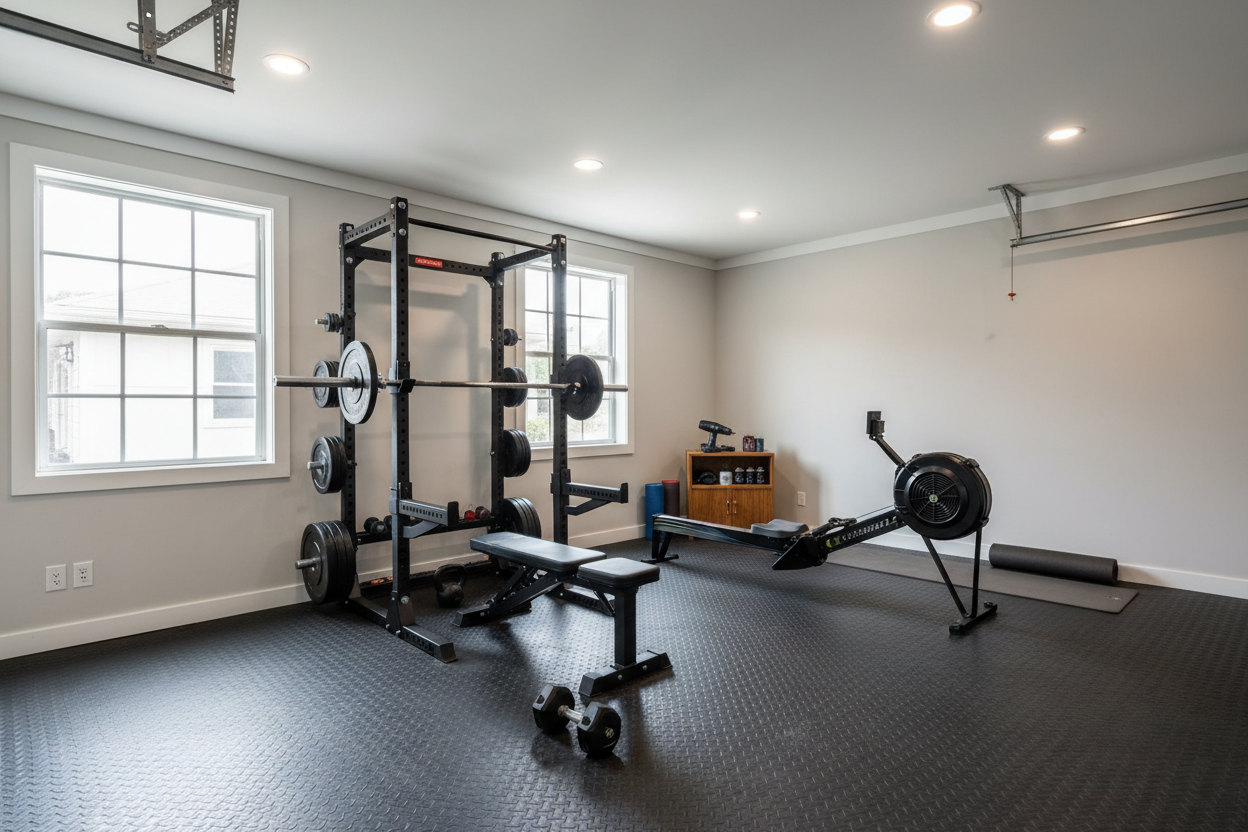
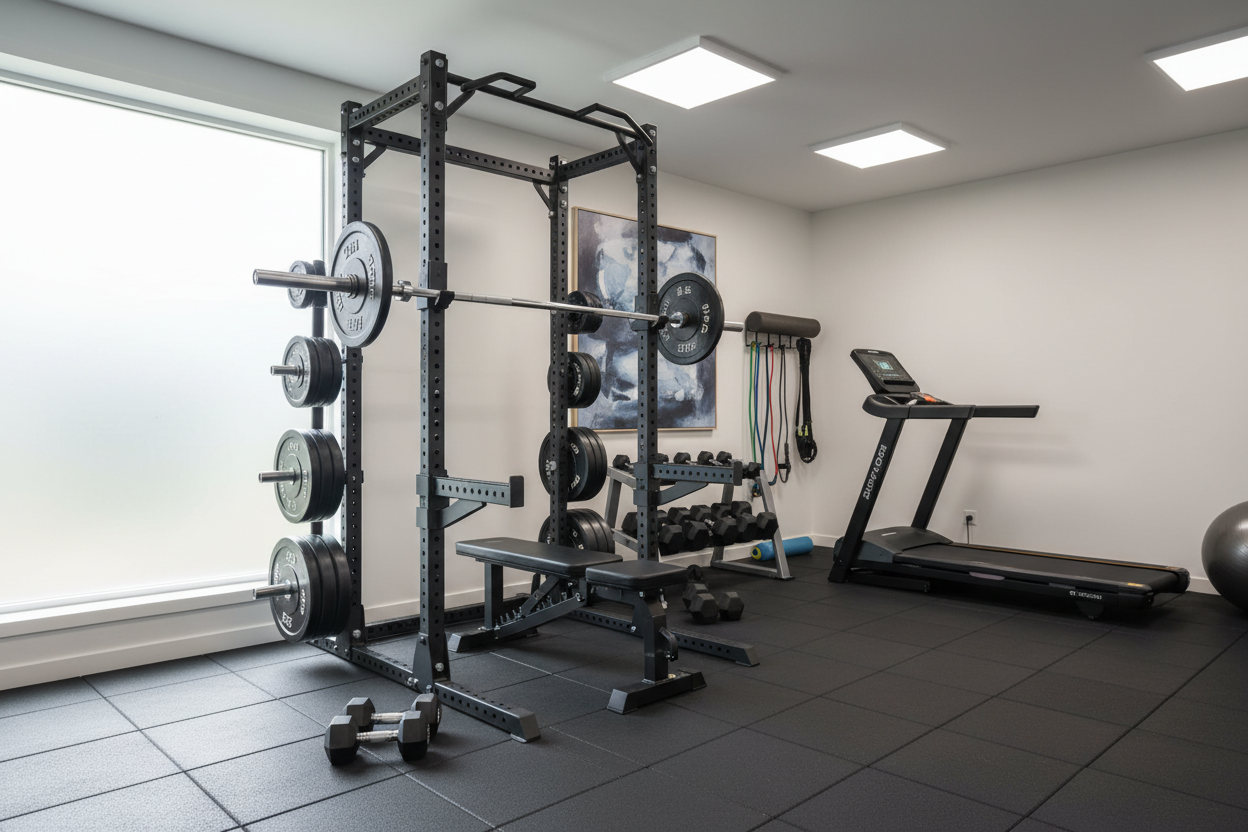
I have spent a small fortune on gear that promised to turn my 200-square-foot garage into a cathedral of gains. Most of it was junk. I have owned the cheap racks that wobble when you rack 135 pounds and the 'adjustable' dumbbells that feel like they are going to rattle apart mid-press. Through all that trial and error, I realized the biggest obstacle to a bigger upper body workout at home isn't the lack of a $3,000 cable crossover—it's the lack of enough heavy plates to make traditional compound lifts challenging.
- Pre-exhaustion makes 50-lb dumbbells feel like 100-lb monsters.
- Fatiguing your arms first prevents them from being the weak link in chest and back movements.
- This method saves your joints by using less absolute load while maintaining high mechanical tension.
- It is the most efficient way to build a big upper body workout when you have limited floor space.
Why the 'Heavy First' Rule Kills Home Gym Gains
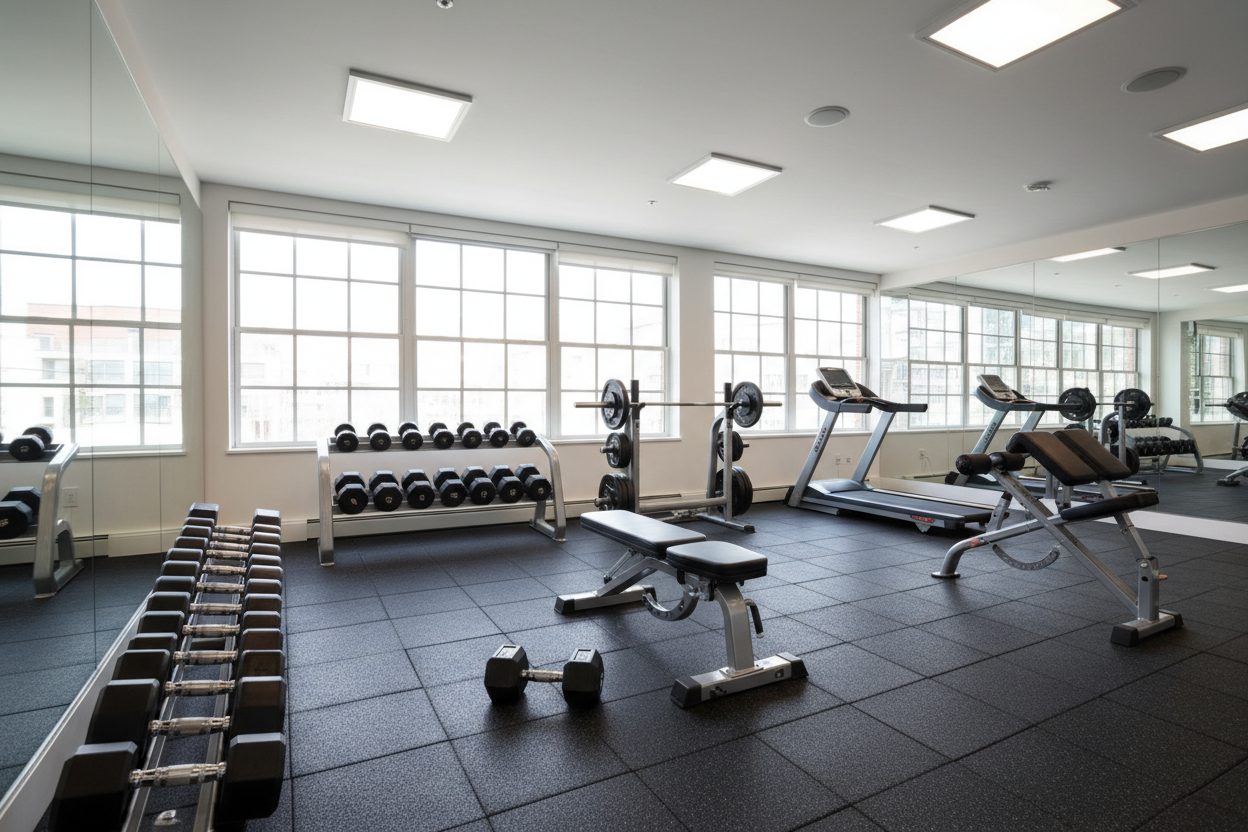
Standard bodybuilding wisdom says you should always hit your heavy compounds first. In a commercial gym with a 10-pair rack of dumbbells and three power racks, that is great advice. But in a garage? If you only have a pair of 50s or a limited stack of iron, you will outgrow a standard bench press in six months. Once you can move your heaviest weights for 15+ reps, you are no longer building maximum mass; you are just testing your endurance.
I see guys all the time trying to force a heavy-first routine with gear that isn't heavy enough. They end up doing 'junk volume'—sets of 20 reps that don't actually trigger hypertrophy because the intensity is too low. To get a big upper body workout with home gym equipment, you have to change the math. You need to make the muscle think the weight is heavier than the label says. That is where pre-exhaustion comes in.
How Pre-Exhausting Creates a Truly Big Upper Body Workout
Pre-exhaustion is a simple, brutal strategy: hit an isolation movement for a specific muscle group right before you do a compound movement that uses that same muscle. Normally, your biceps or triceps give out before your back or chest does. By intentionally tiring the arms out first, we flip the script. When you get to the 'big' lift, your chest and back are forced to do 100% of the work because the arms are too fried to help.
This isn't about ego; it is about efficiency. I would rather get a massive pump and muscle failure using 40-pound dumbbells than do 50 reps with 50s and feel nothing in my pecs. It keeps the stimulus high and the injury risk low, which is vital when you are training solo in a garage without a spotter.
Trashing the Triceps Before You Press
Start your session with three sets of strict skull crushers or overhead extensions. I prefer using a dedicated EZ-curl bar for this because the knurling is usually better for sweaty palms than a flat dumbbell handle. Go for 12-15 reps with a slow, three-second eccentric phase. Your triceps should be screaming before you even look at the bench.
Immediately after, move into your dumbbell bench press or floor press. Because your triceps are already cooked, your chest has to take over the entire lockout. If you are doing floor presses to save your shoulders, make sure you have a 6x8ft exercise mat gym flooring. Concrete is unforgiving on the elbows, and a high-density 7mm mat provides the grip you need so your feet don't slide when you are driving through the floor. It makes a massive difference in stability when the weights get shaky.
Frying the Biceps Before You Pull
The same logic applies to your back. Most people fail on rows because their grip or their biceps give out, not their lats. To fix this, start with strict barbell curls. Avoid the 'cheat curl' momentum. Keep your back against a wall if you have to. Do three sets of 10-12 reps until your arms feel like lead pipes.
Now, grab your dumbbells or barbell for bent-over rows. Since your biceps are pre-fatigued, they can't 'hijack' the movement. You will feel your lats and rhomboids flare in a way they never do during a standard big upper body workout. You might have to drop the weight by 20%, but the contraction in your mid-back will be twice as intense. This is how you build real thickness without needing a 300-pound stack of plates.
Programming Your Pre-Exhaust Routine
Don't do this every day. It is a high-intensity technique that can fry your central nervous system if you overdo it. I recommend a 4-day split: two days of pre-exhaustion hypertrophy and two days of more traditional movement. On the days when you are short on time or need a break from the heavy iron, you can swap this for a 30 min hiit workout to sculpt upper body. It provides a different metabolic stimulus that complements the slow, heavy tension of pre-exhaustion.
For the pre-exhaust sets, keep your rest periods short—about 60 seconds. You want the muscle to stay flooded with blood. For the compound lifts that follow, you can take 90-120 seconds to recover. If you want to see how this fits into a larger training cycle, explore our workout hub for more detailed programming guides. The key is consistency and tracking your tempos, not just your reps.
Personal Experience: The Day I Stopped Chasing Numbers
I used to be obsessed with the number on the side of the dumbbell. I bought a set of 100-lb adjustables that took up half my rack space and were a total pain to change between sets. I thought that was the only way to get a bigger upper body workout. One day, I tweaked my lower back trying to manhandle those 100s into position for a row. I was sidelined for two weeks.
That's when I switched to pre-exhaustion. I went back to my 50-lb set, hit curls first, and realized my back felt more 'worked' after three sets of 50s than it ever did with the 100s. My joints stopped aching, and my shirts started fitting tighter in the chest and shoulders. I sold the 100s and used the cash to buy a better bar. Don't let your ego dictate your equipment needs.
FAQ
Does pre-exhaustion make me weaker?
In terms of the weight on the bar for your main lift, yes. You will lift less. But in terms of muscle fiber recruitment and hypertrophy, it makes you much stronger. You are building muscle, not just practicing the skill of moving a heavy object from A to B.
Can I do this with bodyweight exercises?
Absolutely. Try doing a set of tricep dips or diamond pushups to failure right before you do standard wide-grip pushups. It's the same principle and works incredibly well if you're traveling or have zero equipment.
How often should I change my exercises?
Stick with the same 'pair' (e.g., Curls and Rows) for at least 4-6 weeks. You need time to master the mind-muscle connection. If you swap exercises every week, you'll never learn how to properly fatigue the target muscle before the compound lift.