Why Chasing a Different Workout Every Week Ruins Your Gains
I’ve been there. You’re scrolling through Instagram on a Sunday night, see a guy with 20-inch arms doing some weird cable-crossover-lunge hybrid, and suddenly your boring old 5x5 program feels like a relic from the Stone Age. You decide tomorrow will be a different workout entirely. You want to 'shock the muscle,' right? Wrong. You’re just shocking your progress into a coma.
The truth is, your body doesn't need to be surprised; it needs to be convinced to change. That conviction only comes from doing the same hard movements over and over until you can do them with more weight or better form. If you're constantly swapping your barbell back squats for Bulgarian split squats on a whim, you’re never giving yourself a chance to actually get good at either.
- Consistency is the only metric that actually builds a physique over a decade.
- Randomness feels like hard work because of the soreness, but soreness isn't growth.
- True variety should happen every 12 weeks, not every 12 hours.
- Equipment tweaks are better than total program overhauls.
The Muscle Confusion Myth Needs to Die
The term 'muscle confusion' was a brilliant marketing ploy designed to sell DVDs to people who get bored easily. Your muscles don't have brains; they have fibers that respond to mechanical tension. When you constantly jump into a different workout every time you step into the garage, you lose the ability to measure progressive overload. You can't tell if you're getting stronger because you're too busy trying to remember the form for a new exercise.
Most people confuse being tired with having a productive session. Using different workout methods every week leads to plenty of 'junk volume.' You’re doing movements your body isn't efficient at yet, which causes massive amounts of muscle damage and soreness. But because you never stick with one fitness training method long enough to master the neurological side of the lift, you never actually move heavy enough weight to trigger real hypertrophy.
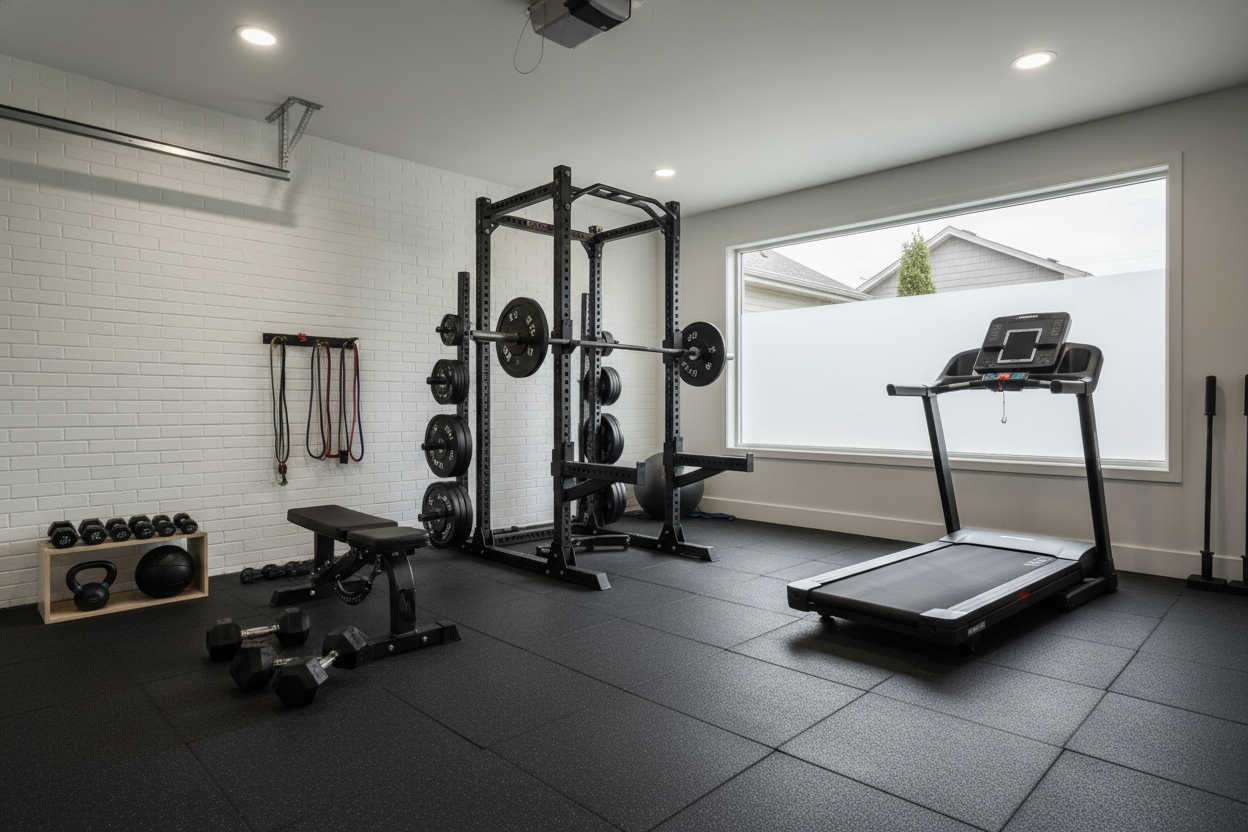
I spent my first two years in a garage gym doing what I called 'intuitive training.' It was really just 'lazy training.' I’d walk in, look at my power rack, and decide what felt good that day. My bench press stayed stuck at 185 lbs for eighteen months. It wasn't until I committed to a boring, repetitive 12-week block that I finally saw the needle move. If you want to look like you lift, you have to embrace the repetition.
Why You Actually Need Different Workout Methods (Eventually)
Now, I’m not saying you should do the exact same three sets of ten for the rest of your life. That’s a fast track to overuse injuries and mental burnout. Doing heavy sets of five on the bench press is great for building a base, but doing it for two years straight will eventually wreck your rotator cuffs and leave you plateaued. This is where the concept of phasic seasonality comes in.
You should rotate through different workout methods every 8 to 12 weeks. This isn't about 'confusing' the muscle; it's about changing the stimulus to allow for recovery and new adaptations. Maybe for three months, you focus on pure strength (low reps, high weight). Then, you transition to a hypertrophy phase where the methods of fitness training shift toward higher volume and shorter rest periods. This keeps the joints healthy and the mind engaged without sacrificing the data you need to track progress.
A Smarter Way to Blend Training Styles
You don't have to be a one-trick pony. You can be strong and explosive at the same time, but you have to be tactical about how you mix physical fitness training methods. One of my favorite ways to bridge the gap between a heavy strength block and a more athletic, powerful phase is through contrast training. It allows you to keep your heavy compound lifts while waking up your central nervous system.
The Contrast Training Method involves pairing a heavy, slow lift with an explosive, unweighted movement that mimics the same pattern. Think of a heavy back squat followed immediately by a vertical jump. This doesn't just build muscle; it teaches your body how to use that muscle quickly. It’s a sophisticated way to introduce variety without the chaos of a random 'workout of the day' approach.
Don't Neglect Your Floor Work
When you start shifting your types of fitness training methods to include more explosive movements or mobility work, you realize very quickly that bare concrete is the enemy. I tried doing box jumps and burpees on my raw garage floor for a month and my knees felt like they were full of crushed glass. If you're going to move like an athlete, you need a surface that doesn't punish you for it.
I always recommend laying down a high-quality foundation. A 6X8Ft Exercise Mat Yoga Mat Gym Flooring For Home Workout is basically mandatory if you’re doing anything other than standing still in a rack. It provides enough grip for lateral lunges and enough cushion for those high-impact landings during a power phase. Plus, it saves your expensive dumbbells from getting chewed up by the grit on the floor.
How to Cycle Types of Fitness Training Methods Like a Pro
If you want to stop spinning your wheels, stop thinking week-to-week and start thinking in quarters. A 12-month blueprint for a garage gym athlete should look something like this. Start with a 12-week Hypertrophy phase. Here, your different workout techniques focus on time-under-tension, 8-12 rep ranges, and building a bigger 'engine.' You're building the raw material (muscle) that you'll use later.
Follow that with a 12-week Strength phase. Now, you take that new muscle and teach it to move heavy loads. Reps drop to the 3-5 range. You aren't chasing a pump anymore; you're chasing numbers on the bar. After that, move into an Athleticism or Power phase for 8 weeks. This is where you incorporate those physical fitness training methods like plyometrics and contrast sets. Finally, finish the year with a 4-week 'Priming' or Deload phase where you focus on mobility and low-intensity steady-state work to let your CNS recover.
By sequencing your training this way, each block builds on the last. The muscle you built in the spring makes you stronger in the summer, which makes you more explosive in the fall. That is how you actually 'shock' your body into becoming a better version of itself.
Upgrading Your Setup for New Training Phases
The beauty of phasic training is that you don't need to buy a whole new gym every time you change your focus. Usually, it just takes a few small tweaks to your existing gear. When I moved from a pure powerlifting focus to a more well-rounded 'functional' approach, I didn't ditch my rack. I just added some versatility to it.
Simple Strength Training Accessories like resistance bands, fat grips, or a landmine attachment can completely change the feel of your existing lifts. Adding bands to a bench press changes the resistance curve, making it a different workout without changing the fundamental movement. It’s a cost-effective way to keep things fresh and keep the gains coming without needing a 2,000-square-foot commercial space.
Personal Experience: The 'Everything at Once' Mistake
A few years ago, I tried to run a marathon training plan while also trying to hit a 500-lb deadlift. I thought I could just 'out-work' the interference effect. I was doing a different workout every day—long runs on Monday, heavy triples on Tuesday, HIIT on Wednesday. Within six weeks, I had a nagging hip impingement and my deadlift actually went down by 20 pounds. I was doing a lot of work, but I wasn't getting better at anything. I had to learn the hard way that you can have it all, just not all at the same time. Pick a focus, stick to it for three months, and ignore the shiny new routines you see on your phone.
FAQ
How often should I really change my workout?
Stick to a specific program for at least 8 to 12 weeks. This gives you enough time to master the movements and see actual strength increases through progressive overload before your body fully adapts and plateaus.
Can I mix strength and cardio in the same week?
Yes, but one needs to be the priority. If you're in a strength phase, keep the cardio low-impact and at a moderate intensity so it doesn't interfere with your recovery from the heavy lifts.
What is the best way to track a different workout focus?
Use a physical logbook or a dedicated app. If you can't look back at what you did three weeks ago and see a clear path of improvement—either more weight, more reps, or better form—you're just exercising, not training.