I Tested the Infomercial Total Gym Shoulder Exercise for 4 Weeks
I spent fifteen years sneering at anything sold via late-night infomercials. If it wasn't a 45-pound iron plate or a knurled barbell, it didn't belong in my garage. But after a decade of heavy overhead pressing, my right rotator cuff started sounding like a bowl of Rice Krispies every time I reached for the top shelf. I found a dusty Total Gym XLS on Craigslist for fifty bucks and decided to see if the total gym shoulder exercise was actually legit or just clever marketing.
Quick Takeaways
- Joint Friendly: The incline glide board removes the jarring vertical compression of a barbell press.
- Constant Tension: Unlike dumbbells, the cable system keeps the delts loaded throughout the entire range of motion.
- Space Hog: Even folded, these units take up more room than a set of adjustable dumbbells.
- Hypertrophy Hack: Excellent for high-rep isolation, though it won't replace your heavy strength work.
Swapping Heavy Iron for an Infomercial Glider
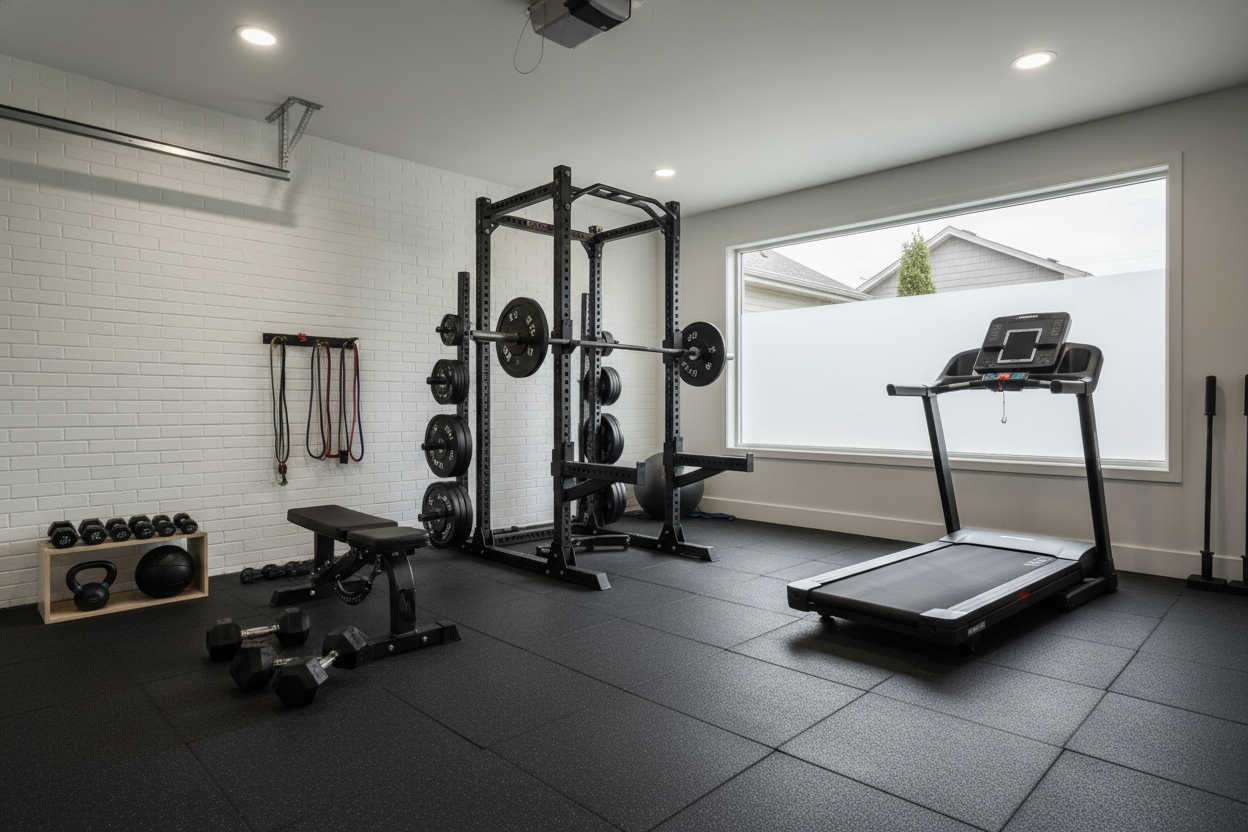
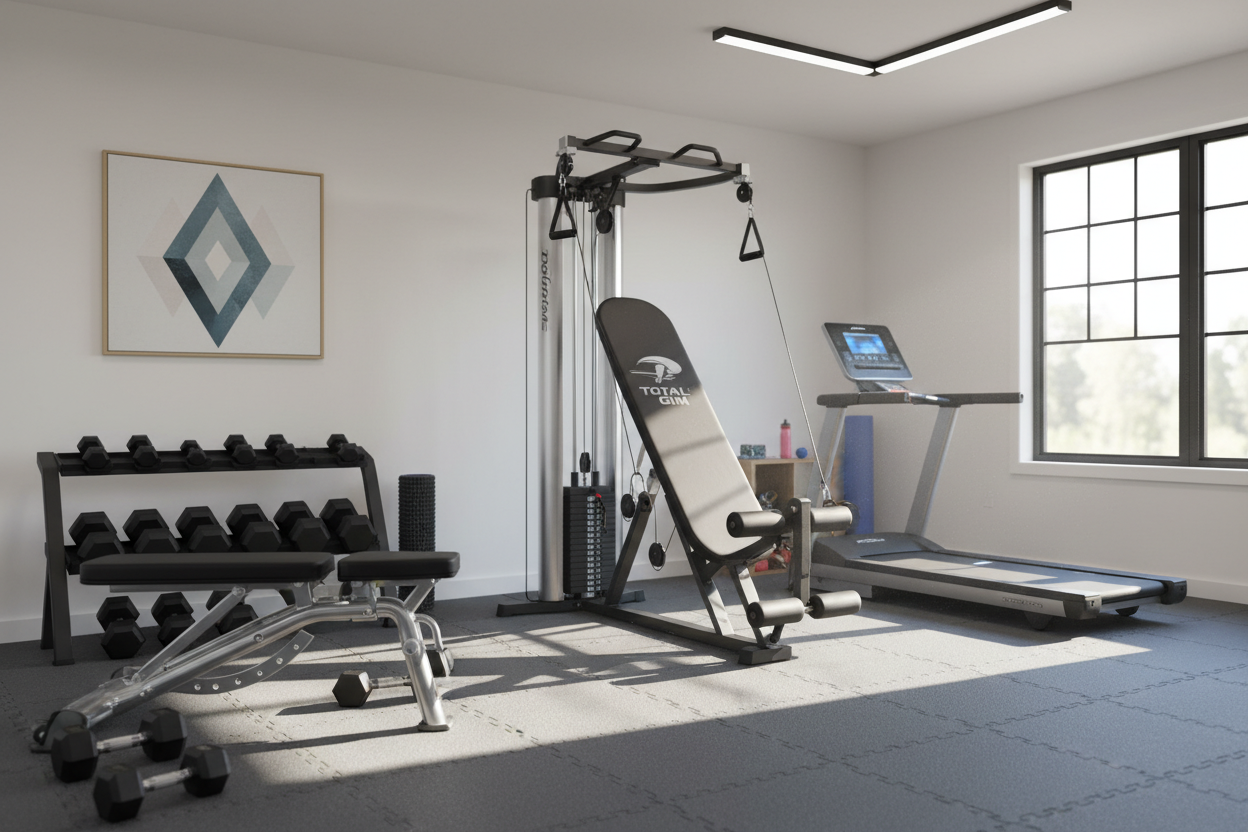
Stepping away from my power rack felt like a betrayal. I cleared a spot in the corner of my garage, making sure to protect your home gym flooring from the metal frame's tendency to walk during high-intensity sets. The setup is simple: you unfold the rails, set your incline, and realize that you're about to move your own body weight against gravity.
I expected it to feel flimsy. Instead, the glide board felt surprisingly stable. My goal wasn't to set a PR, but to see if I could get a quality total gym shoulder workout without the nagging ache that usually follows a heavy session. Within the first ten minutes, the sheer smoothness of the pulley system made me realize I had been sleeping on a very effective tool.
Why the Total Gym Shoulder Press Actually Surprised Me
The mechanics of a total gym shoulder press are fundamentally different from sitting on a bench with a pair of 70s. When you sit on the glide board and press the handles upward, you aren't fighting a fixed path. The cables allow for a natural arc that matches your shoulder's unique anatomy. If you have tight lats or poor thoracic mobility, this machine is much more forgiving than a straight bar.
By adjusting the incline, you change the percentage of your body weight you're actually lifting. At the highest setting, you're moving about 50-60% of your mass. While that sounds light to a powerlifter, the lack of momentum changes the game. You can't 'cheat' the weight up with your legs or a rhythmic bounce. It’s pure, isolated delt work that rivals most ultimate gym workout shoulder exercises I've tried in commercial settings.
The Constant Tension Hack for Stubborn Delts
The secret sauce here is the pulley system. When you use dumbbells for lateral raises, there is zero tension at the bottom of the movement. On the Total Gym, the cable is pulling against you the second you start the lift. This constant tension is a shortcut to building 3D delts because it eliminates the 'dead spots' where your muscles usually get a break.
I found that my medial and posterior delts were screaming after just two sets. Because the resistance is fluid, I could focus entirely on the mind-muscle connection. I wasn't worried about dropping a weight on my toe or losing my balance. I was just focused on the burn. It’s a different kind of intensity—less 'grunt and heave' and more 'controlled incineration' of the muscle fibers.
My Go-To Total Gym Shoulder Workout Routine
If you're going to try this, don't just sit there and press. I developed a four-movement circuit that hits every angle of the shoulder. I run this three times through with sixty seconds of rest between rounds. It’s fast, efficient, and doesn't require swapping out any plates.
- Seated Shoulder Press: High incline, focus on full extension. 15 reps.
- Lateral Pulls: Facing the tower, pulling the cables out to the sides. This hits the side delts like nothing else. 12 reps.
- Inverted Front Raises: Lying on your back on the board, pulling the handles from your hips to over your chest. 15 reps.
- Face Pulls: Sitting at the bottom, pulling the handles toward your forehead to save your posture. 20 reps.
The inverted raises were a revelation. Doing these on a flat bench with dumbbells usually feels awkward, but the glide board supports your spine perfectly. You get all the benefit of the isolation without the lower back strain. It’s the first time in years I’ve finished a shoulder day without needing an ice pack.
The Final Verdict: Gimmick or Garage Gym Essential?
Is this the only thing you need for a massive upper body? No. If you want to press 315, you need to lift 315. But for the guy over 30 whose joints are starting to complain, or the person who wants a massive pump without the risk of injury, this machine is a sleeper hit. It’s an isolation beast that provides a level of tension dumbbells just can't match.
The downside is the footprint. It’s nearly eight feet long when in use. If you’re tight on space, it’s a tough sell. But if you have the room and a set of cranky shoulders, stop scrolling the forums and find a used one. Your rotator cuffs will thank you, and your shirts will still fit tight in the sleeves.
FAQ
Can you actually build muscle on a Total Gym?
Yes, through metabolic stress and time under tension. While you won't build max strength like you would with a barbell, the constant resistance is excellent for hypertrophy and muscle endurance.
Is the Total Gym good for rehab?
It's one of the best. Because you can control the exact percentage of body weight you're lifting by changing the incline, it allows for a very gradual progression that is perfect for recovering from injury.
How much weight can a Total Gym handle?
Most home models like the XLS are rated for 400 lbs total (user weight plus any added plates). Always check your specific model's manual before trying to load it up with extra weight horns.