Which Types of Weightlifting Equipment Are Actually Worth Your Money?
I remember scrolling through Amazon at 2 AM, looking at a 'total body' home gym that cost less than a pair of decent lifting shoes. I bought it, and three weeks later, a plastic pulley snapped and nearly took my eye out. Navigating the different types of weightlifting equipment shouldn't feel like a gamble, but the fitness industry is designed to make you overspend on gear that eventually becomes a very expensive laundry rack.
Quick Takeaways
- Free weights (barbells/dumbbells) provide the highest ROI for strength and muscle.
- Safety first: Never skimp on the steel gauge of your power rack.
- Machines are for isolation and rehab, not the foundation of a home setup.
- Buy once, cry once: Quality iron lasts decades; cheap plastic lasts a season.
Why the Fitness Industry Wants You Confused
Manufacturers love creating new 'categories' of equipment because they can charge a premium for novelty. They'll slap a fancy name on a basic resistance band or a wobbly bench and call it a breakthrough. If you've ever felt confused by the weight room, understand that it's intentional. Complexity sells memberships and 'as-seen-on-TV' gadgets.
The truth is that 90 percent of world-class physiques were built with the same five or six tools. Simplifying your setup isn't just cheaper; it's more effective. When you stop worrying about which 'core-blaster' to use, you can actually focus on adding five pounds to the bar.
Free Weights: The Bread and Butter of Real Strength
If you have limited space and a limited budget, put your money into a high-quality barbell and a set of plates. A standard Olympic bar is 7 feet long and weighs 44 pounds (20kg). It's the most versatile tool ever invented. You can squat, press, row, and deadlift with it for the rest of your life.
But don't just grab the first set of iron you see. You need to choose between specific types of weight plates based on your training style. If you're doing Olympic lifts or deadlifting in a garage with a concrete floor, you want bumper plates (dense rubber). If you're a pure powerlifter, thin cast-iron plates allow you to fit more weight on the sleeves.
Racks and Benches: The Infrastructure of Heavy Lifting
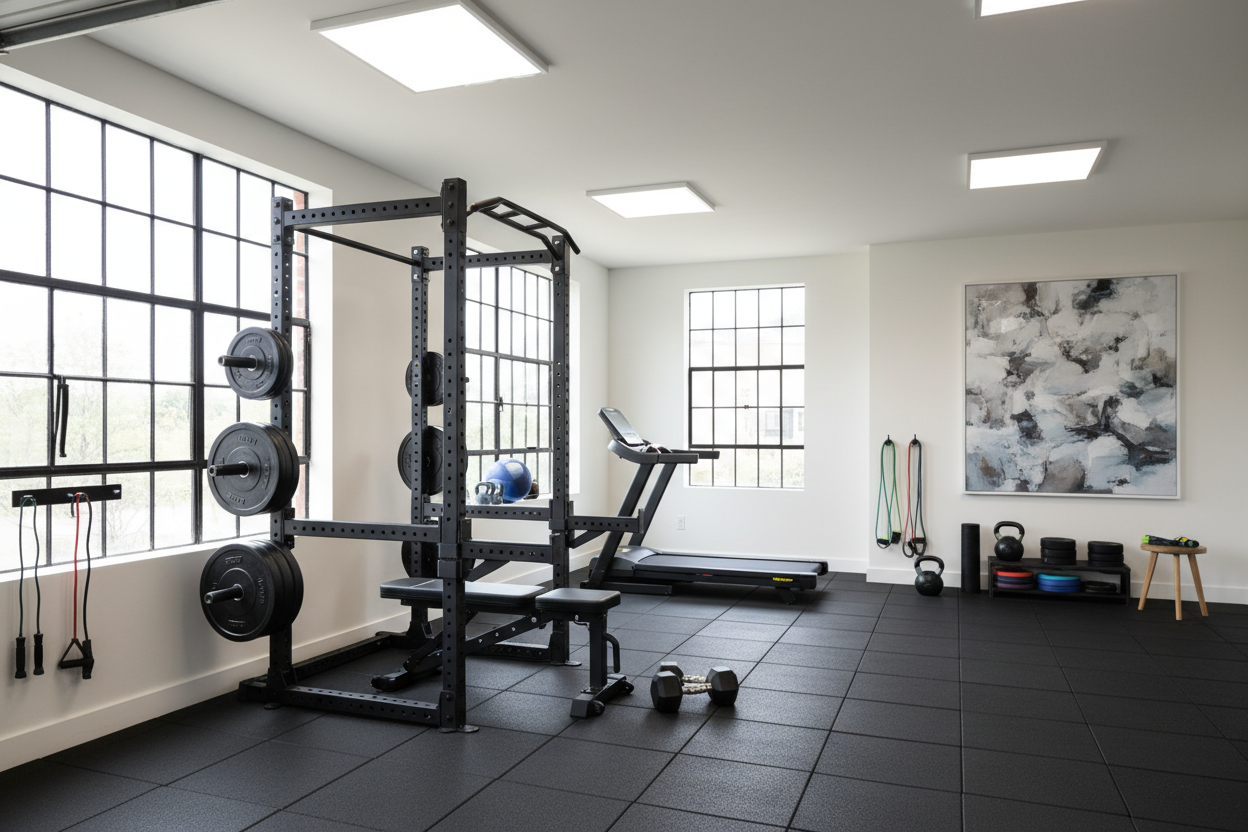
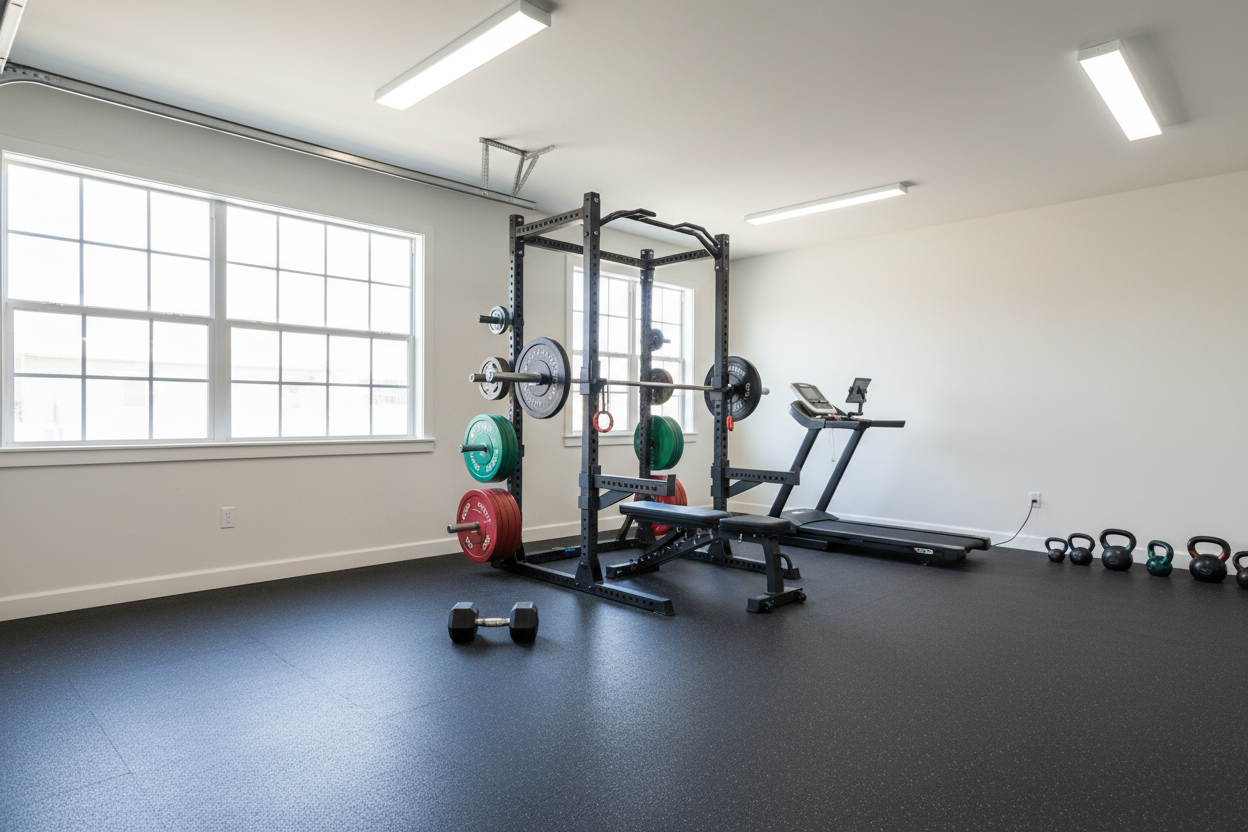
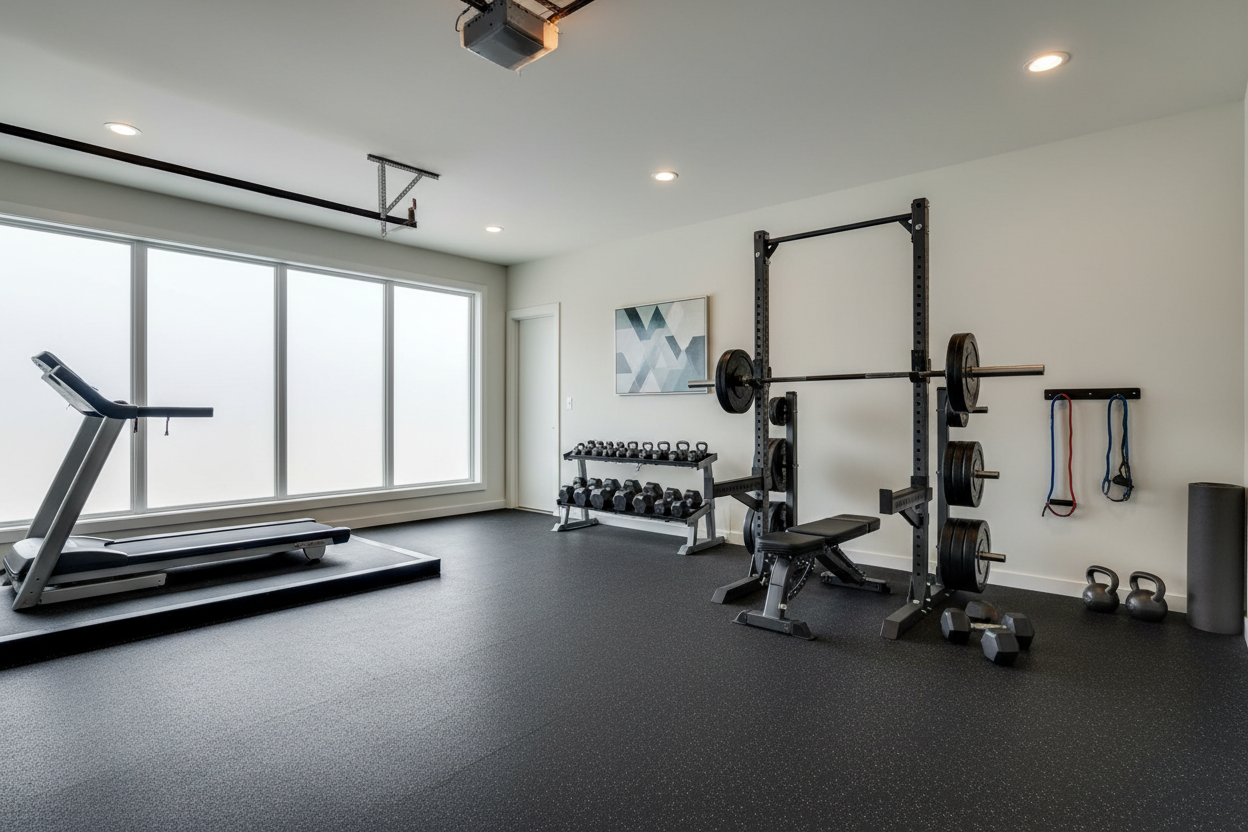
A rack is your insurance policy. I look for 3x3-inch 11-gauge steel with 1-inch or 5/8-inch hardware. When you're re-racking a heavy squat, you want a structure that doesn't shimmy or shake. A flimsy rack is worse than no rack because it gives you a false sense of security.
For most people, a reliable power rack weight bench package is the most logical starting point. Bundling these ensures the bench actually fits between the uprights and stays stable during a heavy press. Look for a bench with at least a 1,000-lb weight capacity—it sounds like overkill until you realize that 'capacity' includes your body weight plus the bar.
When Do Dedicated Weight Machines Actually Make Sense?
I used to be a free-weight elitist, but I've softened. Dedicated weight lifting machines are incredible for two things: hypertrophy (muscle growth) and training around injuries. When you're using a machine, you don't have to worry about balance, which means you can push a muscle to absolute failure safely.
However, unless you have a 2,000-square-foot facility, don't buy a machine that only does one thing. A leg extension machine is great, but it's a massive space-waster in a home gym. If you're going to buy a machine, make it a functional trainer or a high-quality lat pulldown that allows for multiple attachments.
Cables and Functional Trainers: The Versatile Middle Ground
Cables bridge the gap between the raw nature of barbells and the rigid path of machines. The biggest advantage here is constant tension. When you do a bicep curl with a dumbbell, the tension drops off at the top of the movement. With a cable, that weight is pulling against you through the entire arc.
In a tight garage setup, a wall-mounted cable tower is a massive win. It takes up about one square foot of floor space but replaces an entire rack of dumbbells for accessory work like face pulls, tricep extensions, and cable crossovers.
How to Audit Your Own Setup (And What to Buy Next)
Before you buy another piece of gear, look at your current types of weight training equipment and ask: 'What lift am I currently unable to do safely?' If you can't squat safely, buy a rack. If you can't do pull-ups, buy a bar. If you have the basics, look for a tool that provides a different stimulus, like a kettlebell or a sandbag.
My Honest Mistake
I once bought a 'bargain' adjustable dumbbell set that used a dial system. It felt great for three months. Then, I dropped one from about six inches off the ground. The internal plastic gears shattered, and the dumbbell became a permanent 50-lb paperweight. I learned that in the world of iron, 'moving parts' are often 'breaking parts.' Now, I stick to solid steel or heavy-duty loadable handles.
FAQ
Is iron or rubber better for plates?
Iron is cheaper and sounds better, but it's loud and can crack your floor. Rubber bumpers are essential if you lift in a garage or do any movements where the bar might hit the ground.
Do I really need a power rack?
If you're lifting alone, yes. The safety pins or spotter straps are the only things that will keep a failed bench press from crushing your chest.
What's the first thing a beginner should buy?
A pair of adjustable dumbbells. They allow for the widest variety of movements in the smallest footprint before you commit to a full rack and barbell setup.