I Stopped Heavy Bodybuilding Weight Lifting and Finally Grew
I spent three years in my garage trying to out-lift my own anatomy. I thought that if the bar wasn't bending, the muscles weren't growing. I’d stagger out to my rack at 6:00 AM, load up four plates, and grind out 'reps' that were mostly momentum and lower back prayer. My joints felt like they’d been through a rock tumbler, but my t-shirts weren't getting any tighter.
The reality check hit when I realized my bodybuilding weight lifting sessions had turned into a mediocre powerlifting meet. I was moving the weight from point A to point B, but my chest and quads were barely along for the ride. I had to kill my ego to actually start looking like I lifted.
Quick Takeaways
- Muscle growth is about internal tension, not just moving external load.
- Lowering the weight by 20% often leads to better hypertrophy by removing momentum.
- Control the eccentric (the lowering phase) to trigger more muscle fiber damage.
- Safety equipment like spotter arms is non-negotiable when training to failure alone.
The Difference Between Moving Weight and Building Muscle
There is a massive chasm between being a 'weight mover' and a 'muscle builder.' If you’re training for strength, the goal is efficiency—using every trick in the book to get that bar up. But weight lifting for bodybuilding is the exact opposite. It’s about being inefficient. You want to make the movement as hard as possible for the target muscle.
In a garage gym, it’s easy to get sucked into the numbers. You’re alone, you’re looking at your logbook, and you want to see that 5-lb jump every week. But if that 5-lb jump comes at the expense of a shortened range of motion or a 'hitch' in your form, you didn't get stronger—you just got better at cheating.
Why Your Garage Gym Ego Is Your Worst Enemy
We’ve all been told that progressive overload is the holy grail. It is, but we’ve misinterpreted it. Adding weight is just one way to overload. Improving your mind-muscle connection, slowing down your tempo, and increasing the time under tension are arguably more important for bodybuilding lifting.
When I dropped my working sets by 40 or 50 pounds, I felt embarrassed for about two minutes. Then I felt a pump so intense I could barely reach back to rack the bar. If you have a solid foundation of equipment for weight lifting, you don't need to keep buying more plates to see progress. You just need to make the plates you have feel twice as heavy through better execution.
The Bench Press Wake-Up Call
The bench press is where most garage gym lifters lose their way. I used to be the guy bouncing the bar off my sternum, using the 'trampoline effect' to get through the hardest part of the lift. My front delts were huge, my elbows were inflamed, and my chest was non-existent.
I fixed it by switching to a 'dead stop' style. I lowered the weight, paused for a full second on my chest, and focused on squeezing my elbows together. To do this safely, you need a stable, zero-wobble surface. A cheap, thin bench will shift under your shoulder blades, ruining your stability. Using something like a Gxmmat adjustable weight bench gives you that 1000-lb capacity rock-solid feel, so you can actually focus on the pec contraction instead of wondering if the frame is going to fold.
Setting Up Your Rack for Maximum Tension
True bodybuilding lifting requires you to take sets close to mechanical failure. In a commercial gym, you have a spotter. In a garage, you have your integrity and your safety gear. If you’re scared of getting pinned, you’ll subconsciously cut your reps short or avoid the deep stretch where growth actually happens.
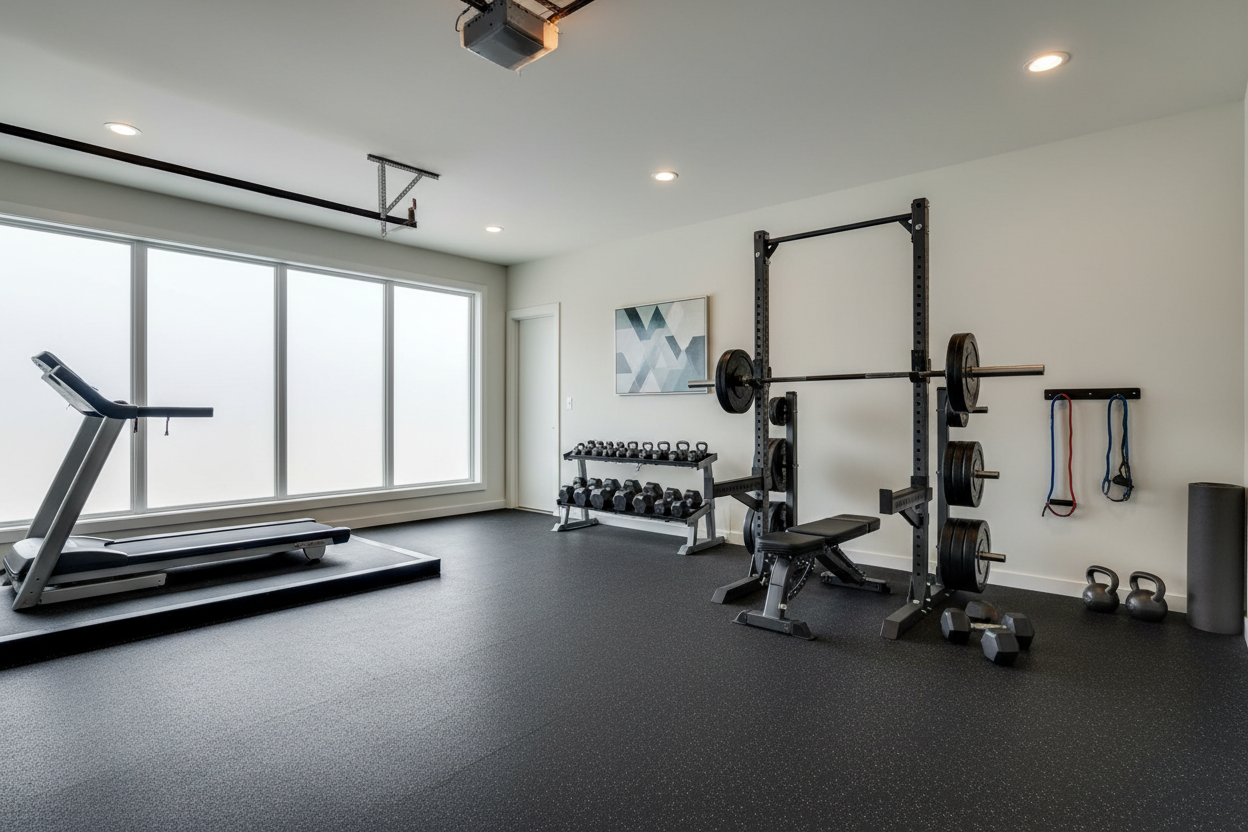
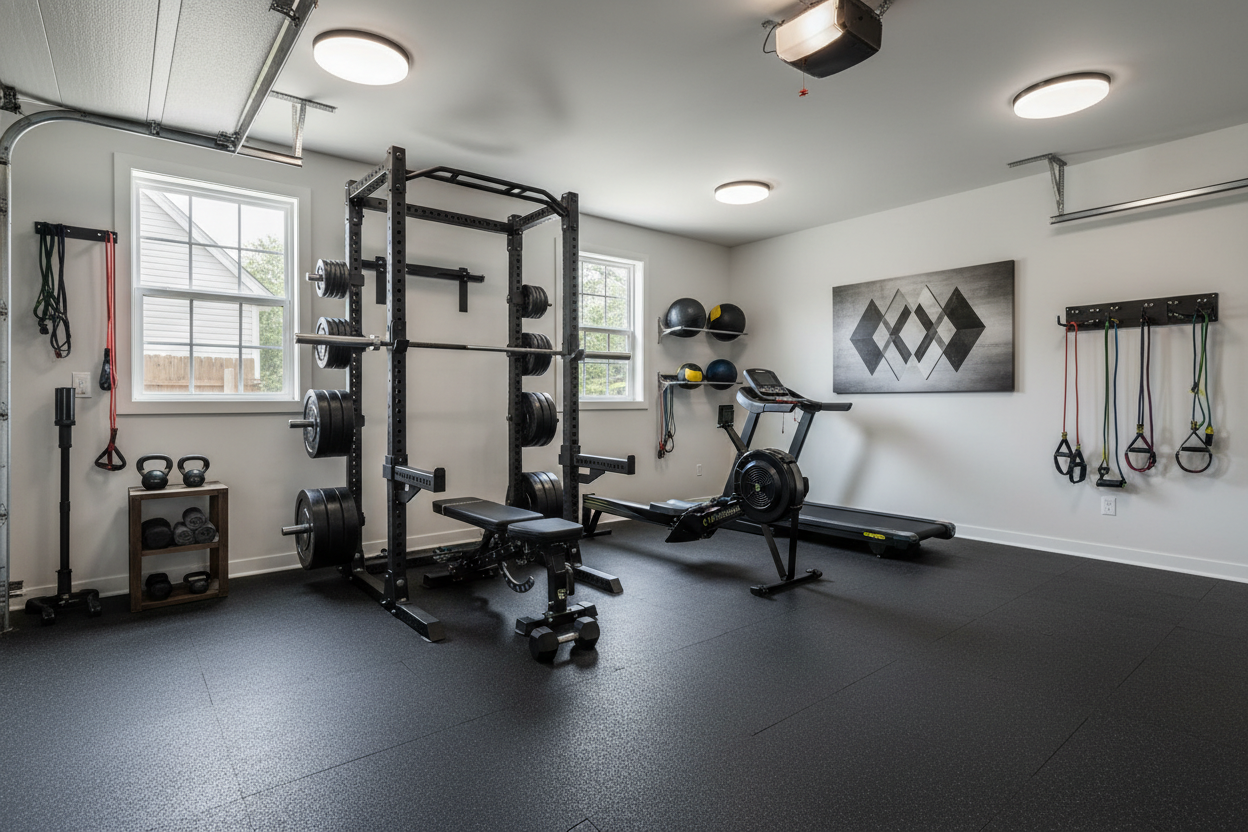
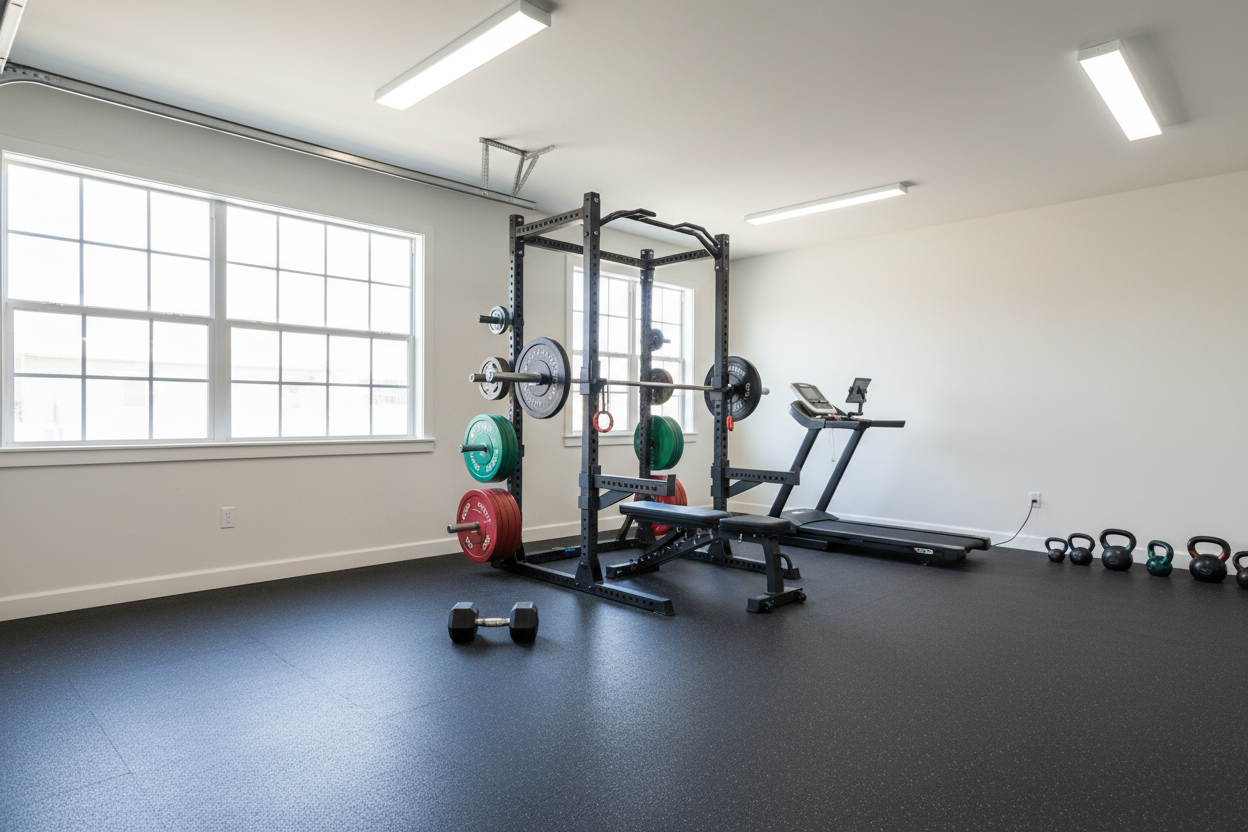
I eventually upgraded to a full power rack weight bench package because I needed the safety arms. Being able to set the pins just an inch below my chest on a press or at the bottom of a squat changed my intensity overnight. I could finally push into that 'dark place' where the muscle fibers actually start to give up, knowing I wasn't going to end up in the ER. If your rack doesn't have 11-gauge steel and reliable safeties, you're leaving gains on the table because you're playing it too safe.
Reprogramming Your Mind for True Bodybuilding Lifting
Stop chasing the 1-rep max. Start chasing the 'how did that feel?' metric. If you do 10 reps of a lateral raise and your side delts aren't screaming, the weight was too heavy and your traps did the work. It's that simple.
While I love a good set of dumbbells, don't sleep on the stability that comes with modern weight lifting machines or high-quality cable setups. They remove the need for stabilization, allowing you to pour 100% of your focus into the muscle contraction. But even with a basic barbell, if you master the 'internal' side of the lift, you’ll grow faster than the guy ego-lifting twice your weight next door.
Personal Experience: The Day I Almost Died
I once tried to squat 365 for a triple in my garage without spotter arms. On the third rep, I hit a sticking point, my hips shot up, and I was folded like a lawn chair. I had to dump the bar over my head, which took a chunk out of my concrete floor and nearly snapped my wrists. I wasn't training for growth; I was training for a ghost audience. After that, I stripped the bar back to 225, focused on a 4-second eccentric, and my legs grew more in two months than they had in two years of 'heavy' training.
FAQ
Is heavy lifting bad for bodybuilding?
Not at all, but 'heavy' is relative. It should be the heaviest weight you can handle while maintaining perfect tension on the target muscle. If other muscles start taking over, it's too heavy for bodybuilding purposes.
How do I know if I have a good mind-muscle connection?
If you can 'flex' the muscle during the movement and feel it cramping or burning specifically in the target area, you've got it. If you just feel 'generally tired' or have joint pain, you're likely just moving weight.
Do I need a power rack for bodybuilding?
You need a way to fail safely. Whether that's a full power rack or a high-quality squat stand with spotter arms, safety is what allows you to train with the intensity required for hypertrophy.