Confused by the Weight Room? Here’s Every Piece of Equipment You Need to Know
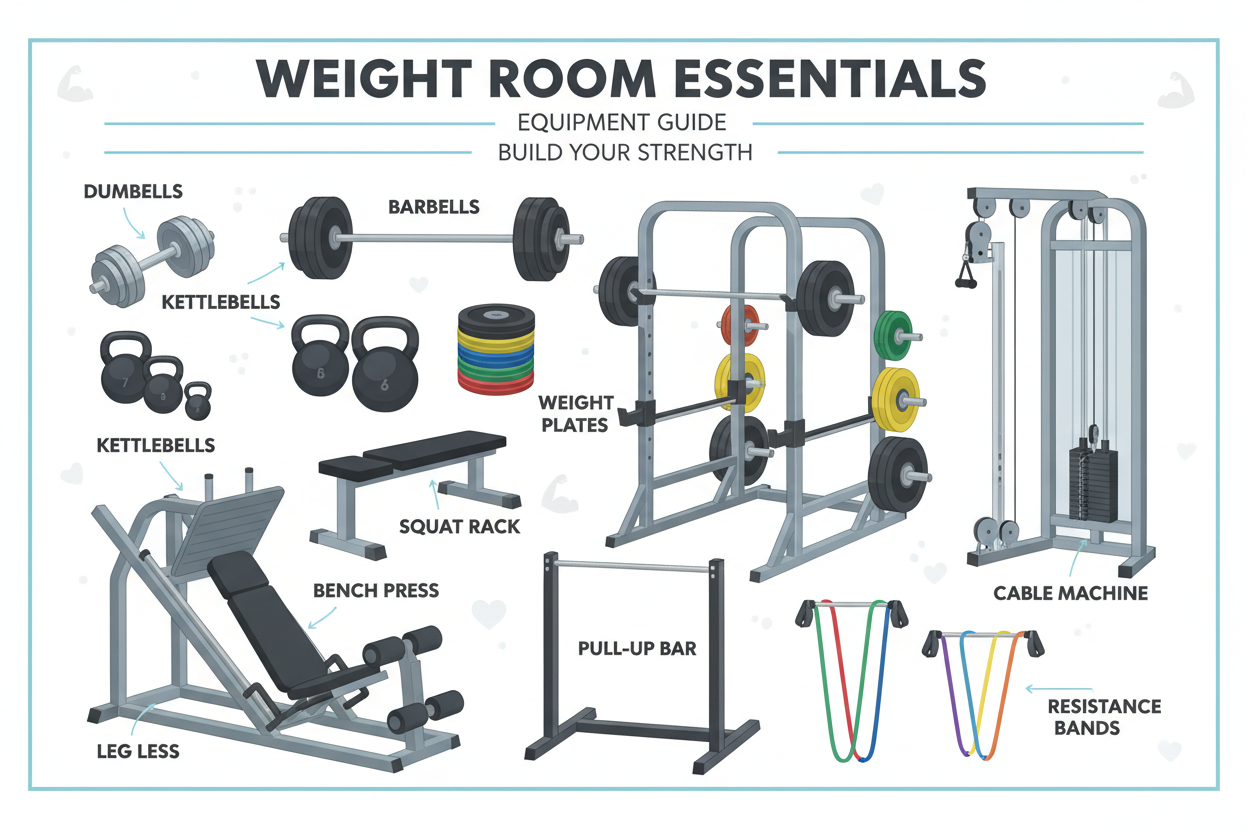
Walking into a fitness center for the first time often feels like stepping onto an alien planet. You are surrounded by clanking metal, complex pulley systems, and racks of heavy objects that look somewhat similar but serve entirely different purposes. If you are trying to figure out the landscape, the answer is simpler than it looks. Broadly speaking, the equipment falls into two main categories: free weights and machines. Free weights include dumbbells, barbells, and kettlebells which require you to stabilize the load, while machines guide your movement through a fixed path.
Understanding the specific tools at your disposal is the fastest way to kill "gymtimidation." Knowing the difference between a bumper plate and a cast-iron plate, or a selectorized machine and a plate-loaded one, changes your workout from a guessing game into a strategic session. Let's break down the different weights at the gym so you can grab the right gear for your goals.
The Hierarchy of Free Weights
Free weights are the gold standard for building strength because they force your body to balance the load, engaging more muscles than just the target group. When people search for types of weights for lifting, they are usually looking for these staples.
Dumbbells: The Versatile Classic
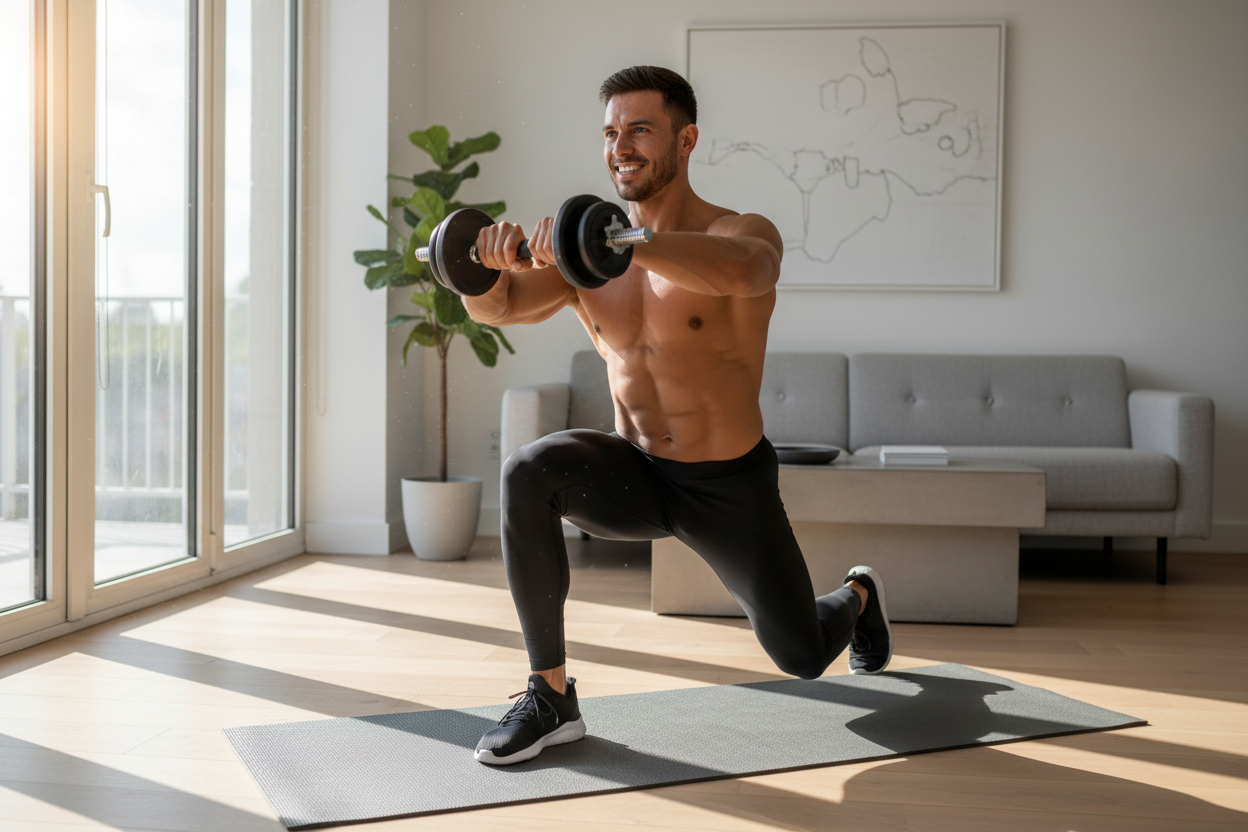
You will find these in almost every facility on earth. Dumbbells are handheld weights that allow for a massive range of motion. Because you hold one in each hand, they are excellent for fixing muscle imbalances—your strong side can't help your weak side lift the weight. Among the types of weights names you'll encounter here are "hex dumbbells" (which have hexagonal rubber heads to stop them from rolling away) and adjustable dumbbells, which are more common in home gyms but appear in smaller studios.
Barbells: For Moving Maximum Load
If your goal is raw strength, the barbell is your best friend. This is a long metal bar that holds weight plates on either end. The most common version is the Olympic barbell, which weighs 45 lbs (20 kg) and is roughly 7 feet long. You use these for compound movements like squats, deadlifts, and bench presses.
You might also see shorter, angled bars known as EZ Curl bars. These are designed specifically to reduce wrist strain during bicep curls and tricep extensions. They are distinct types of workout weights designed for isolation rather than heavy, full-body lifting.
Kettlebells
Looking like a cannonball with a handle, the kettlebell offers a different center of gravity compared to a dumbbell. The weight hangs below your hand, making it ideal for ballistic, swinging movements. This is one of the best kinds of weights for bridging the gap between strength training and cardio. Exercises like the kettlebell swing or snatch skyrocket your heart rate while building posterior chain strength.
Understanding Weight Plates
Once you grab a barbell, you need to load it. However, not all circles of heavy metal are created equal. The weights in a gym rack generally fall into two categories.
Iron Plates: These are the old-school, clanking discs you hear in classic bodybuilding gyms. They are durable and thinner than their counterparts, allowing you to fit more weight on the bar. However, they are unforgiving if dropped.
Bumper Plates: Usually made of dense rubber, these plates are designed to be dropped safely from overhead. If you are training in a Crossfit box or doing Olympic lifting, these are the types of gym weights you will use. They are all the same diameter regardless of weight (a 10lb plate is the same size as a 45lb plate), which helps with starting position consistency.
My Experience With the "Smith Machine" Trap
I remember my first year lifting, I was terrified of the squat rack. I didn't want to fall over or look foolish, so I gravitated toward a large apparatus that looked like a barbell but was attached to vertical rails. This was the Smith Machine. I spent months loading heavy different types of weights onto it, thinking I was building a massive squat. It wasn't until I finally tried a free-weight barbell that I realized I had zero core stability. The machine had been doing all the balancing for me. While the Smith Machine has its place for hypertrophy, confusing it with a free weight was a mistake that set my functional strength back by months. It taught me that knowing your equipment is just as important as lifting it.
Machines: Fixed and Loaded
Machines are not inferior to free weights; they just serve a different purpose. They are excellent for isolating muscles and training safely without a spotter. When categorizing weight types gym floors offer, you will usually see two distinct mechanical styles.
Selectorized (Pin-Loaded) Machines
These are the most user-friendly different types of weights for workout beginners. You sit down, adjust the seat, and insert a pin into a stack of rectangular weights to select your resistance. They are incredibly convenient for circuit training because changing the load takes two seconds. If you see a row of machines with weight stacks, these are pin-loaded.
Plate-Loaded Machines
These bridge the gap between machines and free weights. You won't find a weight stack here. Instead, there are pegs where you manually load standard weight plates—the same ones you put on a barbell. Brands like Hammer Strength are famous for this. These different types of weights in gym settings allow for a more natural curve of motion than pin-loaded machines and can typically handle much heavier loads, making them favorites among bodybuilders.
Specialty and Functional Weights
Beyond the racks and machines, modern gyms are filled with different weights at the gym that don't fit the standard mold. These are often found in the "functional" or turf area.
- Medicine Balls: Ranging from small, bouncy rubber balls to large, soft "wall balls," these are used for throwing and catching exercises to build explosive power.
- Sandbags: These shift as you lift them, forcing your stabilizers to work overtime. They are distinct types of weights that mimic real-world lifting scenarios, like carrying groceries or moving furniture.
- Cable Machines: While technically a machine, the cable pulley allows for freedom of movement similar to free weights. You can attach different handles to the cable, providing constant tension on the muscle throughout the rep.
Choosing the Right Tool
Navigating the different types of gym weights comes down to your goal for the day. If you want to build maximum total-body strength and coordination, prioritize the types of free weights like barbells and dumbbells. If your goal is to safely push a specific muscle to failure without worrying about dropping a weight on your foot, pin-loaded or plate-loaded machines are your best bet. Most successful training programs utilize a mix of these different weights to get the benefits of stability, isolation, and raw power.
Frequently Asked Questions
What is the difference between standard and Olympic weights?
The main difference is the hole size and load capacity. Olympic weights have a 2-inch center hole and fit on thick Olympic bars, which can handle heavy loads. Standard weights have a smaller 1-inch hole, are typically lighter, and are mostly found in budget home gym setups rather than commercial facilities.
Why are some dumbbells rubber while others are metal?
Rubber-coated dumbbells (often hexagonal) are designed to reduce noise, protect the gym floor, and prevent rolling. Metal or chrome dumbbells are classic and durable but can be noisy and tough on flooring if dropped. The weight resistance is identical; the difference is purely in durability and user experience.
Should beginners start with machines or free weights?
Beginners should ideally use a mix of both. Machines help you learn the movement pattern and build base strength safely, while free weights teach necessary coordination and core stability. Starting with machines to build confidence and slowly incorporating dumbbells or goblet squats is a great strategy.