What a Usable Strength Exercises PDF Actually Looks Like
I recently downloaded a 'free' workout guide that promised to build a massive total. By page forty-two, I still hadn't seen a single barbell. It was mostly stock photos of people smiling at salads and a six-page manifesto on 'mindset.' When you are standing in a cold garage at 6:00 AM, you don't need a lifestyle coach; you need a clear, concise strength exercises pdf that tells you what to lift and how heavy to go.
The fitness industry has a bloat problem. They think more pages equals more value, but in the gym, more pages just means more scrolling with chalky thumbs. A real program should fit on a single sheet of paper that can survive being stepped on or splashed with sweat.
- One page is the gold standard for a daily session.
- Clear columns for weight, reps, and RPE are mandatory.
- The big compound movements must always come first.
- Analog tracking (pen and paper) destroys digital apps for focus.
The 50-Page Lead Magnet Epidemic
Most downloadable fitness programs are designed to capture your email address, not to help you hit a PR. They are packed with filler—recipes for overnight oats, 'inspirational' quotes from the 1970s, and detailed explanations of why hydration matters. If I'm looking for a workout, I already know I need to drink water.
These bloated ebooks are a nightmare to use on the floor. You spend half your rest period swiping through fluff just to remember if you’re supposed to do three sets or five. A functional document strips all that away. It treats your time like the finite resource it is. If a program requires more than two pages to explain the actual lifting, it’s probably over-programmed or poorly thought out.
The Anatomy of a Gym-Ready Printout
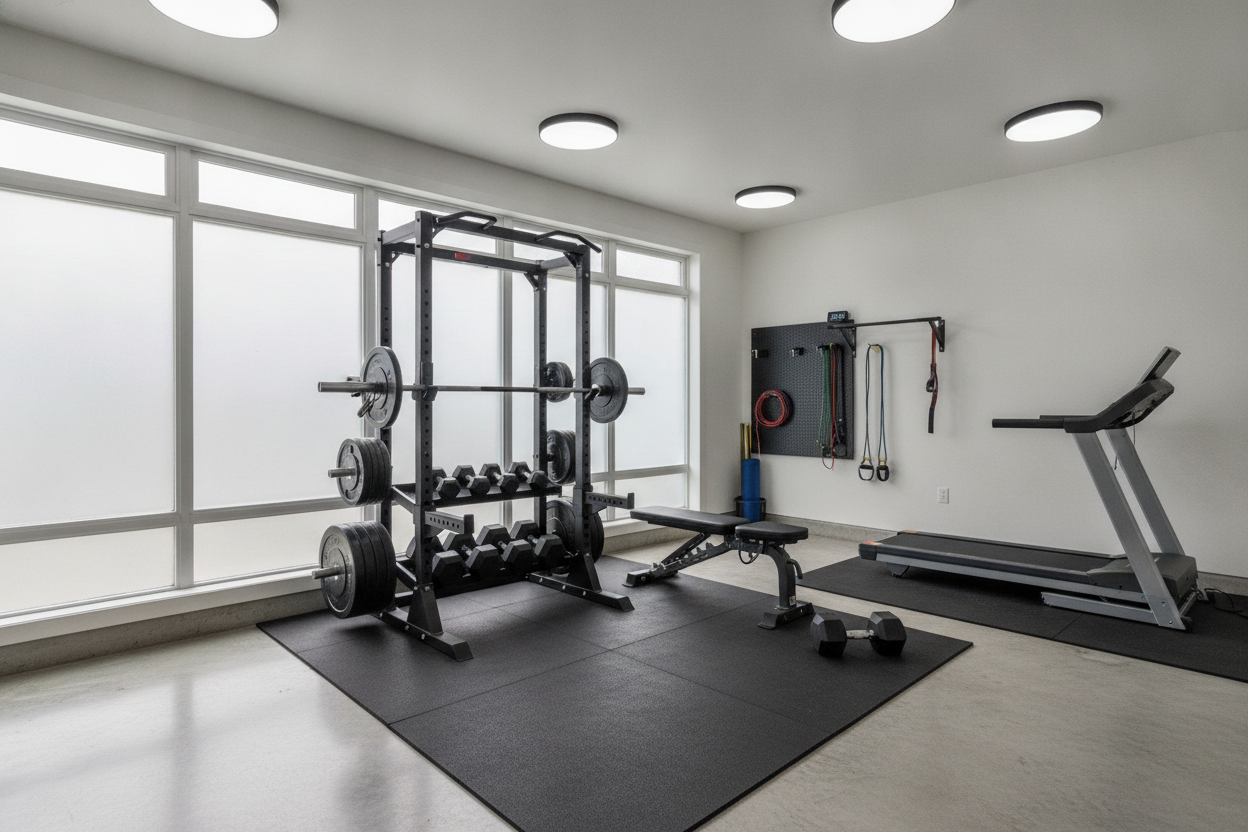
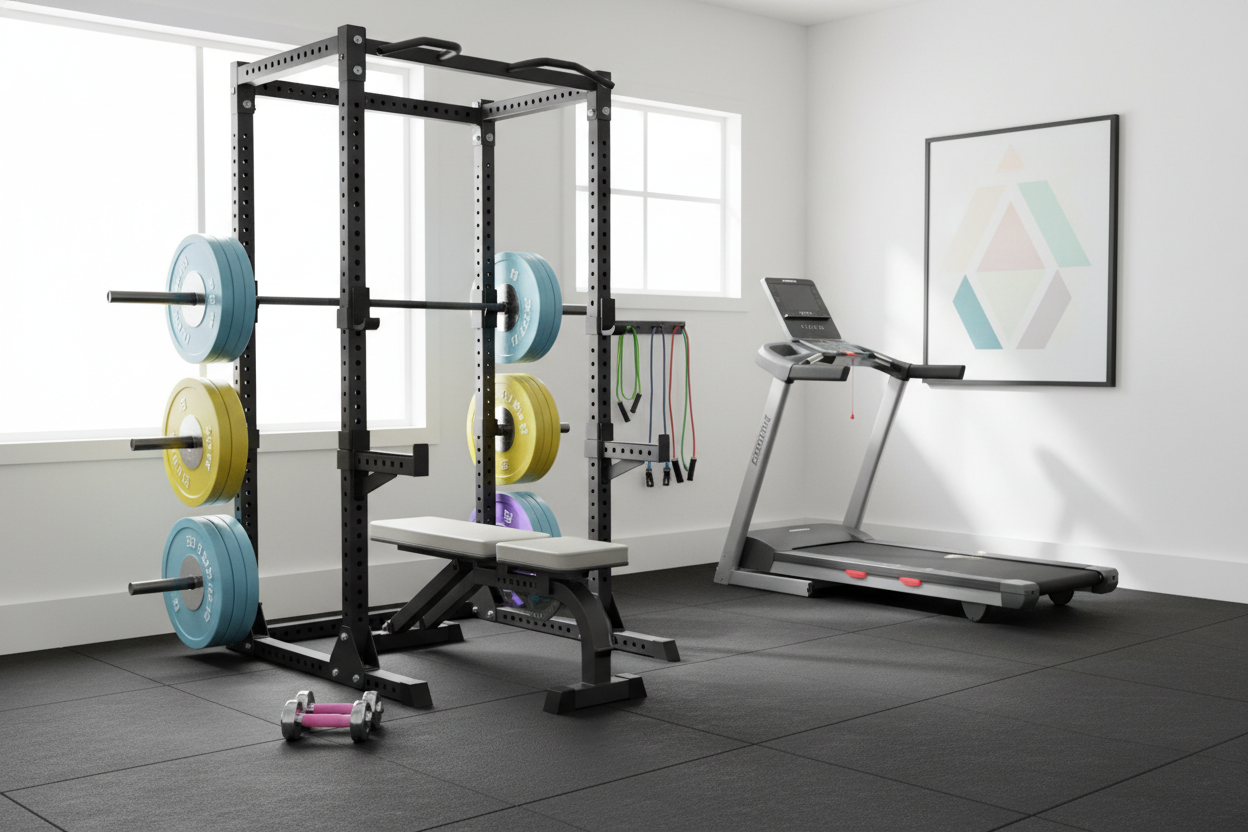
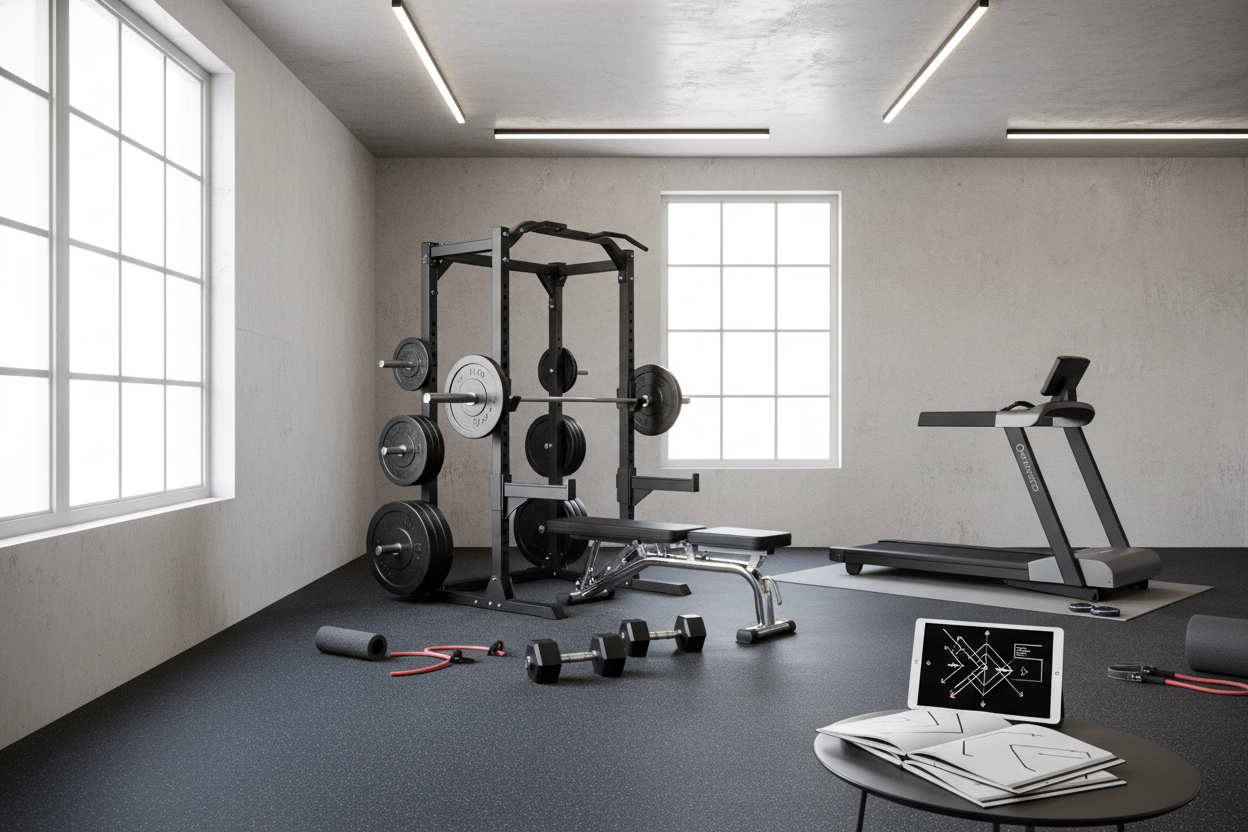
A usable template needs a specific hierarchy. At the very top, you need a section for the Strength Equipment required for that specific block. There is nothing worse than getting halfway through a session only to realize the author programmed a GHD raise when you’re working out in a shed with nothing but a rack and a bench.
The grid itself needs to be spacious. I don't want tiny cells that require architectural drafting skills to fill in. Give me wide rows where I can scribble 'felt heavy' or 'bar path felt off.' You also need a dedicated column for RPE (Rate of Perceived Exertion). Since your strength fluctuates based on sleep and stress, having a target intensity is more useful than a rigid, pre-calculated weight that might be impossible today.
Prioritizing the Big Lifts on Paper
Your document should be top-heavy. The primary compound movements—squats, deadlifts, and presses—should occupy the most real estate at the top of the page. This ensures you are focusing your highest CNS energy on the movements that actually move the needle. If you are Mastering Compound Chest Exercises For Maximum Strength, your log should reflect that priority with plenty of space to track your warm-up sets and top sets for the bench press.
Structuring it this way creates a psychological roadmap. You see the hardest work first, and as you move down the page, the complexity of the movements decreases. By the time you reach the bottom of the sheet, you’re just checking off boxes for accessory work while your brain is already starting to check out.
Condensing the Accessory Fluff
Isolation work doesn't need its own chapter. On a well-designed sheet, your curls, lateral raises, and tricep extensions should be grouped into compact blocks. Use shorthand like '3x12-15' and leave just enough room for the final weight used. You can find plenty of Proven Chest Exercises To Build Size Strength And Shape that work perfectly as finishers, but they shouldn't distract from the main event.
I prefer grouping accessories into supersets on the page using brackets. It tells me exactly how to flow through the end of my workout without overthinking it. If I have to read a paragraph of text to understand how to do a hammer curl, the PDF has failed me. The goal is to glance at the paper for half a second and immediately know what to grab next.
Why the Clipboard Still Beats the Smartphone
I’ve tried every app on the market, and I always go back to a clipboard. A phone is a distraction machine. You go to log a set of squats and suddenly you're responding to a work email or scrolling through a feed. A piece of paper doesn't have notifications. It just sits there, judging you until you finish the reps.
Treating a clipboard and a solid pen as essential Strength Training Accessories is a move most serious lifters eventually make. There is a tactile satisfaction in physically crossing off a heavy set that a touchscreen can't replicate. Plus, if you drop a 45-lb plate on your paper, you just pick it up. If you drop that same plate on your phone, your training session—and your wallet—are ruined.
My Personal Take
I once tried to run a high-volume powerbuilding program off a 60-page PDF on my phone. I was three weeks in, trying to check my percentage for a heavy triple, when my phone slipped out of my sweaty hand and hit the corner of a cast-iron plate. The screen shattered, and I lost my log for the entire month. Now, I spend five minutes every Sunday printing out my week. It costs pennies, it doesn't break, and I can look back at a physical folder of my progress from three years ago. That's worth more than any app subscription.
FAQ
Do I need a color printer for these?
Absolutely not. High-contrast black and white is better for low-light garages and saves you money on ink. If the PDF relies on color-coding to make sense, it's a bad design.
How do I protect the paper from sweat?
A cheap plastic clipboard or a heavy-duty sheet protector works wonders. I’ve seen guys use magnets to stick their sheets directly to the uprights of their power rack, which keeps it at eye level.
Should I save my old workout sheets?
Yes. Digital data is easy to delete or lose. A physical folder of your old PRs is the best motivation you can have. It’s a literal paper trail of your hard work.