Mastering Compound Chest Exercises for Maximum Strength
Building a strong, well-shaped chest takes more than just random workouts – it requires the right approach, strategic exercise selection, and a focus on multi-joint movements that recruit more muscle fibers. Compound chest exercises are the cornerstone for enhancing upper body size and strength. By training with these lifts, you engage not just your pectorals but also supporting muscles in the shoulders, triceps, and core, leading to greater overall performance.
Why Focus on Compound Chest Exercises?
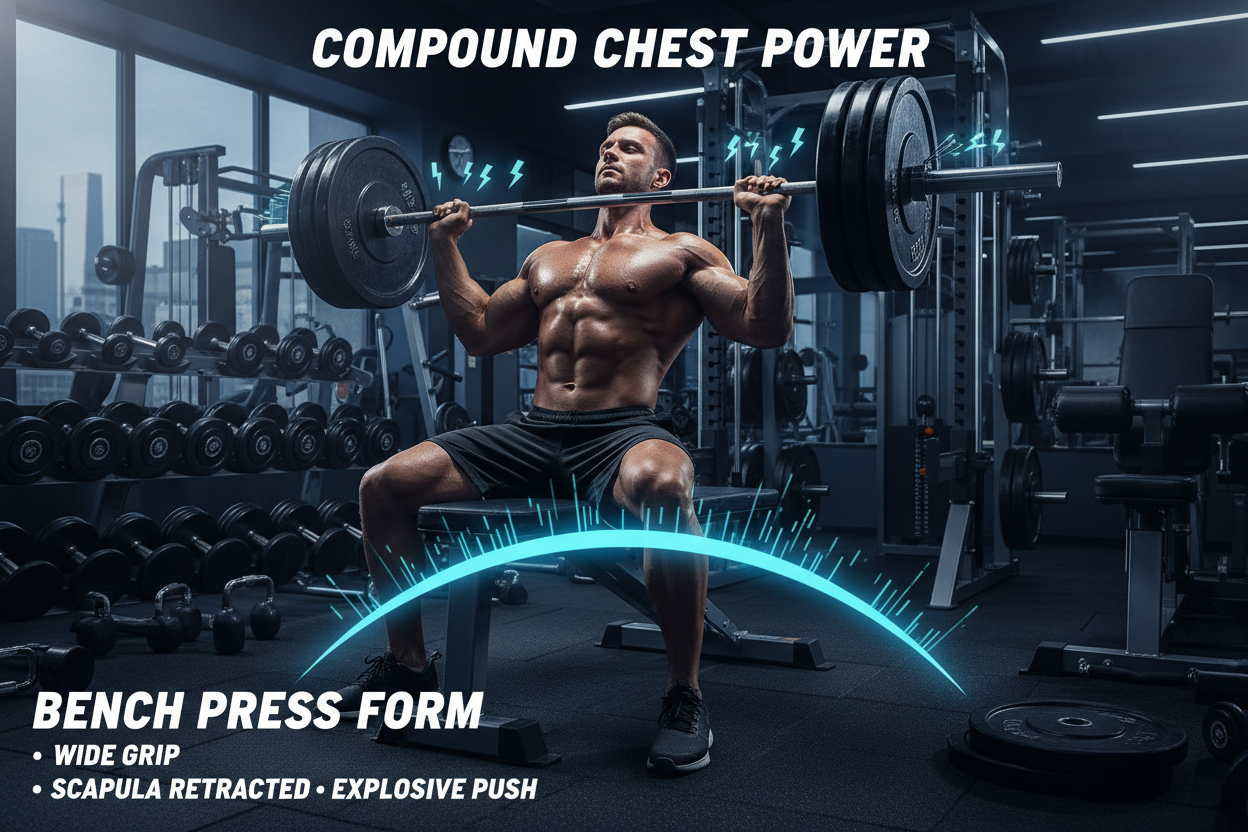
Compound chest exercises involve multiple joints and muscle groups working together. This makes them more efficient than isolation movements, as they allow you to lift heavier, stimulate more muscle growth, and build functional strength. For example, a bench press doesn't just target the chest—your arms and shoulders contribute significantly to the movement, while your core stabilizes your body.
Best Compound Chest Exercises to Include in Your Routine
While there are many variations, certain exercises stand out for their effectiveness. Here's a list many lifters find most beneficial:
- Barbell Bench Press – The classic heavy lift for chest strength and mass.
- Dumbbell Bench Press – Allows a greater range of motion and independent arm movement.
- Incline Barbell Press – Focuses on the upper chest for balanced development.
- Incline Dumbbell Press – A more controlled movement with enhanced muscle stretch.
- Push-Ups – A versatile bodyweight compound chest exercise adaptable to various skill levels.
- Chest Dips – Excellent for targeting the lower part of the chest while heavily engaging the triceps.
Compound Chest Exercises with Dumbbells
Dumbbell movements have a unique advantage: they demand greater stabilization from the chest and surrounding muscles. Exercises such as flat dumbbell presses, incline dumbbell presses, and dumbbell floor presses promote balanced strength and help correct side-to-side imbalances. For beginners, starting with lighter dumbbells ensures proper form, while advanced lifters can progress in weight.
Creating an Effective Compound Chest Workout
An efficient routine should incorporate 3–4 compound lifts, performed 2–3 times per week depending on recovery. Here’s a sample compound chest workout:
- Barbell Bench Press – 4 sets of 6–8 reps
- Incline Dumbbell Press – 3 sets of 8–10 reps
- Chest Dips – 3 sets to failure
- Weighted Push-Ups – 3 sets of 12 reps
Always warm up thoroughly to prepare your muscles and joints. Pay attention to progressive overload, gradually increasing the weight or reps over time to stimulate continuous growth.
Chest Compound Movements vs. Isolation Work
Compound movements for the chest offer more bang for your buck compared to isolation exercises like cable flyes or pec deck. However, isolation work can complement heavier lifts by improving muscle definition and addressing weak points. A well-rounded chest program often blends both, with compound lifts forming the foundation.
Personal Experience and Practical Tips
From my own training journey, incorporating compound lifts for chest changed not just my strength levels, but also my athletic performance. Initially, I relied too much on machines, gaining some size but lacking functional pressing power. Once I focused on barbell and dumbbell compound lifts, my bench numbers rose steadily, and everyday pushing tasks felt easier. The extra engagement of stabilizers also improved my shoulder health. I recommend tracking every workout, ensuring consistent progression, and maintaining proper form under heavier loads.
Safety and Recovery Considerations
Compound lifts for chest require proper technique to avoid strain, especially on the shoulders. Keep your shoulder blades retracted, wrists straight, and avoid excessive flaring of the elbows. Recovery is just as important as the workout—allow at least 48 hours before targeting the same muscle group and ensure sufficient sleep and nutrition to promote adaptation.
Final Thoughts
Whether your goal is raw strength or a well-developed chest, compound chest exercises should be at the core of your training. Their ability to engage multiple muscle groups efficiently makes them ideal for building both power and size. By intelligently selecting and performing compound chest movements, especially with variations using dumbbells and bars, you set yourself up for consistent progress and a stronger upper body.