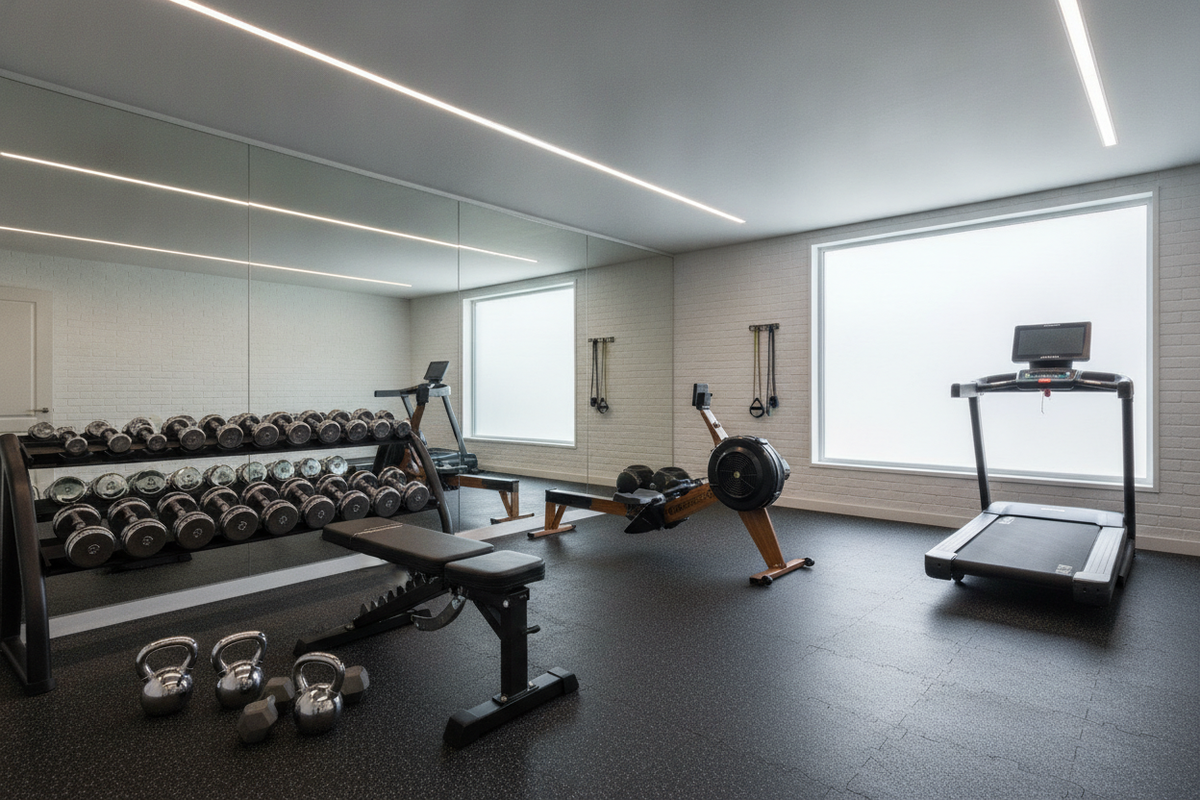
Weight Bench Leg Exercises: 5 Movement Blueprints, Elevation Mechanics, and Floor Mat Staging
Biomechanical Advantages of Weight Bench Leg Exercises
While many athletes view the flat or adjustable bench strictly as a platform for pressing and upper-body routines, using this equipment for lower-body training introduces distinct mechanical advantages. Incorporating weight bench leg exercises into a training regimen alters loading vectors, introduces elevation changes, and challenges unilateral stabilization without requiring massive axial loads on the spine.
Elevation allows lifters to move joints through deeper, controlled ranges of motion compared to standard floor-based drills. By elevating one foot on a stable surface from a dependable weight bench collection, the working limb must manage balance across all three planes of motion. This setup demands coordinated stabilization from the hip abductors, adductors, and core musculature. Performing leg workouts with weight bench equipment also provides a measurable depth target, ensuring consistent movement standards across repetitions and sets.
Furthermore, dedicating time to a structured legs bench exercise routine minimizes unnecessary lower-back fatigue. When unilateral loading replaces heavy bilateral loading, you can achieve substantial muscular stimulus in the quadriceps, hamstrings, and glutes while keeping the total compressive load on the lumbar region relatively modest.
5 Essential Bench Leg Exercises and Movement Blueprints
To maximize results and maintain strict joint alignment, execute each movement with deliberate control and consistent tempo. For a comprehensive overview of multi-purpose bench drills, you can also explore our broad weight bench exercise guide alongside these lower-body routines.
1. Bulgarian Split Squat (Rear-Foot-Elevated Split Squat)
The Bulgarian split squat stands as a cornerstone leg bench workout movement for single-leg strength and hip mobility. By elevating the rear foot onto the bench pad, the primary load shifts almost entirely to the lead leg.
- Setup and Positioning: Stand approximately two to three foot-lengths in front of the bench. Place the top of your rear foot flat on the bench pad or rest on your toes depending on ankle comfort. Keep the pelvis squared forward.
- Descent: Lower your hips downward and slightly backward until the front thigh approaches parallel with the floor. Maintain a neutral spine and an engaged core.
- Torso Angle Strategy: Maintaining a vertical torso shifts emphasis toward the lead quadriceps, whereas a slight forward torso hinge—keeping the spine neutral—places greater tension onto the glutes and hamstrings. Pair these variations with advice from our legs leg exercise guide to protect the lower back.
- Ascent: Drive firmly through the whole front foot, emphasizing midfoot and heel contact, to return to the top position without locking the knee aggressively.
2. Bench Hip Thrust and Glute Bridge Variations
The bench hip thrust offers a horizontal loading vector that produces strong glute activation at terminal hip extension. This bench leg workout fundamental provides an effective bridge between bodyweight activation and heavy barbell loading.
- Pivot Setup: Sit on the floor with your upper back resting against the long edge of the bench. The bench edge should sit directly beneath the lower border of your shoulder blades (scapulae).
- Foot Stance: Position your feet flat on the floor, roughly shoulder-width apart, with toes angled slightly outward. At the top of the thrust, your shins should form a vertical line perpendicular to the floor.
- Execution: Drive through the heels to extend the hips upward, maintaining a chin-tucked position and a neutral ribcage. Squeeze the glutes firmly at the apex, pause momentarily, and lower the hips back toward the floor under control.
3. Step-Up and Deceleration Step-Down
Step-ups on a bench develop unilateral power, hip extension, and eccentric knee control. When approaching weight bench exercises for legs, the eccentric descent is just as crucial as the upward drive.
- Concentric Phase: Place your entire foot securely on the bench pad. Lean slightly forward at the hip and drive through the lead heel to rise onto the bench. Minimize any pushing off with the trailing foot on the ground.
- Deceleration Phase: Slowly hinge at the hip and bend the working knee to lower the trailing foot back to the floor in a controlled descent lasting two to three seconds. Avoid letting the foot slam into the floor.
4. Single-Leg Bench Squat (Pistol Box Squat)
The single-leg box squat utilizes the bench surface as a depth guide, allowing lifters to train unilateral knee flexion and hip stability without collapsing at the bottom of the movement. This makes it an essential bench workout legs drill for developing balanced leg strength.
- Setup: Stand facing away from the short edge of the bench on one leg, extending the opposite leg forward for balance.
- Descent: Reach your hips backward and bend the supporting knee, descending under control until your glutes lightly contact the bench pad. Avoid rocking backward or relaxing your core musculature.
- Drive: Keep the chest proud, press through the grounded foot, and ascend to full hip extension.
5. Bench Hamstring Slider and Elevation Curls
Targeting the posterior chain without dedicated machines can be challenging in a home gym. Using the bench for elevated bridge curls provides a focused leg workouts on bench alternative that emphasizes hamstring engagement across both the hip and knee joints.
- Setup: Lie supine on a floor mat with your heels resting on the edge of the bench pad, knees bent at approximately ninety degrees.
- Movement: Lift your hips into a bridge position by engaging the glutes and hamstrings. For an added challenge, perform isometric holds or transition into single-leg elevated bridges, keeping the pelvis level throughout.
Home Gym Staging: Bench Anchoring, Subfloor Protection, and Mat Friction
Executing dynamic unilateral drills like step-ups, split squats, and hip thrusts produces significant lateral and vertical forces. If a weight bench sits on bare concrete, slick hardwood, or thin carpeting, the feet of the bench can slide during transitions, compromising stability.
To establish a secure workout zone, place the bench on a high-density exercise workout product. A firm, non-slip textured mat offers critical mechanical benefits:
- Frictional Stability: High-grip surface textures keep both the bench frame and your planted footwear from shifting horizontally during heavy thrusts and explosive step-ups.
- Force Dispersion: Dense rubber or composite foam absorbs dynamic ground impacts, protecting hardwood, tile, and concrete subfloors from point-load damage caused by bench legs.
- Joint Cushioning: Stepping down from bench height onto a resilient, supportive mat cushions the joints of the lower body during high-repetition conditioning circuits.
Structuring Your Bench Leg Training Session
A well-balanced weight bench leg workouts routine should balance quad-dominant, hip-dominant, and posterior chain movements. Below is a structured template suitable for home gym training:
- Primary Compound (Quad / Hip): Bulgarian Split Squats — 3 to 4 sets of 8 to 12 repetitions per leg.
- Horizontal Hip Extension (Glutes): Bench Hip Thrusts (Barbell, Dumbbell, or Banded) — 3 to 4 sets of 10 to 15 repetitions.
- Unilateral Strength & Balance: Single-Leg Bench Box Squats or Step-Ups — 3 sets of 8 to 10 repetitions per leg.
- Posterior Chain Finisher: Elevated Hamstring Bridges or Holds — 3 sets of 12 to 15 repetitions or timed holds.
Equipment Care, Surface Maintenance, and Long-Term Stability
Regular maintenance ensures that your training station remains safe and functional over time. Inspect your weight bench periodically to confirm that all adjustment pins, pivot bolts, and frame welds are snug and free of play. When performing step-ups, place your foot centrally over the frame support rather than on the extreme edges of the pad to prevent unnecessary torque on the mounting hardware.
Keep the bench upholstery and your protective flooring clean by wiping them down with a mild detergent solution after sweaty sessions. Removing chalk, dust, and perspiration preserves the frictional properties of your gym mat and extends the lifespan of the synthetic bench leather, ensuring dependable footing and stability for every lower-body workout.