
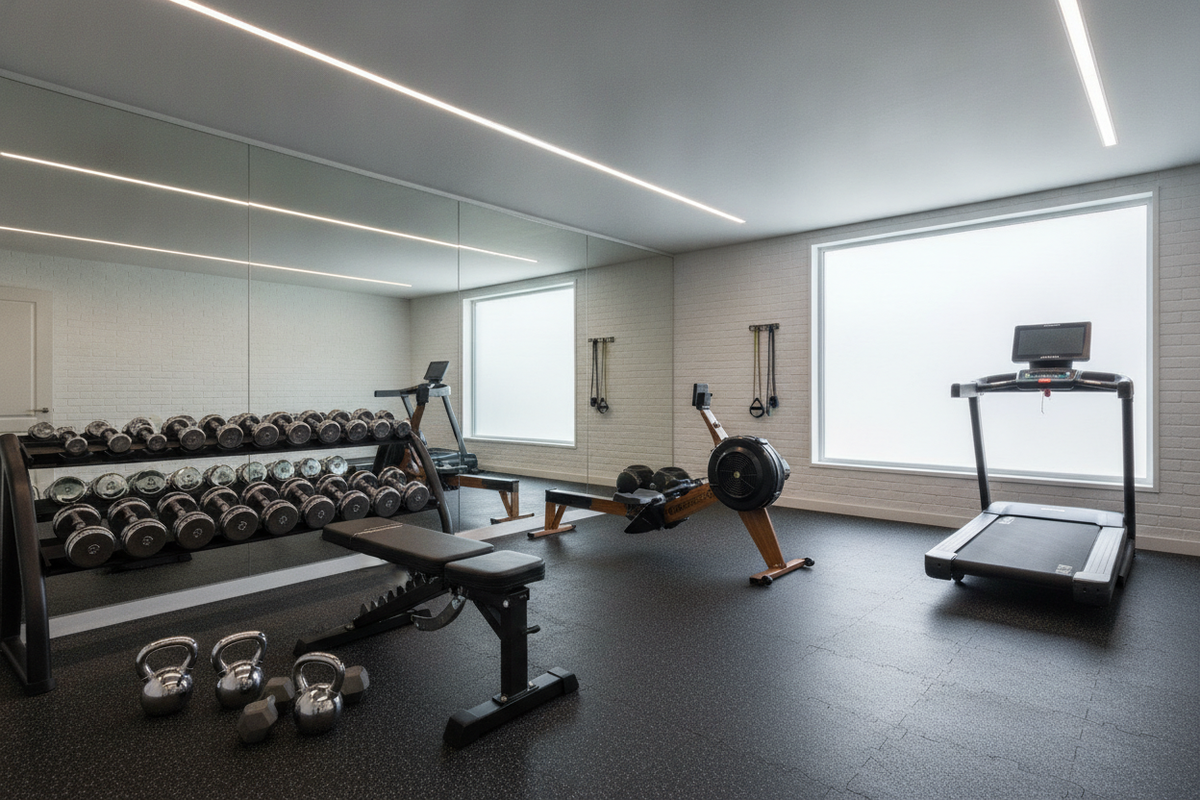
Cardio Exercise at Gym: 5 Strategic Workout Blueprints, Modality Frameworks, and Floor Staging
The Strategic Role of Cardio Training in Gym Environments
Executing an effective cardio exercise at gym facility requires more than simply stepping onto an open treadmill and moving at a random pace. Gym spaces provide access to diverse conditioning tools, including air bikes, rowing machines, high-incline treadmills, and dedicated functional turf zones. Integrating these tools into structured sessions transforms basic aerobic work into purposeful conditioning that supports work capacity, movement quality, and overall training longevity.
A well-planned cardiovascular gym workout targets specific energetic demands through deliberate movement selection and interval pacing. Whether your objective is low-impact aerobic development, high-intensity power endurance, or hybrid conditioning paired with strength training, approaching cardio in gym settings with a concrete blueprint ensures your training time remains productive and repeatable.
Framework for Selecting Your Gym Cardio Modality
Before selecting a machine or setting up a floor circuit, evaluate your training session using three core operational criteria:
- Impact Tolerance: High-impact options like running, sprinting, and bounding demand greater joint tolerance and elastic recovery. Low-impact modalities such as rowing, cycling, and incline walking allow substantial aerobic output while minimizing repetitive joint loading.
- Movement Plane Variety: Most traditional ergometers operate strictly in the sagittal plane. Adding lateral shuffles, rotational medicine ball tosses, or multi-directional floor drills introduces frontal and transverse plane conditioning.
- Equipment Synergy: Pairing complementary machines or combining bodyweight intervals with free weights creates a balanced cardio training at gym session without overloading isolated muscle groups prematurely.
Understanding these cardio workout types allows you to select appropriate cardio workouts for fitness that align with your weekly split, especially when coordinating conditioning alongside an exercise full body guide designed around compound lifting.
5 Complete Cardio Workouts You Can Do at the Gym
The following five blueprints offer distinct loading profiles, equipment demands, and movement patterns. Each workout provides clear intervals and execution cues suitable for commercial facilities or well-equipped home training spaces.
Blueprint 1: The Rowing & SkiErg Power Endurance Circuit
This upper-and-lower body pulling and hinging complex challenges full-body stamina while keeping ground impact to zero. It pairs the horizontal drive of the rowing machine with the vertical hinge and pull of the SkiErg.
- Phase A (Rowing Machine): Row at a moderate, sustainable pace for 3 minutes, focusing on driving through the midfoot and maintaining a tall torso at the catch.
- Transition: Rest for 60 seconds while walking between stations.
- Phase B (SkiErg): Perform 45 seconds of rhythmic triple-extension pulls followed by 45 seconds of light recovery pulling. Repeat for 4 rounds.
- Phase C (Rowing Sprints): Complete 5 rounds of 30 seconds at high stroke rate followed by 30 seconds of passive rest.
- Cooldown: 3 minutes of easy rowing at light resistance.
Blueprint 2: High-Incline Low-Impact Treadmill Walk Intervals
High-incline walking provides a demanding aerobic stimulus for the posterior chain without the repetitive impact forces of high-speed running. It represents a good cardio exercise at gym setups where joint comfort is a priority.
- Warm-Up: 3 minutes at flat elevation at an easy walking pace.
- Ascent Block: Set the incline to 8 to 12 percent. Walk at a steady, rhythmic stride for 4 minutes without gripping the handrails. Gripping reduces core recruitment and alters posture.
- Recovery Step-Down: Lower the incline to 3 percent for 2 minutes at the same walking speed.
- Pyramid Cycles: Repeat the ascent and step-down cycle for 3 to 4 total rounds.
- Flush Out: 2 minutes of level walking at low speed.
Blueprint 3: Dynamic Calisthenic and Plyometric Floor Complex
For athletes looking for a full body cardio workout gym session without waiting for open machines, open-floor bodyweight circuits deliver continuous dynamic movement across multiple movement planes.
- Movement 1: Jump Rope Cadence: 60 seconds of light, rhythmic double-foot or alternating-foot skipping.
- Movement 2: Lateral Skater Hops: 45 seconds of controlled lateral bounds, decelerating on the outside edge of the plant foot before driving across.
- Movement 3: Mountain Climbers: 45 seconds of steady alternating knee drives from a tall plank position, keeping hips level with shoulders.
- Movement 4: Bear Crawl Hold to Step-Throughs: 30 seconds of controlled rotational core work.
- Rest Period: Take 90 seconds of passive recovery, then repeat the circuit for 3 to 5 total rounds.
For dedicated dynamic floor work, anchoring your space with a exercise gym workout product provides the necessary grip and surface consistency for rapid directional changes.
Blueprint 4: The Stationary Bike Variable Resistance Pyramid
The stationary bike or spin cycle provides precise cadence and resistance management, making it an excellent platform for progressive energy system conditioning.
- Warm-Up: 4 minutes of light spinning at 80 to 90 RPM with minimal resistance.
- Low Cadence Climb: Increase resistance to heavy. Stand or maintain a forward-hinged seated posture, pedaling between 60 and 70 RPM for 90 seconds.
- High Cadence Flush: Drop resistance to moderate. Accelerate cadence to 95 to 105 RPM for 60 seconds.
- Pyramid Structure: Complete 5 continuous waves of the climb and flush intervals without taking total pauses.
- Cooldown: 3 minutes of slow cadence spinning with low resistance.
Blueprint 5: Functional Sled, Battle Rope, and Kettlebell Hybrid Circuit
This dynamic station-based format merges loaded carriage, rhythmic upper-body waves, and hip hinge power into a high-density cardio gym workout.
- Station 1 (Turf Sled Push): Push a moderate load across 20 to 30 meters at an aggressive forward lean.
- Station 2 (Battle Rope Alternating Waves): Immediately transition to 30 seconds of alternating rapid rope waves while maintaining a stable quarter-squat base.
- Station 3 (Kettlebell Swings): Perform 15 crisp hip hinge swings, focusing on explosive hip extension rather than shoulder lifting.
- Station 4 (Farmer's Carry): Walk 30 meters with balanced kettlebells, keeping shoulders depressed and posture neutral.
- Rest: Rest for 2 minutes after completing all four stations. Repeat for 3 to 4 total cycles.
Floor Staging and Surface Protection for Gym Cardio Zones
A frequently neglected component of gym cardio training is surface stability. Dynamic movement drills, skipping, kettlebell placement, and plyometric foot strikes place significant friction and localized force on flooring materials. Slick or unpadded surfaces increase slip hazards and contribute to premature foot and ankle fatigue during high-cadence intervals.
Setting up your training area using dedicated surfaces from a exercise gym collection provides uniform traction, minimizes equipment travel during explosive drills, and dampens vibration from dropped implements. Stable footing ensures that your movement focus remains on mechanics, breathing rhythm, and interval execution.
Cardio Progression Rules and Weekly Scheduling Integration
Structuring your cv training gym routine requires intentional progression rules to avoid interfering with strength development and recovery capacity:
- Manage Session Frequency: Aim for 2 to 4 dedicated cardio sessions per week, depending on total lifting volume and recovery tolerance.
- Separate Modalities by Energetic Demand: Place high-intensity interval conditioning on non-lifting days or at the end of strength sessions to keep primary lifts fresh.
- Progress Duration Before Intensity: Increase your total interval work time or volume by modest increments each week before raising movement speed or machine resistance.
- Integrate Comprehensive Movement Patterns: Balance machine-based cardio with total-body functional training guidelines found in a comprehensive exercise full body guide.
By applying structured blueprints, selecting modalities suited to your joint mechanics, and maintaining a stable training floor, your good cardio workouts at gym sessions will reliably build stamina, power, and movement efficiency.


