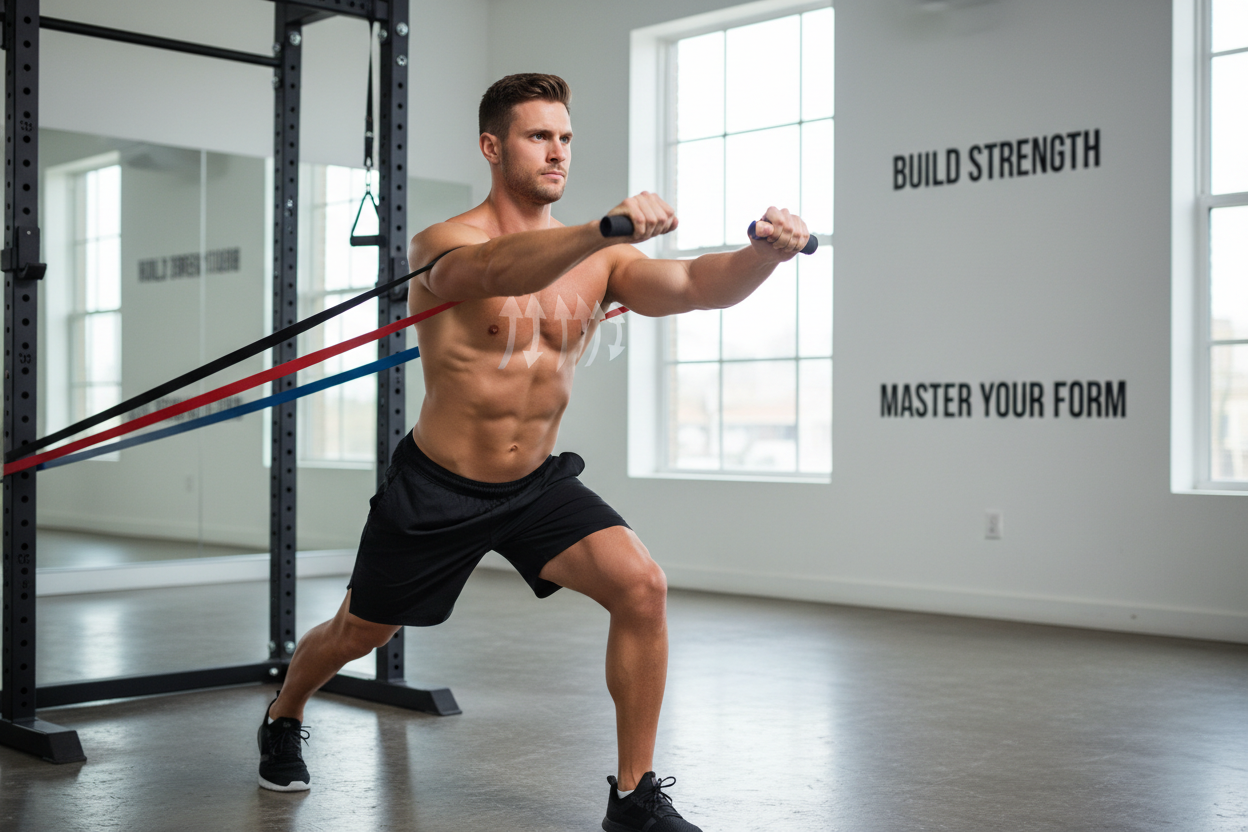
Turn Your Leg Day Into a Growth Engine: The Ultimate Lower Body Burn
We have all seen the memes about skipping leg day, but the reality of building a symmetric, powerful physique requires ignoring the urge to focus solely on chest and arms. If you are looking for serious hypertrophy and strength gains, a standard three-set routine might not cut it anymore. You need a leg blast workout designed to shock the muscles, force metabolic stress, and trigger the repair process that leads to growth. This isn't just about moving weight; it is about total fiber recruitment.
I remember hitting a frustrating plateau a few years back. My squat numbers were stagnant, and my jeans were fitting exactly the same way they had for months. I decided to shift from a strength-focused 5x5 routine to a high-volume, high-intensity protocol. The first session was humbling. I remember sitting in the locker room for twenty minutes afterward because my legs simply refused to coordinate the walk to the car. But within six weeks, that intensity broke the plateau. The soreness was intense, but the growth was undeniable. That experience taught me that legs respond exceptionally well to volume and time under tension.
The Anatomy of a Leg Blast
To properly exhaust the lower body, you have to understand what you are targeting. The legs are a complex system of large muscle groups that require heavy fuel and heavy loads. A comprehensive routine hits the quadriceps (front of the thigh), the hamstrings (back of the thigh), the glutes, and the calves. Neglecting one area creates imbalances that can lead to injury, particularly in the knees and lower back.
The goal here is progressive overload combined with metabolic fatigue. You want to recruit the fast-twitch fibers with heavy compound lifts first, then move toward isolation movements to flush the muscles with blood—often referred to as "the pump." This nutrient-rich blood flow aids in fascia stretching and muscle volumization.
The Routine: High Volume and Intensity
Before touching a weight, spend five to ten minutes on dynamic mobility. Hip circles, bodyweight lunges, and leg swings are non-negotiable. You need synovial fluid lubricating the joints before loading them.
1. Barbell Back Squat (The King)
Start with the most demanding movement while your central nervous system is fresh. The barbell squat recruits almost every muscle in your lower body. Keep your feet shoulder-width apart, chest up, and drive through your heels. Do not sacrifice depth for ego; hitting parallel is essential for glute activation.
- Sets: 4
- Reps: 8-10
- Rest: 90 seconds
2. Leg Press (Volume Focus)
Here is where the "blast" element really kicks in. The leg press allows you to load heavy weight safely without the balance requirements of a squat. This means you can push closer to failure. Place your feet lower on the platform to target quads or higher to emphasize glutes and hams.
- Sets: 4
- Reps: 12-15
- Technique: Control the negative. Take 3 seconds to lower the weight, then explode up without locking your knees.
3. Romanian Deadlifts (Posterior Chain)
Now we shift focus to the back of the legs. The Romanian Deadlift (RDL) is superior for hamstring development. Keep a slight bend in the knees, hinge at the hips, and lower the bar until you feel a deep stretch in the hamstrings. Your back must remain flat throughout the movement.
- Sets: 3
- Reps: 10-12
- Focus: Mind-muscle connection. Squeeze the glutes at the top.
4. Walking Lunges (The Finisher)
This is the part of the leg blast workout that tests your mental fortitude. Walking lunges force unilateral stability and exhaust whatever energy is left in the tank. Use dumbbells if you can, but bodyweight is often enough by this stage.
- Sets: 3
- Reps: 20 steps total (10 per leg)
- Rest: 60 seconds
Intensity Techniques to Break Plateaus
If you perform the above routine and still feel like you could run a marathon, you aren't training with enough intensity. However, for advanced lifters, straight sets sometimes aren't enough. Incorporating drop sets can elevate the session. On your final set of leg extensions or leg curls, perform your reps until failure, immediately drop the weight by 30%, and continue to failure again. This floods the muscle with lactate, signaling the body to adapt.
Supersets are another effective tool. Pairing a quad-dominant exercise (like leg extensions) immediately with a hamstring exercise (like lying leg curls) keeps the heart rate high and maximizes gym time efficiency. This approach increases the overall density of the workout.
Recovery: Where the Growth Happens
You do not grow in the gym; you grow while you sleep. A routine of this magnitude causes significant micro-tears in the muscle fibers. Without adequate protein intake and rest, you are simply breaking down tissue without rebuilding it. Aim for high-quality protein sources immediately following the session.
Active recovery in the days following is also beneficial. Light walking or cycling helps flush out metabolic waste products and reduces the severity of Delayed Onset Muscle Soreness (DOMS). Do not sit stagnant for 48 hours, or stiffness will set in, making your next workout significantly harder.
Hydration plays a massive role in performance and recovery as well. Dehydrated muscles are prone to cramping and fatigue. Ensure you are drinking water throughout the workout, not just afterward. If you are sweating heavily, electrolytes are a smart addition to your water bottle.
Common Mistakes to Avoid
Ego lifting is the quickest way to end your lifting career. Loading up the leg press with every plate in the gym only to move the sled two inches does nothing for hypertrophy and puts immense shear force on your knees. Range of motion always trumps weight. If you cannot control the weight through the full eccentric (lowering) phase, it is too heavy.
Another frequent error is neglecting the calves. While genetics play a role, calves respond to high volume and heavy loads just like any other muscle. Throwing in a few lazy sets of calf raises at the end isn't enough. Treat them with the same respect as your quads if you want a balanced look.
Consistency remains the final piece of the puzzle. A leg blast workout is demanding, and the temptation to skip it the following week will be high. But results compound over time. Embrace the challenge, respect the recovery process, and watch your lower body transform.
Frequently Asked Questions
How often should I perform this leg workout?
For most natural lifters, performing this routine once every 5 to 7 days is optimal. The high volume requires significant recovery time. If you are more advanced or on a split schedule, you might hit legs twice a week, perhaps splitting one day for heavy compounds and another for hypertrophy.
What if I have bad knees?
If you suffer from knee pain, swap the heavy barbell squats for box squats or goblet squats, which allow for a more upright torso and less shear force. Always prioritize warming up and consider using knee sleeves for compression and warmth during the session.
Can I do this workout at home with dumbbells?
Yes, you can adapt the principles. Swap barbell squats for dumbbell goblet squats and leg press for Bulgarian split squats. The key is to increase the rep range or slow down the tempo to compensate for the lack of heavy machinery.