Top Rated Yoga Mats: Category Evaluation Frameworks, Density Dynamics, and Home Studio Staging
Decoding Core Performance in the Best Yoga Mats
Selecting among top rated yoga mats requires looking past cosmetic marketing and examining tactile build, foam density, and structural resilience. Floor-based disciplines demand a reliable ground interface that isolates your joints from unforgiving subfloors without undermining balance. When assessing the best yoga mats for dedicated home training, practitioners often encounter conflicting advice regarding thickness, firmness, and moisture management.
Rather than treating every floor covering as a generic roll of foam, experienced movers evaluate equipment across defined operational profiles. These include compressive load resistance, dry versus wet friction, core tensile strength, and subfloor stability. Whether your personal routine centers on restorative grounding or rapid transitions, choosing a quality mat aligned with your movement style prevents discomfort and premature wear.
Material Composition: Evaluating Cushion, Rebound, and Durability
The foundation of any high quality mat is its internal cellular matrix. Foam chemistry and natural composite structures dictate how the surface compresses under direct point pressure—such as a grounded knee or wrist in demanding yoga poses—and how swiftly it rebounds when weight shifts across the floor.
Material Dynamics: Which Is Better, EVA or TPE Foam Mats?
When comparing synthetic materials, practitioners frequently ask whether EVA or TPE offers superior utility for daily training. Ethylene-vinyl acetate (EVA) is lightweight and soft, which makes it prevalent among cheaper mats and introductory foam mats. However, standard EVA tends to compress quickly under sustained loads, leaving permanent indents that compromise standing stability during balance postures.
Thermoplastic elastomer (TPE), by contrast, provides closed-cell structural integrity with heightened elastic recovery. A resilient TPE mat yields moderate cushioning while offering firmer resistance against bottoming out under bodyweight. For dedicated home conditioning, denser mats engineered from upgraded closed-cell polymers or heavy composite layers retain their geometry across years of training. To understand the architectural differences between fragile foams and reinforced builds, review our durable exercise mat guide.
Natural Surfaces: Exploring Cork Yoga Mats and Natural Rubber Options
Natural materials present a distinct tactile profile compared to synthetic polymer layers:
- Natural Rubber: Derived from renewable tree sap, natural rubber mats deliver substantial ground contact, heavy baseline weight, and dense elastic resistance. A natural rubber mat stays exceptionally flat, providing a sticky mat feel that anchors securely to hard surfaces.
- Cork Yoga Mats: Cork possesses cellular structures that naturally adapt to ambient humidity. When dry, a cork mat feels smooth and firm under the palms; when exposed to sweat, natural waxy compounds increase surface friction, creating a reliable grippy mat for rigorous sequences.
- Composite Layering: Many practitioners prefer hybrid builds where a sustainable cork or polyurethane surface bonds to a heavy rubber base, creating a supportive mat that combines surface tactile comfort with structural rigidity.
Traction Mechanics: Surface Grip to Practice Yoga and Handle Hot Yoga
Loss of traction can disrupt concentration and misalign foundational postures like downward dog. Achieving dependable grip requires balancing dry surface texture against liquid management, whether practicing restorative forms or vigorous athletic flows.
Managing Moisture in Hot Yoga Sessions and High-Pace Flows
During a demanding hot yoga class or heated flow, sweat accumulation fundamentally alters surface physics. Closed-cell yoga mats repel sweat, keeping moisture on the exterior. While easy to wipe down with a damp cloth after class, this surface water can create an oily slip plane unless paired with an absorbent yoga towel.
Conversely, open-cell rubber and moisture-wicking polyurethane surfaces draw liquid inward away from the hands and feet. This design maintains exceptional non-slip traction during hot yoga sessions, though it requires regular deep cleaning to prevent dirt buildup within microscopic pores. Choosing between these systems depends on whether you value quick-wipe hygiene or aggressive wet-grip performance during hot yoga.
Reversible Mat Dynamics: Comparing Lululemon the Mat and Dual-Sided Designs
A reversible mat offers two distinct surface treatments on a single chassis. One side often features an ultra-smooth, moisture-wicking film tailored for high-perspiration sessions, similar to the dual-texture concept found on designs like a lululemon the mat or a classic lululemon mat. The opposing side typically presents a textured rubber or closed-cell waffle pattern engineered for dry restoration, general core conditioning, or shoe-friendly fitness drills. This versatility ensures a single versatile mat supports multiple training disciplines across changing seasons.
Yoga Mat vs Exercise Mat: Structural Distinctions for Home Training
A common point of confusion when setting up a training space is the functional difference between a traditional yoga mat and a broader exercise floor mat. While yoga mats prioritize proprioceptive ground feedback and controlled friction for bare skin, general exercise mats emphasize point-load deflection, footwear resistance, and equipment defense.
What Is a Good Soft and Thicker Mat for Sensitive Joints?
For practitioners experiencing discomfort in sensitive joints, selecting a thicker mat might seem like an immediate remedy. However, an overly thick, low-density foam creates instability, causing ankles and wrists to sink and wobble during balance poses. A truly effective supportive mat utilizes high-density composition rather than sheer bulk. It provides enough cushion to relieve focal joint pressure without sacrificing structural baseline firmness.
When routines transition beyond barefoot flow into loaded dumbbell conditioning or lateral cardio drills, personal footprint mats quickly feel constricting. Exploring a broader protective exercise mat collection allows you to bridge the gap between targeted yoga posturing and multi-directional strength work.
Evaluating the B Mat, Jade Mat, and Other Yoga Mats for Stability
Studio regulars and those progressing through yoga teacher training often analyze specialized gear such as the grippy b mat or open-cell jade mat models. Where most mats sold for casual stretching rely on slick PVC coatings, performance-oriented natural rubber mats emphasize immediate, unyielding surface grab. When evaluating how other yoga mats compare to heavy home gym platforms, look closely at the mat's layers. A mat specifically designed with a reinforced inner core ensures that aggressive lunges or grounded twists will not stretch or deform the top traction skin.
Subfloor Anchoring: Preventing Slippage on Hardwood and Carpet
A mat that shifts across the subfloor breaks concentration and compromises stance mechanics. Mat stability depends heavily on the interface between your floor type and the bottom backing profile.
Securing Traction and Best Exercise Mat Solutions on Carpet
Plush residential carpet presents a major stability challenge. Standard thinner mats will buckle, bunch, and walk across carpet fibers as bodyweight shifts. To eliminate carpet drift:
- Select Heavy Chassis Builds: A heavier rubber mat or substantial composite floor mat presses down into carpet pile through sheer deadweight, preventing surface ripples.
- Demand High Base Rigidity: Mats with high tensile internal scrim resist lateral bunching when driving forward during downward dog or lunges.
- Broaden the Footprint: Large-format staging mats distribute mechanical forces over a wide surface area, remaining firmly anchored where compact personal mats shift.
If you require a stable foundation over carpeted subfloors, deploying an expansive, high-density yoga mat exercise product provides an unyielding, flat platform that will not crawl under dynamic movement.
Subfloor Protection and Kinetic Absorption
Hardwood and tile installations carry different challenges, primarily related to impact vibration and floor scuffing. High-density base layers absorb kinetic shock, guarding hardwood finishes against friction rub while buffering joints from rigid concrete subfloors. Structuring seamless movement transitions between grounding poses and upright drills requires thoughtful floor staging, as detailed in our exercise high density guide.
Investing in Your First Yoga Mat and Quality Tiers
Navigating the equipment market can be confusing, with options ranging from budget department store offerings to premium artisan tools. When purchasing your first yoga mat, understanding value tiers prevents unnecessary repurchasing.
Cheaper mats constructed from basic lightweight foam break down under regular friction, shedding foam particles and flattening within months. Moving to mid-tier TPE designs provides balanced durability and lightweight transport suitable for studio commutes. Premium natural rubber mats, cork yoga mats, and heavy-duty composite mats represent long-term investments; they maintain consistent traction, resist surface gouging, and deliver superior balance stability over extended lifecycles.
For rooms that serve as multi-purpose fitness spaces, investing in a robust exercise mat yoga product ensures your staging withstands both barefoot vinyasa and kettlebell workouts without degradation.
Curating Your Dedicated Home Yoga Studio and Daily Practice
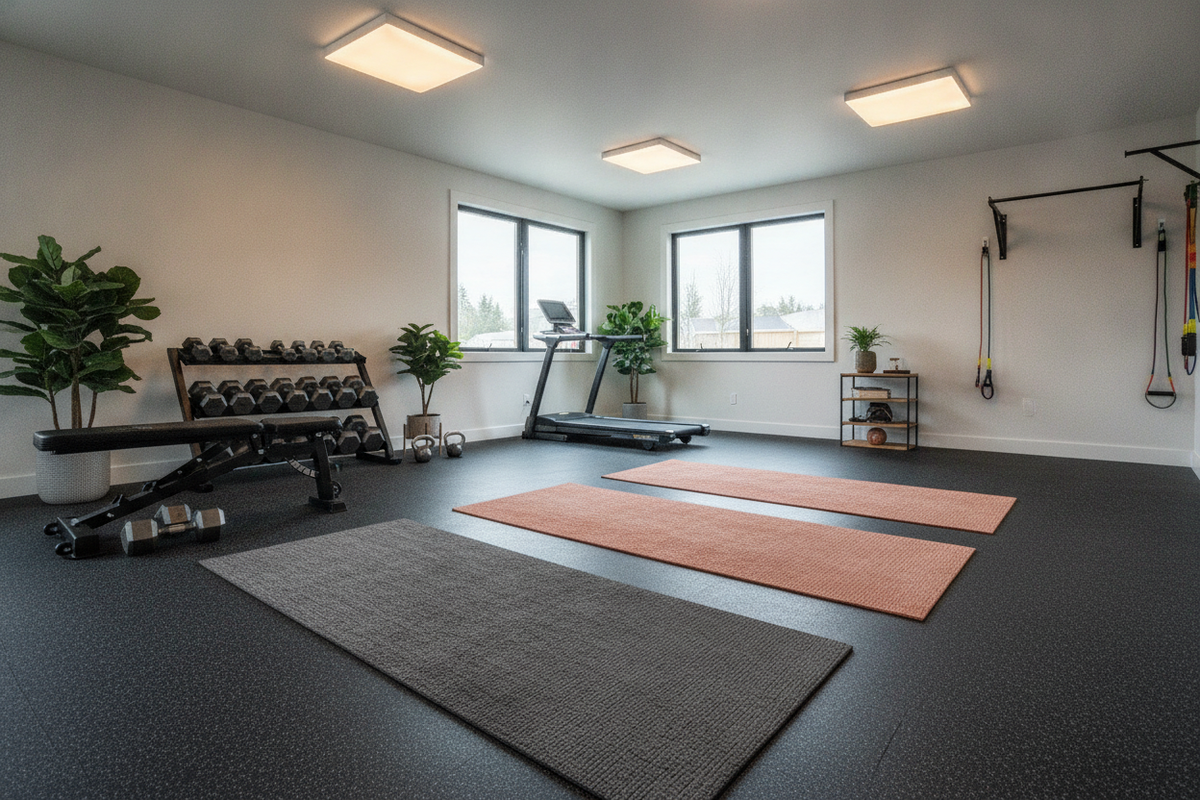
Establishing an inspiring yoga studio at home involves harmonizing surface ergonomics with practical room acoustics and ambient light. Clear a perimeter that accommodates full arm extensions and low sweep transitions without making contact with baseboards or furniture.
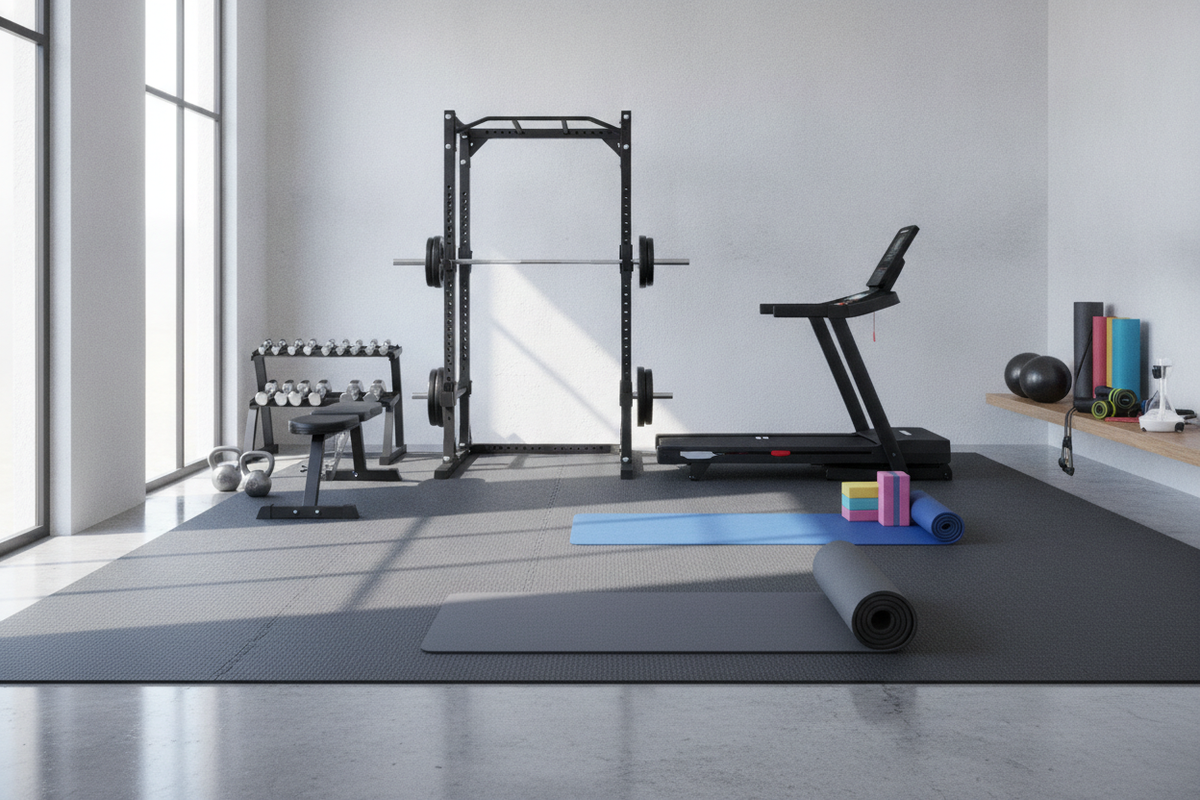
Keep essential yoga accessories nearby—such as dense cork blocks, woven cotton straps, and a clean yoga towel—to modify postures comfortably during calm yoga nidra or rigorous flow. Maintain your surfaces by wiping them clean with a damp cloth and mild soap after intense sessions, allowing them to dry fully before rolling or storage. Investing in a durable, stable, and appropriately cushioned mat creates an inviting foundation that reliably supports your daily yoga practice.