
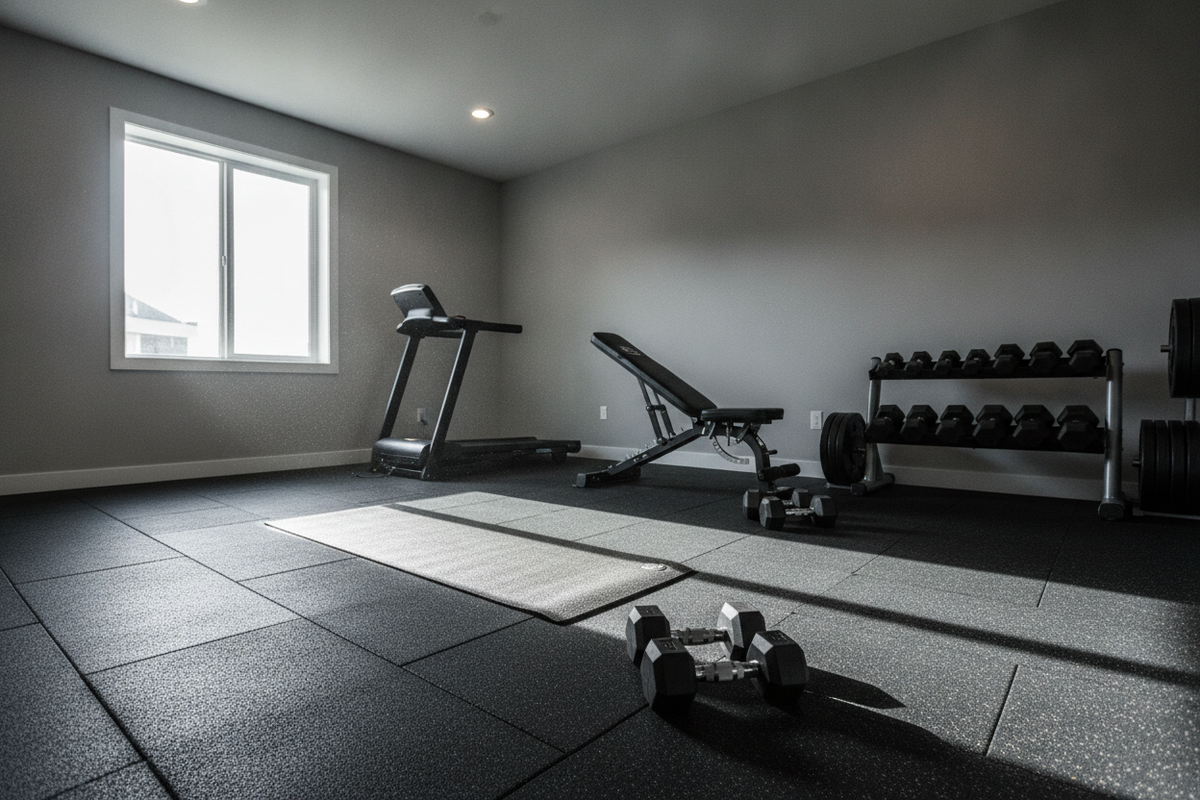
9 Min Exercise Blueprint: High-Density Strength Sequencing, Rapid Transitions, and Home Floor Mat Setup
Core Biomechanics of a 9-Minute High-Density Strength Routine
Executing a compact strength session requires an understanding of movement density and muscle recruitment. When workout duration is constrained, selecting exercises that engage multiple muscle groups simultaneously allows you to maintain continuous muscular tension throughout the session. The 9 min exercise format relies on pairing compound actions to stimulate the upper body, lower body, and core without requiring lengthy rest periods between sets.
For those familiar with structured editorial fitness formats, exploring a new york times guide can help illustrate how minimal equipment and dedicated spatial planning support high-efficiency training at home.
Compound Movement Selection and Work-to-Rest Pacing
Compound exercises recruit several joints and major muscle groups in a single pattern. In a 9-minute format, multi-joint patterns such as squats, lunges, push-ups, and rows deliver higher training output per minute than isolated movements. Pacing is essential; maintaining an even, rhythmic cadence across every work interval helps prevent premature fatigue while preserving clean technique through the final block.
Joint Load Considerations During Rapid Exercise Transitions
Shifting rapidly between standing, kneeling, and supine positions places unique deceleration demands on the kinetic chain. Maintaining stacked alignment across the ankles, knees, hips, and spine absorbs dynamic force effectively. Controlled descents during floor transitions minimize jarring impact on the joints and ensure continuous muscular engagement.
Essential Movement Patterns for a Compact Strength Split
A balanced short-format routine covers foundational human movement archetypes: knee flexion, hip hinging, horizontal or vertical pressing, pulling, and midsection stabilization.
Lower-Body Mechanics: Squats, Hinges, and Lunges
Lower-body movements form the foundation of total-body power. Deep squats emphasize quadricep and glute activation, while hip hinges shift load toward the posterior chain, including the hamstrings and spinal erectors. Unilateral variations like reverse lunges or split squats challenge balance, address side-to-side strength imbalances, and promote active ankle stability.
Upper-Body and Core Integration: Presses, Rows, and Anti-Rotation
Upper-body movements integrate seamlessly with lower-body work when programmed in alternating blocks. Push-up variations reinforce anterior shoulder stability and pectoral activation while demanding a solid plank posture. Bent-over rows or floor pulls balance the anterior chain by engaging the lats, rhomboids, and rear deltoids, all while the abdominal wall braces against spinal extension or rotation.
Home Training Zone Staging: Clearance, Traction, and Floor Protection
Creating a dedicated workout footprint is critical when completing rapid movement intervals. The surrounding floor space must allow unrestricted dynamic movement while protecting underlying surfaces from dropped weights or repeated shoe traction.
Subfloor Shock Absorption and High-Density Mat Selection
A firm, high-density exercise surface provides the necessary balance between joint cushioning and stable footing. When executing bodyweight transitions or working with hand weights, an expansive surface like an exercise workout product prevents mat shifting, cushions knees and elbows during ground-based drills, and dampens vibration through residential subflooring.
Staging Dumbbells and Accessories for Frictionless Transitions
Organizing hand weights, resistance bands, and personal items along the outer edge of the workout zone prevents accidental trips during fast switches. Choosing dedicated gear from a strength training collection helps maintain an uncluttered environment, allowing seamless progression from standing loaded movements down to mat-based core exercises.
Structured 9-Minute Full-Body Workout Framework
A reliable approach divides the 9 minutes into three distinct 3-minute blocks, each focusing on complementary muscle groups to optimize total-body stimulus without excessive local fatigue. Those seeking longer metabolic conditioning alongside short-format sessions can consult a strength workout weights guide for extended session frameworks.
Block 1: Lower-Body Compound Drive and Hip Stability
- Minute 1: Tempo Goblet Squats or Bodyweight Air Squats with steady ground connection.
- Minute 2: Alternating Reverse Lunges emphasizing upright torso posture.
- Minute 3: Isometric Wall Sit or Low Squat Hold to build lower-body endurance.
Block 2: Upper-Body Push-Pull Power and Shoulder Health
- Minute 4: Controlled Standard or Incline Push-Ups with rigid trunk alignment.
- Minute 5: Dumbbell Romanian Deadlift to Bent-Over Row combination.
- Minute 6: Overhead Dumbbell Press or Bear Crawl Hold.
Block 3: Dynamic Trunk Bracing and Anti-Rotational Control
- Minute 7: Forearm Plank with alternating foot taps to challenge lateral stability.
- Minute 8: Slow-Tempo Mountain Climbers maintaining neutral lumbar positioning.
- Minute 9: Dead Bug or Hollow Body Hold for sustained anterior core tension.
Progression Protocols, Mat Care, and Routine Longevity
Sustaining training adaptations over time requires thoughtful progression and routine equipment upkeep.
Overload Strategies: Tempo, Range of Motion, and Density
Progression does not always require adding heavy external loads. Within a fixed 9-minute window, you can enhance training stimulus by slowing the eccentric phase of each repetition, expanding the active range of motion, or gradually decreasing transition rest between exercises. For home setups incorporating larger apparatus over time, exploring a weight lifting collection provides alternative progressive overload modalities.
Hygiene, Sweat Management, and Mat Storage
High-density foam and rubber workout mats require routine care to preserve grip and material integrity. Wiping down the mat surface after each session with a mild, non-abrasive cleanser removes sweat and skin oils. Ensuring the mat dries completely before rolling or storing preserves surface traction, prevents moisture buildup, and maintains a clean, supportive base for daily training.


