The Unspoken Rules of Browsing 'For Sale Gym Equipment' Ads
I’ve spent way too many Saturday mornings in some guy's driveway, staring at a rusted-out squat rack that was listed as 'barely used.' It’s the same story every time. People buy gear during a fitness kick, let it rot in a damp garage for three years, and then try to sell it for 90% of the retail price because they 'know what they have.' Searching for for sale gym equipment shouldn't feel like a shady back-alley deal, but usually, it does.
If you know what to look for, you can build a world-class home gym for pennies on the dollar. If you don't, you're just paying someone to haul away their heavy trash. Here is how I separate the legitimate steals from the overpriced junk before I even put the key in the ignition.
Quick Takeaways
- Surface rust is an easy fix; structural pitting in the steel is a safety hazard.
- If the equipment is sitting on bare concrete, check for micro-fractures in the iron plates.
- 'Like new' is a marketing term, not a condition report—always verify the age.
- Bring a magnet; if it doesn't stick to the weights, they are likely cheap plastic-filled cement.
The Delusion of 'Like New' Condition
Sellers have a weird emotional attachment to the money they wasted. Just because someone paid $800 for a treadmill in 2020 doesn't mean it's worth $700 today after sitting in a humid garage with a pile of laundry on it. In my experience, 'like new' usually translates to 'I never wiped the sweat off it and the bearings are probably seized.'
Actual like-new condition means the powder coating is intact, the bushings spin freely, and there’s no signs of oxidation. If you see a rack that’s been sitting in a non-climate-controlled space for three years, it’s not new. The humidity has been eating at the internal tubing every single day. If they're asking more than 60% of the current MSRP for used gear, they're dreaming. I always check the current manufacturer price on my phone before I even start negotiating.
Red Flags Hiding in Plain Sight on Listing Photos
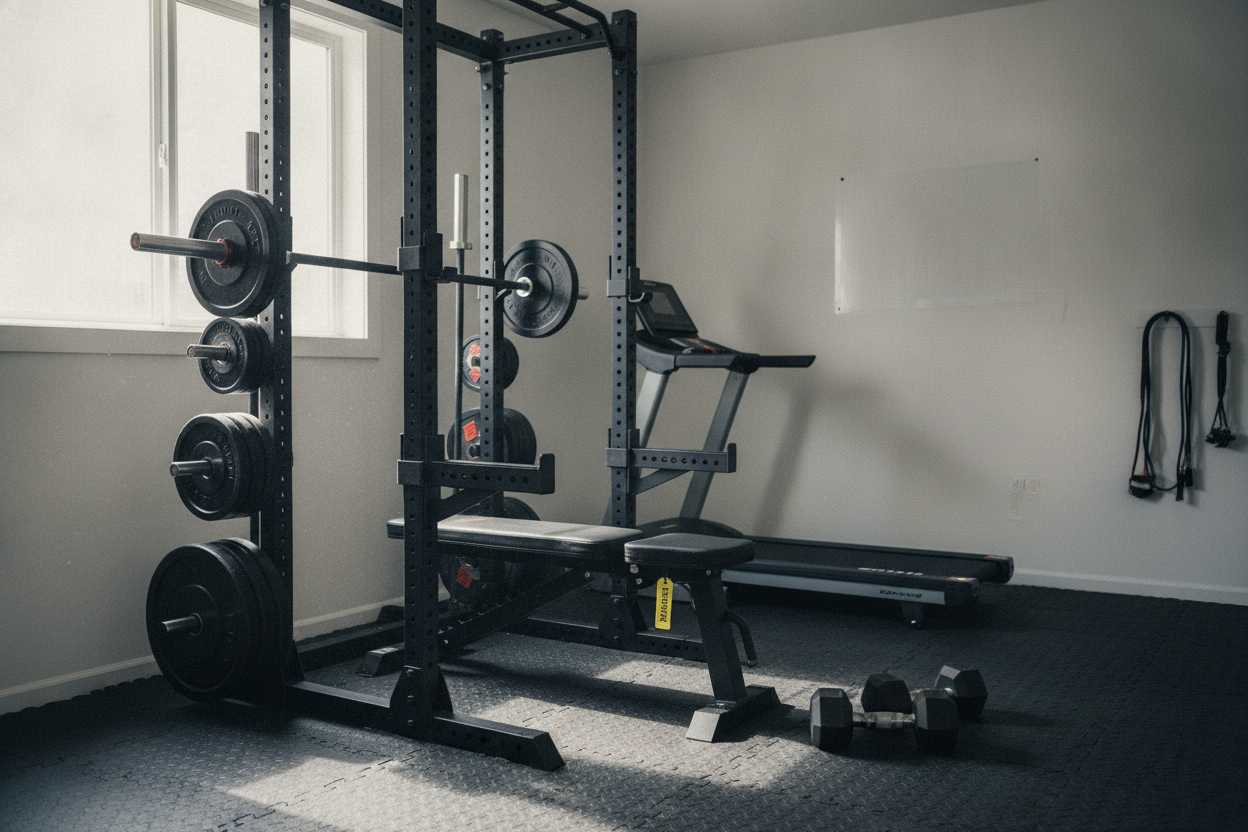
You can tell a lot about a seller by how they take photos. Blurry, low-light photos are the oldest trick in the book to hide structural rust. I look specifically at the welds on power racks. If the photo is out of focus right where the upright meets the base, there’s a high chance the weld is cracking or the powder coat is bubbling from rust underneath.
Another red flag is the 'one-sided' listing. If they only show you the left side of a bench, the right side probably has a massive tear in the vinyl. Look for 'spiderweb' cracking in the finish. This happens when the steel has been stressed or bent and then straightened back out. If the frame isn't straight, the rack is a literal death trap. Don't be afraid to ask for a video of the seller shaking the rack; if it wobbles like a leaf in the wind, walk away.
The 'Zoom-In' Test on Barbell Knurling
When you're looking at a used barbell, the knurling is the autobiography of that piece of steel. I always zoom in as far as the resolution allows. If the knurling is packed with white, chalky gunk, that’s a mix of magnesium carbonate and literal dead skin. It’s gross, but more importantly, it’s a moisture trap. If that gunk has been sitting there for months, the steel underneath is likely pitting. You also want to look for 'orange dust' in the valleys of the knurl. That’s active oxidation. A bar with a rusted knurl feels like holding a piece of 40-grit sandpaper that’s falling apart; it’ll chew up your hands and won't hold chalk when you're going for a PR.
Why the Seller's Floor Tells the Real Story
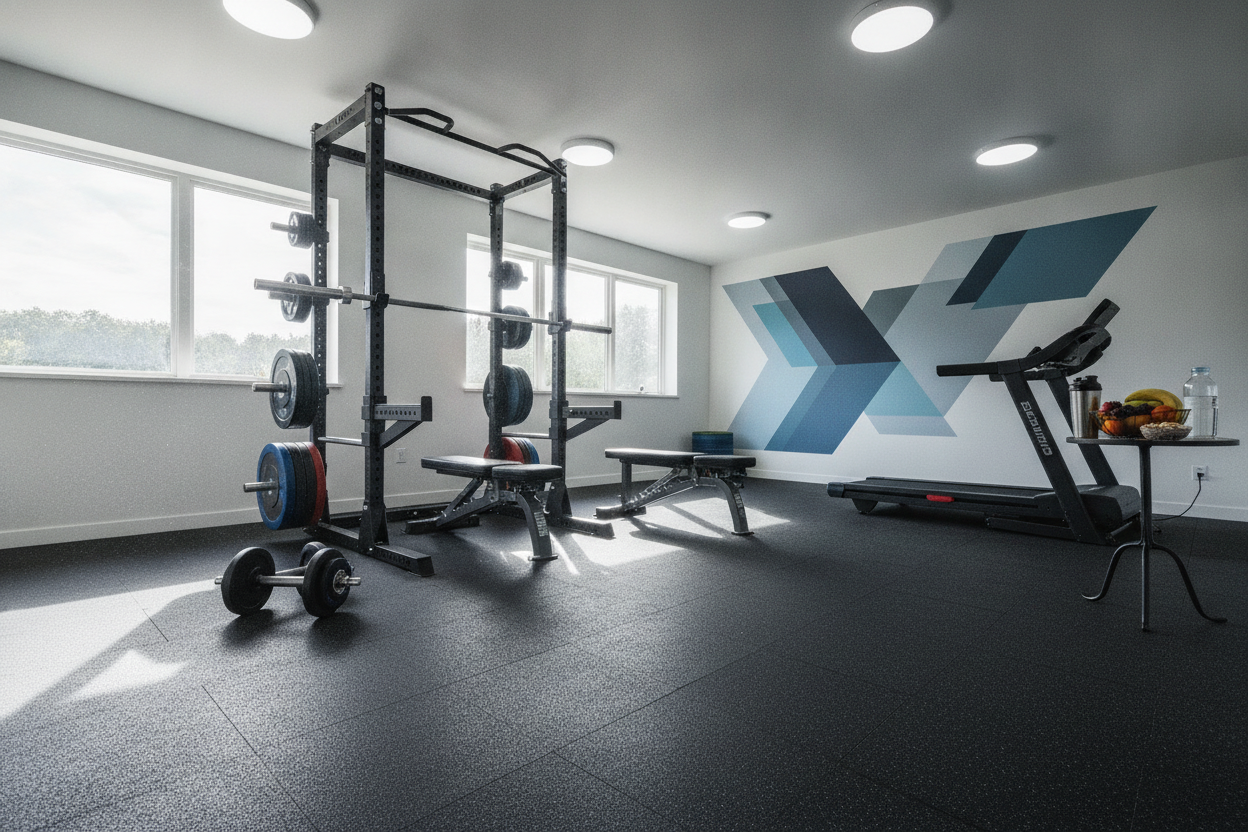
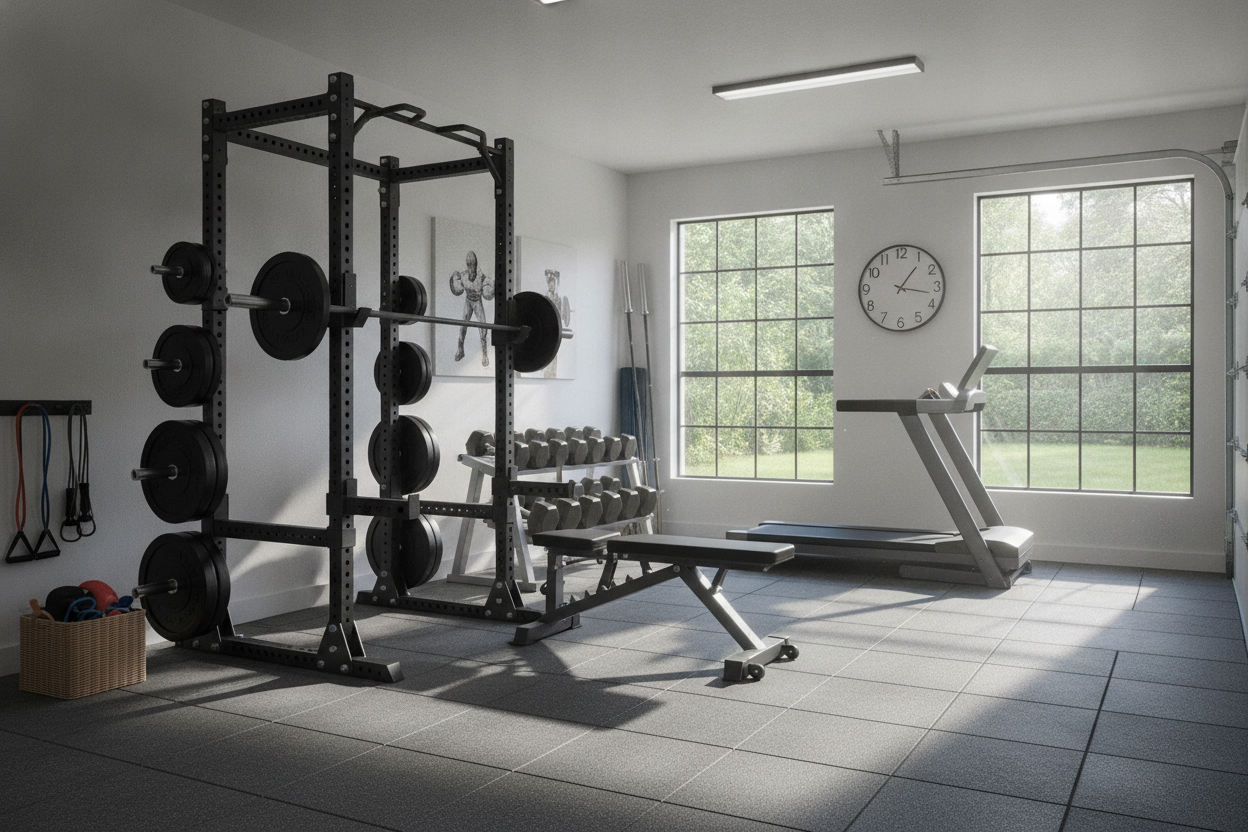
One of my favorite tricks is looking past the actual equipment and focusing on the floor. If I see a power rack bolted directly into cracked concrete or sitting on a thin piece of carpet, I immediately get suspicious. Heavy lifting is violent. If the seller wasn't using a heavy-duty 6X8Ft Exercise Mat Yoga Mat Gym Flooring For Home Workout to protect their gear, you should carefully inspect the plates for micro-fractures.
Cast iron is brittle. Dropping a 45-lb plate onto a hard floor repeatedly creates internal stresses you can't always see until the plate literally splits in half during a set. It also tells me the seller didn't care about equipment longevity. Once you bring your own gear home, placing it on a proper Large Exercise Mat For Home Gym is non-negotiable to preserve its lifespan. It’s about more than just protecting your floor; it’s about dampening the vibration that shakes bolts loose over time. If they didn't care about their floor, they didn't care about the gear.
How to Inspect Gear in Person (Without Sounding Like a Jerk)
When you show up, don't just hand over the cash. I always bring a small kit: a tape measure, a magnet, and a socket wrench. The magnet is the most important. If they are selling 'iron' dumbbells but the magnet won't stick, they are selling you plastic-wrapped sand. Those things leak, they're bulky, and they're worth about five cents on the dollar.
Use the tape measure to check if the rack is actually 2x3 or 3x3 steel. Many 'commercial' racks on local listings are actually 2x2 thin-gauge steel that shouldn't be loaded over 300 lbs. Finally, use the wrench to check a couple of bolts. If they are rounded off or stripped, the seller was a hack who didn't know how to assemble gear properly. That’s a major safety concern if you plan on squatting heavy. It’s not being a jerk; it’s being thorough.
When the Local Market Just Isn't Worth the Hassle
There comes a point where the 'deal' isn't worth the gas money or the headache. If you're spending four hours driving to save $50 on a questionable bench that smells like a locker room, you've lost the value game. I’ve reached a point where if the savings aren't at least 40% off the new price, I’d rather have the warranty and the peace of mind that comes with fresh steel.
For those tired of the Marketplace drama and the 'is this still available' ghosting, Finding Workout Gym Equipment For Sale That Actually Lasts is a much better path. Before you pull the trigger on anything used, read For Sale Gym Equipment What To Know Before You Buy to make sure you aren't getting scammed by someone's overpriced garage junk. Sometimes, buying new is the only way to ensure your safety and your gains.
My Personal Lesson in 'Cheap' Steel
I once drove two hours for a 'mint condition' GHD. When I got there, the guy had it stored under a tarp in his backyard. The upholstery was cracked, and a family of spiders had moved into the frame. I offered him $20 just for the scrap steel, but he insisted it was worth $400 because 'Rogue sells them for more.' I drove home empty-handed. That’s the tax you pay for hunting deals—sometimes you just pay in gas and disappointment.
FAQ
Is surface rust a dealbreaker on a squat rack?
No, surface rust is mostly cosmetic. You can clean it off with WD-40 and a wire brush in about an hour. However, if the rust has created deep pits in the steel, the structural integrity is gone. Don't trust your life to pitted steel.
Are used bumper plates a good investment?
Only if they aren't 'taco-ing' or warping. Lay them on a flat floor; if they don't sit perfectly flush, the internal ring is likely loose. Warped bumpers will ruin your barbell's sleeves over time.
How do I know if a barbell is bent?
Roll it on a flat floor or across the safety pins of a rack. If the bar 'jumps' or has a visible wobble in the center, it's bent. A bent bar is garbage—don't buy it for any price.