Stop Ignoring Clearance Fitness Equipment — You're Wasting Hundreds
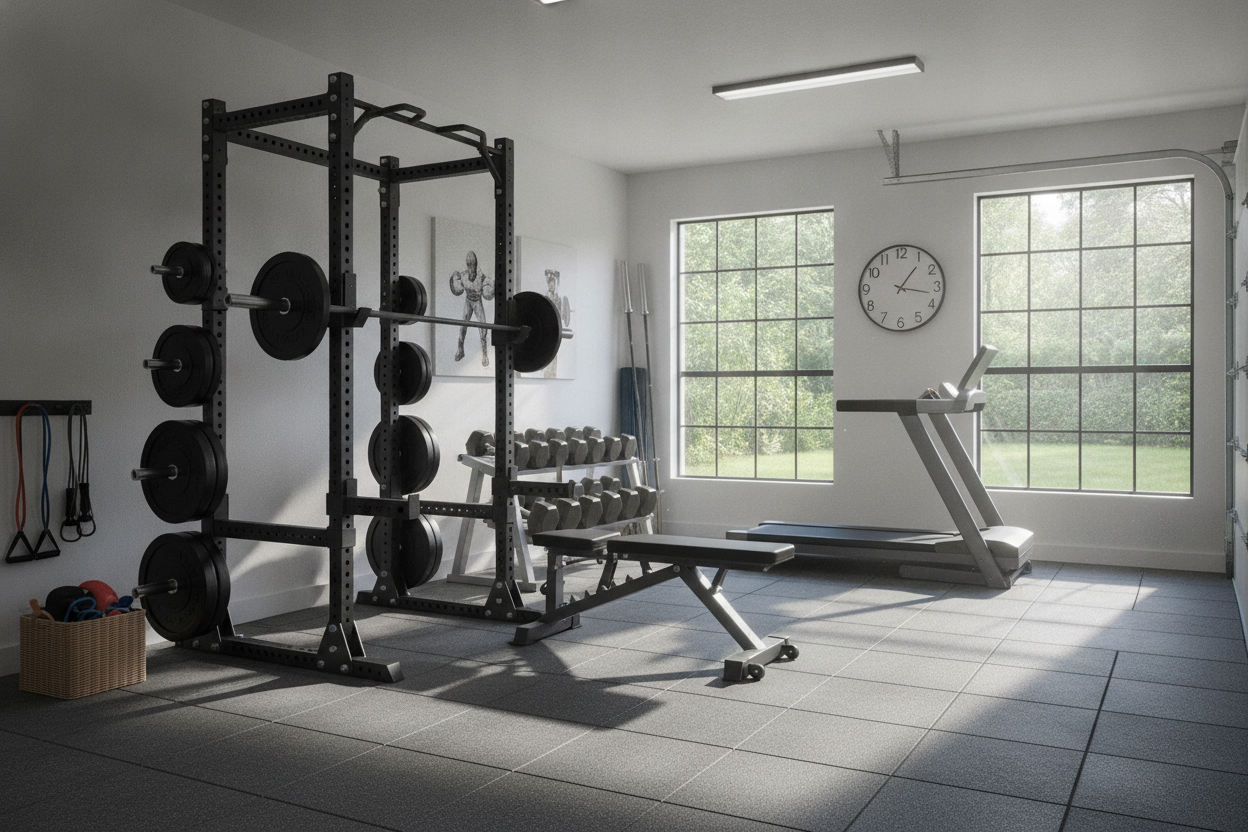
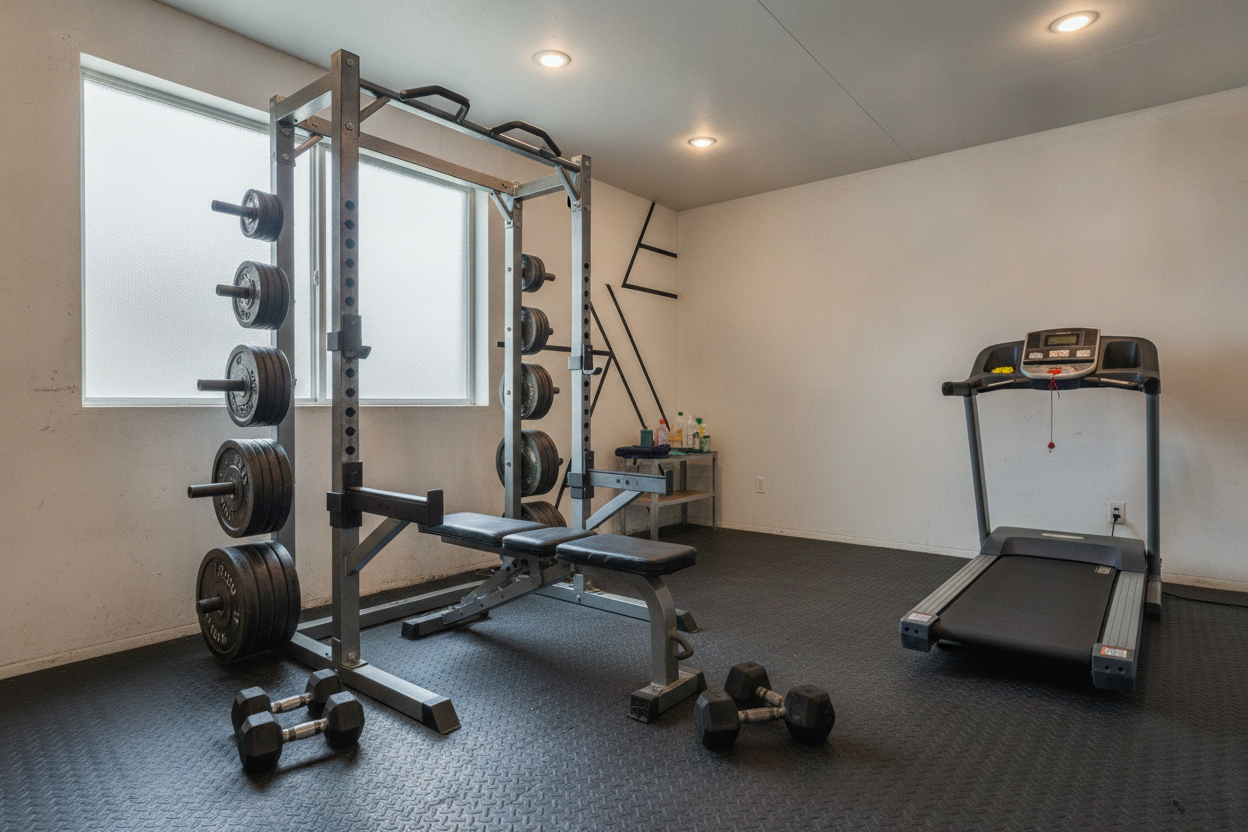
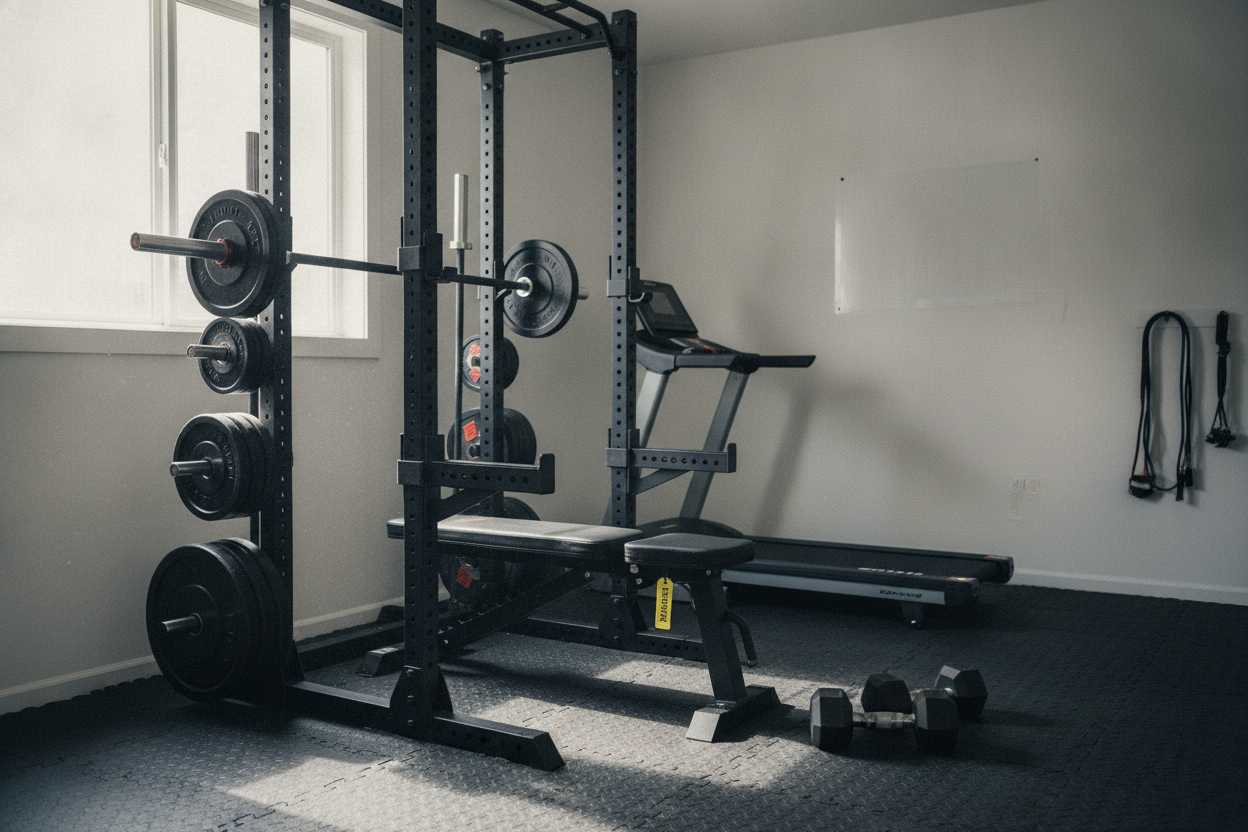
I remember sitting in my garage last November, staring at a $900 power rack in my cart while the manufacturer’s site refreshed with a 'price adjustment' notice. Suddenly, that same rack was $1,100 because they changed the logo on the crossmember. That is the moment I stopped paying retail. If you want a heavy-duty setup without a second mortgage, you need to start hunting for clearance fitness equipment.
Most people see a 'clearance' tag and assume the weld is about to snap or the steel is rusted through. In reality, the fitness industry is as obsessed with 'seasons' as the fashion world. When a big brand decides their 2025 line needs a 'matte' finish instead of 'gloss,' the perfectly functional 2024 stock gets banished to the bargain bin. That is where we strike.
Quick Takeaways
- 'Discontinued' usually refers to aesthetics or branding, not structural failure.
- Cast iron and steel racks are the safest clearance bets because they don't have software to expire.
- Avoid closeout 'smart' cardio machines if the manufacturer is struggling; parts will be impossible to find.
- The best deals happen in late Q3 as brands clear warehouse space for New Year's resolution inventory.
The Difference Between 'Discontinued' and 'Defective'
Let’s get one thing straight: I’m not telling you to buy a cracked barbell from a guy in a parking lot. There is a massive gap between 'B-Grade' stock and discontinued gear. B-Grade usually means it failed a cosmetic QA check—maybe a scratch on the upright or a bubble in the chrome. Discontinued gear, or essential equipment for every fitness level, is often just a victim of the 'Version 2.0' cycle.
Brands love to release 'updated' versions of their best-sellers. Usually, the update is something trivial, like moving a bolt hole two inches or switching from a sticker to a laser-cut logo. The 'Version 1.0' suddenly becomes gym clearance equipment. It still holds 1,000 lbs. It still fits your garage. But because it doesn't match the new catalog, the price tags get slashed by 30% or more. I’ve built half my gym on 'outdated' 11-gauge steel that performs exactly like the new stuff.
Why a Powder Coat Change Is Your Best Friend
Manufacturing lifecycles are predictable. A company orders 5,000 flat benches in 'Electric Blue.' Six months later, their marketing team decides 'Tactical Grey' is the new trend. Suddenly, those blue benches are exercise equipment on clearance. The steel is the same. The high-density foam padding is the same. The grippy vinyl is the same. But because the color is 'wrong' for the current season, you save a hundred bucks.
I’ve seen this happen with everything from kettlebells to full-sized functional trainers. If you aren't married to a specific color scheme in your gym, you can exploit these aesthetic shifts. A powder coat scratch doesn't lower your squat max. I’ve bought 'blemished' plates where the only issue was a slightly smudged weight number. I fixed it with a $5 paint pen and pocketed the $80 difference. That’s more money for protein or your next barbell.
The 3 Items You Should Always Hunt for in the Bargain Bin
Not all clearance exercise equipment is created equal. Some things are safer to buy at a discount than others. First on the list: Cast iron plates. Iron is iron. Unless the plate is literally cracked in half (which is rare), a clearance plate weighs what it weighs. If the paint is chipping, hit it with some Rust-Oleum and move on.
Second, look for basic power racks. As long as they use standard hole spacing (like 2x3 or 3x3 with 5/8 or 1-inch holes), you can always find attachments later, even if the rack is discontinued. Third, never pay full price for gym flooring for home workout. Closeout mats often have slight texture variations or color fleck inconsistencies that make them 'clearance' grade, but they still protect your concrete just as well as the 'premium' tiles.
When 'Closeout' Actually Means 'Run Away'
While I love a bargain, some fitness equipment closeouts are traps. Specifically, stay away from 'smart' cardio equipment on clearance if the company is pivoting away from that model. These machines rely on proprietary tablets and software. If the company stops supporting the app or the 'closeout' price is because they’re bankrupt, you’re buying a very expensive, very heavy clothes rack.
The same goes for complex cable machines with proprietary pulley sizes. If a pulley snaps three years from now and the machine was a limited-run closeout, you might be out of luck. Stick to 'analog' gear for clearance hunting—stuff that relies on gravity and simple mechanics rather than Wi-Fi and touchscreens. If it doesn't have a power cord, it's usually a safe bet.
How to Raid the Boneyard Before the Scalpers Do
Timing is everything when hunting for a gym closeout sale. Most major manufacturers dump their old stock right before the big trade shows or at the end of the third quarter. They need to clear the books and the floor space for the 'new' models. I recommend keeping a folder of home gym equipment deals bookmarked and checking them every Tuesday morning. That’s usually when warehouse inventory systems update.
Don't wait for the big holiday sales to look at the clearance section. By Black Friday, the 'boneyard' sections are usually picked clean by people looking for the cheapest possible entry point. The real pro move is finding the 'discontinued' items in late August or September. You’ll find the heavy-duty 11-gauge stuff that the casual buyers haven't noticed yet because they're waiting for the 10% off sitewide coupons.
Personal Experience: My 'Ugly' Barbell
Three years ago, I bought a high-end power bar on clearance because the 'zinc finish was uneven.' When it arrived, I spent twenty minutes looking for the flaw. I finally found a tiny streak on the sleeve that was hidden the second I slid a plate on. I saved $120 on a bar that has since survived thousands of reps. My only mistake? Not buying two. I've also bought 'clearance' resistance bands that snapped on day one—that taught me to never cheap out on rubber goods that are stored in hot warehouses for years. Stick to the steel.
FAQ
Is clearance gym equipment safe?
Yes, provided the discount is due to cosmetic issues or model discontinuation. Avoid anything with structural cracks or compromised welds. Brands usually won't risk the liability of selling truly 'dangerous' gear; they'd rather scrap it.
Does clearance equipment have a warranty?
It depends. Most 'discontinued' items still carry the full manufacturer warranty. However, 'B-Grade' or 'Scratch and Dent' items are often sold 'as-is.' Always read the fine print before clicking buy.
Why is shipping so expensive on clearance items?
Clearance items are often sold at or below cost, so companies can't afford to 'subsidize' the shipping like they do on full-price items. Always calculate the total cost with shipping to ensure the 'deal' is actually a saving.