I Stopped Counting Macros for Nutrition and Strength
I remember staring at a bowl of cold, unseasoned tilapia while my legs felt like lead after a brutal squat session. I was trying to look like a fitness model while training like a powerlifter, and it was a disaster. If you are grinding out reps in a cold garage, you know that nutrition and strength aren't just about looking lean; they're about surviving the next set of five at 85% without your vision going blurry.
- Stop fearing carbohydrates; they are the high-octane fuel for your central nervous system.
- Rigid macro tracking often leads to under-eating for actual recovery.
- Your equipment needs to keep up with the weight you can move when fully fueled.
- Salt is an underrated performance enhancer in a hot garage gym environment.
The Chicken and Rice Delusion
Most standard bodybuilding diets are designed for people chasing a pump and a specific aesthetic for the stage. If you are a strength athlete, that 6-meal-a-day bro-diet is usually a recipe for a stalled total. I spent years trying to maintain a perfect macro split, only to realize my bench press hadn't moved in eighteen months because I was obsessed with staying shredded.
Raw strength requires raw energy. When you are moving 400+ pounds, your body doesn't care about a clean 40/40/20 split. It cares about glycogen and recovery. I have found that eating for performance means prioritizing caloric density over aesthetic perfection. You cannot build a 600-pound deadlift on a calorie deficit and steamed broccoli. You need to eat like you want to move the world.
Why Calorie Math Fails When the Weight Gets Heavy
Standard diet apps are great for people walking on a treadmill or doing light circuits. They are terrible at accounting for the central nervous system (CNS) fatigue that comes from heavy compound lifts. A set of three at 90% of your max isn't just burning calories; it is taxing your entire neurological system in a way a spreadsheet cannot predict. This is why I eventually ditched the spreadsheets for strength and nutrition.
When you focus purely on the math, you ignore the signs of under-recovery. If you are waking up with a resting heart rate ten beats higher than normal and your 225-lb warm-up feels like a ton of bricks, your app doesn't know that. You need to understand nutrition for strength as a fluid process. If the bar speed is slowing down and you are irritable outside the gym, you probably need a steak and a potato, not a lower calorie goal.
The Gritty Reality of Nutrition for Strength
Let's talk about carbs. I used to be terrified of them, thinking they would make me soft. Instead, they made me capable. I started slamming 50g of simple carbs 30 minutes before I hit the garage—think cream of rice or even a plain bagel—and suddenly my RPE 9 sets felt like RPE 7. You need that explosive energy available the moment you unrack the bar.
Recovery also requires more than just a 20g protein shake. It requires enough total food volume to signal to your body that it is safe to grow. If you are constantly hungry, you are not in a growth phase; you are in a stagnation phase. Don't be afraid of salt, either. If you are sweating in a garage gym with no AC, you need those electrolytes to maintain muscle contraction and prevent cramping during heavy triples.
Does Your Equipment Actually Match Your Fuel?
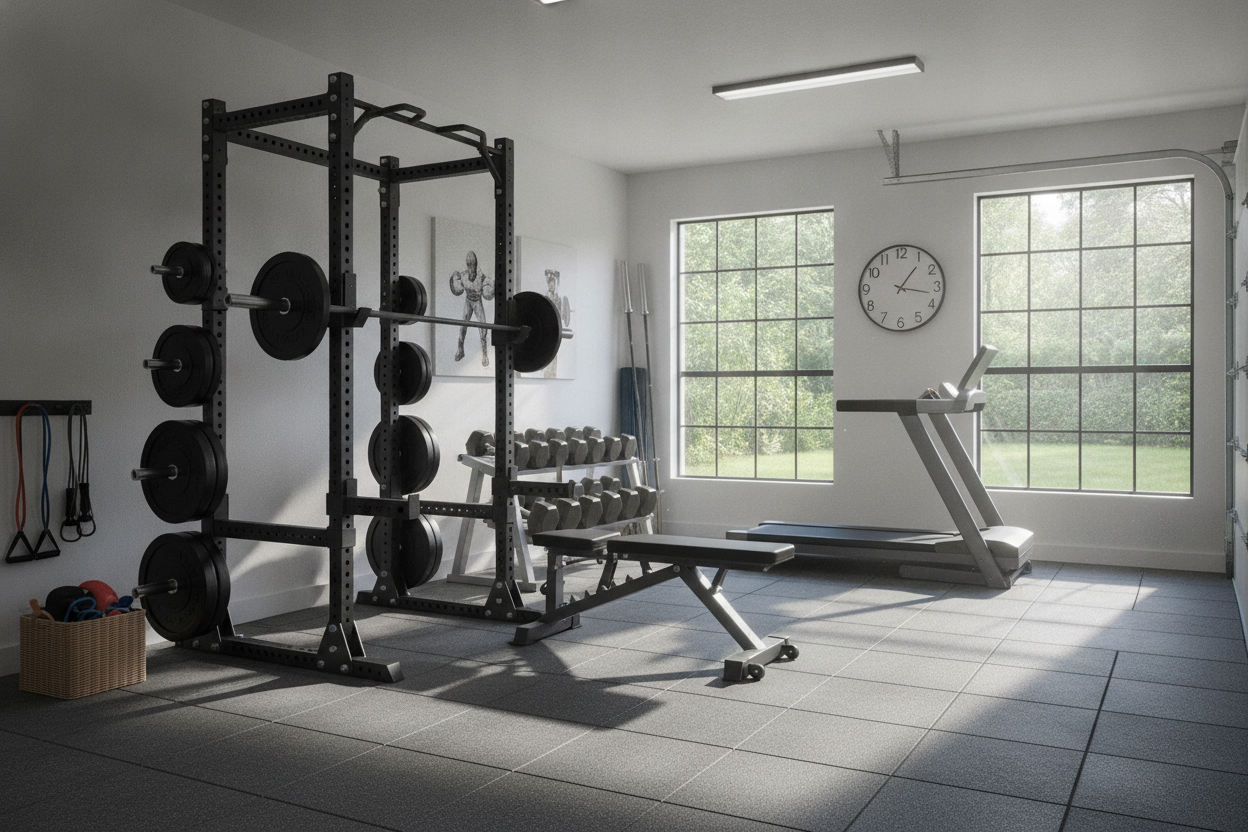
As you start eating to support your actual output, your numbers are going to climb. Fast. That budget rack you bought with the thin 14-gauge steel might start to feel a little sketchy when you are repping out weights that used to be your one-rep max. If you are finally fueling like a pro, you need to train on gear that won't fail under the pressure of your new PRs.
Eventually, you will outgrow the entry-level stuff. You will need higher-end home gym machines for strength and bodybuilding that can handle 11-gauge steel requirements and high weight capacities. There is nothing more distracting during a heavy set than feeling your equipment flex or wobble because it wasn't built for the strength you have developed through proper fueling.
A Zero-BS Baseline for Fueling Your Lifts
If you want to feel stronger under the bar today, stop overcomplicating the kitchen. First, add 50g of carbs to your pre-workout meal. Second, double your salt intake—especially if you train in a high-heat environment. Third, stop weighing yourself every morning; it is a distraction from your performance goals. If the weight on the bar is going up and your waistline is stable, you are winning.
I once tried to cut weight while peaking for a local meet. I lost four pounds of body weight and thirty pounds off my total in three weeks. I felt like a shell of myself. Focus on the weight on the bar, and the body composition will usually take care of itself as long as you are moving heavy iron consistently and eating for recovery.
How many carbs do I really need?
If you are lifting heavy for an hour or more, aim for at least 2g of carbs per pound of bodyweight. If you feel sluggish during your accessory work, bump it up. It is fuel, not a reward.
Is protein still the priority?
Protein is the building block, but carbohydrates are the workers who build the house. Aim for 1g per pound of bodyweight and then fill the rest of your calories with quality carbs and fats.
Should I eat right before I lift?
Yes, but keep it simple. A bagel or some fruit 30-60 minutes before you hit the garage will give you the blood glucose spike you need for heavy triples. Avoid high fiber or high fat right before training to prevent stomach issues.