The Ultimate 1 Hour Weight Loss Workout Routine for Your Home Gym
Why a 1 Hour Workout for Weight Loss Works
When it comes to transforming your physique, the 1 hour weight loss workout is often cited as the gold standard for home fitness. This duration provides enough time to move through a comprehensive physiological progression without leading to the diminishing returns often seen in excessively long sessions. The effectiveness of a 60-minute session is largely rooted in the science of metabolic demand and the afterburn effect, technically known as Excess Post-exercise Oxygen Consumption (EPOC). During a high-intensity 1 hour workout for weight loss, the body consumes oxygen at an accelerated rate to meet the energy demands of the movement.
After the session concludes, the metabolism remains elevated as the body works to restore oxygen levels, clear metabolic byproducts, and repair muscle tissue. Balancing cardiovascular exercise with strength training is a highly efficient way to optimize fat loss. While cardiovascular activity burns calories during the movement, resistance training helps maintain and build lean muscle mass, which contributes to a higher resting metabolic rate. By combining these two modalities into a single 1 hour workout to lose weight, you create a powerful stimulus that targets fat stores while preserving muscle. Sixty minutes is the ideal window to fit in a thorough warm-up, a high-intensity cardiovascular spike, a dedicated strength circuit, and a restorative cool-down.
Setting Up Your Space: The Foundation of a Great Home Workout
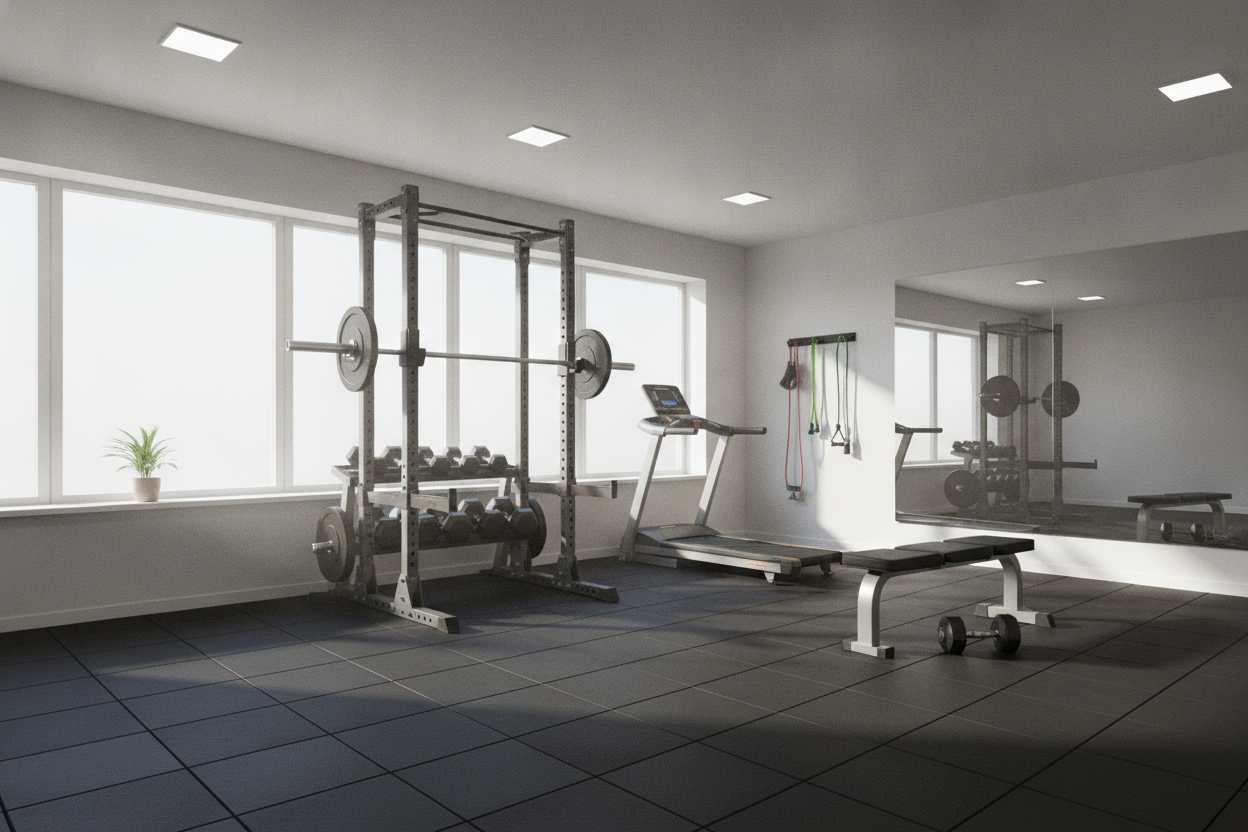
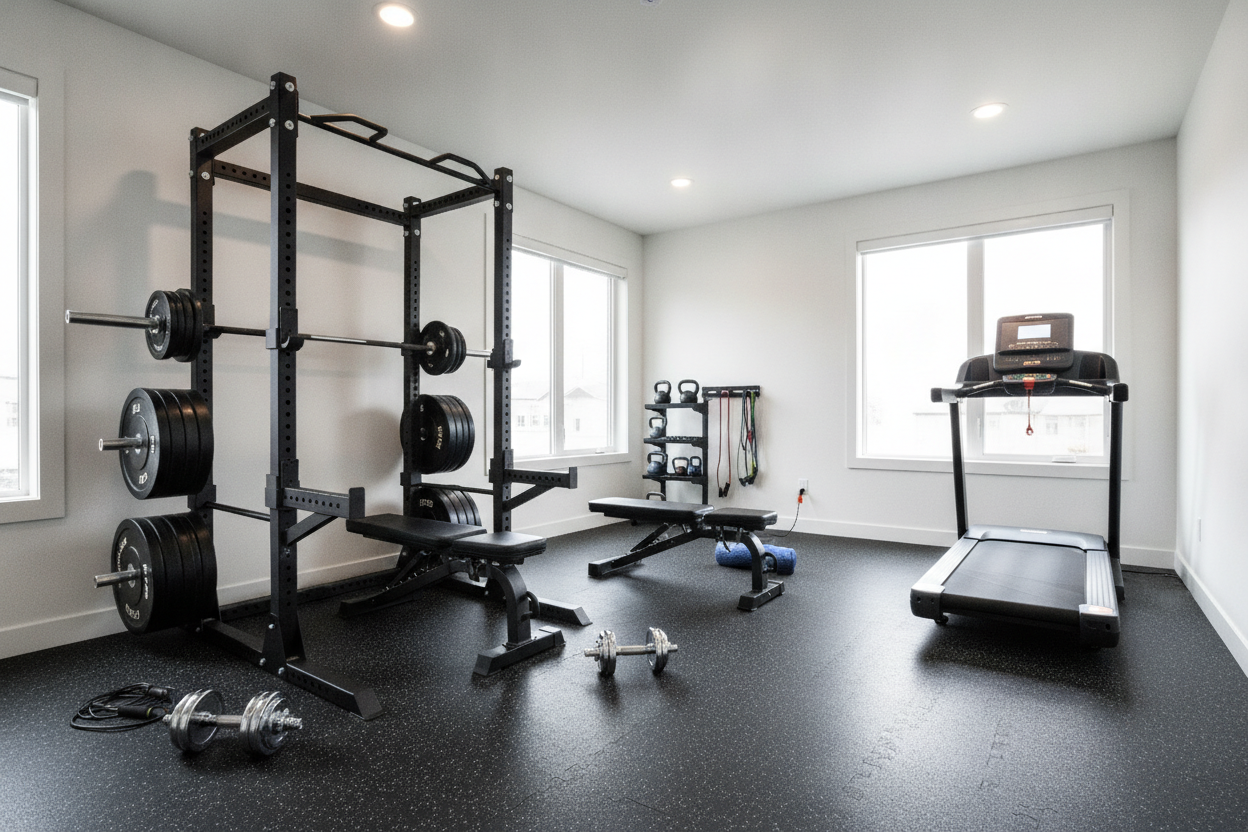
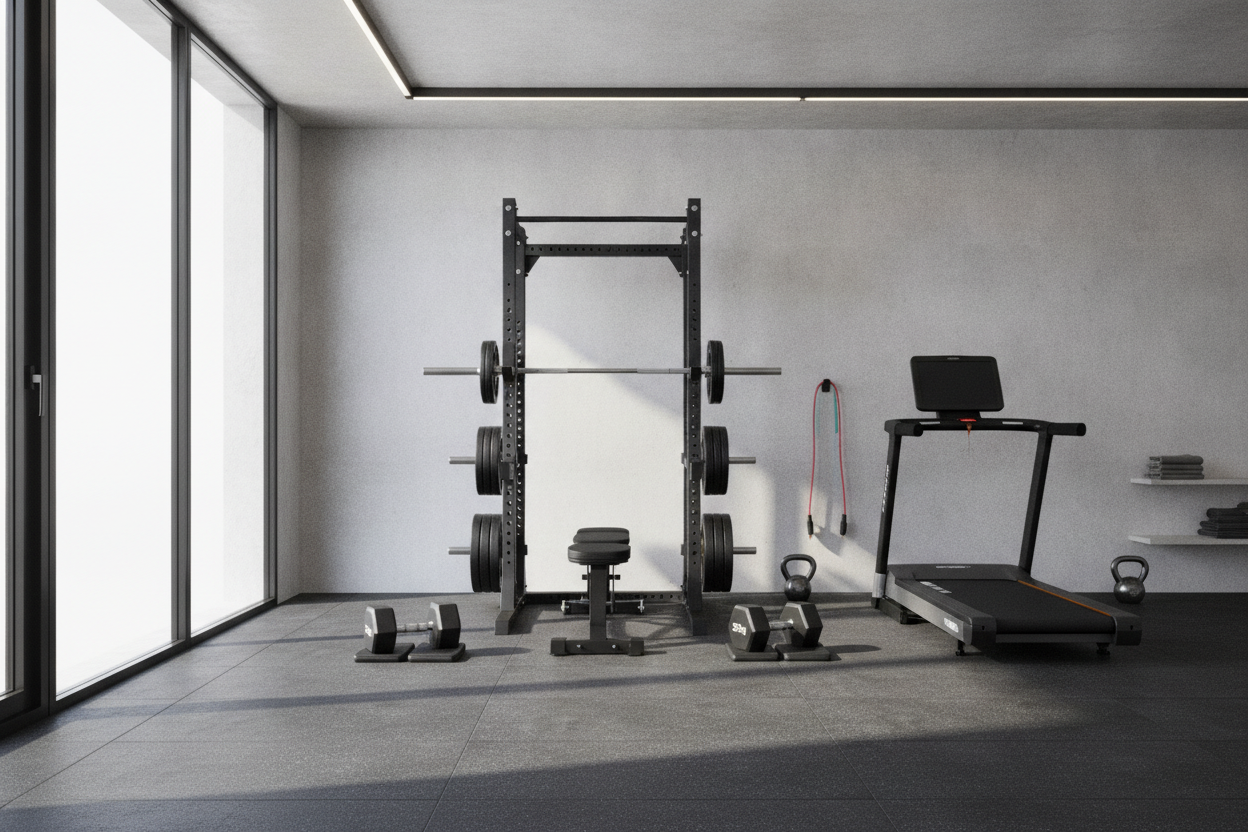
Before beginning any 1 hour workout routine to lose weight at home, the physical environment must be prepared. A common mistake is attempting high-impact movements on unsuitable surfaces like hardwood, tile, or thin carpet. Defining your workout area is not just about aesthetics; it is about protecting your home's flooring from sweat, impact, and the inevitable wear and tear of heavy equipment. A dedicated surface like a 6x10ft exercise mat yoga mat gym flooring for home workout provides the necessary boundaries for your session.
Choosing the right gym flooring is critical for joint health. During plyometrics and high-intensity intervals, your knees, ankles, and lower back absorb significant force. A high-density mat acts as a shock absorber, cushioning these joints and allowing you to maintain intensity throughout the full hour. I find that having a dedicated, oversized mat creates a psychological 'zone' that makes it much easier to commit to the full sixty minutes. Additionally, organize your dumbbells and kettlebells at the edge of your mat to ensure seamless transitions between exercises, which keeps your heart rate in the target fat-burning zone.
The Best 1 Hour Workout to Lose Weight: Step-by-Step Routine
The best 1 hour workout for weight loss is one that is structured to keep the heart rate elevated while challenging multiple muscle groups. This routine is divided into four distinct phases. By following this 60-minute structure, you ensure that no part of the body is neglected and that the intensity remains high enough to trigger a significant metabolic response. This balance of variety and intensity is what qualifies this as the best 1 hour workout to lose weight for those training in a home environment.
Phase 1: Dynamic Warm-Up (10 Minutes)
Never skip the warm-up. This phase is designed to prepare the joints and muscles for high-impact movements by increasing blood flow and core temperature. Unlike static stretching, dynamic movements prime the nervous system for the work ahead. Spend ten minutes performing the following:
- Arm Circles: 1 minute of forward and backward rotations to loosen the shoulder girdle.
- Leg Swings: 1 minute per leg, swinging side-to-side and front-to-back to open the hips.
- High Knees: 2 minutes of running in place, bringing the knees toward the chest to elevate the heart rate.
- Walkouts: 2 minutes of reaching for the floor, walking the hands out to a high plank position, and walking back to a stand.
- Bodyweight Squats: 2 minutes of controlled squats to activate the glutes and quads.
Phase 2: High-Intensity Interval Training (20 Minutes)
This phase is designed to spike the heart rate for maximum caloric expenditure. HIIT is effective for weight loss because it forces the body to work at near-maximal capacity for short bursts. For a deeper look at similar high-intensity structures, you might explore a 50 min tabata and pilates workout weight loss supercombo strength best way to lose belly fat. For this 20-minute block, perform each exercise for 45 seconds, followed by 15 seconds of rest. Repeat the circuit four times:
- Burpees: A full-body move involving a squat, a jump back to a plank, a push-up, and an explosive jump upward.
- Mountain Climbers: From a plank position, drive the knees toward the chest in a rapid, alternating fashion.
- Jump Squats: A standard squat followed by an explosive vertical jump, focusing on soft landings.
- Skater Jumps: Lateral jumps from side to side, landing on one foot to enhance stability and coordination.
A shock-absorbing mat is vital during this phase. The repetitive jumping and landing can lead to joint fatigue if performed on a hard surface, but a quality mat dissipates the energy of the impact, allowing you to push harder for longer.
Phase 3: Strength Training Circuit (20 Minutes)
Once the cardiovascular system is primed, transition into strength training. This phase focuses on building lean muscle to support your metabolic rate. You can find more targeted strength ideas in our guide on how to build real mass with this upper body weight workout routine. Perform the following circuit four times, with 60 seconds of rest between rounds:
- Dumbbell Thrusters: Hold dumbbells at shoulder height, perform a full squat, and press the weights overhead as you stand.
- Renegade Rows: In a high plank position with hands on dumbbells, row one weight to the hip while stabilizing the core, then alternate.
- Goblet Squats: Hold a single weight at chest height and perform deep squats, keeping the chest upright.
- Push-ups: Maintain a rigid plank and lower the chest to the floor, focusing on full range of motion.
Durable flooring plays a significant role here. It protects your subfloor from dropped weights and provides a non-slip surface, ensuring your feet remain planted during heavy lifts. A stable base is the key to safe and effective strength training.
Phase 4: Core & Cool Down (10 Minutes)
The final ten minutes are dedicated to targeting the midsection and safely lowering the heart rate. Utilizing a comfortable surface like a 6x10ft yoga mat exercise mat gym flooring for home workout is essential for floor-based work to prevent discomfort in the spine and hips. Perform:
- Planks: Hold a forearm plank for 45 seconds, focusing on a straight line from head to heels, followed by 15 seconds of rest. Repeat twice.
- Bicycle Crunches: 2 minutes of controlled rotations, bringing the opposite elbow to the opposite knee.
- Static Stretching: 6 minutes focusing on the hamstrings, hip flexors, chest, and shoulders to aid recovery.
Maximizing Your 1 Hour Workout Routine to Lose Weight at Home
Consistency is the most critical factor in any fitness journey. To see results, aim to perform this routine three to four times per week, allowing for recovery days in between. Progressive overload—gradually increasing the weight you lift or the intensity of your HIIT intervals—will ensure you continue to make progress. Proper hydration is also paramount; ensure you are drinking water before, during, and after your session.
Maintaining your gym flooring is also part of the routine. High-quality mats are easy to clean; a simple wipe-down with a damp cloth after a sweaty session prevents odors and keeps your workout space hygienic. For those looking to vary their training further, exploring our workout hub can provide fresh inspiration and new routines to keep your fitness journey engaging and effective.