One Year Lifting Progress: Lessons Learned & How My Home Gym Evolved
Reaching the milestone of one year lifting progress is a significant achievement for any fitness enthusiast. This twelve-month journey often represents the transition from a curious beginner to a dedicated trainee. During this time, the initial excitement of starting a new routine evolves into a disciplined lifestyle. While the physical changes are often the most visible markers of success, the mental shifts and the evolution of one’s training environment are equally important. For those training at home, this first year often reveals that as strength increases, the requirements for your space and equipment must also grow to keep pace with your development.
The Reality of Weight Lifting 1 Year Progress
The first twelve months of training are frequently characterized by what is known as "newbie gains." This period is marked by rapid neurological adaptations and muscle growth as the body responds to the novel stimulus of resistance training. In the beginning, almost any consistent movement leads to progress. However, as you move deeper into your weight lifting 1 year progress, the importance of progressive overload becomes paramount. This principle involves gradually increasing the weight, frequency, or number of repetitions in your strength training routine to continue challenging your musculoskeletal system.
As you progress, exercise selection often shifts. Many lifters start with basic bodyweight movements or simple isolation exercises. By the end of the first year, the focus typically moves toward more complex, compound lifts that require greater stability and coordination. You may also find that consistency outweighs the need for a "perfect" program. The lifters who see the most significant bodybuilding 1 year progress are usually those who showed up even on days when motivation was low, rather than those who constantly switched routines in search of a magic formula.
How Equipment Needs Change: From Dumbbells to Machines
When most people begin lifting weights for a year, they start with minimal gear. A few pairs of dumbbells and perhaps an adjustable bench are often sufficient for the first few months. However, as the weights get heavier and the desire for muscle isolation increases, the limitations of basic equipment become apparent. You may find that you quickly outgrow your initial dumbbell set, requiring heavier resistance to maintain the necessary intensity for growth.
This is often the stage where home gym owners begin looking into weight lifting machines. While free weights are excellent for building foundational strength and stability, dedicated machines allow for targeted muscle isolation and can provide a safer environment for pushing to failure without the need for a spotter. Incorporating machines like cable crossovers, lat pulldowns, or leg presses can add much-needed variety and volume to a maturing program. As your strength increases, evaluating your available space for these larger pieces of equipment becomes a necessary part of your home gym’s evolution.
The Unsung Hero of Bodybuilding 1 Year Progress: Gym Flooring
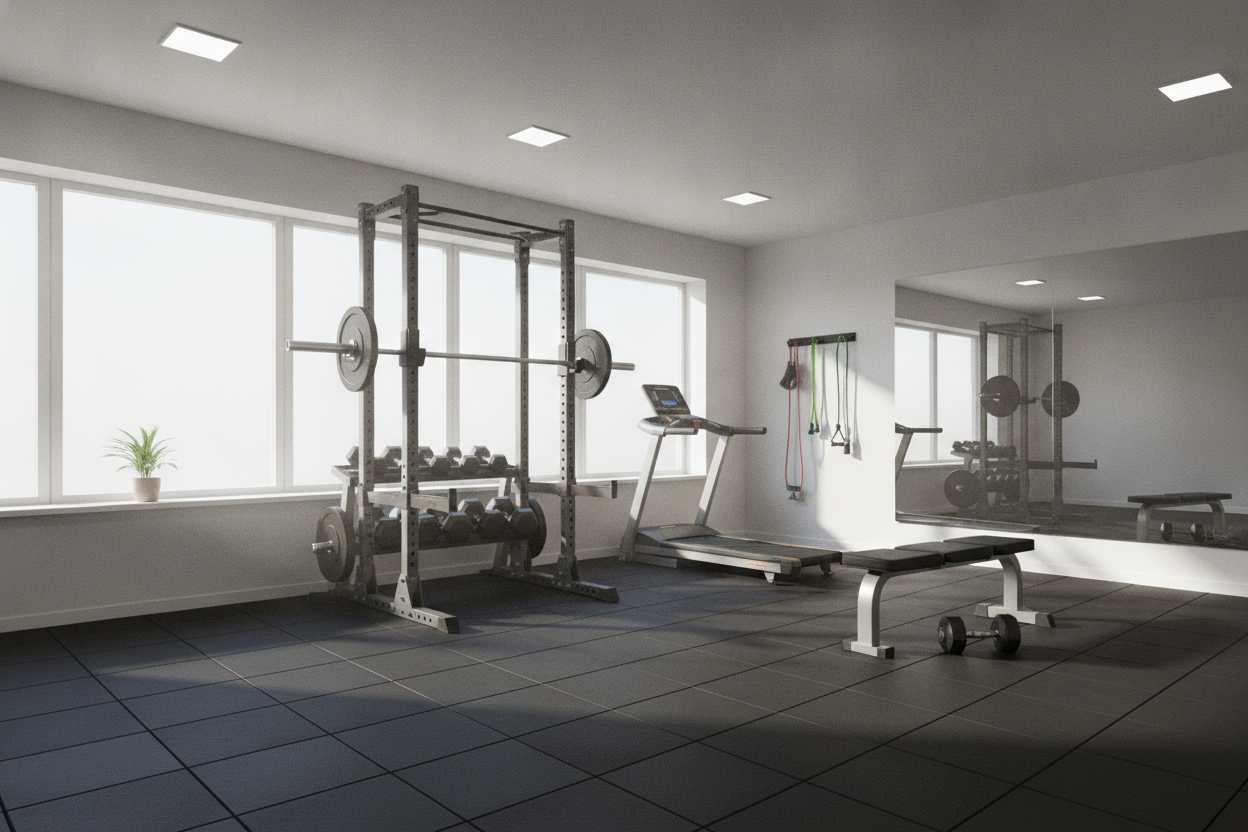
One of the most overlooked aspects of a developing home gym is the flooring. In the early stages, a thin yoga mat or even a carpeted floor might seem adequate. However, as you progress to heavier deadlifts, squats, and rows, the physical demands on your home’s subflooring increase dramatically. Lifting heavier weights makes professional-grade room protection non-negotiable. High-quality rubber flooring serves several critical functions that support long-term progress.
First, it acts as a shock absorber. When heavy metal plates are set down or accidentally dropped, the impact force can easily crack concrete or gouge hardwood floors. Thick, high-density mats distribute this force, protecting the structural integrity of your home. Second, flooring is essential for noise reduction, which is a major consideration for anyone training in a shared living space or a garage. Finally, specialized gym flooring provides the necessary grip and stability. As you lift heavier, any slipping or instability underfoot can lead to poor form or injury. A dedicated lifting surface ensures that your feet remain planted, allowing you to focus entirely on the lift.
Equipment Placement and Maintenance in Your Home Gym
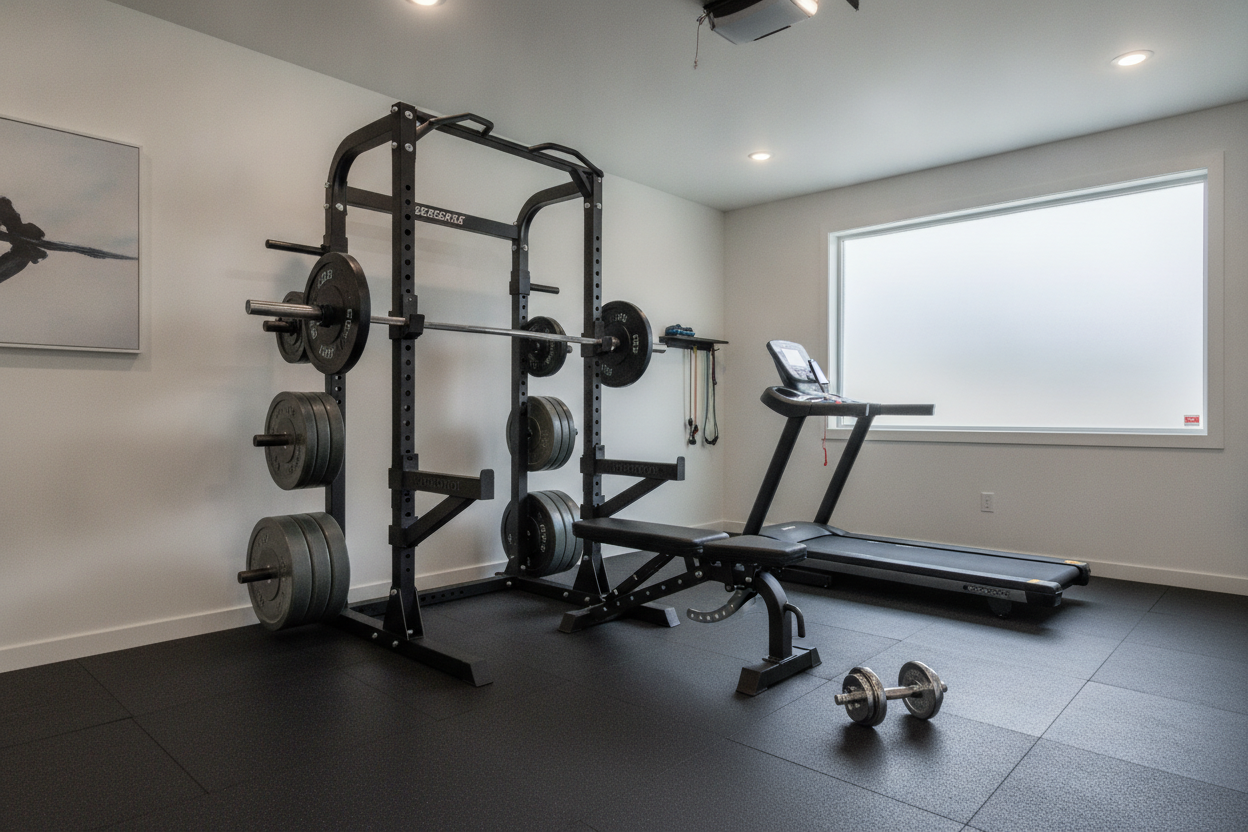
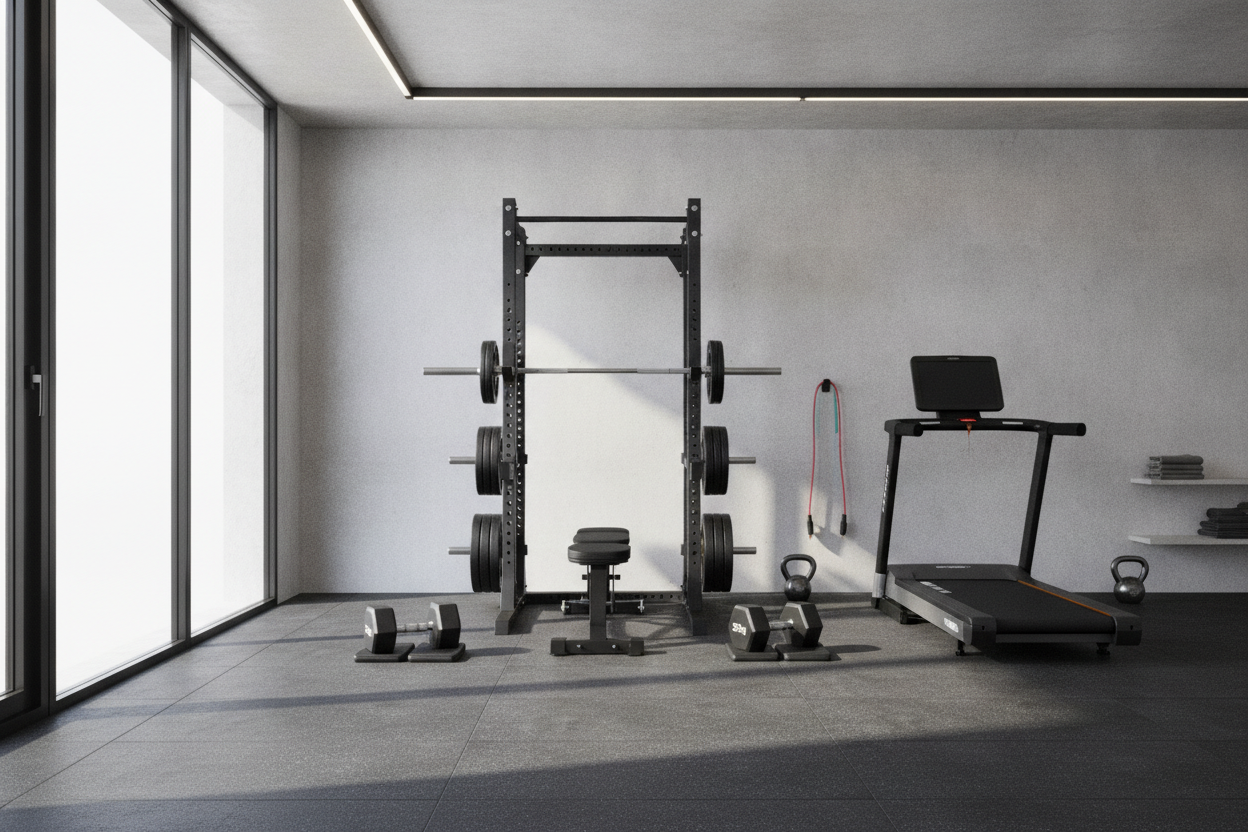
As your collection of equipment grows, strategic placement becomes vital for both safety and efficiency. A cluttered gym can lead to accidents and may even discourage you from training. Creating a dedicated lifting zone helps in establishing a routine. I personally found that the transition from a cluttered corner to a dedicated lifting zone was the single biggest factor in maintaining my consistency throughout the year. Arrange your equipment to allow for a natural flow between exercises, ensuring there is enough clearance around weight lifting machines and power racks.
Maintenance is another key factor in sustaining your progress. Sweat, dust, and heavy use can take a toll on both your gear and your flooring. Regularly cleaning your mats and wiping down steel equipment prevents rust and hygiene issues. Checking for wear and tear, such as frayed cables on machines or thinning spots on your flooring, ensures that your environment remains safe for the heavier loads you will inevitably be lifting in year two.
Lessons Learned: Smart Upgrades vs. Wasted Money
Reflecting on the first year often reveals a few purchasing mistakes. It is easy to get caught up in the excitement and buy every accessory advertised on social media. However, many lifters find that high-tech gadgets and niche accessories often collect dust. Before making a major purchase, it is wise to stop buying weight lifting equipment weights until you read this and consider if the item truly fills a gap in your training.
Similarly, you should evaluate whether are smart weight lifting machines worth the hype the honest truth for your specific goals. While technology can provide data and tracking, the basics—heavy weights, a solid bench, and a durable floor—remain the foundation of any successful bodybuilding 1 year progress. Knowing when to invest in high-quality basics versus when to experiment with new technology is a skill that develops as you become more attuned to your body’s needs.
Home Gym vs. Commercial Gym: Why I Stayed Home
After a year of training, many lifters contemplate whether they should move to a commercial facility. While commercial gyms offer a wide variety of equipment, the convenience and customization of a home setup are hard to beat. You may wonder, does planet fitness have weight lifting equipment the honest truth, or if a local powerhouse gym is better. However, having a private sanctuary where you never have to wait for a rack or deal with crowds is a massive advantage for long-term consistency.
By following an academy weight lifting the definitive home gym guide, you can continue to refine your space to meet the demands of an intermediate lifter. Your home gym is more than just a place to work out; it is a reflection of your commitment to your health. As you prepare for your second year of lifting, focus on the equipment and environment that will support your next level of strength and physical transformation.