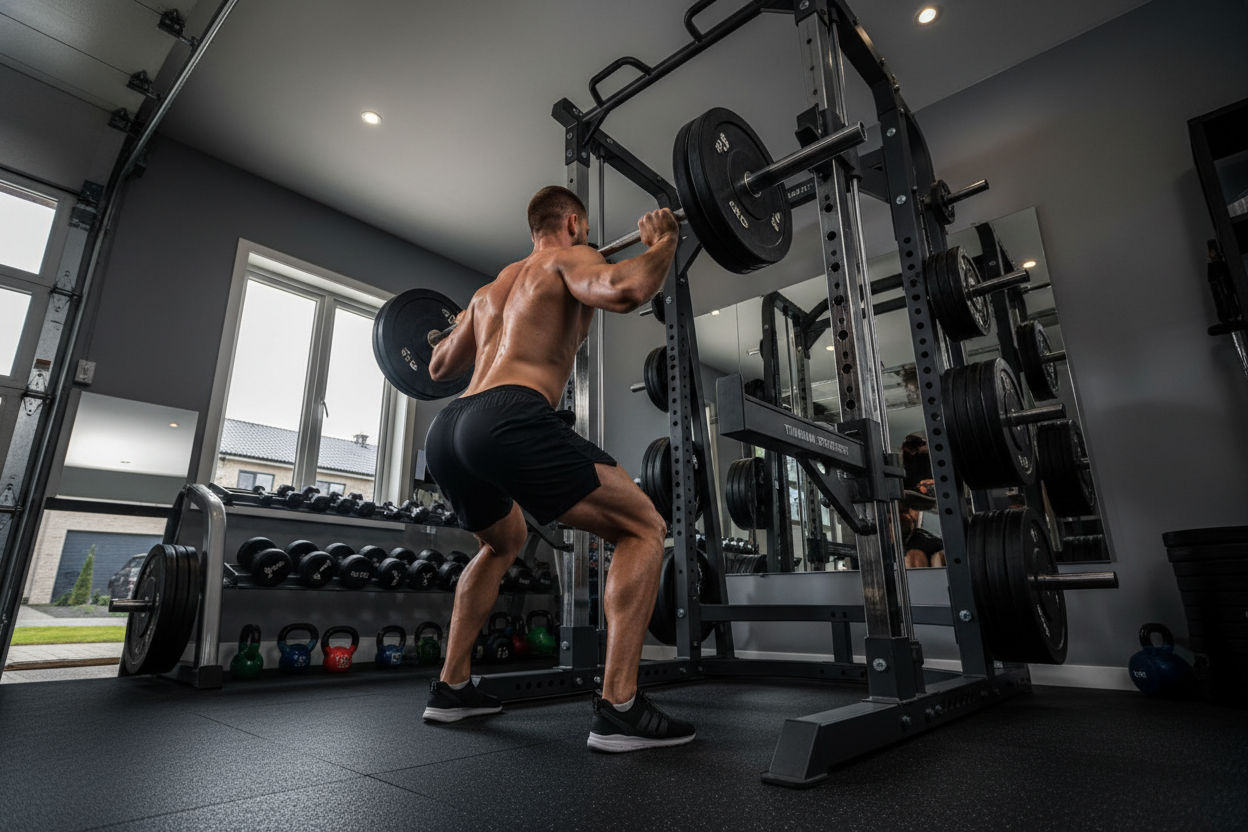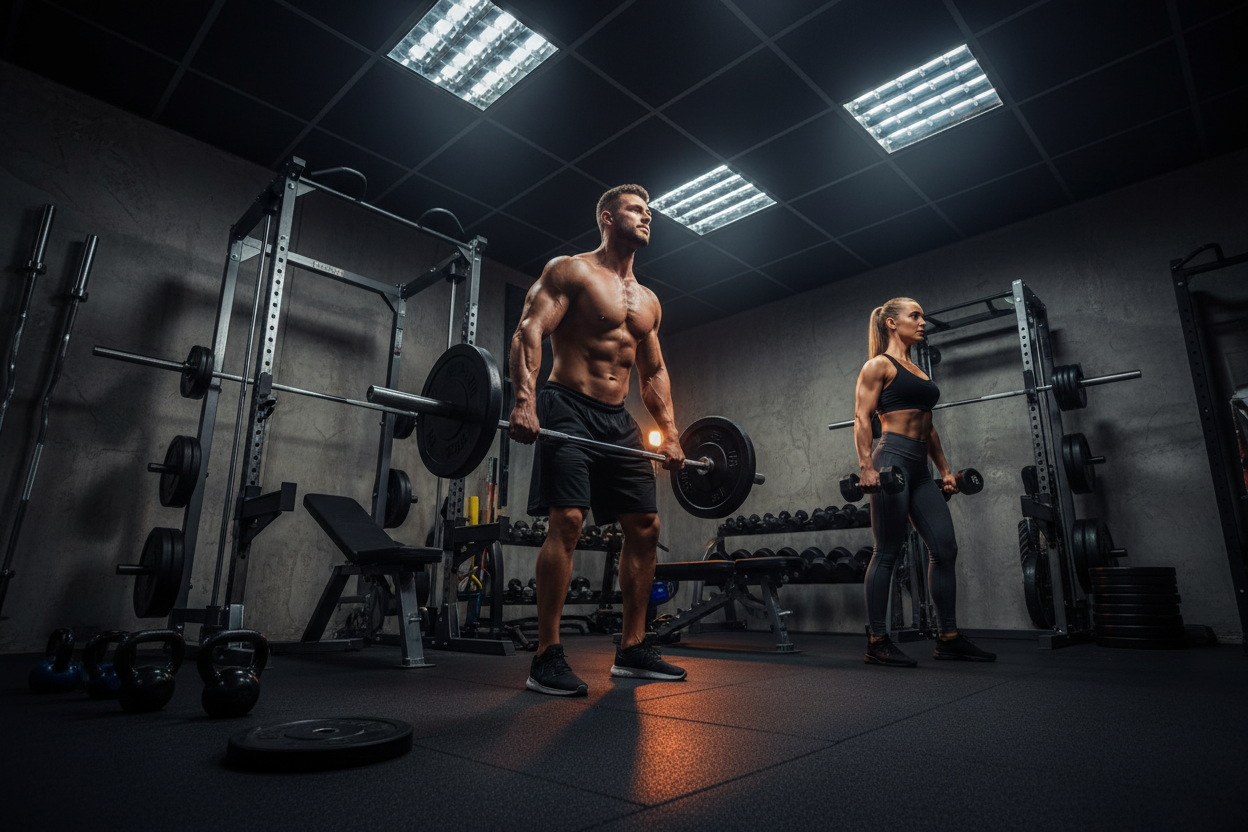
Stop Buying Weight Lifting Equipment Weights Until You Read This
You finally decided to build a garage gym. You go online, type in weight lifting equipment weights, and suddenly you are staring at thousands of options ranging from dollar-per-pound iron to high-end urethane bumpers that cost more than a used car.
Most people rush this process. They buy the cheapest set they find, only to realize the hole diameter doesn't fit their barbell, or the plates crack the concrete floor on the first deadlift. If you want to train seriously without burning cash, you need to understand the mechanics of what you are buying, not just the price tag.
Quick Summary: Choosing the Right Iron
- Check the Diameter: Always distinguish between Standard (1-inch hole) and Olympic (2-inch hole). They are not compatible.
- Material Matters: Use Bumper plates (rubber) for dropping weights (CrossFit/Olympic lifting). Use Cast Iron for static lifts (Squats/Bench) to save space.
- The "Hex" Factor: For dumbbells, hex shapes prevent rolling; for plates, round is better for deadlifting mechanics.
- Price Benchmark: Aim for roughly $1.50 to $2.00 per pound for new iron. Anything significantly cheaper usually sacrifices calibration accuracy.
The Anatomy of Plates: Iron vs. Bumpers
When looking for home exercise equipment weights, the first decision is material. This isn't just about aesthetics; it dictates what exercises you can safely perform.
Cast Iron: The Old School Standard
Cast iron plates are dense, thinner, and durable. They are excellent for loading heavy weight onto a bar because you can fit more of them on the sleeve. However, they are loud. If you drop these, they will damage your floor and potentially crack the plate itself.
Bumper Plates: Function Over Form
If your routine involves cleaning, snatching, or deadlifting where the bar returns to the floor rapidly, you need bumper plates. These are made of high-density rubber. They bounce, protecting both your floor and the barbell's bearings. The downside? They are thick. You might run out of sleeve space on the bar if you are lifting extremely heavy.
The Compatibility Trap: Standard vs. Olympic
This is the most common mistake beginners make when they buy home gym weights.
Standard Weights have a 1-inch center hole. These are typically found in beginner sets and "big box" sporting goods stores. They generally have a lower weight capacity on the bars.
Olympic Weights have a 2-inch center hole. This is the gold standard for gyms and serious home setups. If you are looking for workout equipment and weights that will last a lifetime and hold resale value, go Olympic. Do not mix and match; a 2-inch plate will slide right off a 1-inch bar, and a 1-inch plate won't fit an Olympic sleeve.
Dumbbells: Adjustable vs. Fixed
Space is often the enemy of the home gym. When sourcing weights for fitness, specifically dumbbells, you have two paths.
Fixed Dumbbells: These are the classic gym style. They are convenient because you just grab and go. However, a full set from 5lbs to 50lbs takes up a massive amount of floor space and costs a fortune.
Adjustable Dumbbells: For most garage athletes, this is the answer. Modern selectorized dumbbells allow you to change weight with a dial. While they can feel a bit "rattly" compared to fixed iron, they save you the footprint of an entire rack.
Sourcing Your Gear: New vs. Used
The market for home gym equipment weight fluctuates wildly. If you are buying new, pay attention to shipping costs—shipping heavy metal is expensive. Many retailers hide the shipping cost in the price per pound.
If you are looking for gym weights at home on a budget, scour the used marketplace. Rust is rarely a dealbreaker for iron plates. A wire brush and a can of spray paint can restore rusty plates to near-mint condition in an afternoon. However, be wary of buying used bumper plates; if the center metal ring is loose or the rubber is cracking, walk away. They are near the end of their life.
My Personal Experience with weight lifting equipment weights
I remember the first time I decided to outfit my garage. I tried to save money by buying those plastic, cement-filled weights for gym at home. It was a disaster.
I was doing a heavy set of bent-over rows, and the plastic casing on a 25lb plate split open near the handle. Sand and cement dust poured out all over my mats right in the middle of the set. Not only was it a mess to clean up, but the weight was now useless.
Later, when I upgraded to machined iron plates, nobody warned me about the factory grease. I unboxed brand new 45lb plates and my hands were instantly covered in a thick, industrial oil used to prevent rust during shipping. I spent the next hour with a roll of paper towels and degreaser just trying to get them grip-able. The smell of that oil lingered in the garage for a week. It’s a small detail, but it’s the kind of thing you only learn after you’ve actually hauled the iron into your house.
Conclusion
Building a home setup is an investment in your health, but it doesn't require a commercial budget. Focus on Olympic-sized gear for longevity, choose the material that matches your lifting style, and don't be afraid of a little rust if you're buying used. The weights don't know how much you paid for them; they only know gravity.
Frequently Asked Questions
What is the difference between standard and Olympic weights?
The main difference is the hole size. Standard plates have a 1-inch diameter hole, while Olympic plates have a 2-inch diameter hole. Olympic gear is generally higher quality, can handle heavier loads, and is the standard for competitive lifting.
Are cement-filled vinyl weights good for beginners?
They are cheap, but they are not durable. They are much bulkier than iron (limiting how much you can lift) and if the plastic casing cracks, the weight is ruined. Solid iron or rubber is always a better long-term investment.
How much weight should I buy for a home gym?
A good starting point for most lifters is a 300lb set. This usually includes a 45lb barbell and 255lbs of plates (pairs of 45s, 35s, 25s, 10s, 5s, and 2.5s). This gives you enough versatility for almost all compound movements without needing to upgrade immediately.