10 Best Accessory Exercises to Maximize Your Workouts
What is Accessory Work in Weightlifting?
In the world of strength training, the primary focus is often on the 'big three' compound lifts: the squat, bench press, and deadlift. However, to reach your full potential, you must understand what is accessory work in weightlifting and how it integrates into a balanced routine. An accessory exercise, also frequently referred to as assistance lifts, auxiliary movements, or ancillary exercises, is a movement designed to support and improve your primary lifts. While compound movements engage multiple muscle groups and joints simultaneously, secondary exercises allow you to target specific weaknesses or smaller muscle groups that might be lagging.
Understanding what are accessory movements is crucial for anyone looking to build a well-rounded physique or increase their total powerlifting numbers. In a powerlifting accessories exercises context, these movements are selected based on where a lifter 'breaks down' during a main lift. For example, if your chest collapses during a heavy squat, upper back accessory exercises might be the solution to maintain a more upright posture. Essentially, an ancillary workout bridges the gap between general fitness and specialized strength development by focusing on the components that make the whole stronger.
Why You Need Accessory Gym Exercises
The benefits of incorporating accessory gym exercises extend far beyond just adding variety to your routine. One of the primary reasons to utilize best accessory lifts is to fix muscle imbalances. Most athletes have a dominant side or specific muscles that take over during compound movements, which can lead to injury over time. By using auxiliary lifts for upper body and lower body auxiliary lifts, you can isolate these areas and ensure symmetrical development. This targeted approach ensures that no single muscle group becomes a bottleneck for your overall progress.
Furthermore, accessory movement exercises are essential for driving hypertrophy (muscle growth). While heavy triples on the bench press are great for central nervous system adaptation, chest auxiliary lifts and arm accessory exercises provide the volume and time under tension necessary for muscle size. This increased muscle mass eventually provides a larger platform for strength. Additionally, a well-structured accessory workout program acts as a form of 'pre-hab,' strengthening the tendons and smaller stabilizing muscles that protect your joints during maximal efforts. By addressing these smaller components, you create a more resilient body capable of handling the stresses of heavy lifting.
How to Program Accessory Work
A common question among home gym enthusiasts is, "how many accessory exercises should i do?" The answer depends on your training split and recovery capacity, but generally, adding multiple best accessory workouts per session is a sustainable starting point. When determining how many exercises in full body workout plans actually work, it is important to prioritize the main lift first and then follow up with movements that address your specific needs. Overloading on too many movements can lead to excessive fatigue, so the goal is to find the minimum effective dose that yields progress.
For a full body accessory workout, you might choose one push, one pull, and one single-leg movement. Programming typically involves moderate repetition ranges and controlled intensity. This allows you to accumulate volume without the extreme systemic fatigue associated with heavy compound lifting. Consistency is key; your accessory workout program should evolve as your weaknesses change, ensuring you are always attacking your most significant limiters. How to program accessory work effectively involves listening to your body and adjusting the volume based on how well you recover between sessions.
5 Best Upper Body Accessory Exercises
Focusing on upper body assistance exercises and upper body auxiliary exercises is the best way to build a powerful torso and stable shoulders. These movements are essential for arm accessory workouts and back accessories workout routines. Here are five essential movements:
- Dumbbell Rows: One of the best back accessory exercises, rows build thickness in the lats and rhomboids, providing a stable base for the bench press. They are a staple in any back accessories workout.
- Incline Dumbbell Press: A staple chest auxiliary lift that targets the upper pectoral fibers and improves shoulder stability. This is one of the most effective push day accessory exercises for building a well-rounded chest.
- Tricep Extensions: Essential arm accessory exercises that directly contribute to a stronger lockout on overhead presses and benching. Strong triceps are the foundation of pressing power.
- Face Pulls: These are vital upper back accessory exercises for rear deltoid health and improving posture. They help counteract the forward-slumping posture often caused by heavy benching.
- Bicep Curls: While often seen as purely aesthetic, strong biceps protect the elbow joint during heavy pulling movements and are a key part of arm accessory workouts.
When performing heavy dumbbell accessory work, protecting your home gym floor is paramount. Utilizing a 6x10ft exercise mat yoga mat gym flooring for home workout ensures that dropped weights won't damage your subfloor and provides a stable, non-slip surface for standing rows and presses. This protection is especially important when you are pushing to failure on accessory upper body exercises.
5 Best Leg Accessory Exercises
Effective leg accessory work is what separates a decent squat from a great one. These auxiliary leg exercises and accessory leg workouts target the posterior chain and unilateral stability, which are often missed by standard compound lifts. Here are the best leg accessory exercises to include:
- Bulgarian Split Squats: Widely considered one of the best leg accessory exercises for building quad strength and identifying side-to-side imbalances. They are a cornerstone of accessory leg workouts.
- Romanian Deadlifts (RDLs): A premier lower body auxiliary lift for hamstring and glute development. RDLs teach you to hinge properly, which carries over to your main deadlift.
- Glute Bridges: Excellent leg day accessories for isolating the glutes without taxing the lower back. They are perfect for those looking to improve lockout strength.
- Calf Raises: Often overlooked, strong calves provide the necessary ankle stability for all standing accessory movement exercises.
- Walking Lunges: A dynamic movement that builds functional strength and coordination. These are excellent auxiliary leg exercises for improving overall athleticism.
Personally, I find that performing unilateral movements on a high-density mat provides a much more predictable surface than bare concrete or thin carpeting. For these best leg accessory exercises, having a large exercise mat for home gym setup allows for a full range of motion during lunges while maintaining grip and cushioning for your joints. A stable surface is non-negotiable when balancing on one leg during intense leg accessory work.
Setting Up Your Home Gym for Accessory Workouts
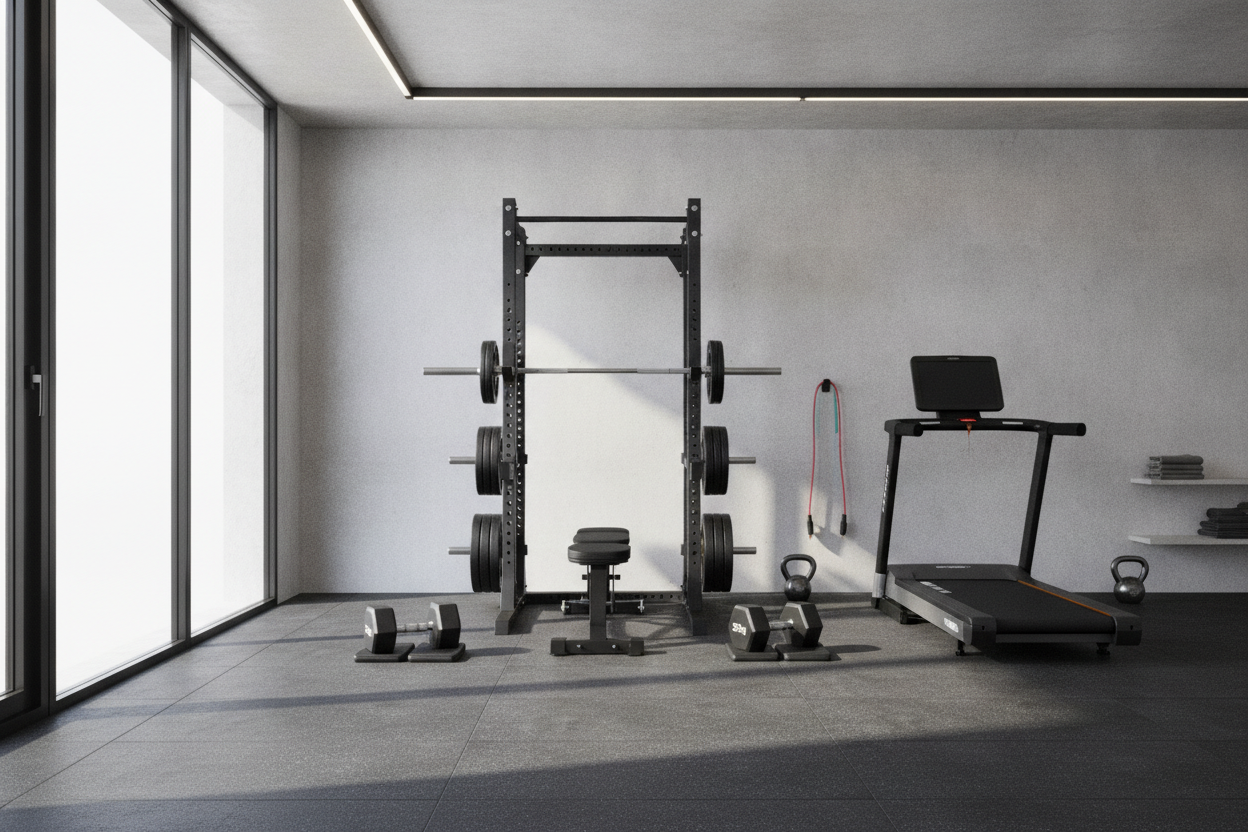
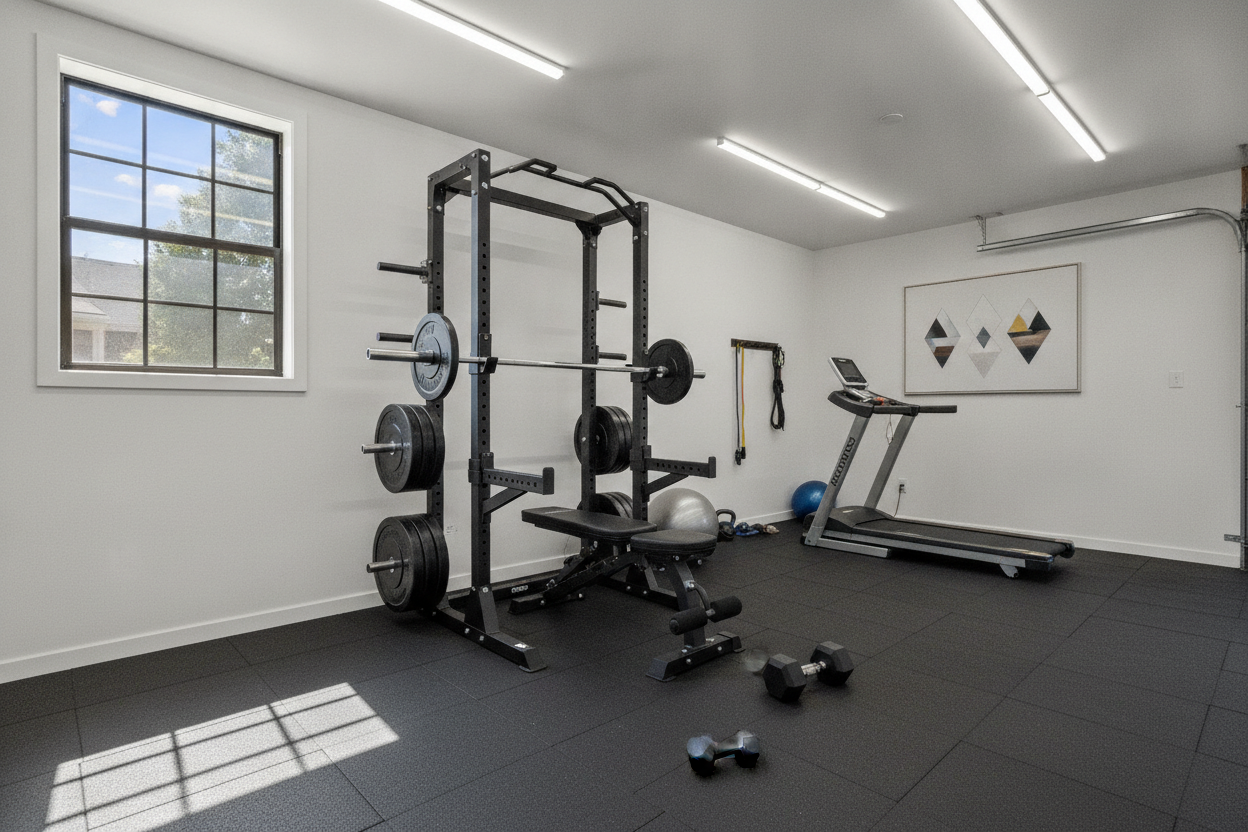
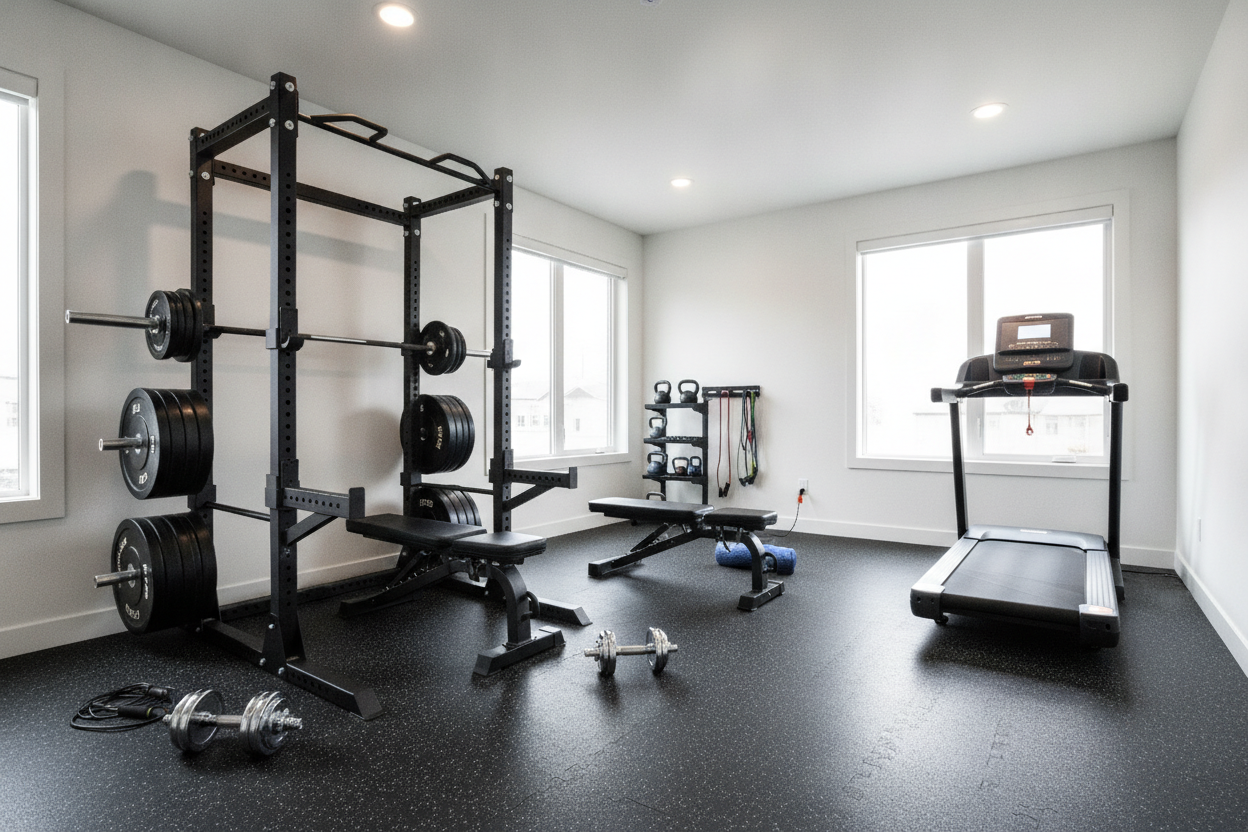
To get the most out of your list of accessory exercises, your environment must support the work. This means having enough space to move and the right equipment to perform ancillary exercises safely. Proper equipment placement allows you to transition quickly from your main lift to your secondary exercises, keeping your heart rate elevated and your workout efficient. You can find more tips on best exercises for full body workout stop wasting your gym time to streamline your sessions and maximize your results.
Finally, never underestimate the role of high-quality flooring. Whether you are doing floor-based arm accessory exercises or heavy powerlifting accessories exercises, a 6x10ft yoga mat exercise mat gym flooring for home workout provides the necessary impact absorption. This not only protects your equipment but also reduces the noise and vibration that can be a nuisance in a home setting. By combining the right accessory exercise selection with a professional-grade workout surface, you create an environment where progress is inevitable and your joints are protected during every ancillary workout.