10 Best Exercises to Start Growing Your Booty at Home
Introduction: The Rise of Glute-Focused Training
In the evolving landscape of fitness, the rise of glute-focused training—often colloquially referred to as "booty sports"—has transformed how we approach lower-body conditioning. Building strong, well-developed glutes is no longer just about aesthetics; it is a fundamental component of athletic performance, core stability, and spinal health. However, transitioning these intensive workouts to a home environment requires more than just a set of dumbbells or resistance bands. It requires a strategic approach to exercise selection and, perhaps more importantly, a safe and supportive foundation. The gluteal complex is comprised of three primary muscles: the gluteus maximus, gluteus medius, and gluteus minimus. Together, these muscles are responsible for hip extension, internal and external rotation, and abduction, making them the functional powerhouse of the human body.
Why Your Home Gym Flooring Matters for Leg Day
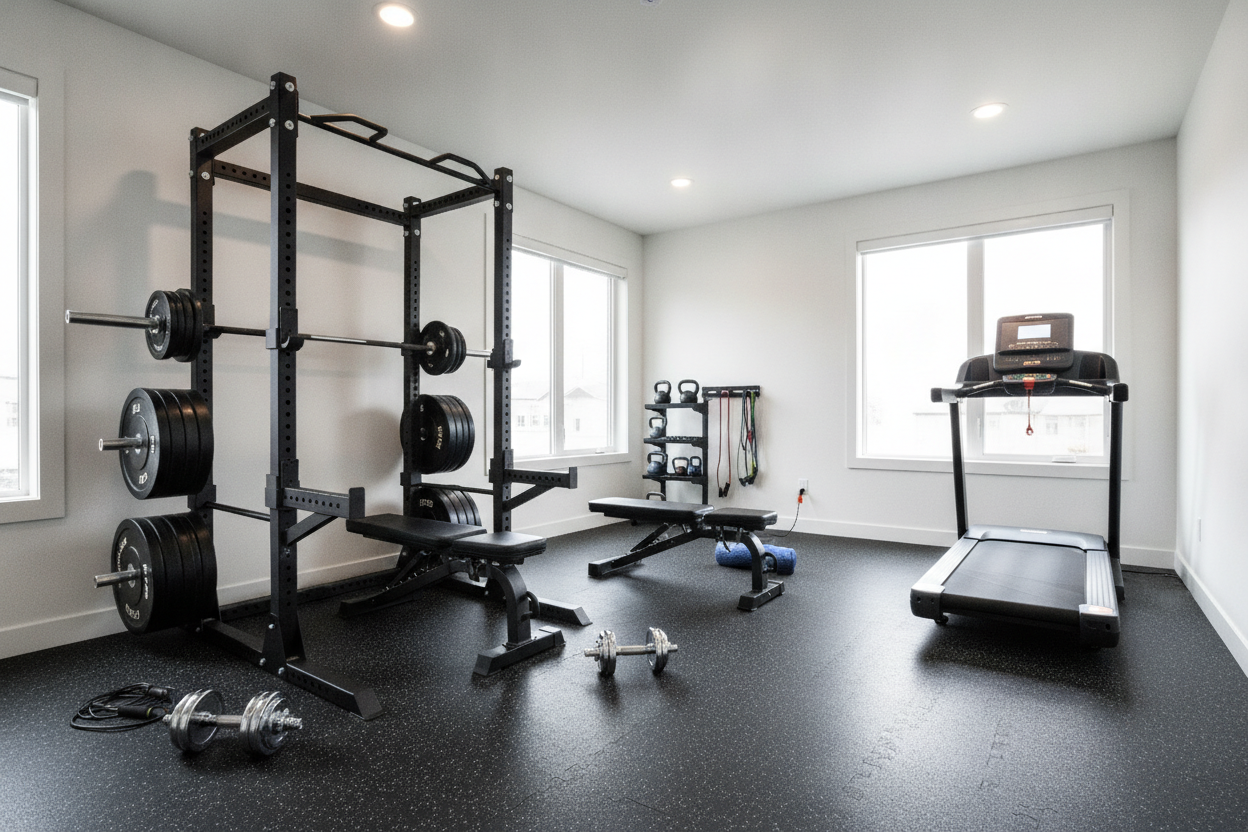
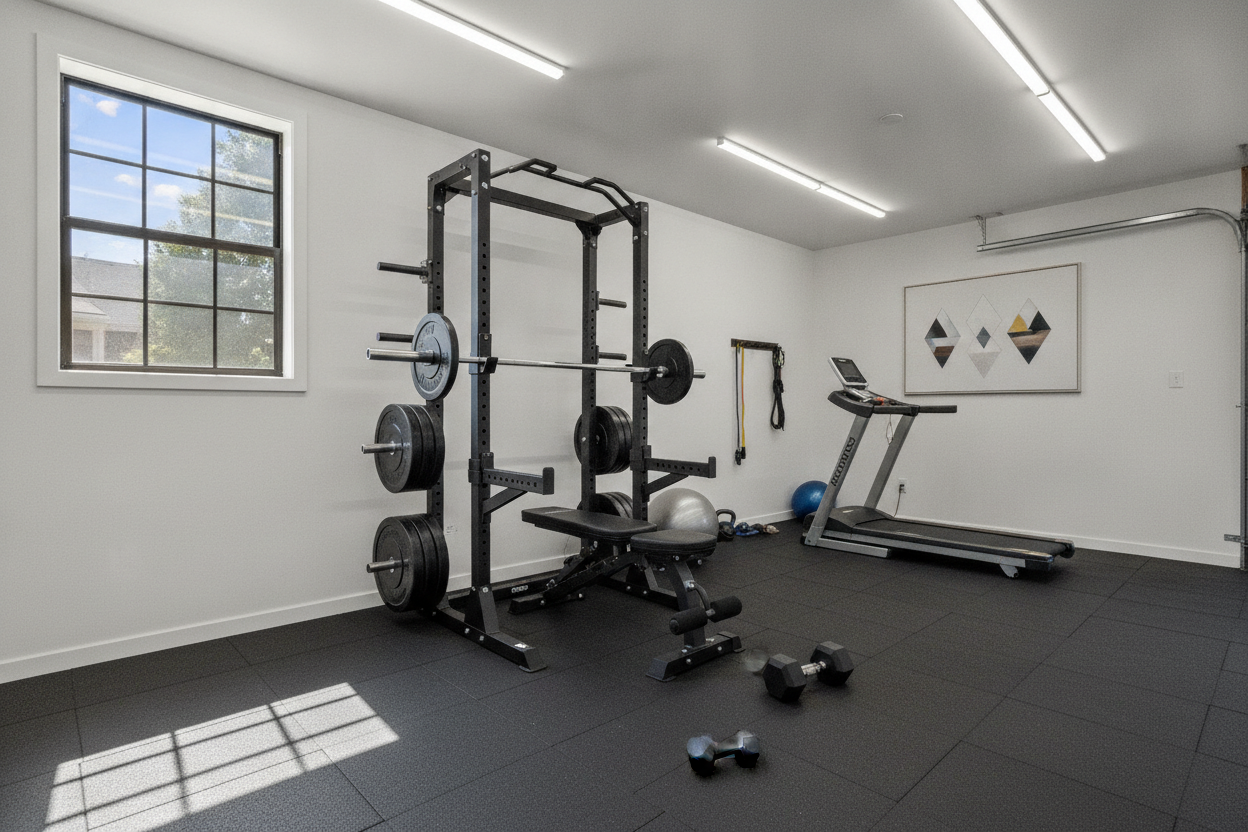
Before diving into the movements, we must address the foundation of your home gym. Heavy lower-body exercises place immense pressure on both your joints and your home's subfloor. When performing movements like deadlifts or weighted hip thrusts, the impact of the weights—even when set down carefully—can cause long-term damage to hardwood, laminate, or concrete. High-quality, shock-absorbent gym flooring, such as GXM Mat, acts as a protective barrier. It provides the necessary cushioning to protect your joints during explosive movements and offers a non-slip surface that is critical for maintaining a wide, stable stance.
Furthermore, thick gym mats help with sound dampening and vibration reduction, which is essential for home environments where heavy lifting might otherwise disturb the household. Proper equipment placement on a durable surface ensures that your barbells and benches remain stable, preventing unwanted sliding during high-intensity sets. In my view, the psychological benefit of a dedicated, professional-grade workout space is just as significant as the physical protection it provides, as it allows you to focus entirely on your form rather than worrying about the floor.
10 Best Exercises to Start Growing Your Booty
1. Barbell Hip Thrusts
The hip thrust is widely considered the gold standard for glute isolation. Biomechanically, the hip thrust focuses the load directly on the glutes throughout the entire range of motion. When performing these at home, ensure your bench is positioned on a non-slip GXM Mat to prevent it from sliding backward during the upward phase of the lift. Use a barbell pad to protect your hips and focus on a full lockout at the top of the movement, squeezing the glutes hard to maximize tension. For those planning a long-term journey, a 1-year glute transformation requires consistent progression in weight and volume.
2. Romanian Deadlifts (RDLs)
RDLs focus on the posterior chain, specifically the glutes and hamstrings. This movement requires a controlled descent and a powerful hip hinge. Because RDLs often involve heavy weights, having shock-absorbent flooring is vital for those moments when you return the bar to the floor. The traction provided by a professional mat ensures your feet stay glued to the ground, allowing for maximum force production without the risk of your stance shifting mid-rep. Keep the bar close to your shins and maintain a neutral spine to ensure the glutes are doing the majority of the work.
3. Bulgarian Split Squats
Often described as a love-hate exercise, the Bulgarian split squat is unparalleled for unilateral glute development. By elevating your rear foot, you place the majority of the load on the front leg. Stability is key here; a firm, high-density mat provides the balance needed to execute this move without wobbling. This protects your ankles and knees from lateral strain while allowing for a deep stretch in the gluteus maximus at the bottom of the movement. Lean slightly forward at the torso to shift more of the emphasis onto the glutes rather than the quadriceps.
4. Kettlebell Swings
This explosive movement is a staple in "booty sports" for its ability to build power and endurance. The kettlebell swing targets the glutes through rapid hip extension. Because this move is highly dynamic, a durable flooring surface with excellent grip is mandatory to prevent the feet from shifting during the swing. The mat also protects the subfloor from the high-velocity impact if the kettlebell is set down firmly between sets. Focus on the snap of the hips rather than using your arms to lift the weight.
5. Glute Bridges
Similar to the hip thrust but performed on the floor, the glute bridge is an excellent starting point for beginners or a high-rep finisher for advanced lifters. A comfortable, cushioned exercise mat is essential here to protect your spine and tailbone from the hard subfloor as you drive your hips toward the ceiling. While compound movements are vital, incorporating accessory exercises like the glute bridge can help refine the shape and improve mind-muscle connection. Focus on keeping your core engaged to prevent overextending the lower back.
6. Walking Lunges
Walking lunges require a significant amount of space and a flooring surface that can handle repetitive, high-impact footfalls. A long stretch of GXM Mat flooring provides the necessary shock absorption for the lead knee and ensures that your transition between steps is stable and slip-free. This is particularly important when adding weight via dumbbells or a weighted vest. Take long strides to place more emphasis on the glutes and hamstrings, ensuring your front knee does not collapse inward.
7. Sumo Squats
With a wider stance and toes pointed outward, sumo squats place a greater emphasis on the inner glutes and adductors. The wide foot placement demands a surface with superior traction; otherwise, your feet may slide outward, risking groin injury. A textured gym mat is the ideal surface for these wide-stance movements, providing the friction necessary to drive upward with confidence. Hold a heavy dumbbell or kettlebell at your center to increase the resistance and deepen the stretch.
8. Box Step-Ups
Step-ups are a functional movement that mimics climbing and targets the glutes through a large range of motion. When using a plyo box or a sturdy bench, it is imperative that the equipment is placed on a level, non-slip surface. This ensures the box does not tip or slide as you drive your weight through your heel to reach the top. Consistent foot placement on a stable mat reduces the risk of missteps and allows you to focus on the eccentric, or lowering, phase of the movement, which is critical for muscle growth.
9. Cable or Band Kickbacks
Kickbacks are excellent accessory movements that allow for targeted isolation of the gluteus maximus. Whether using a cable machine or resistance bands, maintaining a stable base with your standing leg is crucial. A dense mat helps absorb the micro-movements of your standing foot, keeping you balanced throughout the set and allowing for a better mind-muscle connection with the working glute. Avoid arching your back; instead, focus on a controlled kick and a brief pause at the peak of the contraction.
10. Lateral Band Walks
To round out your glute development, you must target the gluteus medius and minimus. Lateral band walks involve placing a resistance band around your knees or ankles and stepping side-to-side. This movement improves hip stability and creates lateral fullness. A clear, unobstructed area of gym flooring allows you to perform these walks with a consistent stride, ensuring the tension remains on the muscles throughout the entire set. Keep your knees pushed out against the band to maintain constant activation.
Equipment Placement and Space Optimization
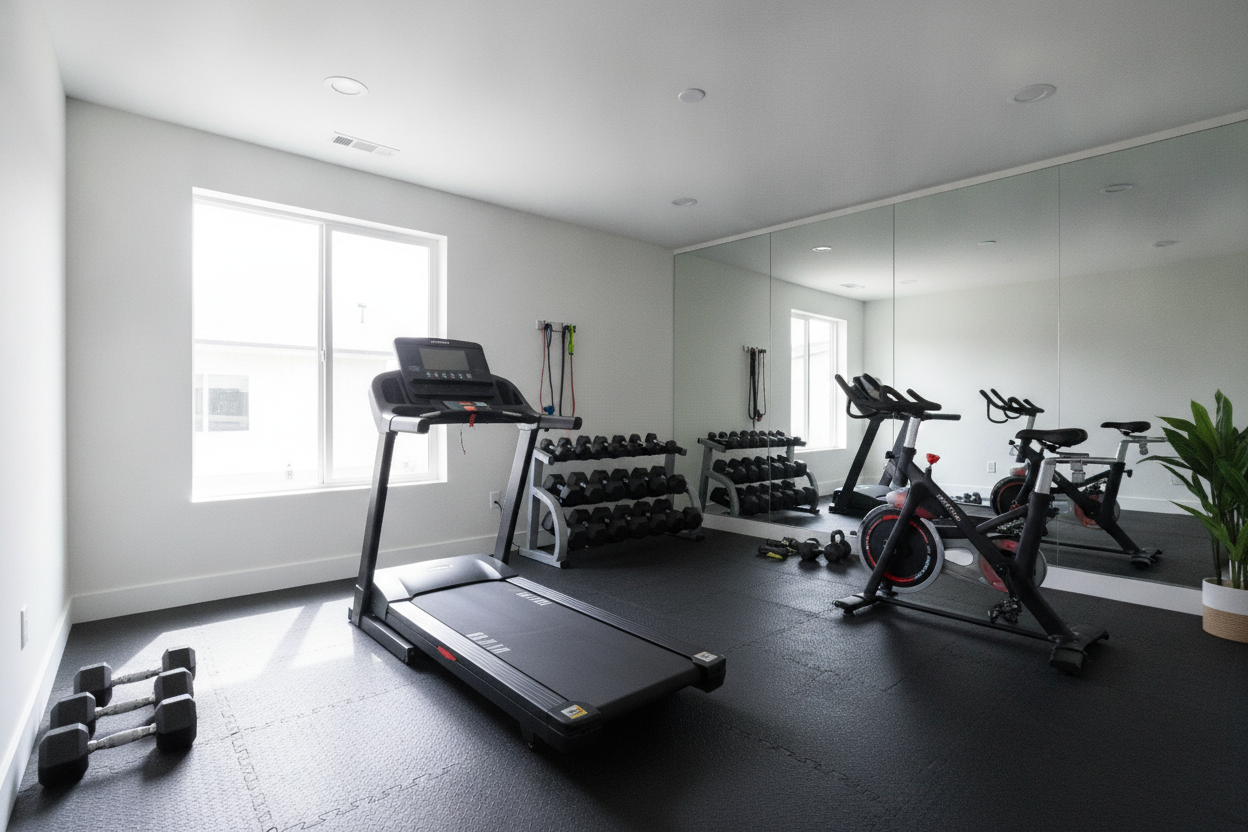
In a home gym, space is often at a premium. To maximize your glute training, arrange your equipment logically on your GXM Mat. Place your heaviest equipment, like a power rack or a dedicated hip thrust bench, in areas where the flooring is most reinforced. Ensure there is enough clearance around your barbell for RDLs and lunges to avoid hitting walls or other furniture. Having a dedicated, stable surface removes the distraction of equipment instability, allowing you to push closer to failure safely. Organizing your weights on racks rather than leaving them on the floor also preserves the integrity of your mats and prevents tripping hazards during dynamic "booty sports" movements.
Maintaining Your Workout Space
Intense lower-body workouts often result in significant perspiration. To ensure the longevity and hygiene of your gym mats, it is important to clean them regularly. Use a mild soap and water solution or a specialized mat cleaner after every session. Avoid harsh chemicals that could degrade the material or compromise the non-slip texture. Because high-quality mats are non-porous, they won't soak up sweat, making them easy to wipe down and keep fresh for your next session, preventing the buildup of bacteria and odors in your home gym environment.
Conclusion
Building strong glutes at home is entirely achievable with the right combination of compound lifts and targeted isolation movements. By incorporating these 10 exercises into your routine, you are addressing all three muscles of the gluteal complex for comprehensive growth. However, remember that the effectiveness of your training is built upon the foundation of your environment. Consistency, progressive overload, and a safe, well-protected home gym space are the keys to long-term success. Investing in proper flooring not only protects your home but also provides the stability and joint support necessary to push your limits in every workout.