
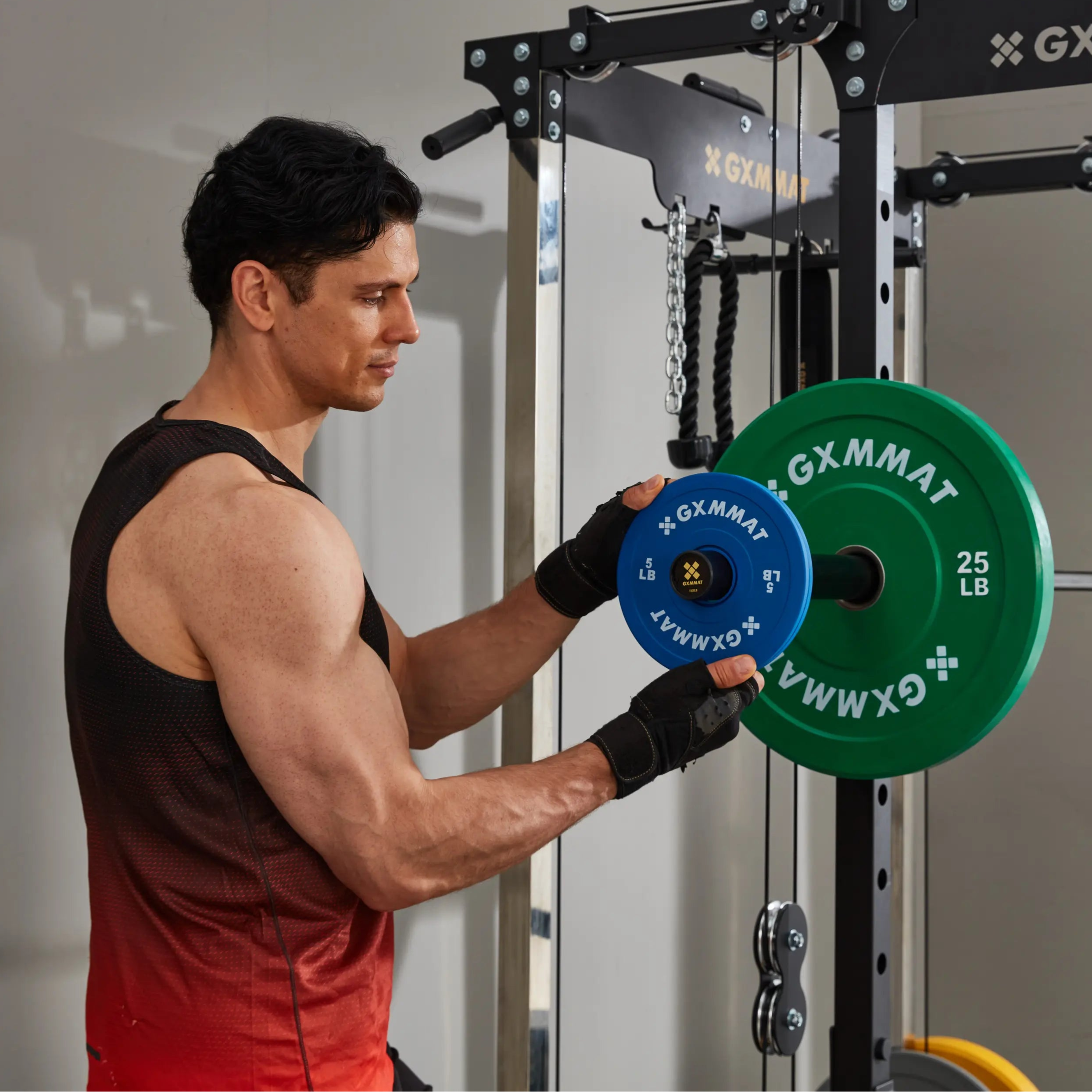

The Strength and Style Behind Men with Big Chests
In fitness and physique development, a well-built chest is often regarded as a sign of strength, discipline, and dedication to one’s health. A big chest man not only projects confidence but also demonstrates the result of consistent training and proper nutrition. Whether you refer to a man with big chest muscles as a big chest male or a large chest man, the development process behind such a physique follows proven principles that blend resistance training, recovery, and lifestyle choices.
Understanding the Anatomy of a Well-Built Chest
The chest is primarily composed of the pectoralis major and pectoralis minor muscles. For men with big chest physiques, these muscles are developed symmetrically and proportionately. The pectoralis major lies on the front of the ribcage and is responsible for pushing movements, while the pectoralis minor, a smaller muscle beneath it, assists in shoulder movement and stability.
High-quality training targets both areas through compound lifts and isolation exercises. For example, the bench press activates the pectoralis major heavily, whereas incline flyes can emphasize the upper chest section. This approach ensures that a big chest male achieves balanced muscular growth.
Training Principles for Developing a Large Chest
For any man who desires a big chest, focusing on progressive overload is crucial. This means gradually increasing the weight, number of repetitions, or intensity over time. Men with big chest physiques typically incorporate exercises such as barbell bench presses, dumbbell presses, dips, and push-ups. These movements strengthen the chest, shoulders, and triceps, contributing to a fuller overall upper body.
Structured training plans also consider frequency. Research has indicated that targeting a muscle group at least twice per week can stimulate significant growth, provided adequate recovery is allowed. Rest days between sessions ensure that muscle fibers repair and grow stronger.
Role of Nutrition in Chest Development
A large chest man often follows a nutrition strategy that supports muscle growth. Adequate protein intake—commonly around 1.6 to 2.2 grams per kilogram of body weight—is supported by evidence to promote muscle synthesis. Carbohydrates provide the energy needed for intense workouts, while healthy fats ensure hormonal balance, particularly testosterone, which plays a role in muscle development.
Incorporating nutrient-rich whole foods—lean meats, eggs, fish, legumes, whole grains, nuts, and seeds—offers a sustainable way to fuel workouts and recovery without compromising overall health.
Posture and Functional Benefits
Beyond aesthetics, a man with big chest muscles often enjoys functional benefits. Strong pectoral muscles contribute to better posture by preventing the shoulders from rolling forward, which is common among individuals who sit for extended periods. Additionally, chest strength supports athletic performance, especially in sports or activities that involve pushing, grappling, or throwing.
Functional strength also reduces injury risk. Men with big chest development usually have strong supportive muscles in their shoulders and upper back, which work together to handle physical challenges efficiently.
Personal Experience Building a Larger Chest
From my own journey, starting with a flat chest and eventually achieving a big chest male physique required patience. Initially, I overtrained without understanding recovery, which slowed progress. Adjusting my routine to include rest days and focusing on quality over sheer volume made a notable difference. Tracking strength improvements—especially in the bench press and dumbbell flyes—gave me concrete evidence that my chest development was advancing steadily.
Maintaining a Big Chest
Men with big chest physiques know that maintenance is as important as gaining size. This means continuing training, though possibly at reduced intensity, and remaining consistent with nutrition. Without regular workouts, muscles can lose strength and volume over time due to detraining.
Lifestyle choices—such as adequate sleep, moderation in alcohol consumption, and stress management—play huge roles in preserving muscle health. In fact, studies have shown chronic stress can negatively influence recovery and muscle retention.
Aesthetics vs. Practicality
For a large chest man, the aesthetic appeal may be the primary motivator, but practical benefits are equally valuable. Whether it’s lifting heavy objects at work or performing at a high level in sports, the strength gained from building a robust chest is applicable to daily living. While training for appearance is fine, incorporating functional fitness principles ensures the physique serves both form and function.
Conclusion
The journey to becoming a man with big chest muscles involves dedication to evidence-based training, mindful nutrition, and well-practiced recovery strategies. A balanced approach not only builds impressive size but also promotes optimal health and functional capacity. Whether your aim is to be a large chest man for sports, professional presentation, or personal satisfaction, focusing on sustainable habits will ensure your efforts result in strength and confidence for years to come.