Understanding Female Pectoral Muscles: Anatomy, Function, and Training Insights
The pectoral muscles in females are an essential part of upper body anatomy, contributing to posture, strength, and overall chest shape. While often discussed in the context of male bodybuilding, the pectoral muscles on women have unique considerations in terms of function, training, and aesthetics. Understanding how these muscles work and how they can be developed is important for both fitness and overall physical health.
Anatomy of the Female Pectoral Muscles
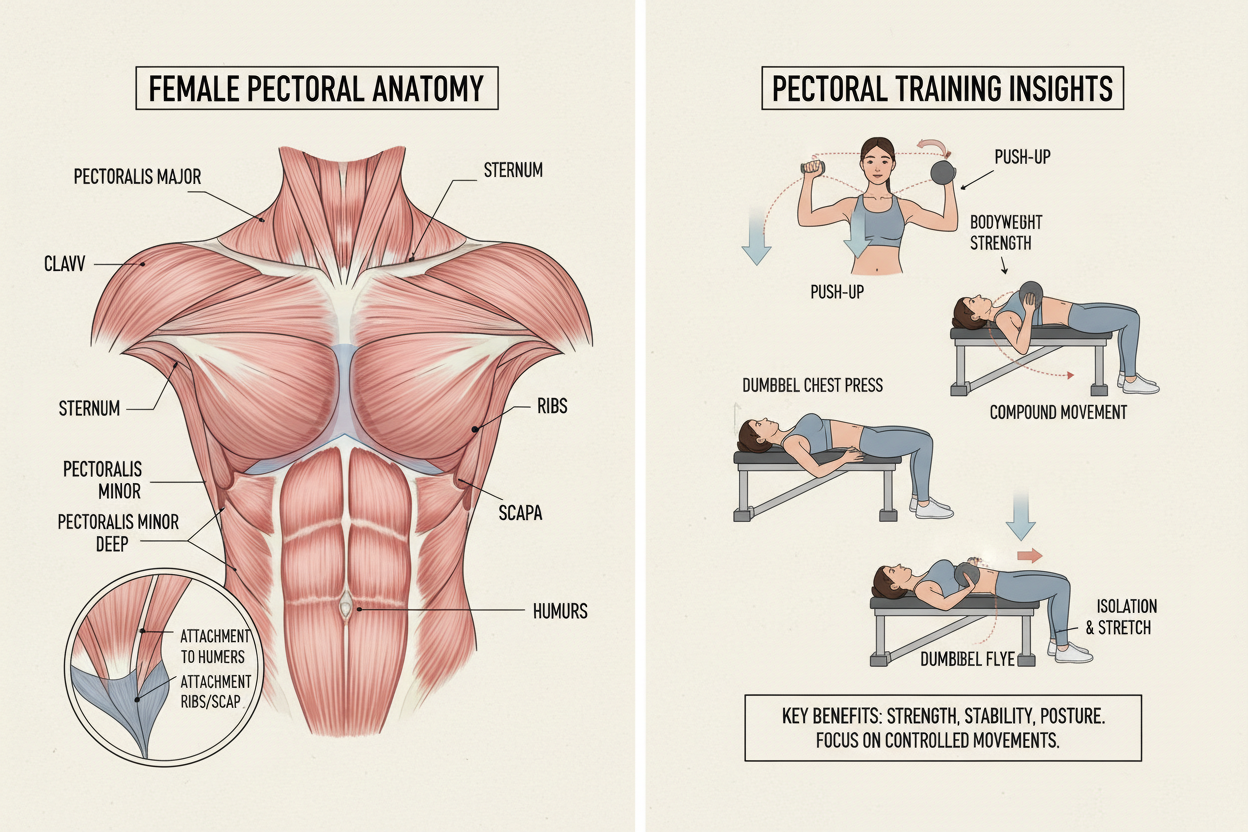
Do women have pectoral muscles? Yes — both men and women share the same basic muscle structure in the chest, primarily consisting of the pectoralis major and the pectoralis minor. The pectoralis major spans across the upper chest and attaches to the upper arm bone (humerus), helping with movements such as pushing, lifting, and arm rotation. The pectoralis minor lies underneath and assists in stabilizing the shoulder blade.
While breast tissue overlays the pectoral muscles in females, this does not affect the ability to strengthen or develop them. The difference in visible muscle tone between genders is often due to variations in muscle mass, hormonal influences, and typical training habits—not to anatomical disparity.
Function and Importance
The upper chest in females plays a key role in daily activities, athletic performance, and posture. Strong pectoral muscles in females support movements such as pushing open heavy doors, performing swimming strokes, or maintaining an upright posture during prolonged sitting. They also assist surrounding muscles including the deltoids and triceps.
For women engaged in weight training, sports, or rehabilitation exercises, balanced chest development can prevent muscular imbalances that often lead to shoulder discomfort or back pain. This makes chest muscle training an important part of comprehensive fitness plans.
Training the Female Pectoral Muscles
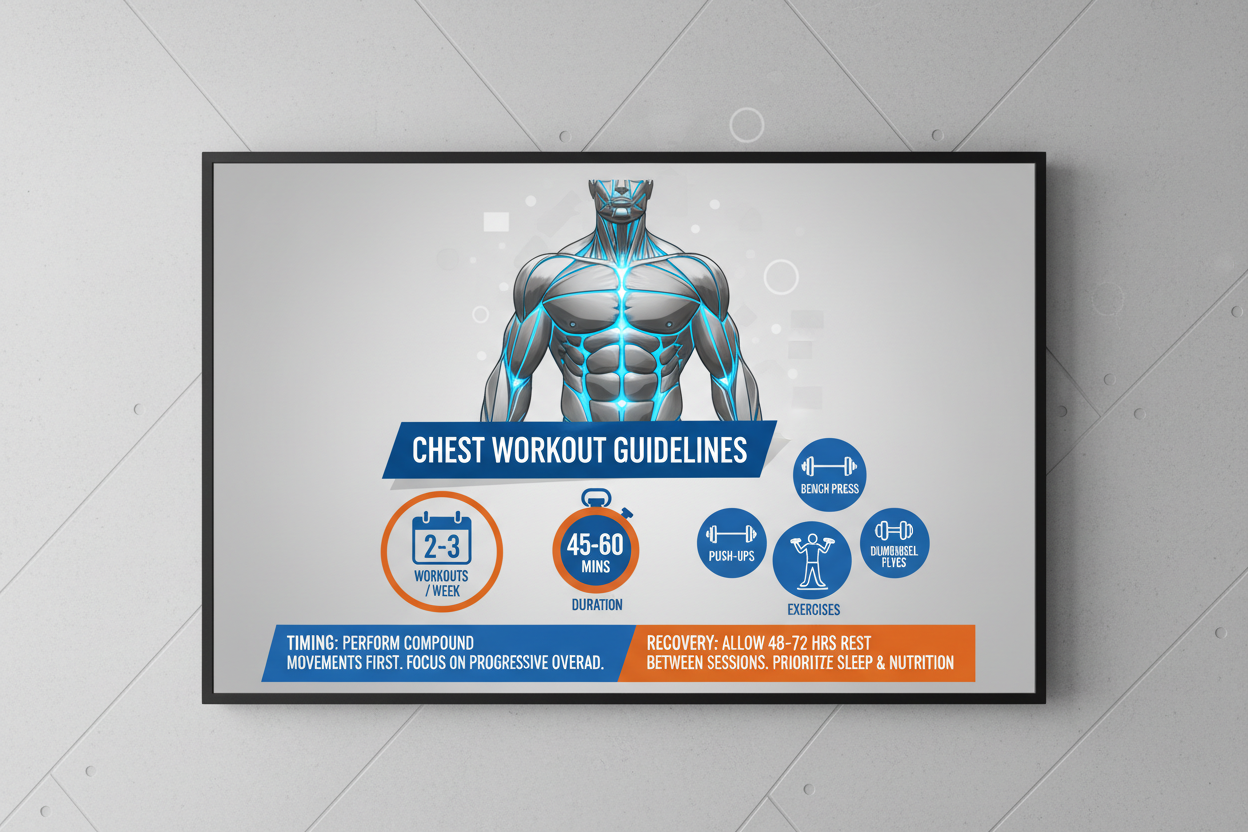
Strengthening pec muscles in females requires purposeful exercise selection and proper technique. Evidence-based training approaches include:
- Push-ups (modified or full) – an effective bodyweight exercise to engage both the pectoralis major and minor.
- Chest press – performed with dumbbells, a barbell, or resistance bands to build strength and muscle mass.
- Chest fly – isolates the pectoral muscles and improves muscle definition without overloading joints.
- Incline press – targets the upper chest in women, creating balanced development.
For beginners, initiating with lighter resistance and gradually increasing intensity reduces injury risk. It is advisable to maintain proper breathing patterns and avoid excessive arching of the back during exercises.
Personal Experience in Chest Training
When I incorporated targeted pectoral training into my routine, the most noticeable change was improved posture and upper body strength, beyond aesthetic changes. The process required persistence — progress in the chest muscle in women does not happen overnight. Initially, push-ups were challenging, but over time, adding resistance training enhanced my ability to perform functional tasks like carrying groceries and lifting luggage.
Common Misconceptions
One common myth is that developing pectoral muscles in females will make the chest appear overly broad or masculine. In reality, building strength in the female muscle chest improves function and posture without drastically altering feminine physique unless combined with high-intensity hypertrophy training over a prolonged period. Another misconception is that breast size determines chest muscle capacity; actually, breast tissue is separate from muscle and does not influence muscle strength.
Health Benefits Beyond Strength
Training the pectoral muscle in women has benefits beyond physical performance. Enhanced upper chest female muscle tone supports breathing efficiency by aiding the rib cage's expansion, improves confidence in movement, and contributes to shoulder joint stability. Balanced training also helps reduce strain on the neck and upper back during prolonged desk work.
Practical Tips for Safe Development
- Begin with controlled movements to activate chest muscles properly.
- Include stretching for the pectoralis major to maintain flexibility.
- Use progressive overload — gradually increase weight or repetitions as strength improves.
- Avoid excessive training that leaves no room for recovery to prevent muscle strain.
Conclusion
The pectoral muscles female anatomy mirrors that of males in function and potential for development. Whether the goal is better posture, improved athletic performance, or enhanced upper body strength, focusing on chest muscle in women can yield substantial benefits. With consistent, evidence-based training, women can strengthen their pectoral muscles and experience long-term health gains without compromising their natural physique.