How Often and How Long Should You Focus on Chest Workouts?
Training your chest is more than just building a bigger bench press — it’s about enhancing strength, improving posture, supporting overall upper body function, and achieving a balanced physique. However, one of the most common questions people ask is: how long should a chest workout be, and how often should you perform it each week?
How Long Should a Chest Workout Be?
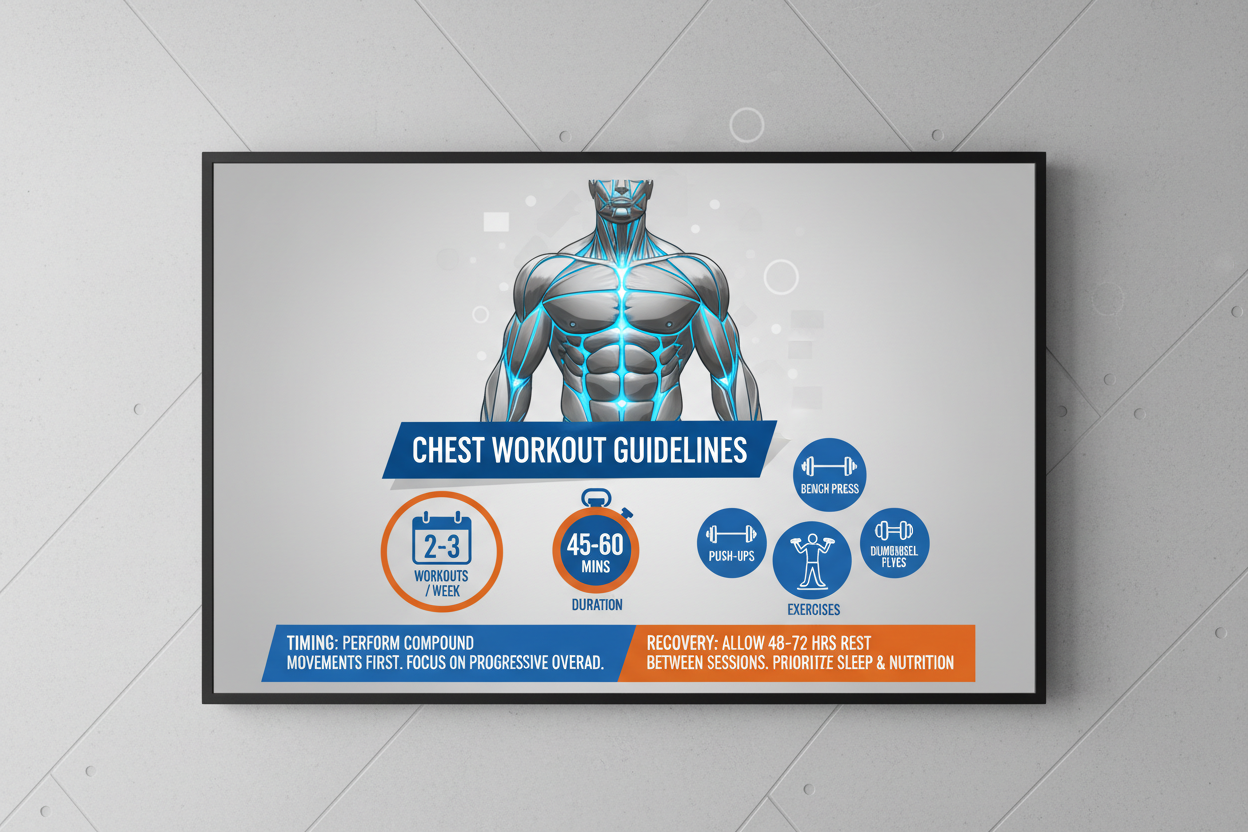
In most cases, a focused chest workout lasts between 45 to 75 minutes. The exact duration depends on your fitness level, the intensity of exercises, and whether you’re combining chest training with other muscle groups in one session. For beginners, shorter and more precise workouts are recommended to prevent fatigue and ensure proper form. Advanced lifters may spend longer, incorporating more volume and accessory movements.
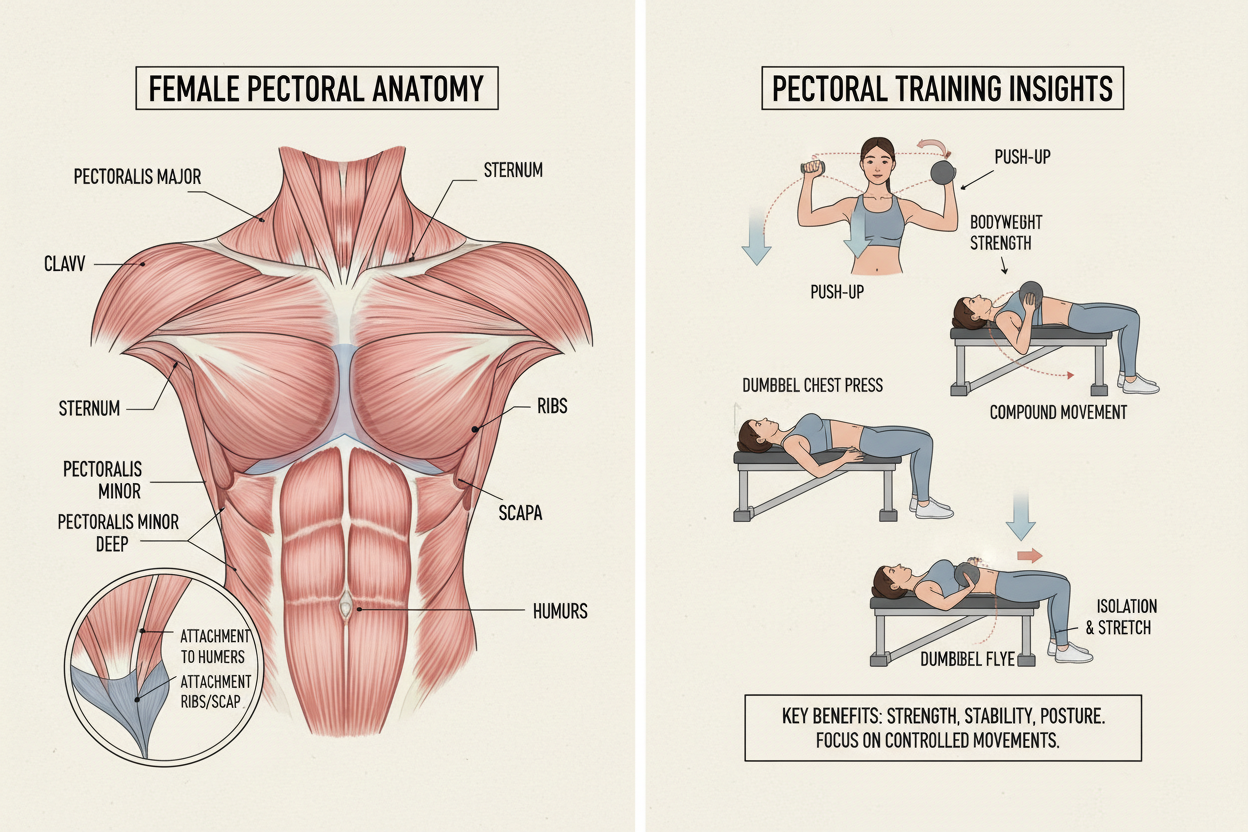
Quality is far more important than sheer duration. Spending too much time in the gym without proper programming can lead to overtraining, decreased performance, and sometimes injury. You should aim to work through 4 to 6 well-chosen exercises targeting different areas of the chest — such as flat bench press, incline dumbbell press, dips, and push-ups — while still keeping rest periods in check.
How Often Should You Work Out Your Chest?
For most people, training the chest 1 to 2 times per week is ideal. This allows enough time for recovery while promoting muscle growth and strength gains. Beginners can start with one dedicated chest session each week, while intermediate to advanced trainees may benefit from splitting their chest exercises across two sessions to target the muscle from different angles.
Recovery is just as important as training. Your chest muscles need 48 to 72 hours to properly repair and grow after an intense session. Overtraining can lead to prolonged soreness, decreased strength, and, in severe cases, injury. Balancing repetition and rest is crucial for long-term progress.
How Often to Train Chest Per Week?
The optimal frequency depends on your total training volume and goals. If your program is full-body, chest exercises may appear two or three times in a week but at reduced intensity each time. If you follow a split routine, you may dedicate one or two sessions solely to chest work. Athletes aiming for powerlifting often focus heavily on the bench press, which can indirectly train chest multiple times per week.
The key takeaway: structure your workout plan so that your chest sessions complement your overall training schedule, not compete with it. Avoid doing heavy pressing movements on consecutive days, and maintain balance with your back and shoulder workouts to prevent muscular imbalances.
Balancing Chest Training with Other Muscle Groups
One common mistake is training the chest far more often than other upper body muscles, especially the back. This can affect posture and shoulder health. For every pressing movement, include pulling movements to maintain balanced strength. Incorporating rows, face pulls, and pull-ups can help keep your shoulders stable and healthy.
Signs You Might Be Overtraining Your Chest
Recognizing the signs of overtraining is critical to avoiding setbacks. These include persistent soreness beyond 72 hours, decreased strength in pressing movements, and an increased risk of shoulder discomfort. If you notice any of these symptoms, consider reducing chest frequency or improving your recovery strategy with better nutrition, stretching, and adequate sleep.
Personal Experience with Chest Training Frequency
When I first started weight training, I was eager to grow my chest quickly and often dedicated three days a week to pressing movements. While this gave me short-term gains, I soon experienced lingering fatigue and shoulder strain. I eventually adjusted to two well-structured and varied sessions per week, mixing heavy compound lifts with lighter accessory work. This change not only improved my chest strength but also enhanced my overall upper body balance.
Tips for Effective Chest Workouts
- Warm up properly to prepare your joints and muscles for pressing movements.
- Focus on progressive overload — gradually increase weight or reps over time.
- Prioritize form over heavier weights to avoid injury.
- Use a combination of flat, incline, and decline movements to target all areas of the chest.
- Allow enough rest between sets — 60–90 seconds for hypertrophy, 2–3 minutes for strength.
Final Thoughts
Deciding how long and how often to work out your chest depends largely on your fitness level, goals, and recovery capacity. For most people, 45–75 minute sessions once or twice per week strike a healthy balance. Always listen to your body’s feedback and adjust your routine accordingly. Consistency, balanced programming, and smart recovery strategies will help you build a strong, well-defined chest over time.