The 'Perfect Exercise' Exercise for Beginners Doesn't Actually Exist
I remember sitting on my garage floor at midnight, credit card in hand, trying to decide if I needed a 45-lb Olympic bar or a set of adjustable dumbbells just to get started. My local commercial gym had just hiked their rates to $80 a month for a place that smelled like old socks and broken dreams. I was desperately searching for the 'perfect' exercise exercise for beginners, thinking if I just found the right move, the rest of my fitness would magically fall into place.
- Master the four basic movement patterns before buying heavy iron.
- Prioritize a dedicated 6x8 ft workout space over fancy gadgets.
- Bodyweight mastery is the only real prerequisite for strength training.
- Ignore 'magical' movements marketed by fitness influencers.
The Trap of the 'Ultimate Starter Routine'
The fitness industry is built on making you feel like you're missing a secret ingredient. They want you to believe that unless you're doing a Bulgarian split squat on a Bosu ball while holding a proprietary kettlebell, you aren't actually working. It's total nonsense. These hyper-specific, 'magical' movements are designed to sell app subscriptions and overpriced plastic gear, not to build a foundation of strength.
When you spend all your energy trying to find the 'ultimate' routine, you end up paralyzed. I've seen guys spend three months researching the optimal rep range for bicep curls before they've even done a single pull-up. The truth is, your body doesn't care about the name of the program. It cares about tension and consistency. Most beginners fail because they overcomplicate the process until it becomes a chore instead of a habit.
Why Your First Investment Should Be Space, Not Iron
Before you buy a single weight plate, you need room to move. I have seen too many people try to squat in a 2x2 foot gap between their bed and a desk; it is a recipe for a trip to the ER. You need a dedicated spot where you aren't afraid to sweat or drop a sweat-slicked hand. For most, a large 6x8ft exercise mat is the smartest first purchase you can make. It gives you a clear 'work zone' that isn't the hardwood floor and saves your knees during floor-based movements.
Focusing on body awareness and ground-based movements allows you to fail safely. If you lose your balance during a bodyweight squat on a padded mat, you just sit down. If you lose your balance with a 40-lb dumbbell in a cramped room, you're putting a hole in the drywall or your foot. Build the space first, and the strength will follow.
4 Real-World Fitness Exercises for Beginners
If you want fitness exercises for beginners that actually translate to real-world strength, you only need to master four patterns: the squat, the hinge, the push, and the pull. The squat is simply sitting down and standing up with control. The hinge is the art of bending at the waist to pick something up without blowing out your lower back. The push is your standard pushup—the ultimate test of upper body stability.
The pull is often the hardest to do at home without gear, but an inverted row using a sturdy table works wonders. I tell people all the time: if you can't do 20 perfect air squats and 10 solid pushups with your chest hitting the floor, you have no business loading up a barbell. These movements build the connective tissue and core stability that protect you once you eventually start adding external weight.
When (and How) to Finally Graduate to Real Weights
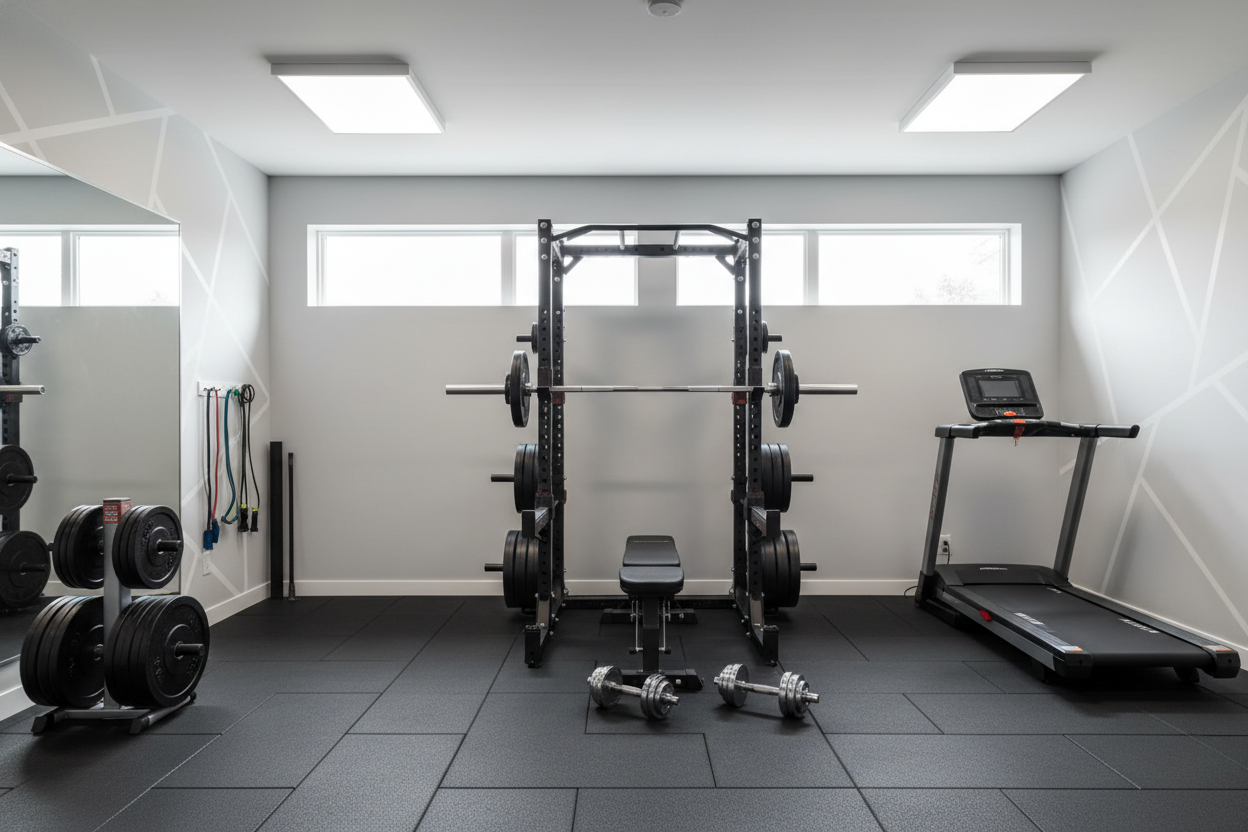
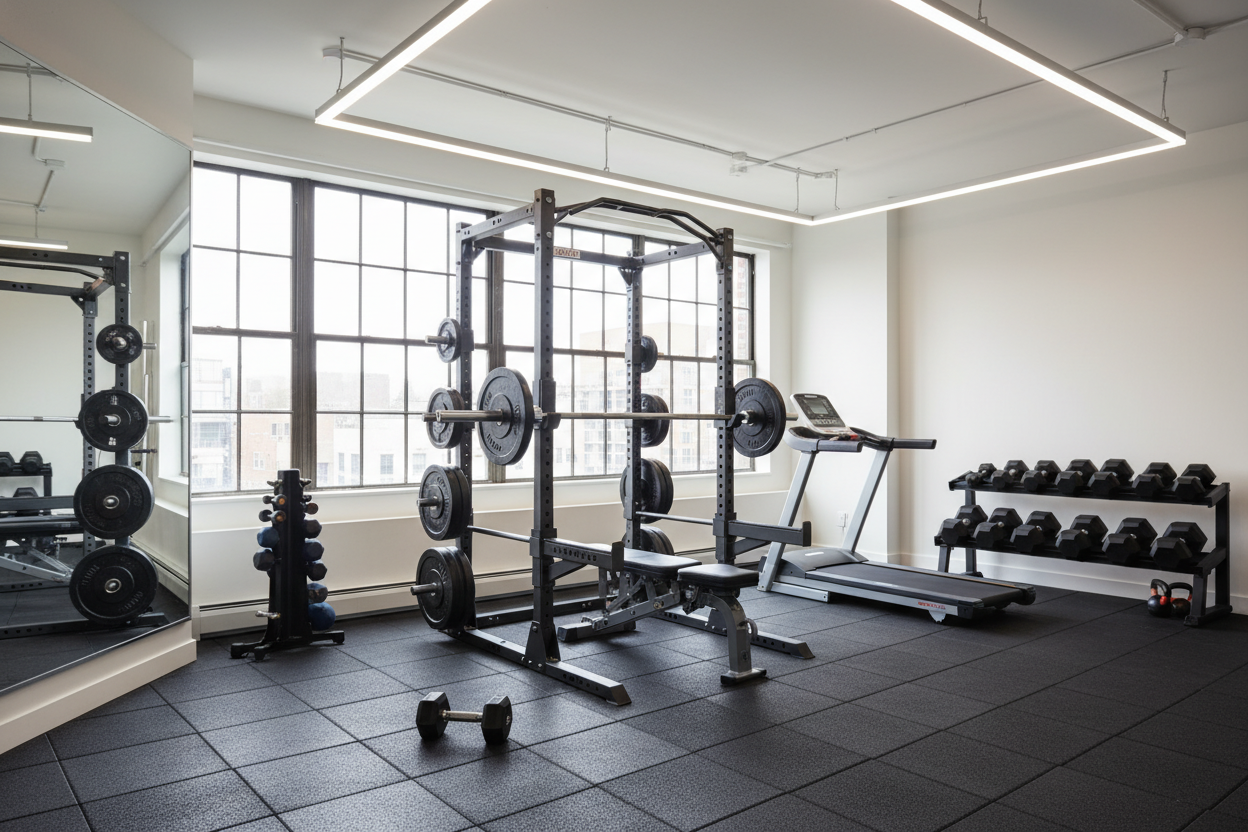
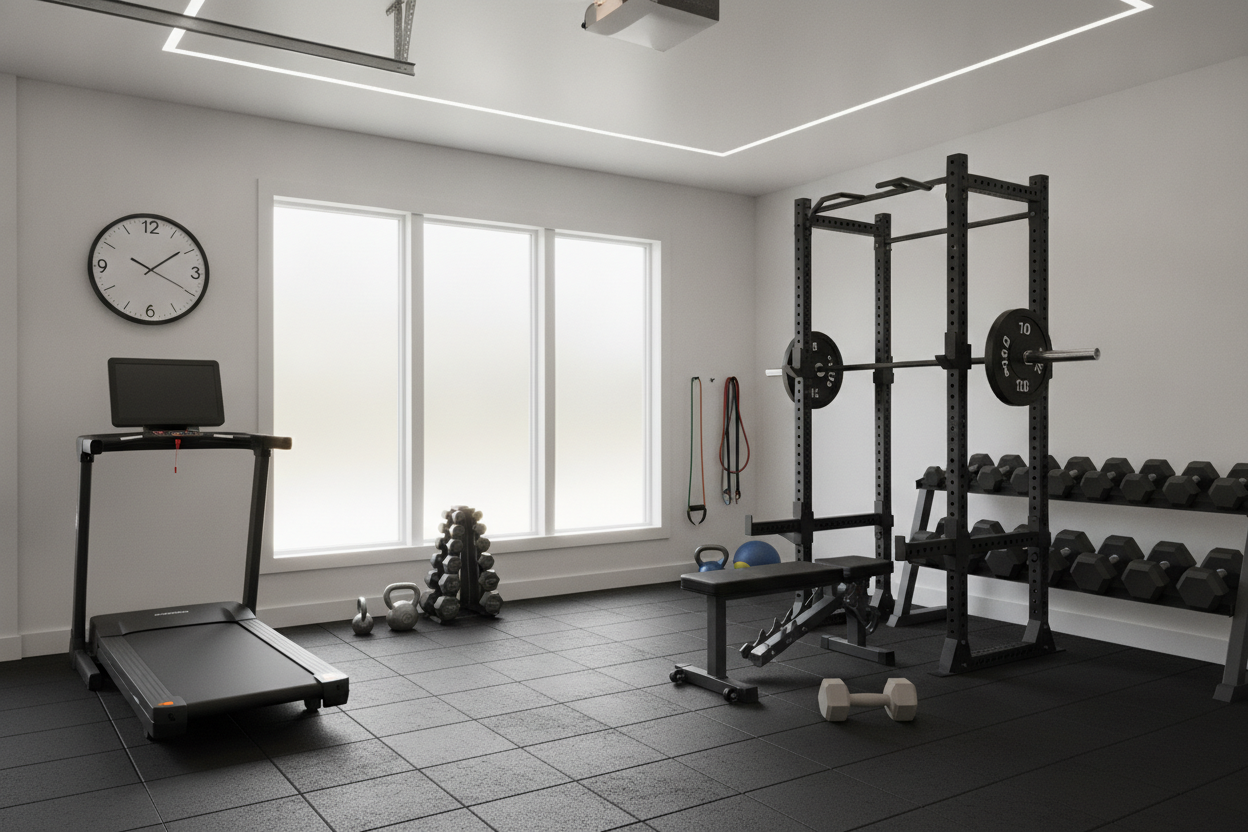
So, when do you actually spend the money on iron? My rule is simple: when your own body weight feels like a warm-up. If you can bang out three sets of 15 pushups and your heart rate barely climbs, you've earned the right to add resistance. Don't go out and buy a 300-lb power rack immediately. Start with high-ROI items like a solid set of adjustable dumbbells or a pull-up bar.
I’ve put together a list of essential home gym equipment for beginners that cuts through the marketing fluff. You don't need a $3,000 vibrating platform or a cable machine that takes up half the garage. You need tools that allow you to add weight to those four basic patterns you've already mastered on your mat. Keep it minimalist, keep it heavy, and keep it simple.
Navigating the Commercial Gym (If You Must Go)
If you decide to leave the comfort of your home mat for a commercial facility, don't let the 'sea of metal' freak you out. Most of those complicated-looking machines are just variations of the movements you've been doing. A leg press is just a guided squat; a chest press is just a seated pushup. Having a basic handle on understanding exercise machine names will save you from standing there looking at a row of equipment like it's alien technology.
My advice? Walk past the machines that look like they belong in a NASA lab and find the dumbbells. Stick to what you know. You've spent weeks mastering the mechanics of a hinge and a squat; the gym is just a place to apply those mechanics with more resistance. Don't let the bright lights and loud music distract you from the basic work.
My Honest Mistake
Years ago, I bought a 'total body' slider system from an infomercial. It was basically two pieces of plastic that cost $60 and promised a six-pack in weeks. I used it twice, realized I could do the exact same thing with wool socks on a kitchen floor, and felt like an idiot. It sat in my closet for three years before I threw it away. Don't buy specialized junk until you've mastered the basics of moving your own frame.
FAQ
Do I need to wear shoes for home workouts?
Honestly, no. Working out barefoot on a good mat helps build foot and ankle stability. Unless you're dropping heavy weights, your feet are better off being free to grip the floor.
How many days a week should I train?
Start with three. If you try to go from zero to six days a week, you'll burn out or get injured by week two. Consistency beats intensity every single time.
Is it normal to be sore for days?
A little stiffness is fine. But if you can't sit down on the toilet without groaning the next day, you overdid it. Scale back the volume and focus on the quality of the movement.