Why Your Bodybuilding Strength Workout Is Giving You Neither
I remember the first time I tried to mash a heavy powerlifting session into a high-volume bodybuilding split. I had just finished pulling a triple at 455 lbs and thought I could go straight into four sets of fifteen on weighted pull-ups and rows. Ten minutes later, I was sitting on my weight bench, staring at the wall, wondering why my vision was tunneling. I wasn't getting huge, and my PRs were stalling.
The reality is that a bodybuilding strength workout is a tightrope walk. Most people fall off because they try to go 100% on two different physiological paths at the exact same time. You end up with a physique that looks like you don't lift and a total that wouldn't win a local meet. It’s a frustrating plateau that usually ends in a nagging shoulder injury or total burnout.
- Stop trying to hit 1RM PRs and 20-rep drop sets in the same hour.
- Prioritize mechanical tension (heavy weight) early in the session.
- Use gear like straps to remove grip as a failure point for hypertrophy work.
- Recovery demands are doubled; your floor and your sleep matter.
The Lie of Doing Everything at Once
The biggest mistake I see in home gyms is the 'kitchen sink' approach. You see a pro bodybuilder doing heavy squats and assume you should do the same, then follow it up with six isolation moves. The problem is that your body has a limited recovery capacity. When you try to force maximal neurological output (strength) and maximal metabolic stress (the pump) simultaneously, you often end up with just powerlifting with curls. It’s a half-baked routine that lacks the specificity needed to trigger real growth.
True strength training is about efficiency and neurological adaptation. You’re teaching your brain to fire more muscle fibers. Hypertrophy, on the other hand, is about cellular swelling, micro-tears, and metabolic waste. If you try to do both at max intensity, your body gets confused signals. You don't get the 'perfect blend'; you get a muddled mess of fatigue that doesn't lead to a bigger chest or a bigger squat.
Why Your CNS Is Begging for Mercy
Central Nervous System (CNS) fatigue is real, and it’s the silent killer of the hybrid athlete. When you grind out a heavy set of deadlifts, your brain is fried. Your neurotransmitters are depleted. If you then try to move into 'bodybuilding' mode, you literally lack the neurological drive to push your muscles to the point of failure. You might feel a pump, but you aren't recruiting the high-threshold motor units necessary for growth because your brain is already clocked out for the day.
How to Actually Sequence Heavy Lifts and Pump Work
If you want to build a physique that is as strong as it looks, you have to be smart about sequencing. I’ve found that the 'Heavy-Light' or 'Top Set' method works best in a garage setting. Start with one primary compound lift—squat, bench, or deadlift. Work up to one or two heavy sets in the 3-5 rep range. This provides the mechanical tension your bones and nervous system need to stay strong. Once that’s done, put the ego away. The rest of your session should be focused on the pump, using higher reps and shorter rest periods.
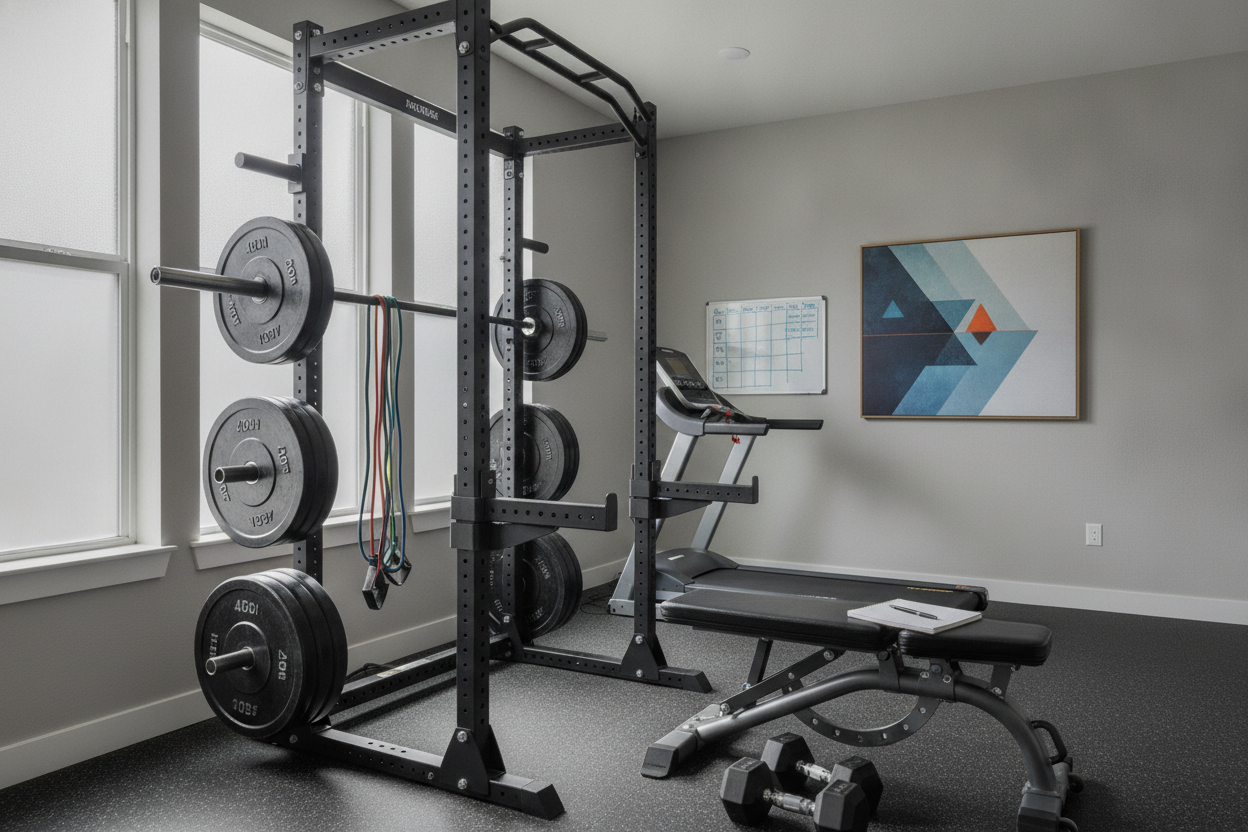
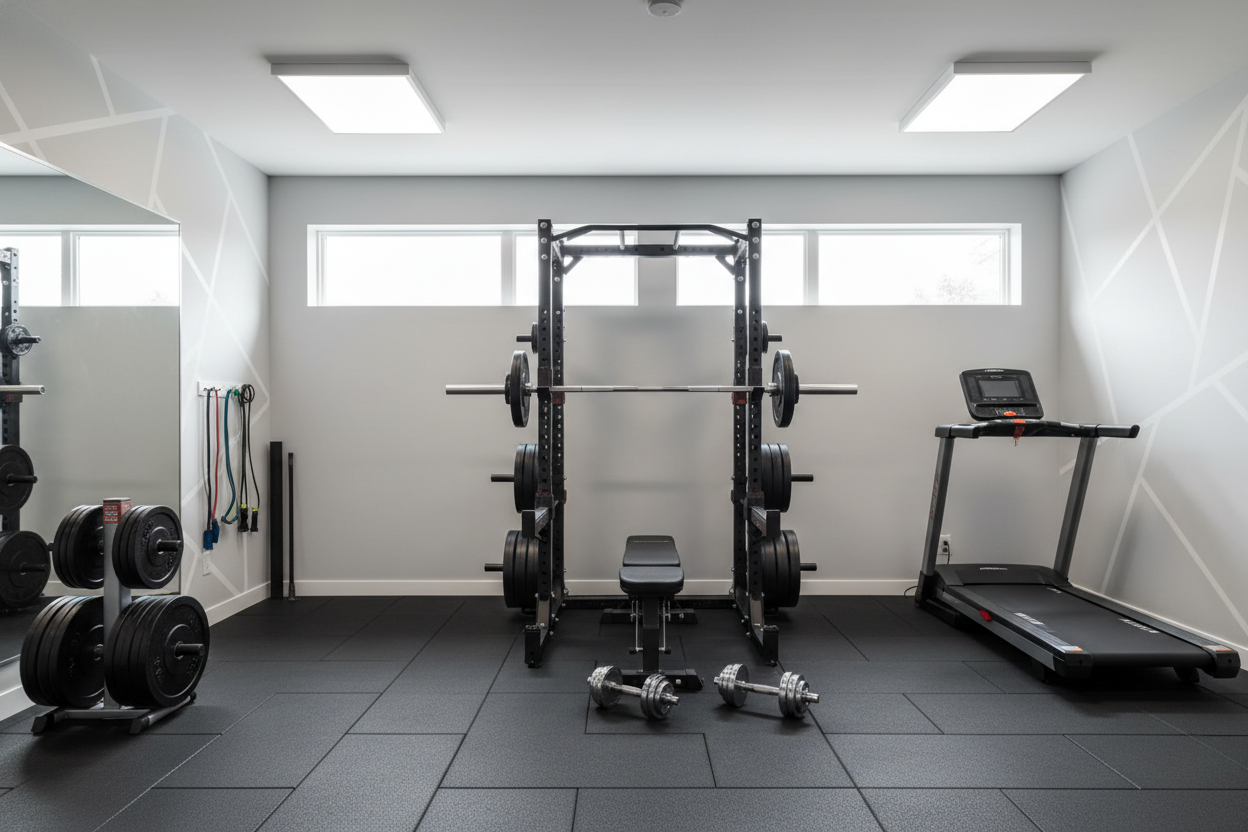
This requires having the right strength equipment to handle those heavy openers. I’m talking about a rack with 11-gauge steel and a barbell that doesn't feel like a pool noodle when you put 315 on your back. Once you finish your heavy work on the 'big' gear, you can transition to dumbbells or cables for the hypertrophy volume. This split allows you to hit your strength goals without sacrificing the volume needed to actually look like you lift.
Picking the Right Gear to Support Both Goals
One thing I learned the hard way is that your grip will fail long before your back does if you're training for both size and strength. If you’ve just done heavy rack pulls, your hands are going to be shot. If you try to do heavy rows right after without help, your lats won't get a workout—your forearms will. This is where strength training accessories become mandatory, not optional.
I personally use figure-8 straps for my volume work. They allow me to completely relax my grip and focus on the muscle contraction. Similarly, a good 10mm lever belt is great for your heavy sets of five, but you might want to loosen it or ditch it for your high-rep accessory work to allow for better breathing and core expansion. Don't be the guy who thinks using straps is 'cheating.' Cheating is failing to grow because your hands were too tired to hold the weight.
Stop Ignoring Your Foundation and Recovery
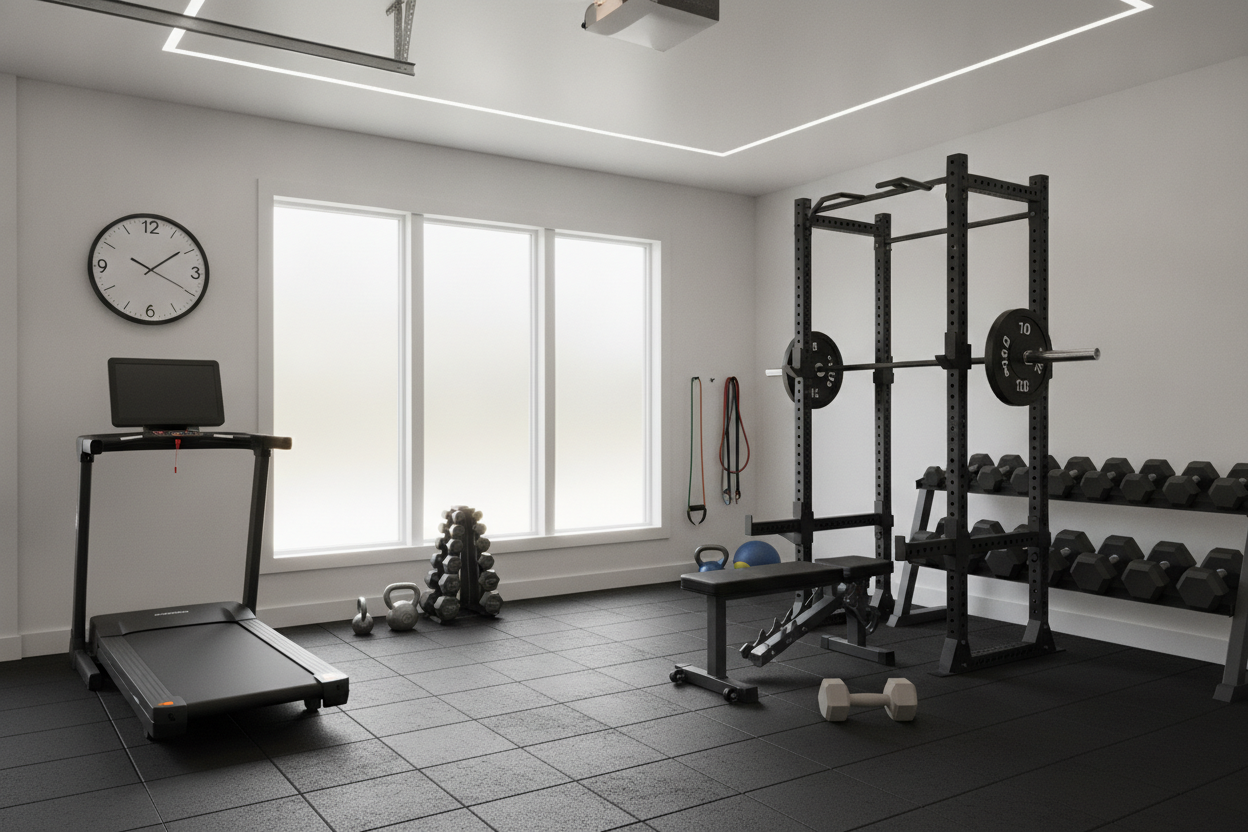
You cannot push your body to the limit in two different directions if you’re training on a concrete floor that eats your joints. Heavy lifting creates massive internal pressure, and high-volume bodybuilding work creates a lot of repetitive joint stress. I noticed a massive difference in my knee and lower back health when I finally invested in proper gym flooring for home workout setups. Having a dedicated space with a bit of shock absorption makes those 20-rep lunges a lot less miserable.
Recovery also means active mobility. After a hybrid session, I spend at least ten minutes on the mat doing basic prying squats and hip openers. If you skip this, the 'strength' part of your workout will eventually make you so stiff that the 'bodybuilding' part becomes impossible due to a limited range of motion.
Personal Experience: My Hybrid Failure
Back in 2018, I tried to run a high-intensity powerlifting program while also doing a 'bro split' for the aesthetics. I was in the gym for two hours a day. Within six weeks, my bench press actually went down, and I looked like a bag of milk. I was overtrained and under-recovered. It wasn't until I shortened my heavy work to just one 'top set' and focused the rest of my energy on quality contractions that I actually started seeing the scale move and the bar weight go up. More isn't better; better is better.
FAQ
Can I do a bodybuilding strength workout every day?
Absolutely not. Your nervous system needs at least 48 hours to recover from true maximal strength efforts. I recommend a 4-day split: two days focused on heavy compounds and two days focused on hypertrophy and accessories.
What is the best rep range for powerbuilding?
It's not one range. It's the combination. Use 3-5 reps for your 'strength' lift of the day, and 8-15 reps for your 'bodybuilding' movements. This covers both mechanical tension and metabolic stress.
Do I need a power rack for this?
If you're serious about the strength side, yes. You can't safely push your limits on squats or bench press without safety spotter arms. It’s the most important investment for a home gym athlete.