The Home Gym Workout Plan That Finally Cured My Program Hopping
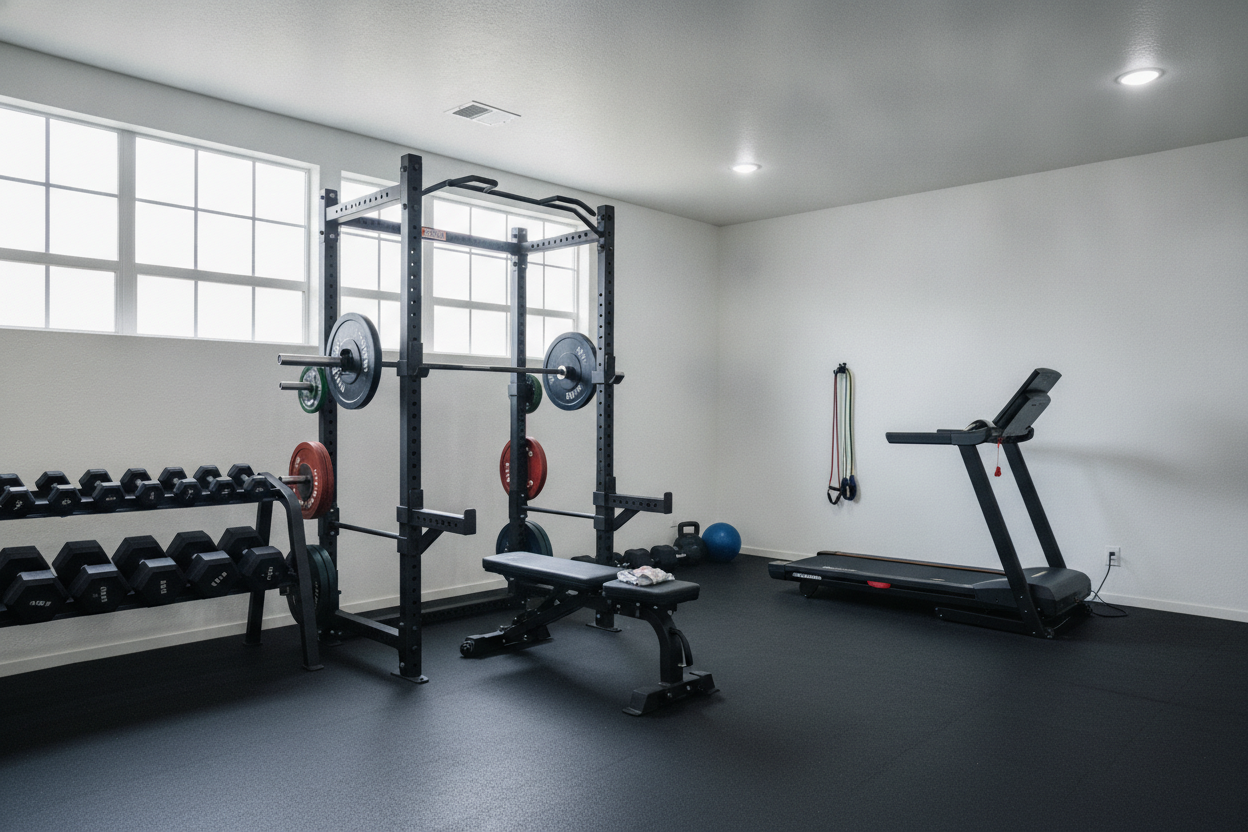
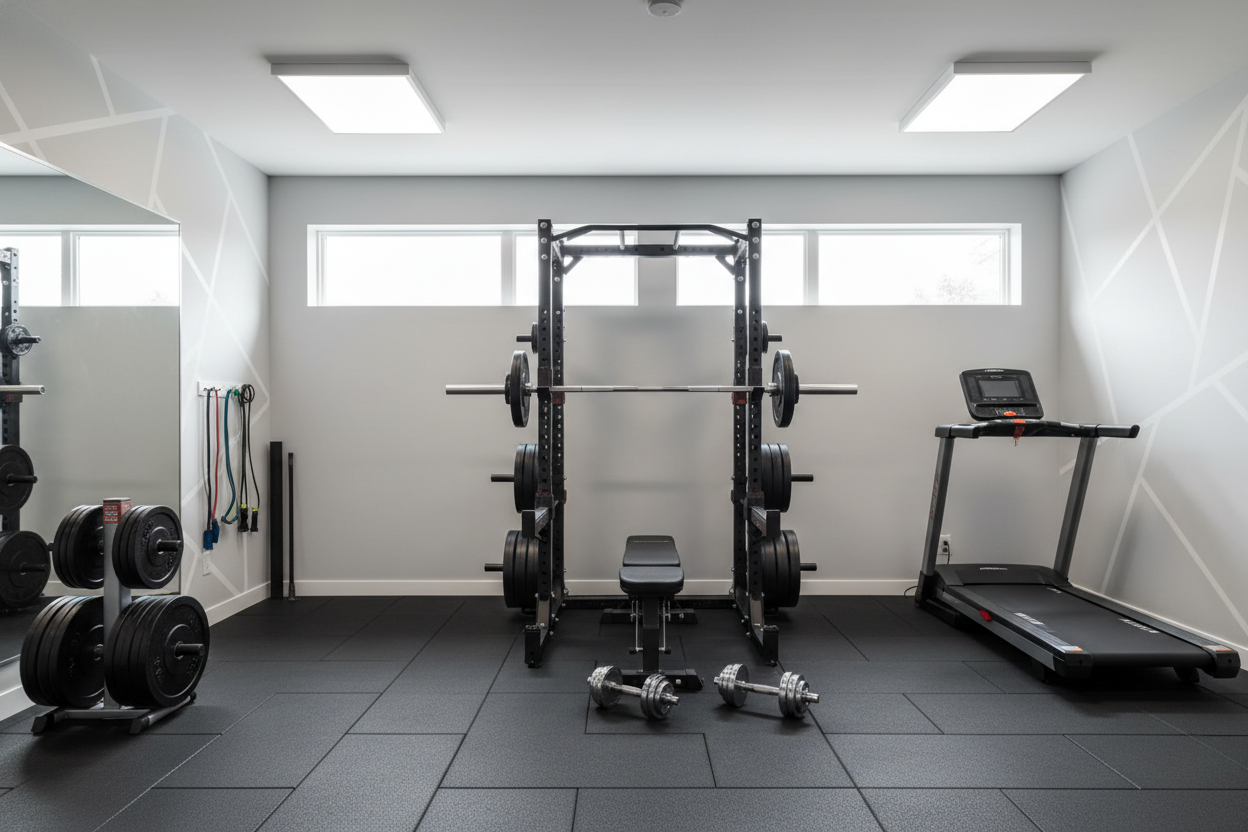
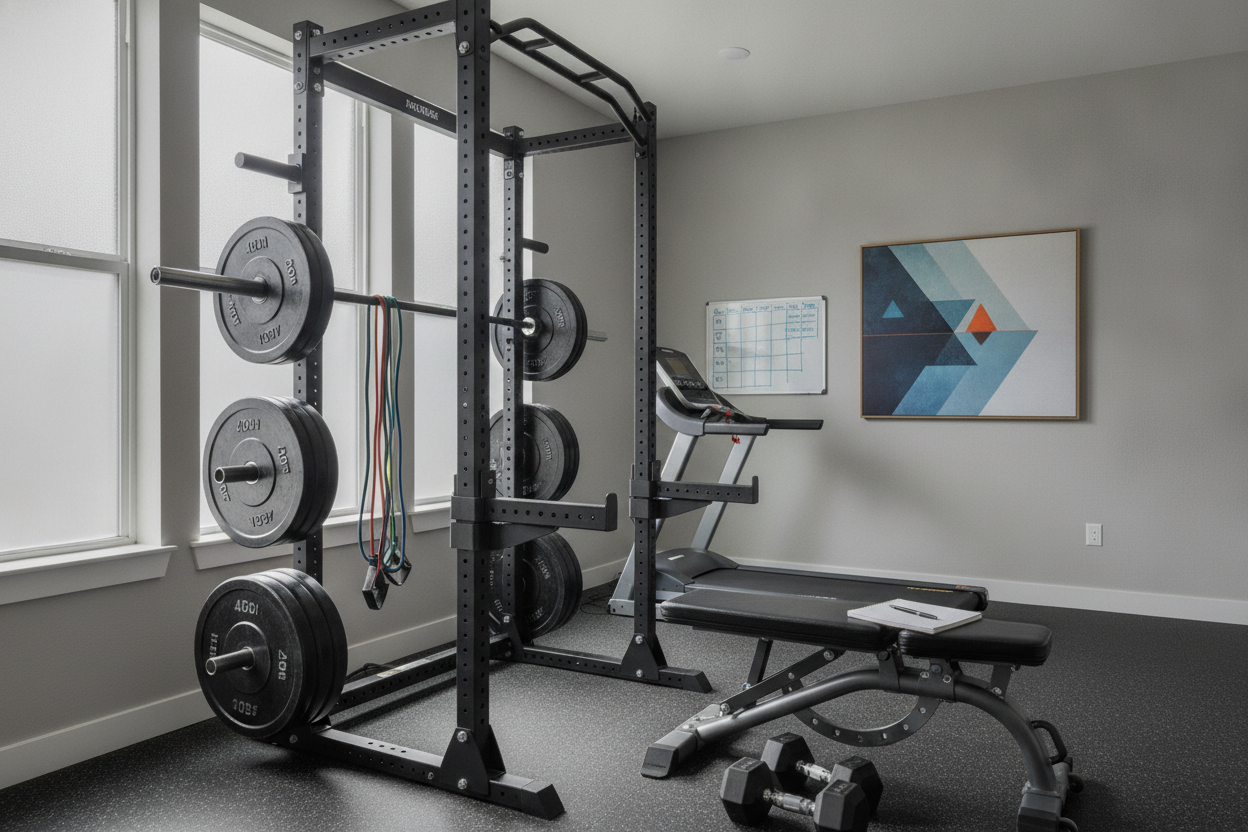
I remember standing in my garage at 10:30 PM, staring at a 45-pound barbell like it was a foreign object. I had the rack, the plates, and the adjustable bench, but I had absolutely no direction. I’d spend twenty minutes scrolling Instagram for 'inspiration,' do a few sets of whatever looked cool, and then call it a night when the floor got too cold. I was 'exercising,' sure, but I wasn't training. I was stuck in a cycle of starting a new home gym workout plan every Monday and quitting by Thursday because it didn't feel 'right' for my specific gear setup.
Quick Takeaways
- Stop chasing variety and start chasing load; consistency beats novelty every time.
- Movement patterns (push, pull, squat, hinge) are more effective than body-part splits in a limited space.
- Your environment dictates your output—proper flooring and stability are non-negotiable for heavy lifting.
- Track your reps and sets religiously to ensure progressive overload is actually happening.
The 'Garage Gym Goof Off' Trap
The biggest hurdle to home gym success isn't a lack of equipment; it's the lack of a boss. When you pay $150 a month for a CrossFit box or a commercial club, there’s an implicit pressure to perform. In your garage, the only person watching you is the neighbor's cat. This leads to what I call the 'Garage Gym Goof Off'—a state where you walk into your gym, do three sets of bench press because you like the pump, skip legs because the rack feels intimidating, and spend the rest of the time checking your phone. This random approach is the ultimate gains-killer.
Random workouts produce random results. If you aren't following a structured routine, you have no way to measure if you're actually getting stronger or just getting better at being tired. Muscle growth requires a specific stimulus applied consistently over time. When you hop from a 'Powerlifting 101' plan to a '30-Day Shred' because you saw a new YouTube video, you reset your progress clock to zero. You never give your body enough time to adapt to a specific stressor, which is why your physique looks exactly the same as it did six months ago despite all that sweat.
Building a Home Gym Workout Plan That Actually Works
To fix this, you have to stop 'exercising' and start 'training.' Exercising is what you do to burn a few calories and feel good for an hour. Training is a calculated, long-term strategy aimed at a specific performance goal. A real plan requires three things: tracked progression, calculated volume, and a clear end-date. You shouldn't be wondering what weight to put on the bar when you walk into the garage; that number should have been decided last week based on your performance.
A solid plan for the home lifter focuses on the big wins. Since we don't have a row of twenty different isolation machines, we have to make our compound lifts work harder. This means every session should be built around a primary movement where you are actively trying to beat your previous self. Whether you're using a power rack or a pair of adjustable dumbbells, the goal is the same: do more than you did last time. If you didn't write down your numbers from Monday, you're just guessing on Friday, and guessing is a fast track to plateauing.
Ditching Body-Part Splits for Movement Patterns
Most people try to bring their 'Chest and Tris' commercial gym routine home and immediately realize it sucks. In a big-box gym, you have five different chest machines to hit every angle. In a garage, you might just have a flat bench and some floor space. This is why you need to transition to a movement-pattern-based approach. Instead of thinking about muscles, think about how the human body moves: you push things away, you pull things toward you, you squat down, and you hinge at the hips.
This framework ensures that you aren't developing massive imbalances just because you like benching more than you like rows. By using a Movement Matrix guide, you can select one exercise for each category based on the gear you actually own. If you have a barbell, your hinge is a deadlift. If you only have kettlebells, it’s a swing. This flexibility allows the plan to stay rigid in its structure but fluid in its execution. You stop worrying about 'missing' a machine and start focusing on mastering the movement. This is the foundation of any sustainable program that survives the 'honeymoon phase' of owning new equipment.
Structuring the Best Home Gym Workouts for Your Schedule
Consistency is the only metric that matters. I’ve seen guys try to run 6-day-a-week bodybuilding splits in their basement and burn out in a month. For most home lifters, a 3-day full-body or a 4-day upper/lower split is the sweet spot. It allows for enough recovery time—which is where the actual growth happens—and it’s realistic enough to stick to when life, kids, or work get in the way. You want to design the best home gym workouts around your life, not the other way around.
On a 3-day split, every session is a 'heavy' session because you’re hitting the whole body. On the off days, you can focus on mobility or light conditioning. If you’ve invested in specialized at home workout machines like a functional trainer or a dedicated leg press, these become your accessory movements. You lead with the 'Big Rocks' (squats, presses, deadlifts) and then use your machines to add the volume that builds muscle without taxing your central nervous system too heavily. This balance keeps the training sessions under 60 minutes, which is crucial for long-term adherence.
The Often-Ignored Foundation of Heavy Lifting
We need to talk about the floor. I spent a year lifting on bare concrete with a thin piece of carpet, and my numbers stalled because I was subconsciously terrified of slipping during a heavy set of lunges or dropping a plate and cracking the foundation. You cannot program heavy, high-intensity sets if you don't trust your environment. Stability is the precursor to strength. If your feet are sliding or your rack is wobbling, your brain will literally 'throttle' your muscle output to keep you safe.
Investing in a high-quality, large exercise mat or proper stall mats is probably the most underrated 'performance' upgrade you can make. When you have a grippy, dense surface, you can actually drive through your heels during a squat or set your feet for a heavy bench press. It changes the psychology of the lift. You go from 'don't fall over' to 'crush this weight.' If you’re planning to do the best at home gym workout possible, stop ignoring the six millimeters of rubber between you and the ground. A large exercise mat provides the traction needed to push your limits safely.
Progression Is What Makes It the Best At Home Gym Workout
The secret sauce isn't a 'special' exercise; it's double progression. This is how you stay on the same program for six months without getting bored or hitting a wall. Here’s how it works: you pick a rep range, say 8 to 12 reps. You start with a weight you can do for 8 reps. You stay with that weight every week until you can perform all your sets for 12 reps with perfect form. Only then do you add weight and drop back down to 8 reps. It’s simple, it’s boring, and it’s the most effective way to build muscle in a home setting.
This method ensures that you are always challenging yourself, even if you don't have a massive library of plates. By the time you’ve increased your reps from 8 to 12, you’ve significantly increased your total work capacity. This is what makes a routine the best at home gym workout—it forces the body to adapt to increasing demands. Don't look for a new plan every month. Look for a new way to make the current plan harder. Add a pause at the bottom of your squats, slow down the eccentric on your presses, or decrease your rest periods. Progression is a math problem, not a creative writing exercise.
My Personal Experience: The 'Cheap Bar' Lesson
When I first started, I bought a '300-lb weight set' from a big-box retailer for $200. I thought I was being smart. Within three months, the bar began to permanently bow under 225 pounds, and the knurling was so smooth it felt like I was holding a wet pool cue. I hated training because the gear felt dangerous. I eventually bit the bullet and bought a real 20kg multi-purpose bar and actual rubber flooring. The difference was night and day. I stopped skipping sessions because the equipment finally matched my effort. My biggest mistake was thinking I could out-program bad gear. You don't need the most expensive stuff, but you need stuff that doesn't make you second-guess your safety.
Frequently Asked Questions
How many days a week should I train at home?
Three to four days is optimal for 90% of home lifters. This provides a perfect balance of intensity and recovery. If you can't stay consistent with three days, you'll never stay consistent with six.
Do I need a power rack for a home gym workout plan?
If you want to lift heavy and stay safe, yes. A rack with safety pins allows you to push to failure on squats and bench presses without needing a spotter. It's the most important piece of safety gear you'll own.
Can I build muscle with just dumbbells?
Absolutely, but you have to be more creative with your progression. Since you'll eventually run out of weight, you'll need to focus on increasing reps, slowing down your tempo, and reducing rest times to keep the stimulus high.