The One Weight Gain Exercise for Beginners I Actually Recommend
I remember staring at my 140-pound reflection in a cracked garage mirror, surrounded by a set of plastic-coated dumbbells that felt more like toys than tools. I was doing 50 reps of bicep curls because I thought 'more' meant 'bigger,' but I just ended up as a skinny guy with a temporary arm pump. If you want to actually change your physique, you need to stop chasing the sweat and start chasing the load with a proper weight gain exercise for beginners.
Quick Takeaways
- Focus on compound movements like squats rather than isolation exercises.
- Prioritize progressive overload—adding weight or reps every single week.
- A power rack is the most important safety investment for a home gym.
- You cannot build muscle without a caloric surplus; eat more than you think you need.
Stop Training Like a Bodybuilder (If You Only Weigh 140 Pounds)
Most novices make the mistake of copying a 'Chest Day' or 'Arm Day' routine they found in a glossy magazine. That is a massive waste of time. When you are starting out, your body has a limited recovery capacity. Spending 45 minutes on lateral raises and tricep pushdowns burns the very calories you desperately need to keep. This is exactly why your workout for weight gain fails in a home gym.
Instead of trying to isolate muscles you don't even have yet, you need to hit the movements that trigger a systemic growth response. We want the central nervous system to realize it is under threat so it signals the whole body to get bigger and stronger. That doesn't happen with a 15-pound dumbbell curl.
The Core Weight Gain Exercise for Beginners (And Why It Works)
It is the squat. Period. I am not talking about the leg press or those vibrating plates you see on late-night infomercials. I mean putting weight in your hands or on your shoulders and sitting down. The squat is the king of weight gain because it recruits almost every major muscle group, from your quads and glutes to your core and upper back.
For a total novice, I recommend starting with the Goblet Squat. Hold a single dumbbell or kettlebell against your chest like a holy grail. Sit back until your elbows touch your knees, then drive back up. Once you can do 15 reps with a 50-lb weight, you have earned the right to get under a barbell. The transition to the back squat is where the real mass is made.
Mechanics Over Muscle Pumps
Don't chase the 'burn.' That stinging sensation in your muscles is just lactic acid; it does not guarantee hypertrophy. In a workout for beginners to gain weight, we care about mechanical tension. This means moving a heavy load through a full range of motion. If you aren't adding 5 pounds to the bar or doing one more rep than you did last Tuesday, you aren't growing. Focus on the mechanics of the lift, keep your spine neutral, and drive through your mid-foot.
The Bare Minimum Gear You Need to Start
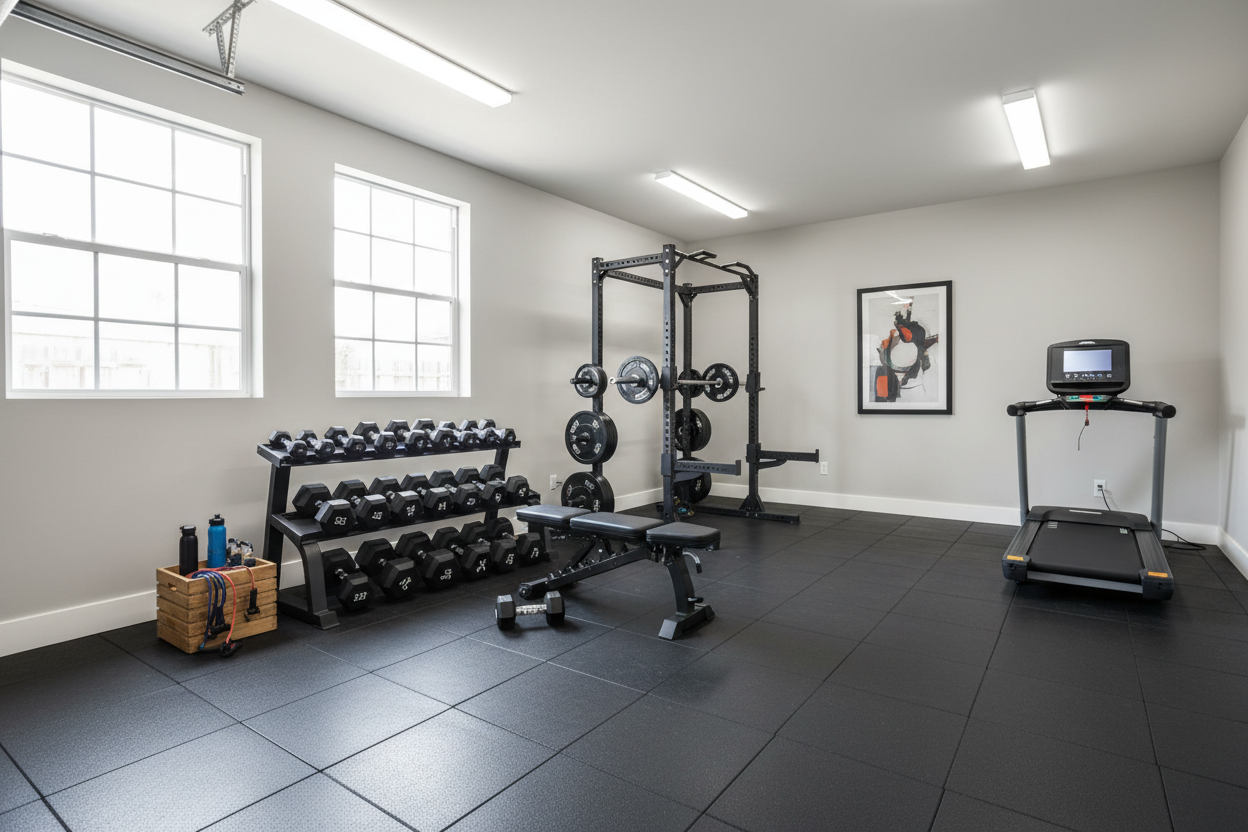
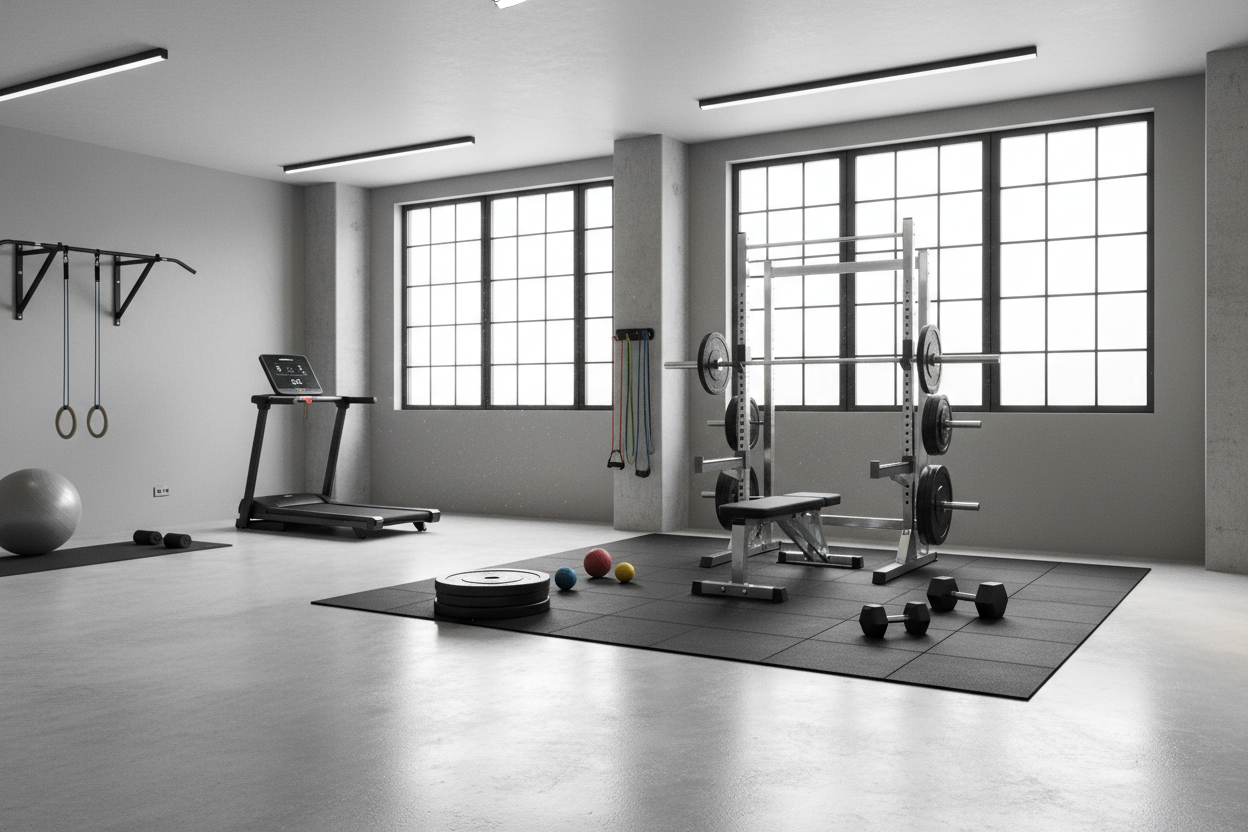
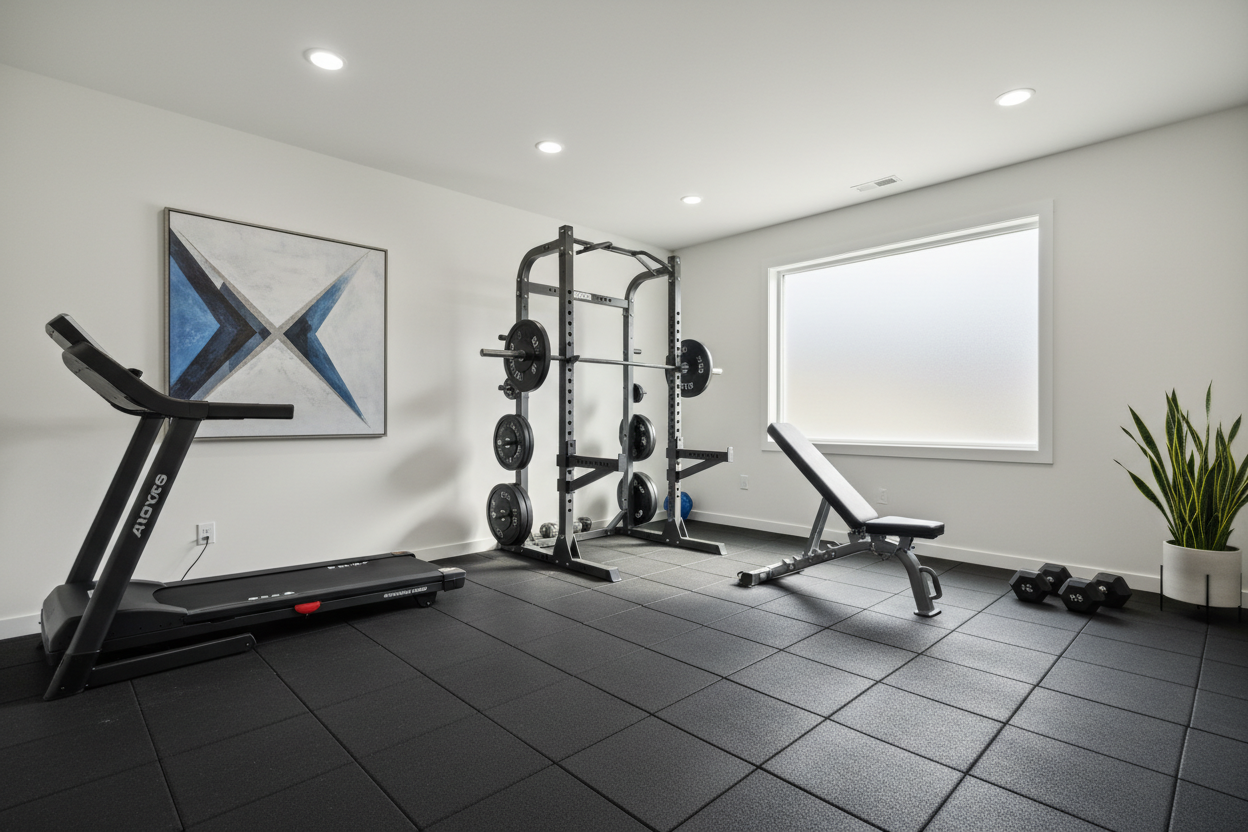
You do not need a 12-station cable machine that takes up half your garage. You need a way to move heavy loads without dying. If you are serious about this, a power rack weight bench package is the smartest foundational investment. It gives you the safety spotters you need when you are squatting or pressing alone at 6:00 AM.
You also need a stable surface. I have seen too many guys try to bench press on a flimsy folding bench that wobbles the moment they pick up a pair of 40s. Get a solid, adjustable weight bench with a high weight capacity. Look for something with at least a 600-lb rating. You might think you'll never hit that, but between your body weight and the plates, you'll get there faster than you think.
A Dead-Simple Weight Gain Workout for Beginners
Stop overcomplicating your schedule. You don't need a six-day 'bro split.' A full body workout for weight gain performed three times a week is superior for novices because it hits every muscle group frequently. Try this 3-day routine:
- Goblet Squats: 3 sets of 8-10 reps
- Push-ups (or Bench Press): 3 sets of 8-10 reps
- Inverted Rows (or Barbell Rows): 3 sets of 8-10 reps
- Overhead Press: 2 sets of 10 reps
Take at least one full day of rest between sessions. This is a weight gain workout for beginners, not a marathon training plan. Your muscles grow while you are sleeping and eating, not while you are in the gym.
The 'Eat Like You Mean It' Rule
I can give you the best program in the world, but you won't build an ounce of muscle if you are eating 1,800 calories a day. You need a surplus. If the scale isn't moving, you aren't eating enough. Add a peanut butter sandwich to your day. Double your portion of rice at dinner. If you are a 'hardgainer,' treat your meals with the same discipline you treat your sets in the gym.
Personal Experience
My first 'gym' was a rusty 1-inch barbell set in a damp basement. I spent six months doing high-rep 'toning' workouts because I was afraid of getting 'bulky' (the irony is painful now). I didn't gain a single pound until I bought a real squat rack and started eating four meals a day. I realized that my fear of doing it wrong was actually just a fear of working hard enough to be uncomfortable. Once I embraced the heavy squat, my weight finally started to climb.
FAQ
How often should I increase the weight?
If you can complete all your sets with perfect form, add 2.5 to 5 pounds in the next session. Small, consistent jumps lead to massive long-term gains.
Do I need protein powder?
It helps for convenience, but it is not magic. Real food like chicken, beef, eggs, and beans should be your primary fuel source.
What if I don't have a barbell yet?
Stick to heavy goblet squats and floor presses with dumbbells. You can build a significant amount of base strength before you ever need to touch a barbell.