The 1-Day-A-Week Routine I Use When Lifting for Maintenance
I’ve been there. You’re staring at a calendar full of deadlines, family obligations, or maybe a house renovation that’s eating your soul. Your garage gym is gathering dust, and every time you walk past your power rack, you feel like your biceps are visibly shrinking. You start to think that if you can’t hit your usual four-day split, you might as well not lift at all. That is a massive mistake. Lifting for maintenance isn't just a fallback plan; it's a strategic tool that keeps you from starting at zero when life finally settles down.
Quick Takeaways
- You can maintain almost all your muscle mass with just 1/9th of your usual training volume.
- Intensity is the lever you cannot drop; keep the weights heavy, even if the sets are few.
- A once a week weight training routine is scientifically proven to preserve strength for months.
- Focus on high-ROI compound movements to get in and out in under 60 minutes.
The Panic of Losing Your Gains (And Why It's Overblown)
Lifters are a neurotic bunch. We think muscle is this fragile thing that evaporates the moment we stop eating 200 grams of protein or skip a leg day. The reality of building muscle vs maintaining muscle is that the latter is significantly easier. While you might need 15 sets per body part to grow, you only need a fraction of that to stay where you are.
The fitness industry wants you to believe you'll shrink into a puddle if you aren't constantly 'crushing it.' They want to sell you more programs and more supplements. But your body is efficient. Once you've paid the neurological and physical price to build that tissue, it wants to keep it. Maintenance lifting is about sending a loud enough signal to your CNS that the muscle is still required for survival.
How Often Do You Have to Workout to Maintain Muscle?
Research consistently shows that as long as you keep the intensity high—meaning the weight on the bar stays heavy—you can slash your volume and frequency and still maintain strength. If you’re wondering how often do you need to workout to maintain muscle, the answer is surprisingly low. For most intermediate lifters, a once a week weight lifting routine is the 'minimal effective dose' to prevent atrophy.
When I’m in a maintenance phase, I stop worrying about the latest strength training accessories or complex periodization. I focus on the 'Big Three' and maybe one or two rows. You don't need a bag full of wraps and specialized gear when you're just trying to hold the line. You just need to show up, move something heavy enough to make you grunt, and go home.
My Brutal 1-Day-A-Week Workout Plan
This is the exact strength maintenance program I’ve used during cross-country moves and job transitions. It’s a full-body gauntlet that hits every major motor unit. It isn't 'easy,' but it is fast. I start with a quick dynamic warm-up, then move straight into the heavy stuff.
- Back Squats: 2 sets of 5-8 reps (90% of your usual working weight).
- Overhead Press: 2 sets of 5-8 reps.
- Deadlifts: 1 top set of 5 reps.
- Weighted Pull-ups: 2 sets to near-failure.
I condense all my lower-body volume into those squats because they provide the highest ROI. If you want to see the mechanics of why this works, check out this science backed leg workout guide. The key here is the weight. If you usually squat 315 for sets of 8, don't drop to 225 just because you're busy. Stick to 285 or 300 and just do fewer sets. That heavy load is what tells your body to keep the muscle.
Why I Don't Ignore Isolation Movements (Even on a Time Crunch)
It’s tempting to skip the 'fluff,' but I always carve out 10 minutes for some targeted work. This isn't about vanity; it's about joint health. Doing a few sets of face pulls or tricep pushdowns keeps your elbows and shoulders from feeling like rusty hinges when you finally return to full-time training.
I often find that utilizing weight lifting machines for this accessory work is a lifesaver. When I’m exhausted from a 60-hour work week, I don’t have the mental energy to stabilize a heavy dumbbell for lateral raises. I’d rather hop on a cable machine, pin the weight, and burn out the muscle without the stability tax.
The Golden Rules for Making a Once-a-Week Routine Work
If you're only training once a week, you cannot sandbag your sets. You need to push close to failure—about 1-2 reps in the tank. Since your recovery time is an entire week, you don't have to worry about systemic fatigue as much. You can redline that single session because you have six days of 'rest' coming your way.
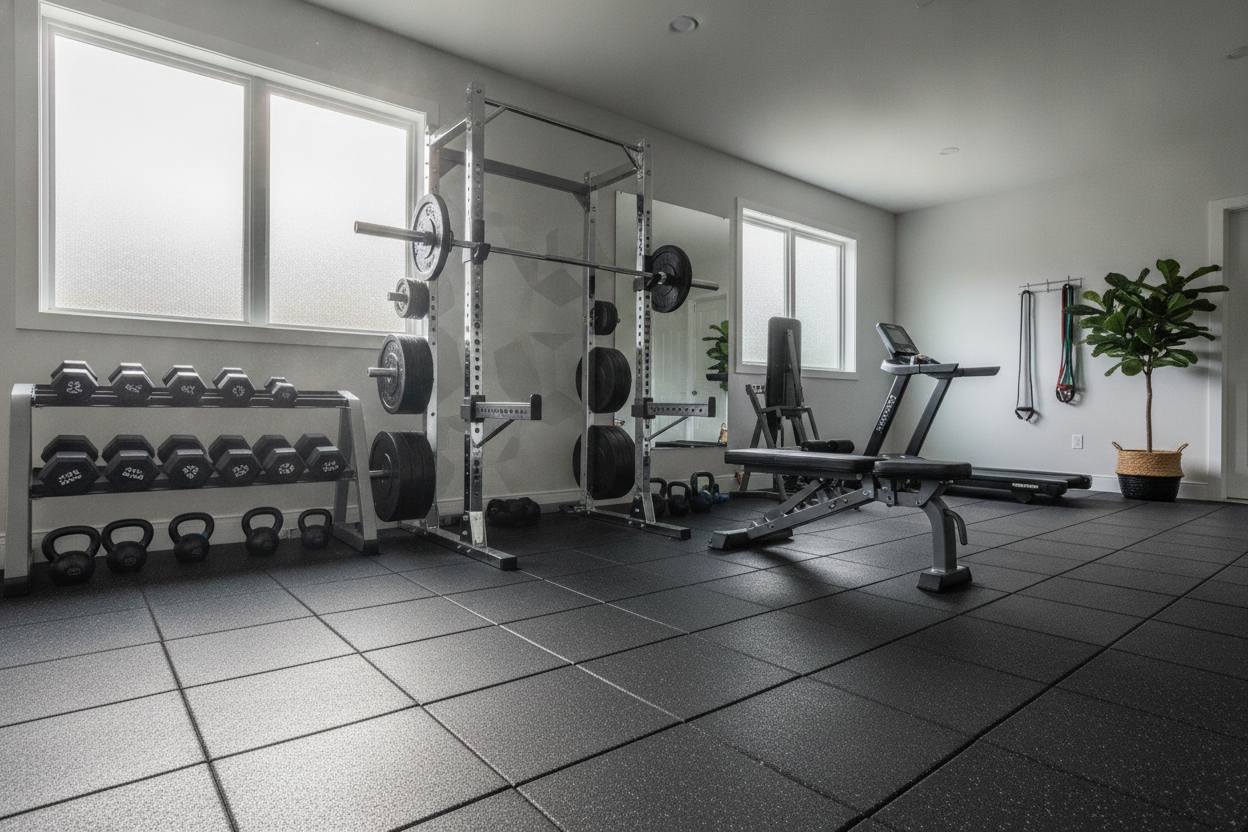
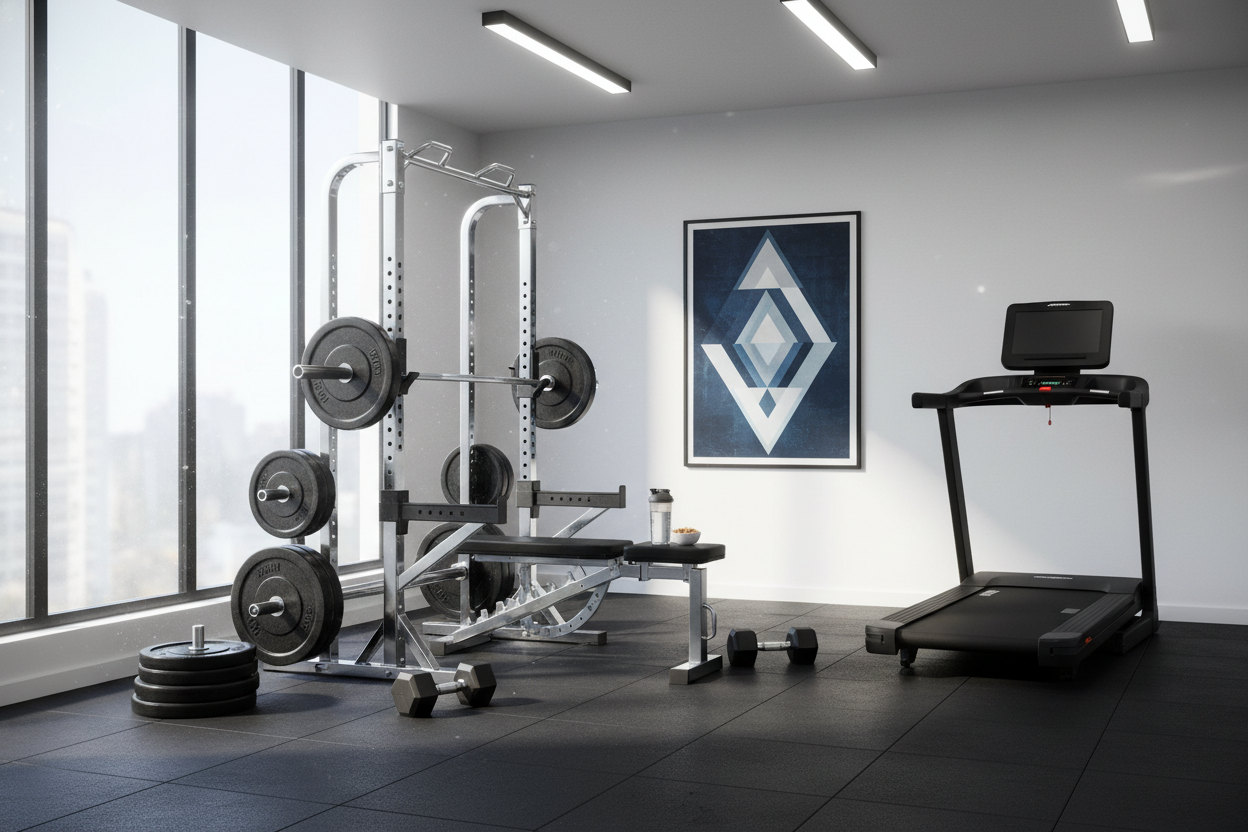
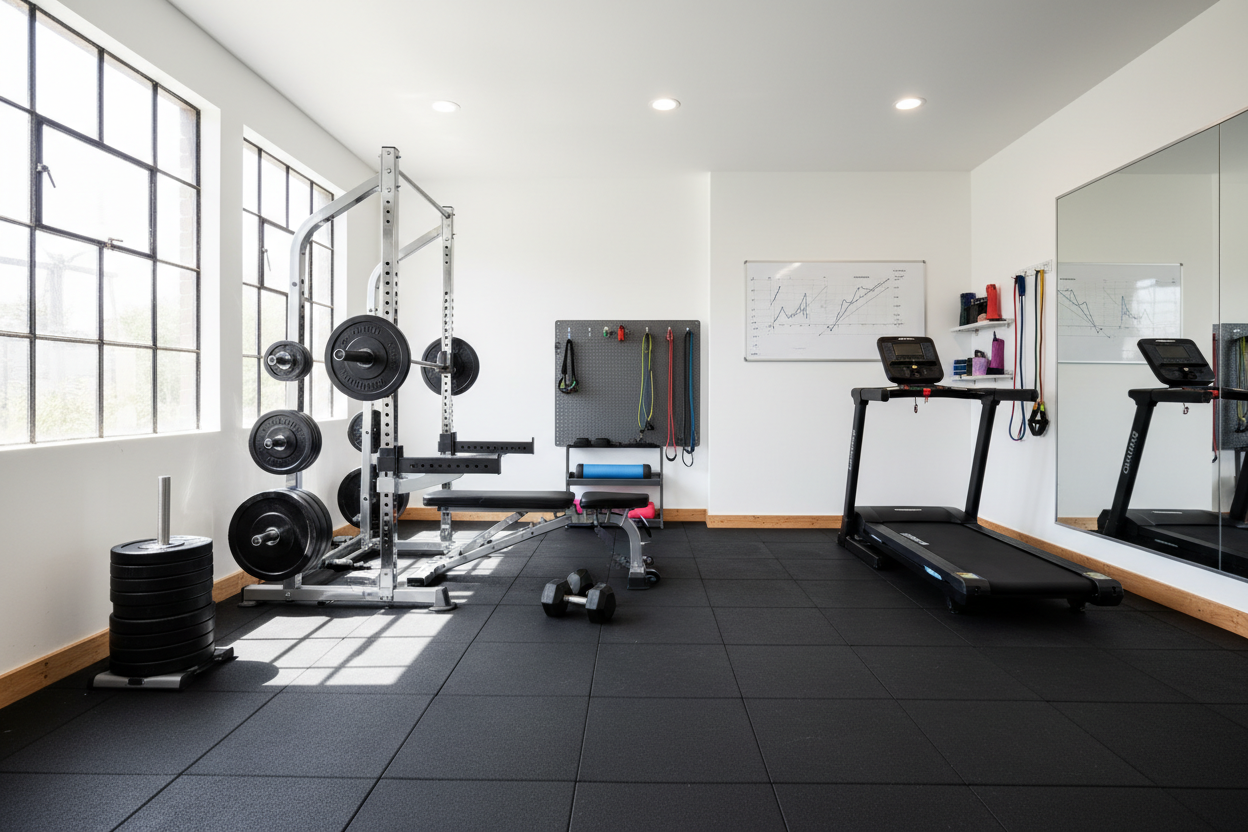
Efficiency is also paramount. My garage is organized so I can transition from a bench press to a row in thirty seconds. Having a sturdy adjustable weight bench already inside the rack is a must. If I have to spend ten minutes moving equipment just to start my next set, the workout won't happen. Treat your gym setup like a cockpit; everything should be within reach so your 45-minute window is pure work.
Maintenance Lifting FAQ
Can working out once a week build muscle?
For a rank beginner, yes. For anyone with more than six months of consistent lifting under their belt, a once a week workout plan is strictly for maintenance. You might see some minor strength gains due to the massive recovery time, but don't expect to add an inch to your arms.
Will working out once a week maintain muscle?
Absolutely. Multiple studies have shown that muscle mass can be preserved for 8-12 weeks with just one high-intensity session per week. You won't look as 'pumped' because your glycogen stores might be lower, but the actual contractile tissue stays put.
How much exercise to maintain muscle?
The 'minimal effective dose' is usually cited as one-third to one-ninth of your previous volume. If you were doing 9 sets of chest per week, 1 to 3 very hard sets will do the trick for maintenance weight lifting.