Your Doctor Said 'Do Weight Bearing Exercises for Seniors'. Now What?
You just finished a DEXA scan and the doctor handed you a printout with some numbers that look a lot like a bad grade. They told you to start weight bearing exercises for seniors, but they probably didn't tell you how to do it without feeling like you’re going to snap a rib. Most people hear 'weight bearing' and think of a casual stroll through the park, but if you want to actually move the needle on bone density, you have to put a real demand on your skeleton.
Quick Takeaways
- Walking is great for your heart, but it is rarely enough to build bone density.
- You must load the axial skeleton (the spine and hips) to see real results.
- Free weights are generally superior to machines for bone health because they require balance.
- Safety is about stability and proper equipment, not just lifting light weights.
Why Your 'Bone-Healthy' Walking Routine Is Failing You
I have seen it a thousand times: someone gets a diagnosis of osteopenia and immediately starts walking three miles a day. Don't get me wrong, walking is better than sitting on the sofa, but your bones are smart. They adapt to the stress you give them. If you are only doing low-impact activities like swimming, cycling, or casual walking, your skeleton has no reason to get denser. You need impact or resistance to trigger the osteoblasts—the cells that build bone.
Think of your bones like a bank account. Walking is like making a five-dollar deposit. It is fine, but it is not going to pay for a house. To really change your bone structure, you need to lift things that make your body say, 'Wait, I need more support here.' That means moving beyond the two-pound pink dumbbells and actually challenging your muscles.
Wait, What Are Weight Bearing Exercises for Seniors Anyway?
So, what are weight bearing exercises for seniors exactly? It is not just moving your body; it is moving your body against gravity while carrying a load. This is where most people get confused. What Actually Counts as a Weight Bearing Exercise for Women Over 50? often comes down to axial loading. This means putting weight on your shoulders or holding it in your hands so your spine and hips have to support that weight.
If you are sitting in a pool, the water is doing the work for you. That is the opposite of what we want. We want gravity to be the enemy. When you stand up and hold a weight, gravity pulls that weight toward the floor, and your bones have to resist that pull. That resistance is the signal your body needs to keep your skeleton dense and strong.
The Heavy Truth About Weight Bearing Exercises for Legs
The hips and femurs are the most critical areas to protect. A hip fracture is often the beginning of the end for independence, and we want to avoid that at all costs. You need weight bearing exercises for legs that focus on structural integrity. Using a Leg Exercises Weight Training The Blueprint For Total Lower Body Power approach ensures you are hitting the quads and glutes with enough intensity to signal the bone to harden up.
I have found that many seniors are afraid of 'heavy' weights, but heavy is relative. If you can do 20 reps without breaking a sweat, it is not heavy enough to help your bones. You want a weight that feels challenging by the 10th or 12th rep. This is how you build the 'armor' around your joints.
The Box Squat: Your Best Defense Against Hip Fractures
The box squat is my favorite of all weight bearing exercises for elderly trainees who are worried about their balance. You aren't just squatting into thin air; you are sitting back onto a solid surface. I usually recommend a Gxmmat Adjustable Weight Bench because it is rock-solid and won't slide out from under you like a dining room chair might. This builds the strength to get out of a chair or a car while safely loading the hips.
Dumbbell Deadlifts: Rebuilding the Posterior Chain
A dumbbell deadlift is one of the best weight bearing leg exercises because it trains the 'hinge' movement. By picking up weights from the floor, you are pulling on the hamstrings and glutes, which in turn pulls on the pelvis. This tension is exactly what tells your body to keep that pelvic bone thick. Start with the weights on a small step if you can't reach the floor comfortably.
Ditching the Machines: Why You Need Freestanding Loads
I love a good leg press, but it should not be your only tool. When you sit in a machine, the metal frame supports the weight for you. When you stand up with a pair of dumbbells, your spine supports the weight. That is why weight-bearing exercises for women over 60 should prioritize standing movements whenever possible. While Weight Lifting Machines are great for building muscle size, they often miss that crucial axial loading component that builds bone density.
If you are standing, you are also working on your balance. Improved balance means fewer falls. Fewer falls mean fewer chances to break a bone in the first place. It is a win-win that you just don't get from a seated chest press machine.
Setting Up Your Home for Safe, Heavy Loading
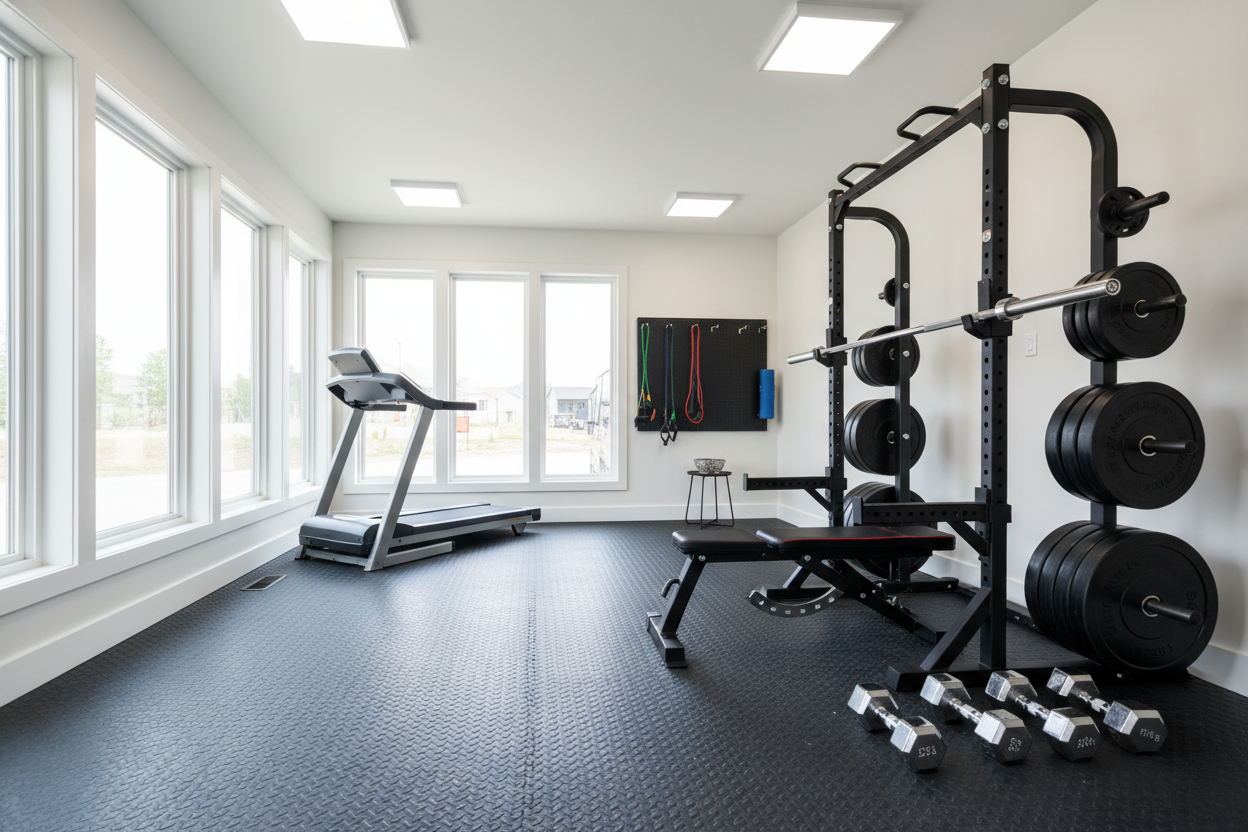
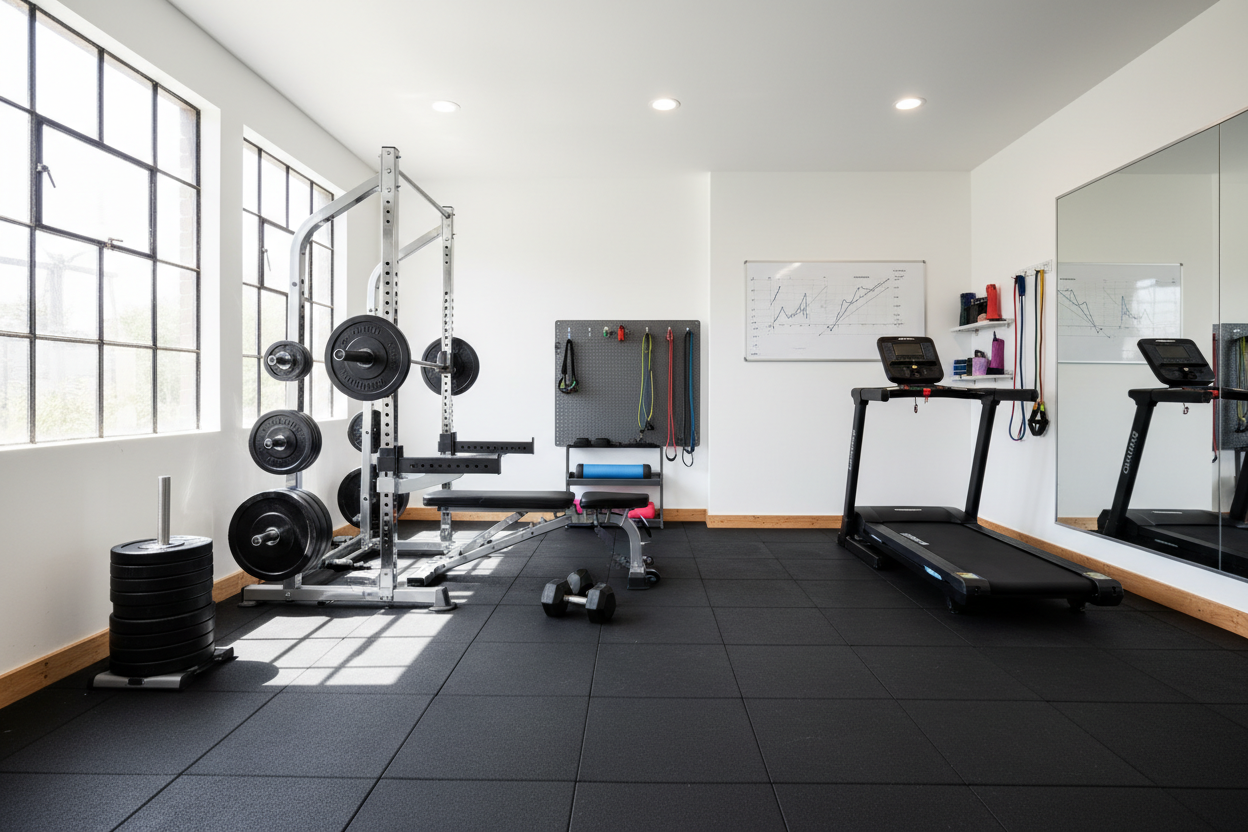
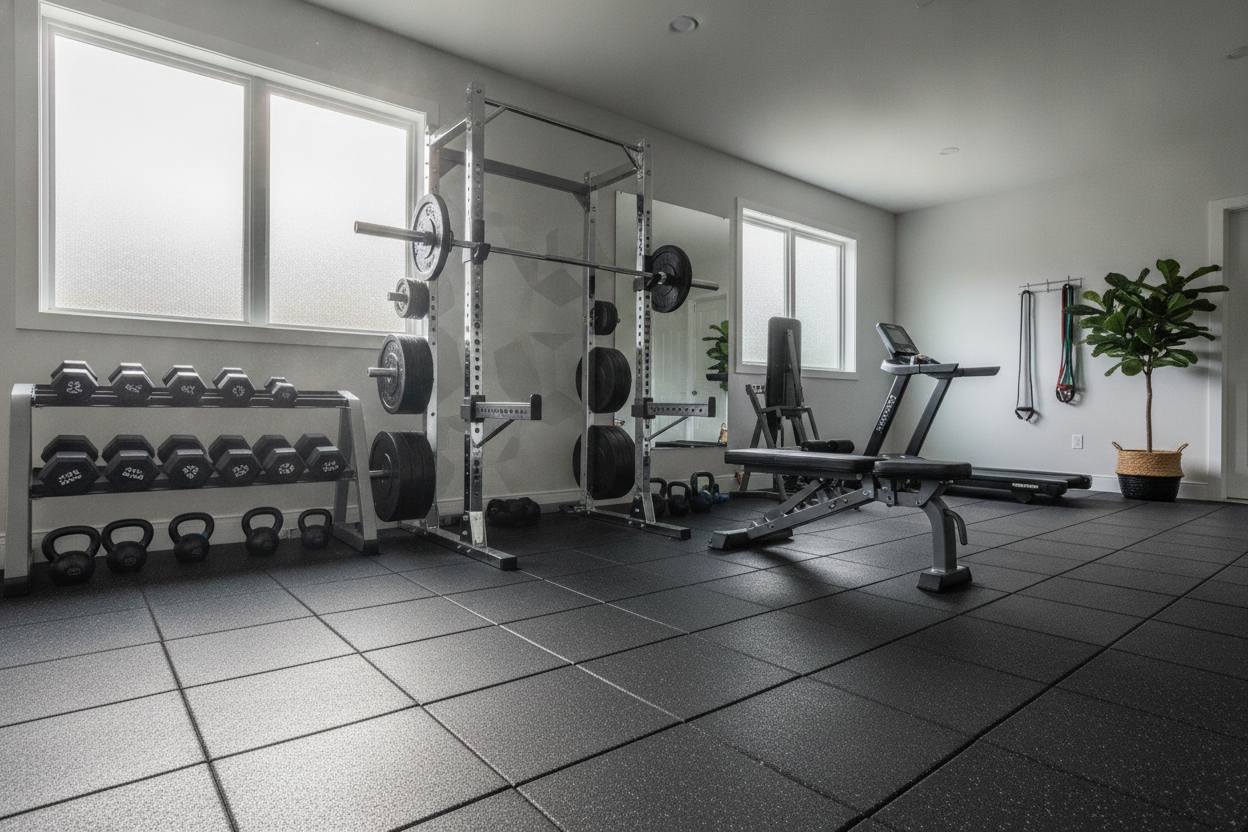
If you are going to lift weights that actually matter, you need to feel safe in your environment. I have seen too many people try to lift in socks on a slick floor—that is a disaster waiting to happen. You need a dedicated space with good traction. For those who want to get serious about their longevity, a Gxmmat X6 Power Rack Weight Bench Package is a smart investment. It has safety spotter arms, so if you realize mid-rep that the weight is too heavy, the rack catches it, not your floor.
I remember helping my own mother set up her home gym. She was convinced she would 'bulk up' or hurt her back. We started with just a 10lb kettlebell. Six months later, she was deadlifting 50lbs and her follow-up scan showed her bone density had actually stabilized for the first time in years. The biggest mistake I made early on was being too cautious—I didn't give her enough credit for what she could handle.
FAQ
How often should I do these exercises?
Twice a week is the sweet spot. Your bones need time to recover and rebuild between sessions. Don't lift every day; the growth happens while you rest.
Can I just use 2lb dumbbells?
Probably not. If the weight feels like a soup can, it is not heavy enough to trigger bone growth. You need to feel like you are doing actual work.
Is walking considered a weight-bearing exercise?
It is 'weight-bearing' in the literal sense, but it is usually too low-intensity to stop bone loss once it has started. Think of it as maintenance, not a builder.