How to Build Lean Strength With A Science-Backed Leg Workout
You walk into the weight room, and the squat rack looks intimidating. Or perhaps you’ve been doing endless lunges in your living room with zero visible changes. The confusion is real. Should you be doing high reps for "toning" or heavy weights for strength? The truth about a proper leg workout women's health depends on understanding physiology, not just following trends.
We are going to move past the fear of getting "bulky" and focus on what actually matters: metabolic conditioning, bone density, and functional movement. Let’s look at how to train your lower body effectively.
Key Takeaways
- Prioritize Compound Movements: Exercises like squats and deadlifts recruit more muscle fibers than isolation machines.
- Progressive Overload is Non-Negotiable: You must gradually increase weight or resistance to see physiological changes.
- Mind-Muscle Connection: Active glute engagement prevents quad dominance and knee pain.
- Rest is Growth: Muscles repair and strengthen during recovery, not during the workout itself.
The Physiology: Why Women Should Train Differently
While the mechanics of a squat are the same for everyone, the structural and hormonal realities for women differ. Women generally have a wider pelvis (Q-angle), which can increase the risk of knee valgus—where the knees collapse inward during heavy lifts.
Understanding this means your women's health leg exercises need to focus heavily on glute medius activation. Weak hips don't just look flat; they cause knee injuries. Strengthening the posterior chain isn't just aesthetic; it's an insurance policy for your joints.
The Pillars of a Solid Leg Routine
1. The Compound Lift
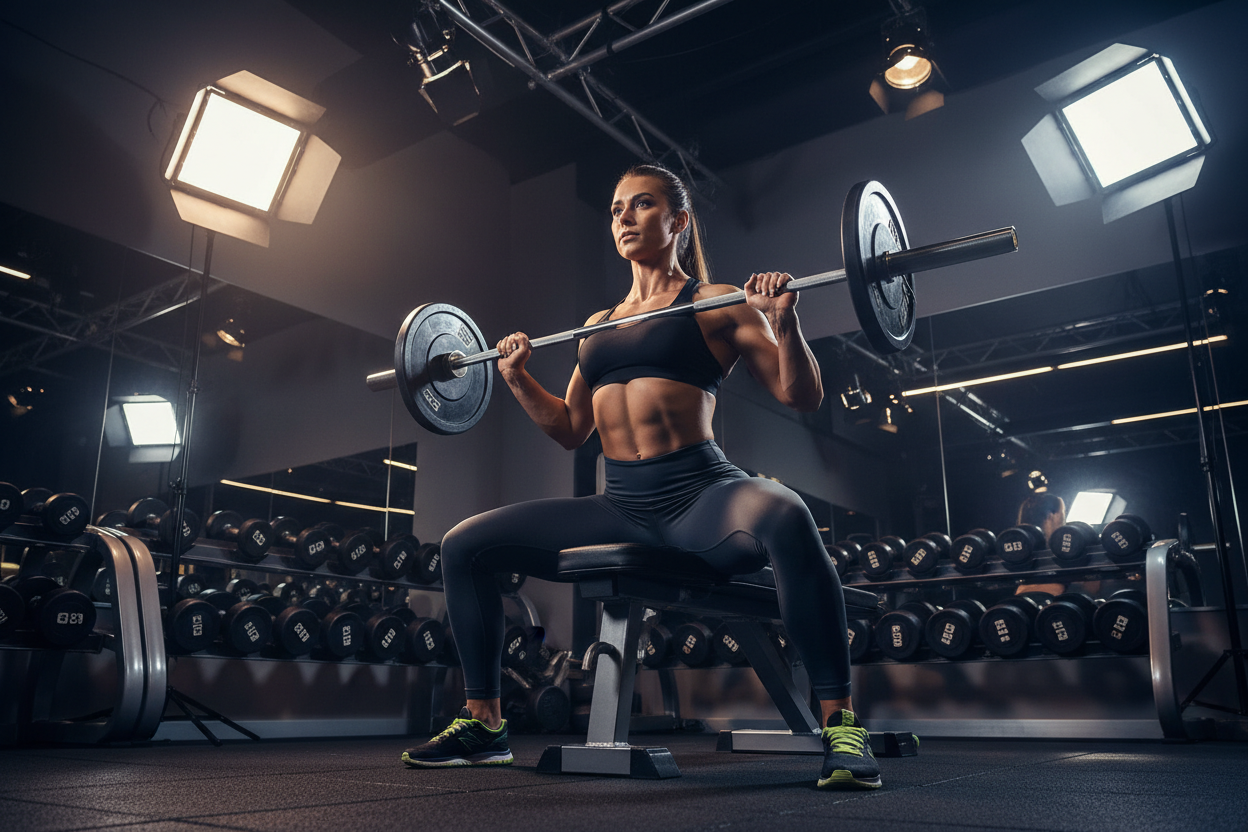
Start your session with your heaviest movement. This is usually a variation of a Squat or a Deadlift. Because these movements require the most central nervous system (CNS) energy, doing them first ensures your form remains crisp. For many women, a Goblet Squat is superior to a Back Squat initially because the front-loaded weight forces you to engage your core and keeps your torso upright, protecting the lower back.
2. Unilateral Training
We rarely move on two legs perfectly symmetrically in real life. Unilateral (single-leg) work corrects imbalances. If your right quad is stronger than your left, a standard barbell squat will just reinforce that dominance. Incorporating movements like Bulgarian Split Squats or Reverse Lunges forces the weaker side to catch up.
3. The Accessory Work
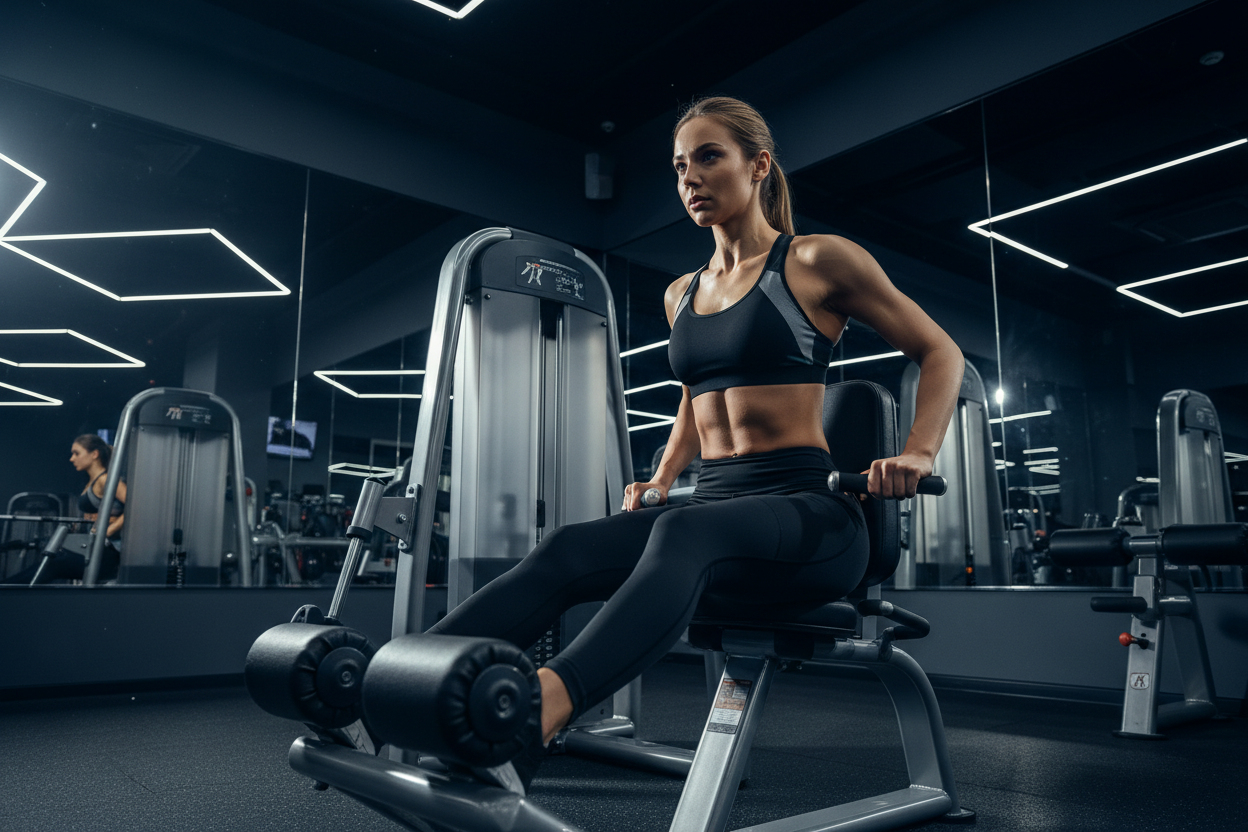
Once the heavy lifting is done, move to isolation exercises. This is where you can focus on metabolic stress—the "burn." Hamstring curls, calf raises, and glute bridges fall into this category. These typically involve higher repetitions with shorter rest periods.
Common Mistakes Sabotaging Your Gains
The most frequent error isn't bad form; it's a lack of intensity. Many women's health leg workout guides suggest pink dumbbells and 20 reps. However, if you finish a set and feel like you could have done five more reps, you aren't stimulating muscle growth.
Another issue is neglecting the eccentric phase (the lowering part of the lift). Dropping into a squat quickly bypasses muscle tension. Lowering the weight slowly (over 2-3 seconds) creates micro-tears in the muscle fiber, which is exactly what you need for hypertrophy and strength.
My Training Log: Real Talk
I want to be honest about the reality of leg day. It’s not always the empowering montage you see on Instagram. I remember specifically when I started taking Bulgarian Split Squats seriously. It wasn't just the burn; it was the sheer instability.
I recall setting up near the dumbbell rack, putting my foot on the bench, and realizing my shoelaces were digging into my ankle bone—a sharp, annoying pinch that distracted me from the lift. I had to stop and place a yoga mat over the bench edge.
Then there was the "glute amnesia." For the first month, I only felt the burn in my quads. My glutes were asleep at the wheel. I had to physically poke my glute muscle with my thumb during the movement to remind my brain to fire that specific muscle. It felt ridiculous, but that tactile cue was the only thing that stopped my quads from taking over. That wobble you feel on the last rep? That’s where the actual change happens.
Conclusion
Building strong legs is a marathon, not a sprint. It requires managing the uncomfortable feeling of heavy weights and the discipline to rest when you're sore. By focusing on compound lifts and correcting imbalances, you aren't just building a physique; you're building a body that functions better for decades to come.
Frequently Asked Questions
How often should I train legs for maximum results?
For most women, training legs twice a week is the sweet spot. This allows for high volume while giving your muscles 48 to 72 hours to recover. Training heavy legs every day will likely lead to overtraining and halted progress.
Will lifting heavy weights make my legs bulky?
No. Women typically lack the testosterone levels required to pack on massive amounts of bulk naturally. Heavy lifting creates dense, lean muscle which actually contributes to a tighter, more sculpted appearance rather than a "bulky" one.
What if I have knee pain during squats?
Knee pain often stems from weak glutes or poor ankle mobility, not the squat itself. Try switching to box squats to control your depth, or focus on glute activation exercises (like clam shells) before your main workout to ensure your hips are supporting the load.