Stop Changing Your Primary Exercise Every Single Week
I spent three years doing what I call 'The Instagram Shuffle.' One week it was high-bar squats, the next it was Bulgarian split squats because some influencer said they were better for glutes, and the week after that I was trying to balance on a Bosu ball. My strength didn't just stall; it regressed. I was so busy 'confusing' my muscles that I ended up confusing my central nervous system into doing absolutely nothing.
If you want to actually see your numbers go up, you have to embrace the boredom of the primary exercise. This is the heavy hitter that starts your session, the lift you track with obsessive detail, and the one you refuse to swap out just because you saw a new variation on TikTok.
Quick Takeaways
- Consistency is the only way to accurately measure progressive overload.
- A primary lift should be a compound, multi-joint movement.
- Stick to the same main lift for at least 8 to 12 weeks.
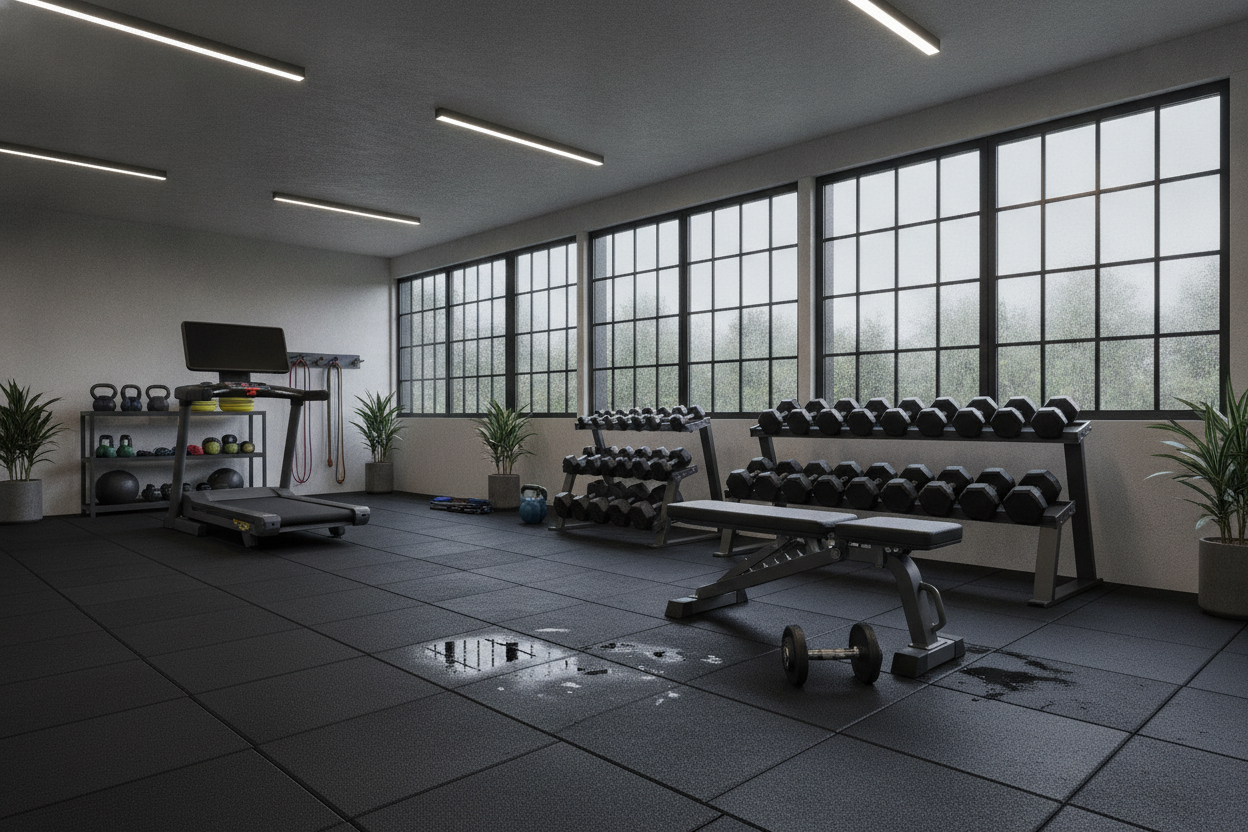
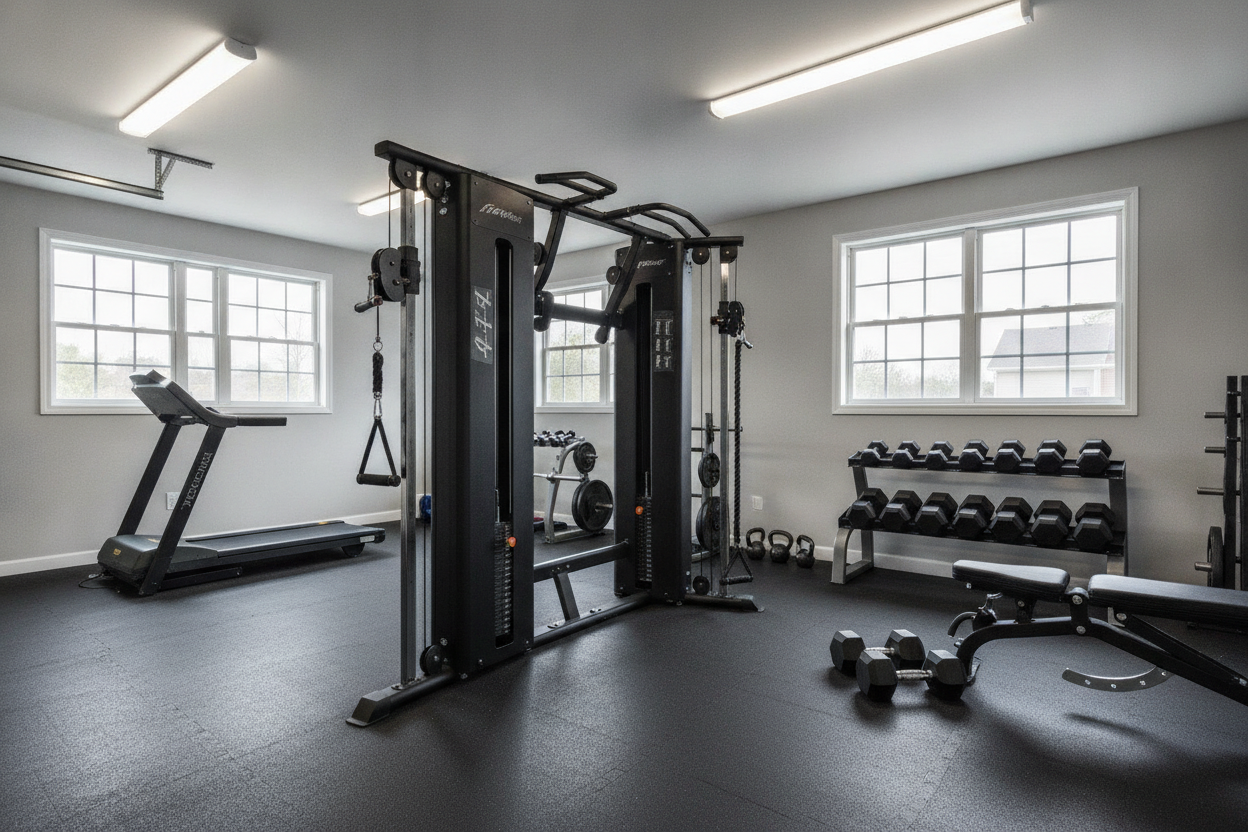
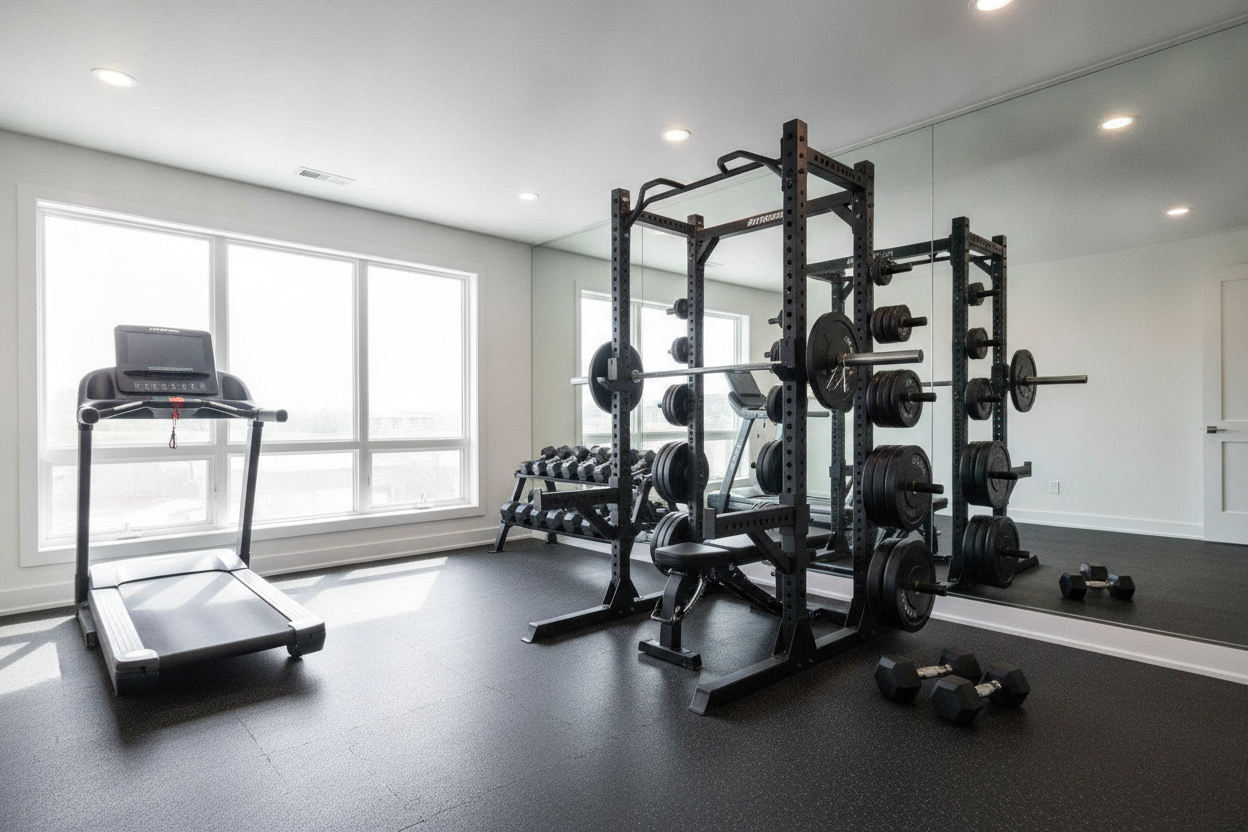
- Your floor and equipment need to handle the repetitive stress of heavy loading.
Why You're Tempted to Swap Movements Every Tuesday
The fitness industry is built on novelty. If a trainer tells you to just squat, bench, and deadlift for the next ten years, they can't sell you a new 'revolutionary' program every month. We've been brainwashed into believing in 'muscle confusion,' which is mostly a marketing term for 'I have ADHD and can't stick to a plan.'
In reality, your muscles don't need to be surprised; they need to be challenged. When you swap your main lift every week, you lose the ability to track progress. Was that 225-lb squat harder than last week's 230-lb leg press? Who knows? You're comparing apples to chainsaws. Real strength is built in the repetitive grind of mastering a specific movement pattern until it becomes second nature.
What Makes a Lift Worthy of the Number One Spot?
Not all exercises are created equal. Your first movement should be the one that requires the most energy, the most stabilization, and the most technical proficiency. We're talking about the big stuff: Back Squats, Deadlifts, Overhead Presses, or Weighted Pull-ups. These are the lifts that dictate the hormonal response and the fatigue levels for the rest of your hour in the garage.
Choosing the right movement is about anchoring your home gym routine around a goal. If you want a massive back, your primary lift shouldn't be a bicep curl; it should be a heavy row or a weighted chin-up. Everything else you do in that session is just a supporting character to this main protagonist.
The 'Big Rocks' Theory of Garage Gym Training
Think of your training like a jar. If you fill it with sand (bicep curls and calf raises) first, you won't have room for the big rocks (squats and presses). But if you put the big rocks in first, the sand fits in the gaps. You can change your accessory work every month if you're bored—swap a dumbbell fly for a cable crossover, fine. But the big rocks must stay the same. If you don't keep the main lift constant, you're just guessing at your progress.
Setting Up Your Space for Heavy, Repetitive Work
When you commit to one main lift for months, you’re going to be dropping heavy weight in the exact same spot, over and over. I've seen guys crack their garage concrete because they thought a thin strip of carpet was enough protection for 405-lb deadlifts. You need a dedicated lifting zone that can take a beating.
I always recommend starting with a large exercise mat that covers enough surface area so you aren't constantly adjusting your rack or your feet. If you're doing heavy pulls or setting up a power rack, a 6x8ft exercise mat is the gold standard. It gives you enough room to drop a loaded barbell without the plates bouncing off into your water heater, and it saves your joints from the unforgiving vibration of bare concrete.
The Only Two Excuses for Rotating Your Main Lift
I'm a stickler for consistency, but I'm not a masochist. There are exactly two reasons to swap your primary lift before an eight-week cycle is up. First is the genuine plateau. If you have failed to add a single pound or a single rep to a lift for three weeks straight, and your sleep and diet are on point, the stimulus might have gone stale. That’s when you rotate to a close variation—like moving from a flat bench to a low-incline bench.
The second reason is pain. If your elbows scream every time you low-bar squat, stop doing it. Forcing a movement that causes 'bad pain' (not just muscle soreness) is a fast track to a multi-month injury that will cost you more gains than a program swap ever would. Listen to your joints, but don't let a little laziness masquerade as an injury.
Personal Experience: The Trap of Variation
A few years back, I got obsessed with 'specialty bars.' I had a safety squat bar, a swiss bar, and a trap bar. I was rotating them every single workout. I felt like a scientist, but my total didn't budge for six months. I finally sold two of the bars, kept the safety squat bar, and forced myself to use it as my only leg movement for twelve weeks. My squat jumped 40 pounds. Turns out, the 'variety' was just a way for me to avoid the hard work of getting better at one difficult thing.
Frequently Asked Questions
How long should I keep the same primary lift?
At least eight weeks, but twelve is better. This gives you enough time to move past the initial neurological gains and actually start building new muscle tissue to support the weight.
Can I have two primary exercises in one workout?
You can, but it’s usually better to pick one 'main' and one 'heavy secondary.' If you try to max out on Deadlifts and then max out on Back Squats in the same hour, your intensity on the second lift will be garbage.
What if I get bored?
Boredom is often a sign that you aren't pushing the weight hard enough. If you're truly challenging yourself with progressive overload, the fear and focus required for a new PR will keep you plenty entertained.