Stop Avoiding the Weird Hip Machine Gym Bros Ignore
I’ve watched guys spend $2,000 on a custom power bar and then ignore the $3,500 hip machine gym owners put in the corner for a reason. You know the one. It’s the machine that makes everyone look like they’re trying out for a 1980s aerobics video. It feels awkward, it looks weird, and most people assume it’s just for toning your glutes for the beach.
If you’re chasing a 500-pound squat or trying to fix that nagging knee pain that flares up every time you hit depth, you need to swallow your pride. Most of us have hips that are as tight as a rusted bolt and as weak as a wet noodle. Isolating these muscles isn’t just for aesthetics; it’s about creating a stable base so your big lifts don’t collapse under pressure.
- Stability: It fixes the knee cave during heavy squats by strengthening the rotators.
- Lockout Power: Directly improves the top half of your deadlift.
- Injury Prevention: Stronger adductors mean fewer groin strains and better knee tracking.
- Isolation: Hits the glutes without fatiguing your lower back or spine.
The Awkward Eye-Contact Problem in Commercial Gyms
Let’s be real. Sitting on a machine and spreading your legs while staring at the guy on the bench press is a vibe most of us want to avoid. Because of that stigma, the most effective hip machine on the floor is usually the loneliest. I’ve seen powerlifters skip these for years, only to wonder why their squat plateaued while their accessory work was technically perfect.
Caring about looking cool is a fast track to mediocre gains. When you use these machines, you aren't just toning. You are strengthening the internal and external rotators that keep your femur from oscillating like a vibrating phone when you’re coming out of the hole. Stop worrying about the eye contact and start worrying about your weak links.
Why Your Squat Needs a Dedicated Hip Extender Machine
Squats and deadlifts are vertical force movements, but your hips are built to handle force from multiple angles. A hip extender machine allows you to isolate the glute max and hamstrings in a way that a barbell simply can’t. By removing the balance requirement and the spinal loading, you can actually take the muscle to failure without your lower back giving out first.
Think about the lockout of a heavy pull. That’s pure hip extension. If you only train that with heavy triples, you’re missing out on the volume needed for hypertrophy. Using a dedicated machine lets you pump 15-20 reps into the glutes, building the shelf that supports the bar and provides the explosive drive needed for heavy triples later in the week.
Decoding the Sea of Gym Floor Options
Commercial gyms usually have a mix of three machines. Don’t let the chrome and leather confuse you; they all serve one of three purposes: moving your legs apart, squeezing them together, or kicking them back. Here’s what you’ll actually encounter out in the wild.
The Seated Abductor and Adductor
This is the one that looks like a high-tech chair. It’s the gold standard for groin health. If you feel a pinch in your hip flexors when you squat, your adductors are likely screaming for help. You should build bulletproof hips with the hip adduction abduction machine to ensure your knees track properly over your toes.
Pro tip: Lean forward slightly and hold the handles to engage the glutes more effectively on the abduction side. On the adduction side, keep your chest up and focus on a slow, controlled squeeze. Don't just bang the weights together like you're playing the cymbals.
The Standing Multi-Way Pendulum
This looks like a giant swinging arm with a pad. It’s versatile but dangerous if you’re lazy. Most people swing their lower back to get the weight moving. You need to grip the frame, brace your core like someone is about to punch you, and move only from the hip joint. If your torso is tilting, the weight is too heavy.
How to Program These Without Overcomplicating Leg Day
Don’t make the mistake of doing these first. Your primary movers—squats, lunges, or leg presses—should always come when you’re fresh. I treat these hip machines as finishing work or pre-hab. They are tools to fix specific weaknesses, not the main event.
Two sets of 15-20 reps at the end of a leg session is plenty. You aren't trying to set a world record on the adductor machine. You’re looking for a pump and some blood flow. If you’re feeling beat up, you can even use a light set of abductions as a warm-up to wake up your glutes before you get under the bar.
What If You Train in a Garage?
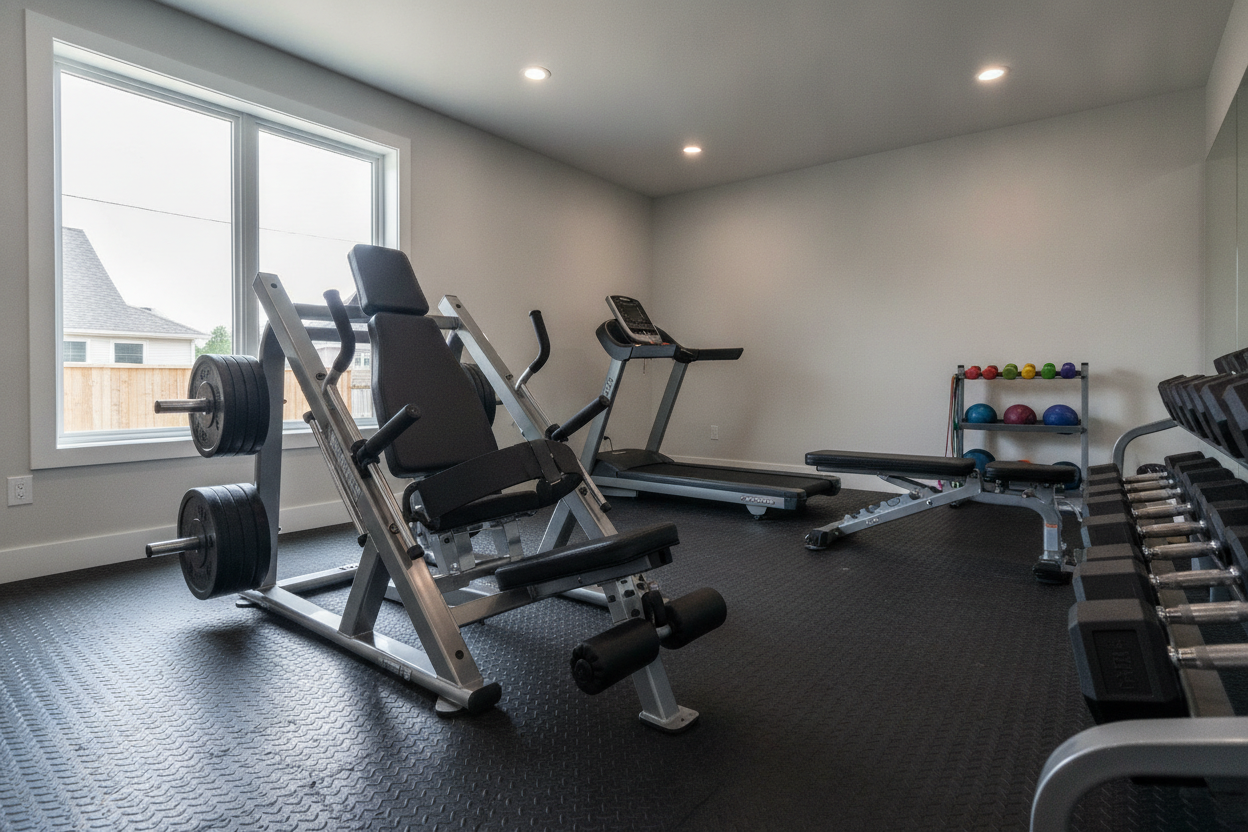
Space is the enemy in a home gym. Buying a specialized leg machine is a tough sell when you’re already tripping over your rower. If you have the footprint, a combo unit that does both seated abduction and adduction is the only way to go. It saves space and gives you two movements for the price of one.
If you can't fit a dedicated unit, you have to get creative. You can mimic a lot of these movements with heavy bands or a cable stack. For pure extension power, I often recommend a Smith machine hip thrust the ultimate glute building guide as a way to get that heavy hip loading without needing a standalone glute drive machine. It’s not a perfect replacement for a pendulum, but it’ll get your posterior chain moving without requiring a 6x8 ft footprint.
My Personal Experience
A few years back, I completely ignored the adductor machine because I thought it was for beginners. My reward? A groin strain that took me out of the squat rack for three months. Now, I’m the guy in the corner of the commercial gym, making awkward eye contact while I squeeze the stack for high reps. My knees feel better at 35 than they did at 25, and my squat is more stable than it's ever been.
FAQ
Is the hip machine better than bands?
Yes. Bands are great for activation, but they lack a consistent resistance curve. A machine allows for progressive overload with actual plates or a weight stack, which is what builds real strength.
Will these machines make my hips wider?
They’ll build the muscle underneath, which can give you a more athletic look, but they won't magically change your bone structure. They mostly just make you harder to knock over on the field or under a bar.
How often should I use them?
Twice a week is the sweet spot. Once for the inner thighs (adductors) and once for the outer glutes (abductors/extensors) to keep everything balanced and your joints happy.