Still Small? You're Misunderstanding How Muscle is Build
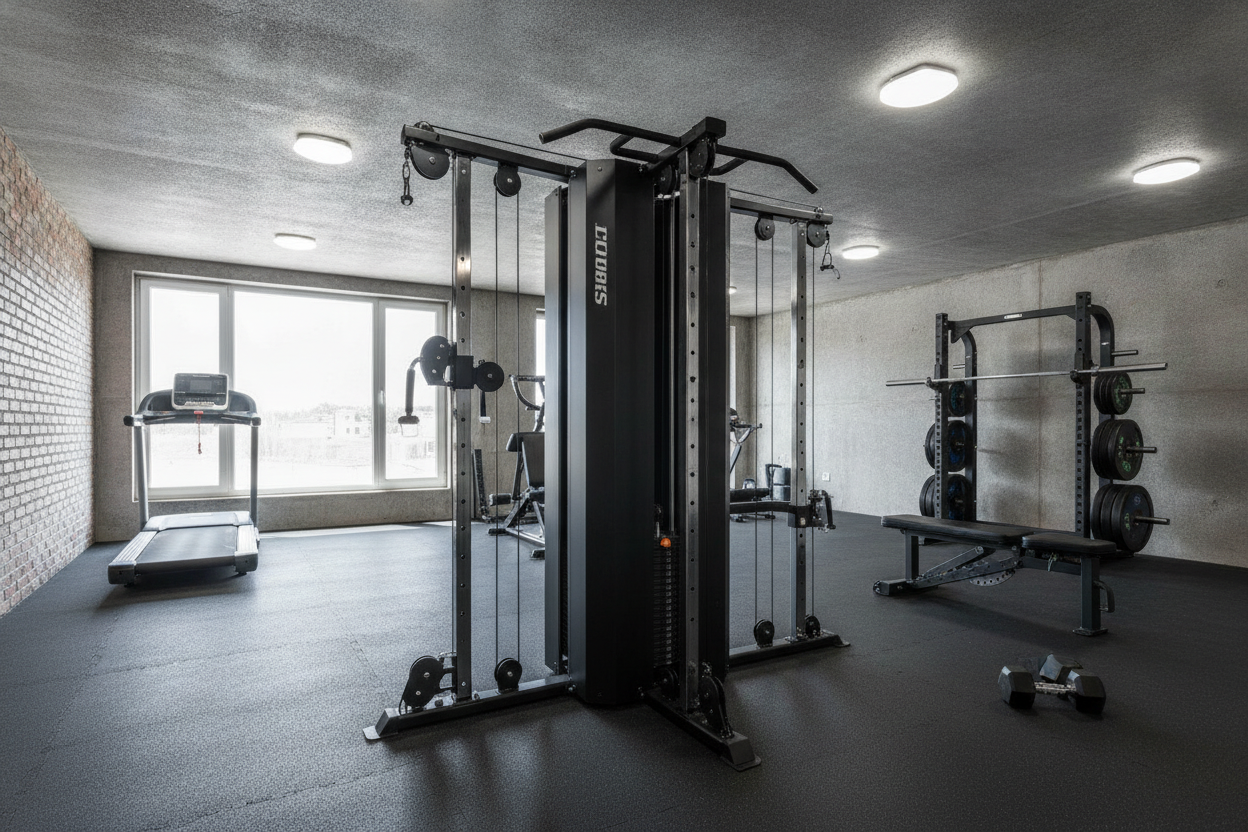
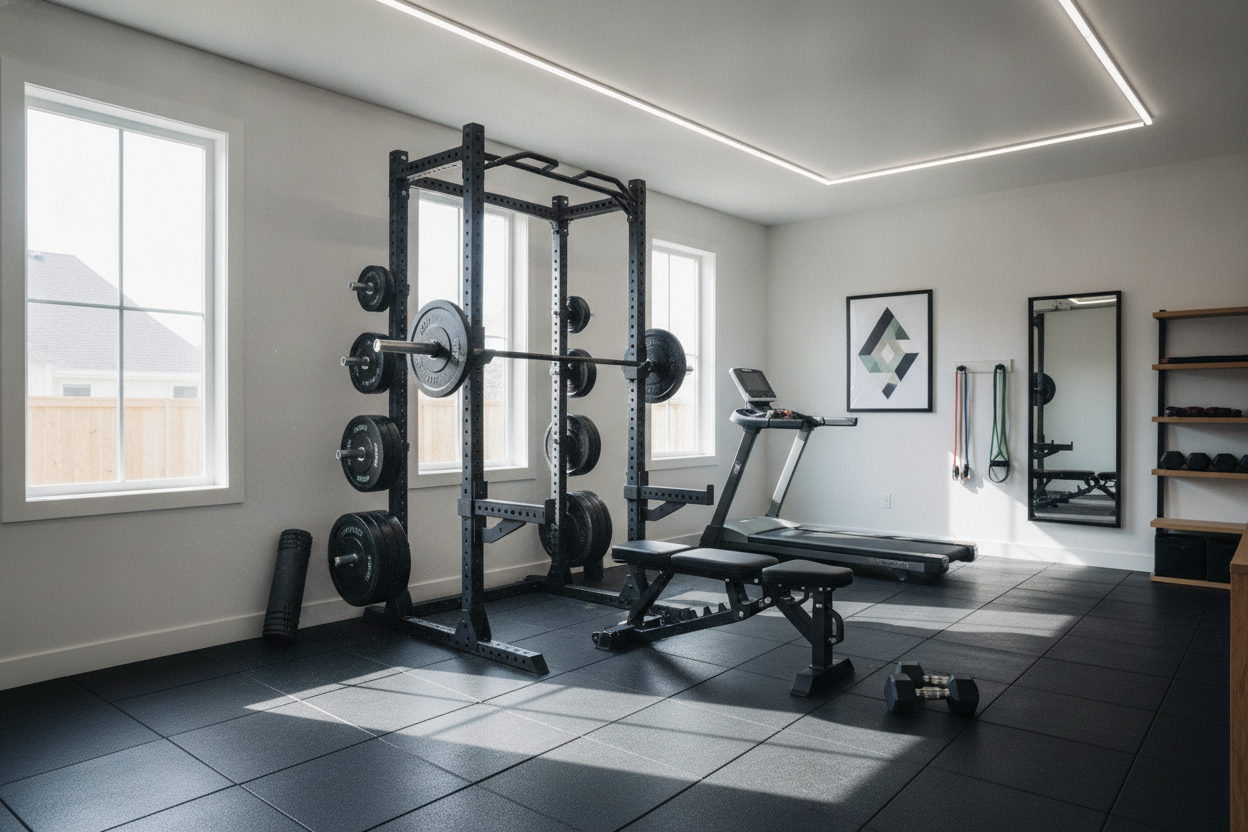
I’ve spent years in my garage, sweating through 5 a.m. sessions on a rack that cost more than my first car. There’s a specific, stinging frustration when you’re moving heavy iron but the mirror isn’t reflecting the effort. You think you’re doing the work, but you’re likely fundamentally wrong about how muscle is build.
We have this romanticized idea that the gym is where the growth happens. We see the pump, the veins, and the sweat, and we assume we're adding slabs of meat in real-time. The reality is much grittier. You aren't building anything in your garage; you're actually tearing yourself apart.
Quick Takeaways
- Lifting weights is a catabolic event that creates micro-tears in muscle fibers.
- Growth occurs during the recovery phase, primarily while you sleep.
- Protein provides the bricks, but calories provide the construction crew.
- Without programmed rest, you're just perpetually damaging tissue without repair.
The Garage Gym Illusion: Why Lifting Doesn't Grow Tissue
The biggest lie in fitness is the idea that the workout is the growth phase. When people ask how does working out build muscle, they usually expect an answer about high reps or heavy sets. But here is the harsh truth: your workout is strictly a catabolic event. You are literally causing trauma to your body.
When I’m under a 315-lb barbell, I’m not 'building' anything. I’m creating thousands of microscopic tears in my muscle fibers. If you stop the process there, you don't get bigger; you just get injured and weak. The gym is the stimulus, not the result. If you’re training seven days a week because you think more damage equals more growth, you’re essentially trying to build a skyscraper while the demolition crew is still swinging the wrecking ball.
The Biological Repair Cycle: Exactly How Muscle is Build
Once you rack the weight and walk into the kitchen, the real work starts. This is how do muscles grow after workout: your body recognizes the damage and initiates a process called Muscle Protein Synthesis (MPS). Satellite cells rush to the site of the micro-tears, fusing to the muscle fibers to thicken them and increase their volume.
This isn't an overnight process. Depending on the intensity and the muscle group, it can take 48 to 72 hours for the repair cycle to finish. I’ve noticed that heavy compound movements, like a deep squat session, require significantly more downtime than an arm day. If you're wondering how long does it take to build leg muscle, the answer is usually dictated by how well you manage this 48-hour window between heavy sessions.
Amino Acids: The Bricks and Mortar
You can't build a house without materials. Understanding how muscles are built at a cellular level requires looking at amino acids. When you eat protein, your body breaks it down into these aminos to patch the holes you made during your workout. Without a surplus of these 'bricks,' your body will actually scavenge existing muscle to repair the most damaged areas. It’s a zero-sum game that leaves you looking exactly the same month after month.
Why You're Sabotaging the Rebuilding Process
Most home gym owners are their own worst enemies. We love the gear, the 52.5-lb adjustable dumbbells, and the aggressive knurling on our bars, but we treat recovery like an afterthought. If you aren't getting seven to eight hours of sleep, you are flushing your gains down the toilet. Sleep is when your growth hormone peaks; it is the ultimate recovery tool.
Another mistake is staying stationary on off-days. I used to think a rest day meant sitting on the couch, but that just leads to stiffness and poor blood flow. Now, I use a dedicated exercise mat gym flooring space for active recovery—light stretching and mobility work. This keeps the blood moving, delivering the nutrients your muscles need to actually finish the repair job.
Setting Up Your Week for Actual Growth
To see how muscles get bigger in the real world, you have to embrace the 'less is more' philosophy. You need a program that respects the 48-hour repair window. This is why a classic 3-day or 4-day split often outperforms a 6-day 'bro split' for natural lifters. You give the tissue enough time to not just return to baseline, but to over-compensate and grow stronger.
If you want to build real muscle with a Body Solid workout routine, you have to focus on progressive overload followed by aggressive recovery. Stop chasing the 'burn' and start chasing the 'repair.' You can find more structured, recovery-focused plans in our Workout Hub to help you find that balance.
Personal Experience: My Overtraining Wall
A few years back, I was convinced that how muscles build up was purely a matter of volume. I was hitting my garage gym for 90 minutes every single morning. I had the best plates, a commercial-grade rack, and a massive ego. But I stopped getting stronger. My joints hurt, and I actually looked smaller in my shirts. It wasn't until I forced myself to take two full days off per week and bumped my calories by 500 that I finally saw the scale move. I was finally letting the biological repair cycle finish its job.
FAQ
How does body build muscle if I don't eat enough?
It doesn't. Without a caloric surplus or at least maintenance calories, your body lacks the energy to fuel the Muscle Protein Synthesis process. You might get stronger via neurological adaptations, but you won't add size.
How do muscles build if I only do bodyweight exercises?
The mechanism is the same: tension and damage. As long as the bodyweight movement is difficult enough to cause micro-tears, your body will repair and grow the tissue. Eventually, you'll need to add weight or increase difficulty to keep the stimulus high.
How do do muscles grow after workout if I feel sore for four days?
Extreme soreness (DOMS) usually means you overshot your recovery capacity. While some soreness is normal, being crippled for four days means your body is spending all its energy just getting back to zero rather than building new tissue. Scale back the volume slightly.