You're Overcomplicating Your Beginner Dumbbells Workout
I remember standing in the middle of a big-box sporting goods store, staring at a wall of neoprene-coated weights, feeling completely paralyzed. My local gym had just hiked their monthly dues to eighty bucks, and I was determined to build a home setup in my 6x8 ft spare bedroom. I bought a pair of 10-lb weights, went home, and spent three hours scrolling through 'fitspo' videos of people doing lunges while simultaneously doing lateral raises and overhead presses. I tried it, felt like a clumsy idiot, and almost dropped a weight on my cat. Here is the truth: your beginner dumbbells workout doesn't need to be a circus act.
- Focus on Compounds: Move multiple joints at once to burn more calories and build more muscle.
- Ditch the Fluff: You don't need 20 exercises; you need four done with intensity.
- Safety First: Start on the floor before you move to a bench to protect your joints.
- Progressive Overload: If the weight feels light, it is time to move up, not just add more reps.
You Don't Need 15 'Easy Hand Weight Exercises'
The fitness industry loves to make things look complicated so they can sell you a new app or a 12-week 'shred' program. They'll tell you that dumbbells beginner exercises need to involve standing on a BOSU ball or twisting your torso while doing a bicep curl. That is a fast track to a lower back injury and zero actual strength gains. When you are just starting out, you need to master dumbbell basics—things like hinge patterns and vertical pushes. Most of the 'easy hand weight exercises' you see on Instagram are designed to look good on camera, not to actually change your physique.
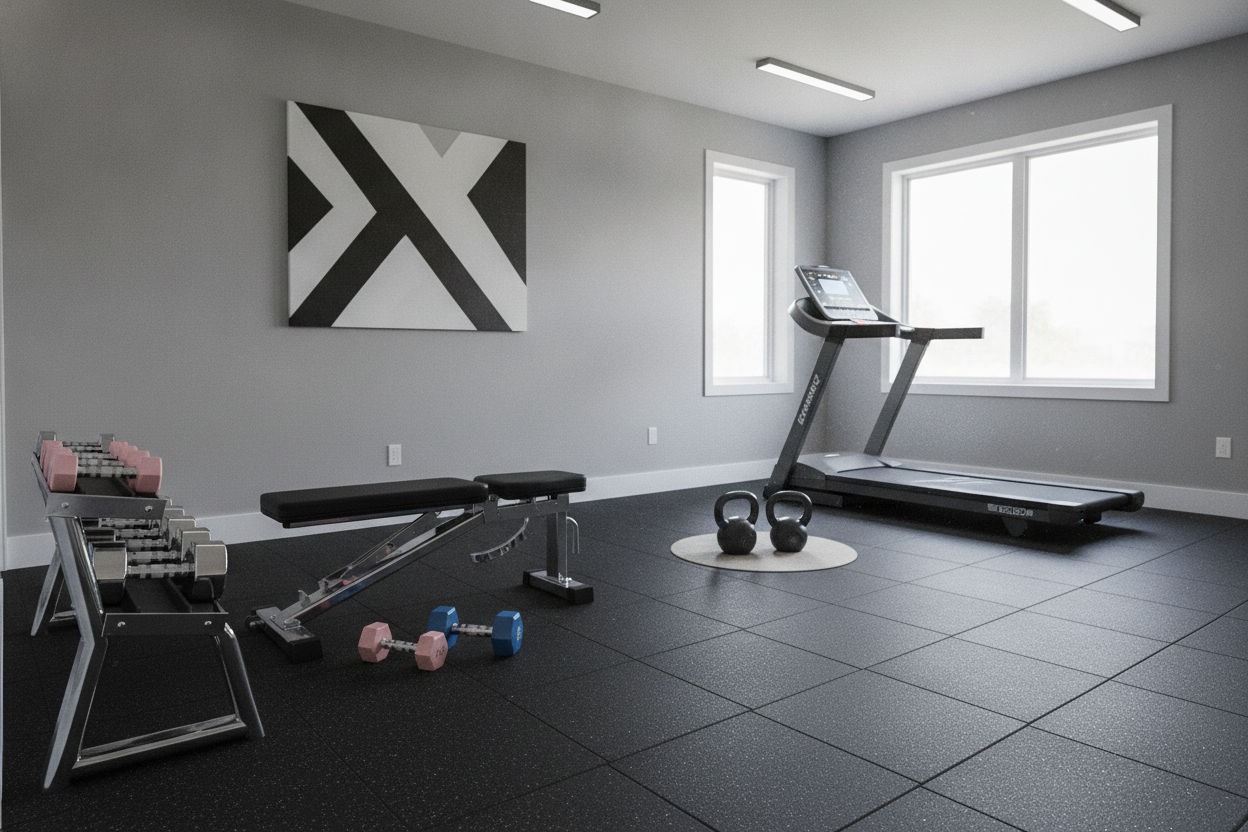
I see too many people wasting time with 2-lb weights for 50 reps. That isn't weight training; it's just aggressive reaching. If you can do more than 20 reps without your form breaking down, the weight is too light. You need to pick up something that actually challenges your grip and your lungs. Stop Buying Pink Dumbbells: A Real Home Weights Workout for Women and realize that your body responds to tension, not just movement. Stop over-thinking the 'variety' and start focusing on the quality of your basic hand weight exercises.
The 4-Move Beginner Dumbbells Workout
A solid beginner weight lifting routine dumbbells should focus on four foundational movements: a squat, a horizontal push, a horizontal pull, and a hinge. These four movements cover every major muscle group in your body. By stripping away the isolation moves—like tricep kickbacks or calf raises—you can put all your energy into the heavy hitters that actually trigger a metabolic response. This beginner workout plan with dumbbells is designed to be done three times a week with a day of rest in between. It is simple, boring, and incredibly effective.
1. The Goblet Squat (Lower Body Push)
The goblet squat is the king of workouts with dumbbells for beginners. Instead of putting a bar on your back, which can be terrifying for a novice, you hold one dumbbell against your chest like a 'goblet.' This front-loaded position naturally forces your torso to stay upright, which saves your lower back. Hold the weight by one end, tuck your elbows in, and sit back between your heels. Your elbows should touch the inside of your knees at the bottom. This isn't just a leg exercise; it's a core exercise. If you are doing these right, your abs should be screaming by the end of the set. Stick to 3 sets of 10 to 12 reps.
2. The Floor Press (Upper Body Push)
Most people think they need a bench to work their chest, but the floor press is actually superior for weight training dumbbells beginner style. By lying on the floor, the ground acts as a natural depth-stop, preventing your elbows from drifting too far back and overstretching your shoulder capsules. It teaches you how to keep your elbows tucked at a 45-degree angle rather than flared out wide. This is the safest way to learn how to press heavy. Lay flat, drive your feet into the floor, and press the weights until your arms are straight. Lower them slowly until your triceps lightly touch the carpet. Repeat for 3 sets of 8 to 10 reps.
3. The 3-Point Dumbbell Row (Upper Body Pull)
If you spend your day hunched over a laptop, your posture probably needs help. The 3-point row is the antidote. Place one hand on a sturdy chair or a low table (that’s your third point of contact), keep your back as flat as a tabletop, and pull the dumbbell toward your hip. Don't pull to your chest; pull toward your pocket. This engages the lats and the mid-back rather than just the biceps. It is one of the most essential ways to use weights to fix 'desk neck.' Focus on the squeeze at the top of the movement. Do 3 sets of 10 reps per side.
4. The Dumbbell RDL (Lower Body Hinge)
The Romanian Deadlift (RDL) is the most misunderstood of all double dumbbell exercises. Most beginners try to squat the weight down, but the RDL is a hinge. Imagine you are trying to close a car door with your butt while your hands are full of groceries. That’s the movement. Keep a slight bend in your knees, but push your hips back as far as they will go. You should feel a massive stretch in your hamstrings. This builds the 'posterior chain'—the glutes and hamstrings that give you power. Stop when the weights reach mid-shin; going lower usually leads to a rounded back. Aim for 3 sets of 12 reps.
How to Actually Workout With Dumbbells at Home for Beginners
Knowing the moves is only half the battle; you need to know how to structure the session. For a simple hand weight workout, start with a 5-minute warm-up of jumping jacks or bodyweight squats. When you start your lifting, rest for 60 to 90 seconds between sets. This gives your ATP stores enough time to recover so you can push hard on the next set. If you finish your set and feel like you could have done five more reps, you need a heavier weight. This is the essence of strength training hand weights: you must challenge the muscle to force it to grow.
As you get stronger, you might find that your progress stalls. This is normal. Sometimes, you just need a different stimulus to get past a plateau. For instance, Holding Weights Upside Down Fixed my at home dumbbell shoulder workout by forcing my smaller stabilizer muscles to work harder during overhead movements. But for now, stick to the basics. Track your weights in a notebook or on your phone. If you did 20-lb squats last week, try 25-lb squats this week. If you don't have heavier weights, try to do the reps slower. Control is just as important as load.
Equipment Upgrades That Actually Matter
Once you've mastered this dumbbell exercise routine for beginners on the floor, you're going to want more range of motion. The floor press is great, but eventually, you'll want to hit your chest from different angles. The very first thing I tell people to buy after they have a decent set of weights is a Gxmmat Adjustable Weight Bench. Having a solid, stable surface that can transition from flat to incline opens up dozens of new exercises like incline presses and seated rows. It beats the heck out of trying to balance on a wobbly ottoman.
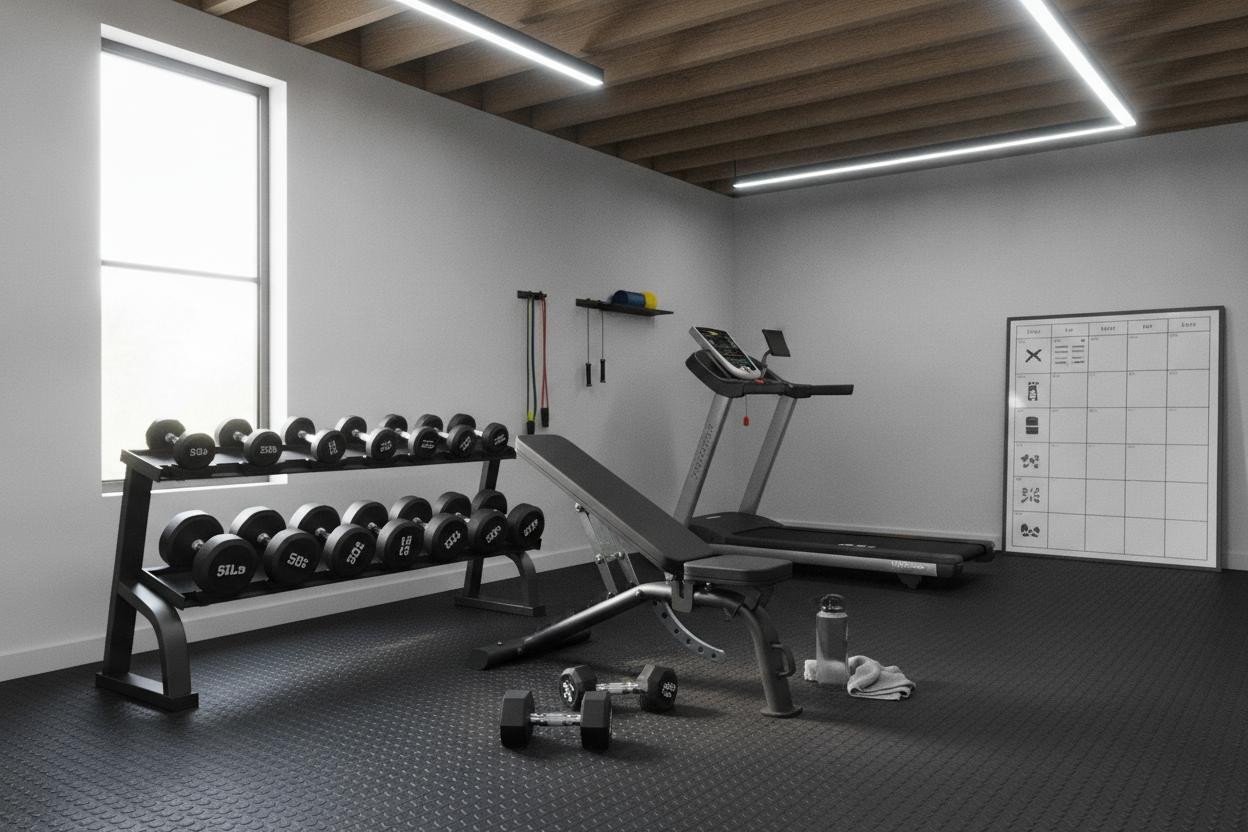
Don't waste money on fancy 'smart' weights that require a subscription. Invest in a solid set of adjustable dumbbells—something that goes up to at least 50 lbs per handle—and a bench. That's a complete home gym that fits in a corner. You don't need a 300-lb Olympic bar and a power rack to see serious changes in your strength and body composition. You just need the discipline to stick to the basics and the willingness to pick up something heavy.
Personal Experience: My Biggest Mistake
When I first started weight training for beginners dumbbell style, I thought I was too 'advanced' for a simple 4-move routine. I tried a 6-day-a-week body-part split I found in a bodybuilding magazine. I was doing 12 different types of bicep curls and three types of calf raises. After a month, I was exhausted, my joints hurt, and I hadn't gained a single pound of muscle. I was doing too much 'junk volume' and not enough heavy lifting. I stripped it back to these exact four moves, increased my weights every week, and finally started seeing the traps and quads I wanted. Simple works.
FAQ
How heavy should my first set of dumbbells be?
For most men, a pair of 20-lb or 25-lb dumbbells is a great starting point. For women, 10-lb or 15-lb weights usually work. However, I highly recommend adjustable dumbbells because you will outgrow light weights much faster than you think.
Can I do this beginner dumbbell workout routine at home every day?
No. Your muscles don't grow while you are lifting; they grow while you are sleeping. Give yourself at least 48 hours between lifting sessions. Doing a small weight workout at home every single day usually leads to burnout or overuse injuries.
What if I don't have space for a weight bench?
Stick to the floor press and the 3-point row using a sturdy kitchen chair. You can get 90% of the results using just the floor and basic furniture. Only buy the bench when you feel limited by your range of motion.