Plank Jacks: How to Do Them for Core and Cardio
Quick answer: To do plank jacks, start in a high plank (or forearm plank) with your hands under your shoulders, body in a straight line and feet together. Brace your core, then jump both feet out wide, like the legs of a jumping jack, and immediately jump them back together, keeping your hips level and your upper body still. Continue at a steady pace for 3–4 rounds of 20–40 seconds. Plank jacks combine core stability with cardio, working the abs, shoulders, glutes and legs while raising your heart rate.
Key takeaways
- Hips stay level: don't let them bounce up and down.
- Shoulders over wrists the whole time.
- Land lightly on the balls of the feet.
- Brace the core before you start jumping.
- Low-impact option: step the feet out one at a time.
Muscles worked
| Muscle | Role |
|---|---|
| Abs and obliques | Hold the plank as the legs move |
| Shoulders and chest | Support the upper body |
| Glutes and hip abductors | Jump the feet out and in |
| Calves and quads | Push off and land |
Benefits for core strength and cardio
- Core and cardio together in one move.
- Shoulder stability under movement.
- Burns calories in short intervals.
- No equipment needed.
How to do plank jacks
- High plank: hands under the shoulders, feet together, body straight from head to heels.
- Brace the core and squeeze the glutes.
- Jump out: hop both feet wide, wider than the hips.
- Jump in: hop the feet back together.
- Repeat with steady rhythm, keeping the hips level and upper body still.
Variations
| Variation | Level |
|---|---|
| Step-out plank jacks (one foot at a time) | Beginner, low impact |
| Forearm plank jacks | Easier on the wrists |
| High plank jacks | Standard |
| Plank jack + shoulder tap | Advanced |
| Plank jack to push-up | Advanced |
Common mistakes
| Mistake | Fix |
|---|---|
| Hips lifting into a pike | Keep a straight line; slow down |
| Hips sagging | Brace the abs and squeeze the glutes |
| Shoulders drifting behind the hands | Stack shoulders over wrists |
| Heavy landings | Land on the balls of the feet |
Sample core and cardio circuit
| Exercise | Work / rest |
|---|---|
| Plank jacks | 30 / 15 sec |
| Mountain climbers | 30 / 15 sec |
| High knees | 30 / 15 sec |
| Bear plank | 30 / 15 sec |
Repeat 3 rounds. For more plank ideas, see plank variations.
Who should be careful
- Wrist pain: use the forearm version.
- Lower back pain: use step-outs and keep the hips level.
- Shoulder injury: choose a regular plank hold instead.
Plank jacks at home
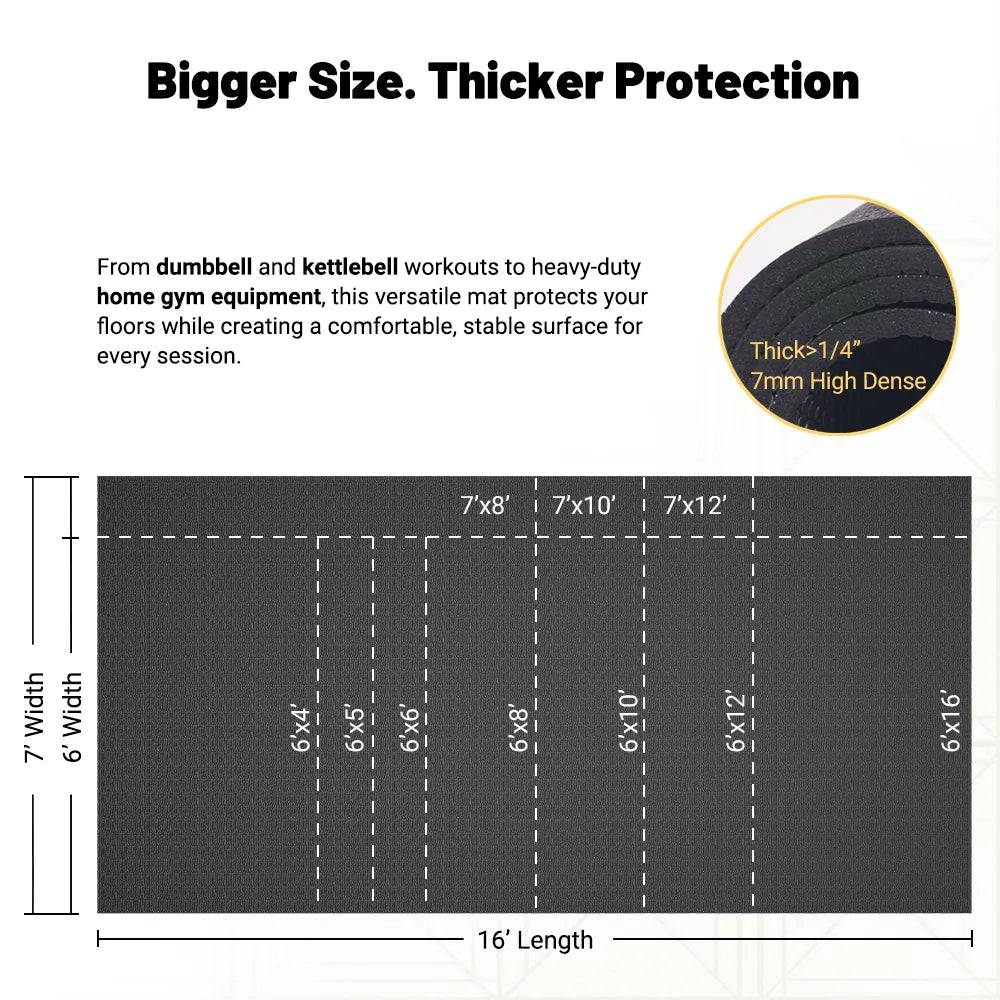
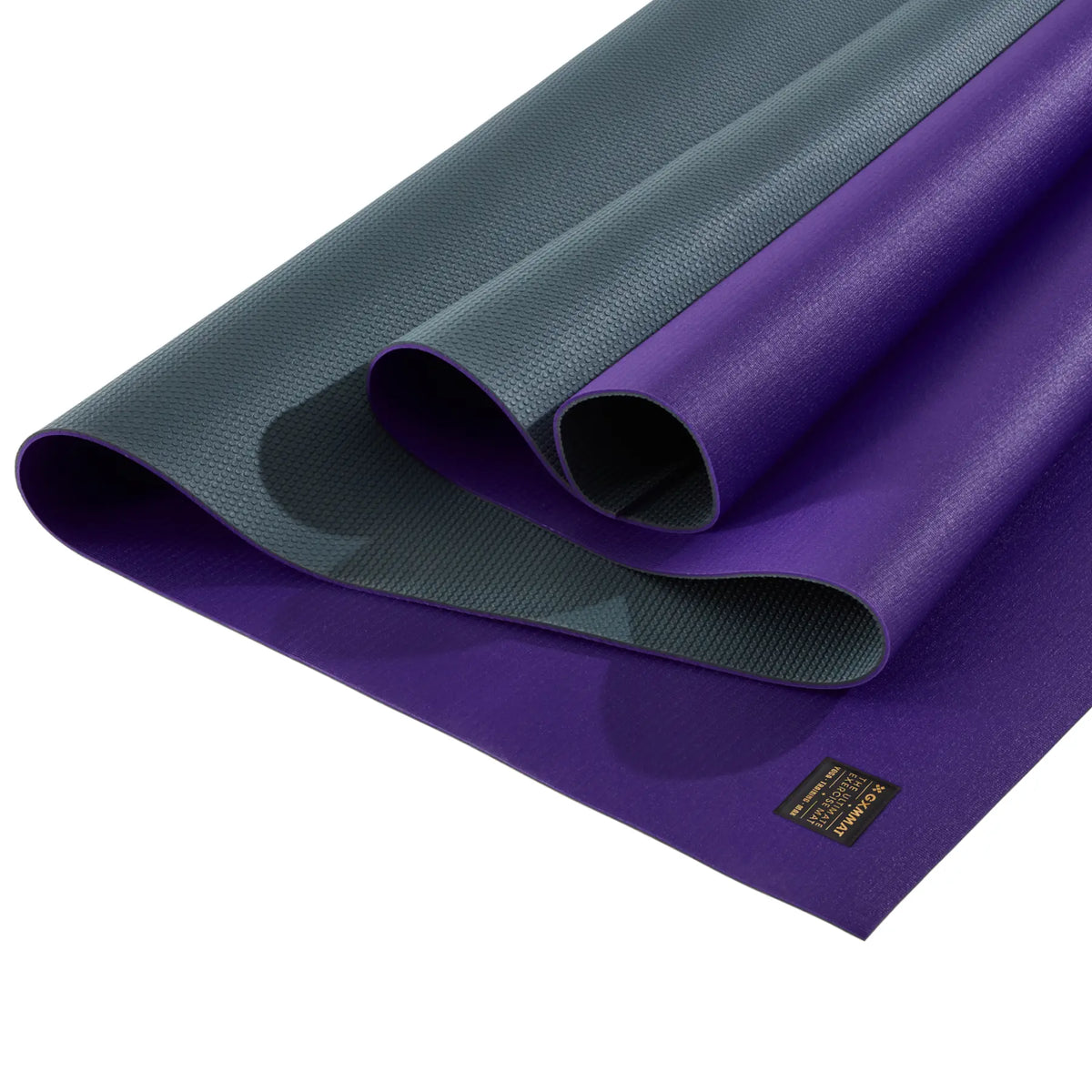
Your hands stay planted while your feet jump wide, so you need grip under the hands and cushioning under the feet. A GXMMAT large exercise mat is non-slip on both sides and 7 mm thick, wide enough for the feet to jump out without hitting the floor, and it reduces noise for downstairs neighbors.
FAQ
What do plank jacks work?
The abs, obliques, shoulders, glutes, hip abductors and calves, with a cardio effect.
Are plank jacks good for beginners?
Start with step-out plank jacks and progress to jumping once a regular plank feels easy.
How long should I do plank jacks?
20–40 seconds per round, 3–4 rounds.
Are plank jacks cardio or core?
Both. They hold a plank while the legs move fast enough to raise your heart rate.
Do plank jacks burn belly fat?
No exercise targets fat in one area, but plank jacks burn calories and strengthen the core.
Written by Yuvien Royer for GXMMAT. This article is general fitness information, not medical advice.