12 Plank Variations for a Stronger Core (Beginner to Advanced)
Quick answer: The best plank variations for a strong core are the forearm plank, high plank, side plank, plank shoulder taps, plank with leg lift, bear plank, RKC plank and Copenhagen side plank. Hold each for 20–45 seconds with perfect form, or do reps for the moving versions. Most people get more from several short, hard planks than one long hold. Keep a straight line from head to heels, squeeze your glutes and breathe.
Key takeaways
- Quality beats duration: a tight 30-second plank beats a sagging 3-minute one.
- Squeeze glutes and brace abs to keep your hips level.
- Side planks train the obliques and hips.
- Add movement (taps, leg lifts) to progress.
- Use a cushioned mat for elbows and knees.
How to do a basic forearm plank
- Place your forearms on the floor, elbows under shoulders.
- Step your feet back, hip-width apart.
- Squeeze your glutes, brace your abs and push the floor away with your forearms.
- Keep a straight line from head to heels; eyes on the floor.
- Breathe steadily and hold.
12 plank variations (easiest to hardest)
| Variation | How | Target |
|---|---|---|
| Incline plank | Hands on a bench or bar in a rack | Beginners |
| Knee plank | Forearms and knees on the floor | Beginners |
| Forearm plank | The classic | Abs, whole core |
| High plank | Hands under shoulders, arms straight | Core, shoulders |
| Side plank (knees) | On one forearm, knees bent | Obliques |
| Side plank | Legs straight, hips high | Obliques, side glutes |
| Bear plank | On hands and toes, knees hovering an inch off the floor | Core, shoulders, quads |
| Plank shoulder taps | High plank, tap opposite shoulder without rocking | Anti-rotation |
| Plank with leg lift | Lift one foot a few inches, alternate | Glutes, core |
| Plank up-downs | Move from forearms to hands and back | Shoulders, triceps |
| RKC plank | Forearm plank, squeeze everything as hard as possible, elbows pulled toward toes; 10–20 seconds | Maximum tension |
| Copenhagen side plank | Side plank with top leg on a bench | Inner thighs (adductors) |
Common mistakes
| Mistake | Fix |
|---|---|
| Hips sagging | Squeeze glutes; shorten the hold |
| Hips piked high | Lower into a straight line |
| Holding your breath | Breathe slowly through the hold |
| Looking up | Keep your neck neutral |
| Going too long with poor form | Do more sets of shorter holds |
How long should you hold a plank?
| Level | Forearm plank | Side plank |
|---|---|---|
| Beginner | 3 × 15–20 sec | 2 × 10–15 sec per side (knees) |
| Intermediate | 3 × 30–45 sec | 3 × 20–30 sec per side |
| Advanced | Harder variations instead of longer holds | Leg-lift or Copenhagen versions |
Once you can hold a solid plank for about 60 seconds, make it harder rather than longer.
10-minute plank workout
Work 30 seconds, rest 15 seconds, 2 rounds:
- Forearm plank
- Side plank (right)
- Side plank (left)
- Plank shoulder taps
- Bear plank
- Plank with leg lift
Pair it with other core work: dead bugs and bird dogs, mountain climbers and cable core exercises.
Planks for a stronger lift
A strong, stable core helps you brace during squats and deadlifts. Add planks 2–3 times a week at the end of strength sessions, alongside farmer's carries. See our squat and deadlift guides for bracing tips.
Best surface for planks
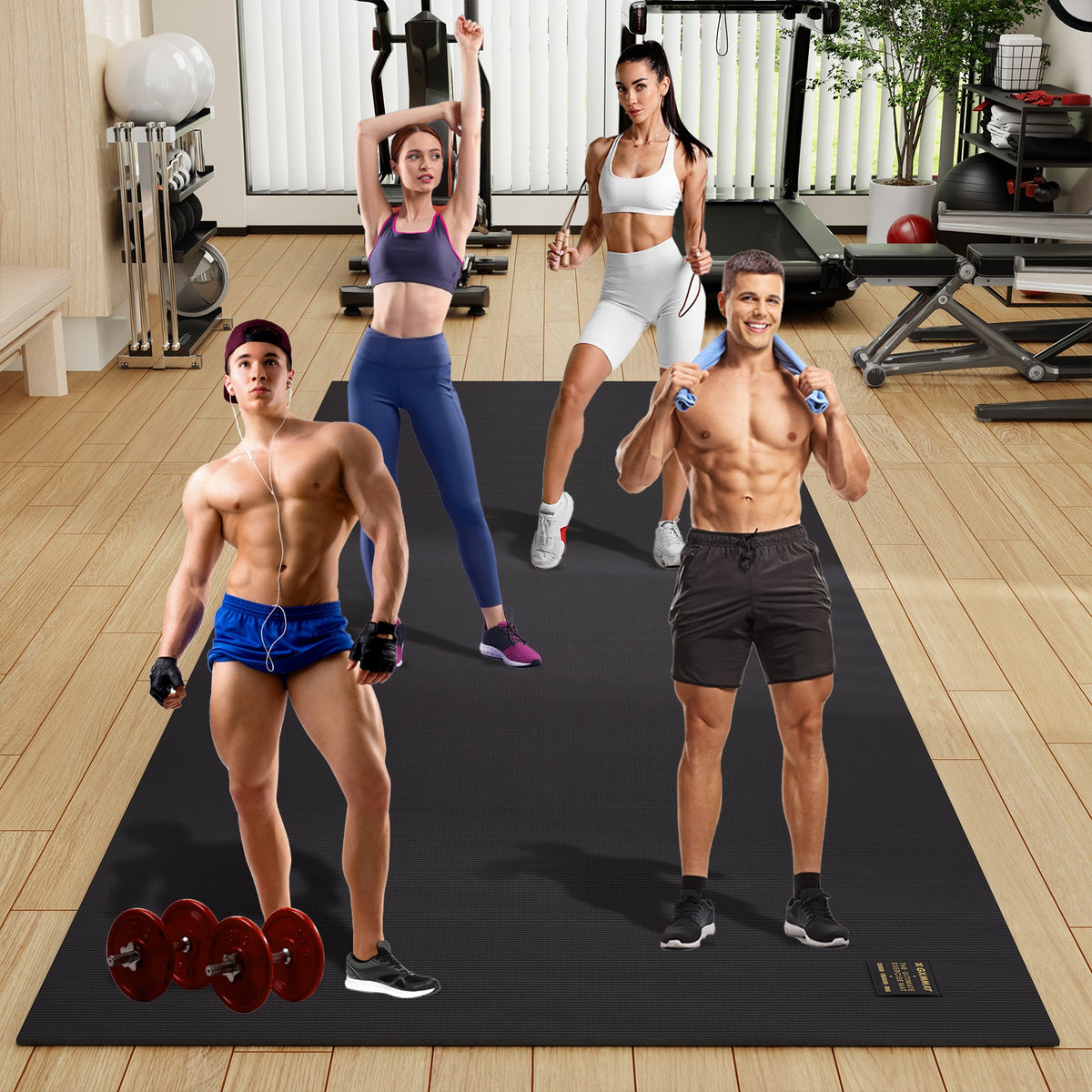
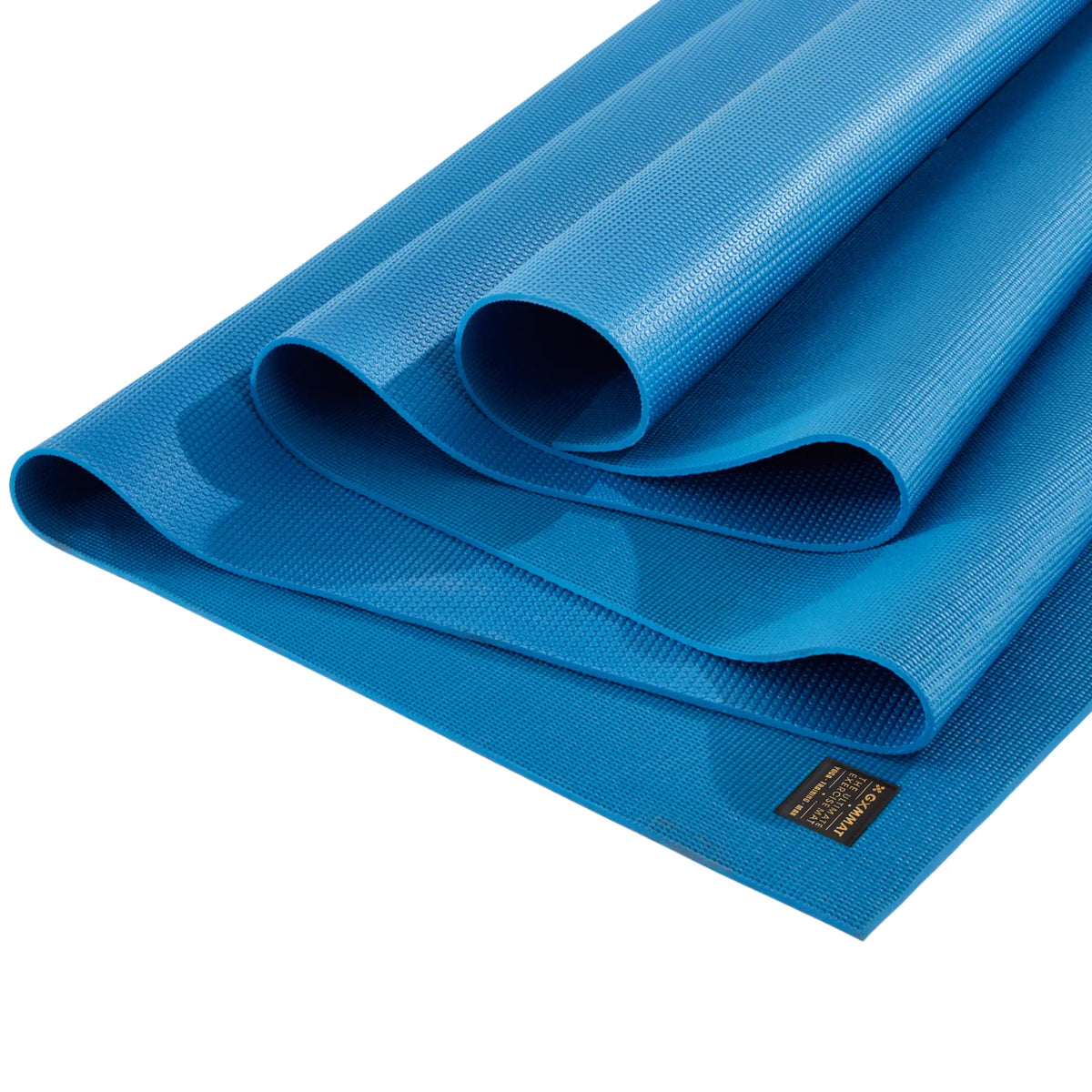
- Mat: a cushioned, non-slip mat protects your elbows. GXMMAT large exercise mats are 7 mm thick and non-slip on both sides; the GXMMAT yoga mat has a soft, wavy surface in 7 mm or extra-thick 9 mm for barefoot training.
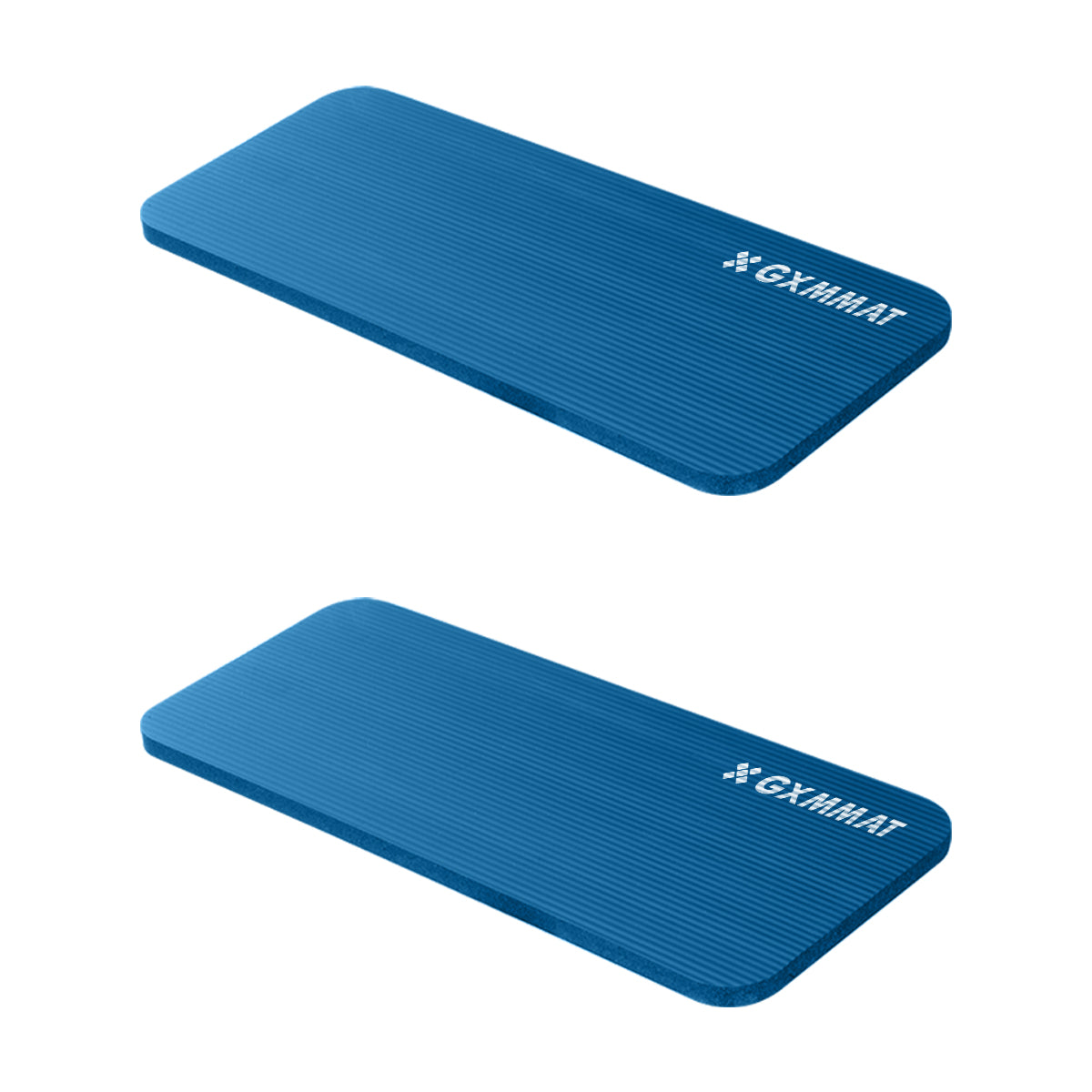
- Extra cushion: place a kneeling pad under your elbows or knees.
- Bench or rack: for incline and Copenhagen planks. A barbell set low in a power rack works as an adjustable incline.
FAQ
What muscles do planks work?
The abs, obliques and deep core, plus the shoulders, glutes and quads that help hold the position.
Is a 1-minute plank good?
Yes. A solid 60-second forearm plank is a good level of core endurance. Beyond that, harder variations are more useful than longer holds.
Do planks burn belly fat?
No exercise burns fat from one spot. Planks strengthen your core; fat loss comes from overall diet and activity.
How often should I do planks?
2–4 times a week is plenty. Short daily planks are also fine if you recover well.
Are side planks good for back pain?
Side planks build trunk stability, which many people find helpful. If you have back pain, check with a healthcare professional first.
Written by Yuvien Royer for GXMMAT. This article is general fitness information, not medical advice.