My Doctor Said Stop: Can You Lift Weights With Osteoarthritis?
I remember sitting in that sterile exam room, staring at a grainy X-ray of my right knee. It looked like a gravel pit. The doctor, a well-meaning guy who probably hasn't touched a barbell since med school, gave me the news: bone-on-bone osteoarthritis. His solution? 'Stop the heavy lifting. Try water aerobics or maybe a light walk.' I walked out of there feeling like my life in the garage gym was over. I’d spent years building a sanctuary of iron and sweat, and now I was being told to go splash around in a pool with people twice my age.
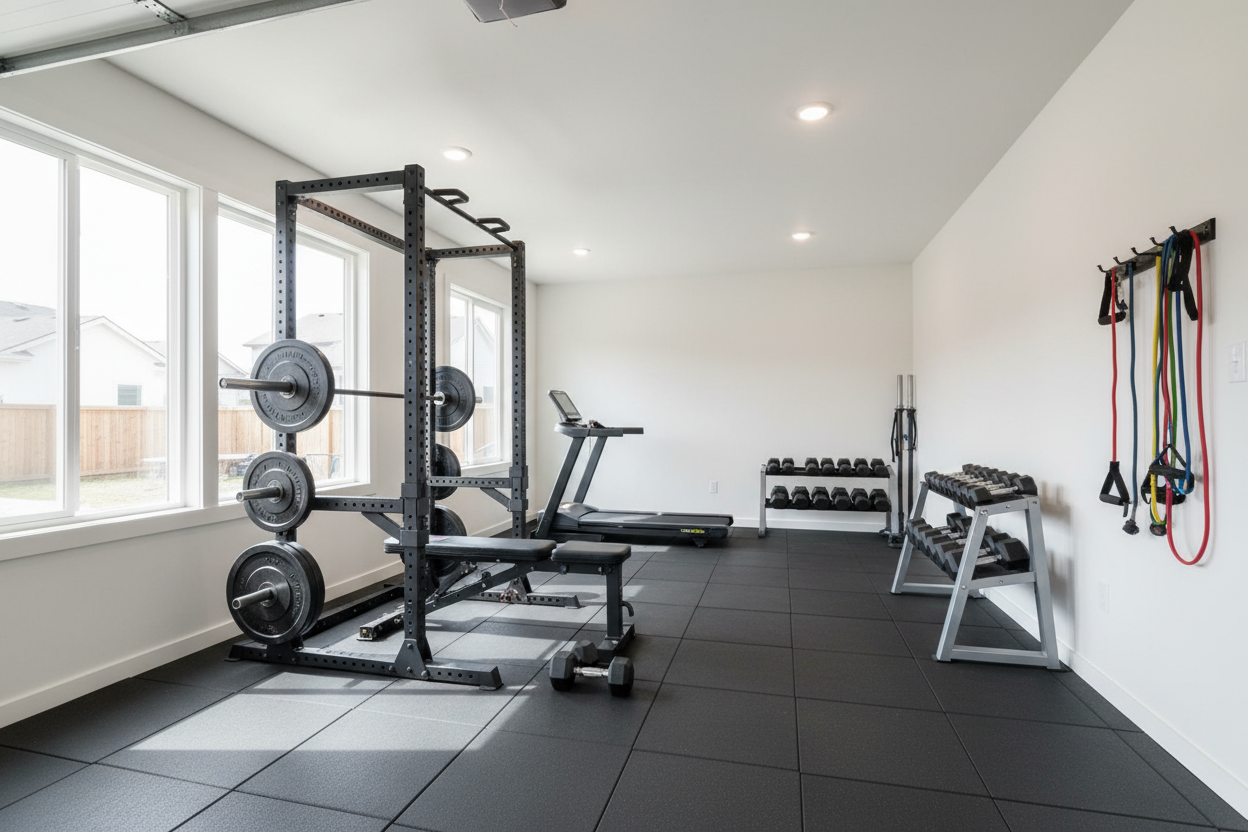
But here’s the thing about lifters—we’re stubborn. I went home, sat on my 3x3 power rack, and realized that giving up the weights would probably hurt me more than the arthritis ever could. I started digging into the actual science, not just the 'safe' advice. I wanted to know: can you lift weights with osteoarthritis without ending up in a wheelchair by 60? The answer I found wasn't in the pool; it was in smarter, modified, and more intentional lifting.
- Muscle is Body Armor: Stronger muscles take the mechanical load off your damaged cartilage.
- Modification is Key: You don't have to quit; you just have to ditch the straight bars and ego-lifting.
- Warm-ups are Non-Negotiable: If you used to take 5 minutes to warm up, you now take 20.
- Listen to the 'Sharp' Pain: Dull aches are part of the game; sharp stabs mean stop immediately.
The 'Just Do Water Aerobics' Talk (And Why I Ignored It)
The standard medical advice for osteoarthritis is often focused on 'low impact.' While that makes sense on paper, it ignores a fundamental truth: muscle atrophy is the enemy of joint health. When you stop strength training for osteoarthritis, the muscles surrounding your joints—like your quads, hamstrings, and glutes—start to wither. Without that muscular support, every step you take sends a shockwave directly into that bone-on-bone joint. By following the 'just walk' advice, I was actually making my knee pain worse by letting my natural shock absorbers disappear.
I decided to treat my garage gym like a laboratory. I wasn't going for a 500-lb deadlift anymore, but I wasn't going to settle for pink plastic dumbbells either. The goal shifted from pure strength to 'joint longevity.' I realized that the psychological hit of losing my training routine was worse than the physical pain. I needed the iron for my head as much as my body. So, I ignored the 'quit' talk and started focusing on how to rebuild my foundation without grinding my bones into dust.
Is Strength Training for Osteoarthritis Actually Safe?
The short answer is yes, but the long answer requires you to check your ego at the garage door. When you have osteoarthritis, your cartilage is thinned out. It can't handle the same 'shear force' it used to. However, strength training for osteoarthritis is safe when you prioritize stability. Think of your muscles as the suspension system on a truck. If the shocks are blown (your cartilage), you better have some heavy-duty springs (your muscles) to take the hit when you hit a pothole.
Safety in this context is all about load management. You can't just slap plates on the bar and hope for the best. You need a systematic approach to finding the right weights that challenge the muscle without inflaming the joint capsule. I found that staying in the 8-12 or even 12-15 rep range provided enough stimulus for muscle growth (hypertrophy) while keeping the absolute weight low enough to avoid joint flare-ups. If I feel a 'zing' in the joint, the set is over. No exceptions. We are training for the long haul now, not a trophy.
Swapping the Barbell: Weight Lifting Exercises for Osteoarthritis
The biggest change I made was moving away from the standard Olympic barbell for almost everything. A straight bar locks your joints into a fixed path, which is a nightmare for arthritic shoulders and wrists. I swapped my bench press for neutral-grip dumbbell presses or a Swiss bar. This small shift in hand position takes the 'impingement' out of the movement and lets the muscles do the work. If you're struggling with lower body movements, weight lifting exercises for osteoarthritis should focus on stability over 'cool factor.'
I also stopped being a free-weight purist. I used to think machines were for people who didn't want to work hard. I was wrong. Using weight lifting machines like a leg press or a seated row allows you to isolate the muscle without having to stabilize a heavy, shaking weight with a compromised joint. For my knees, the leg press became a godsend. It allowed me to build massive quad strength without the balance-related shearing forces of a heavy back squat. I also leaned heavily into cable work. Cables provide constant tension, which is much friendlier on the joints than the erratic momentum of a swinging dumbbell.
How to Build a Strength Training Program for Arthritis
A solid strength training program for arthritis looks different than a standard bodybuilding split. First, I increased my frequency but decreased my daily volume. Instead of one massive 'leg day' that left me limping for four days, I do smaller amounts of leg work three times a week. This keeps the joints moving and lubricated (synovial fluid is Vitamin J for joints) without reaching the point of total inflammation. You want to finish your workout feeling like you could have done two more sets, not like you need an ice bath and a prayer.
Recovery is where the magic happens. I started using strength training accessories to bridge the gap. For example, using strength training accessories like wrist wraps and lifting straps meant my arthritic finger joints weren't the limiting factor on a row or a pull-up. I could still train my back heavy because the straps took the 'grip' stress away. Also, my warm-ups now involve 10 minutes of light movement followed by 5 minutes of targeted band work. If the joint doesn't feel 'greased' by the time I hit my first working set, I don't move up in weight.
The Joint-Friendly Garage Gym Setup
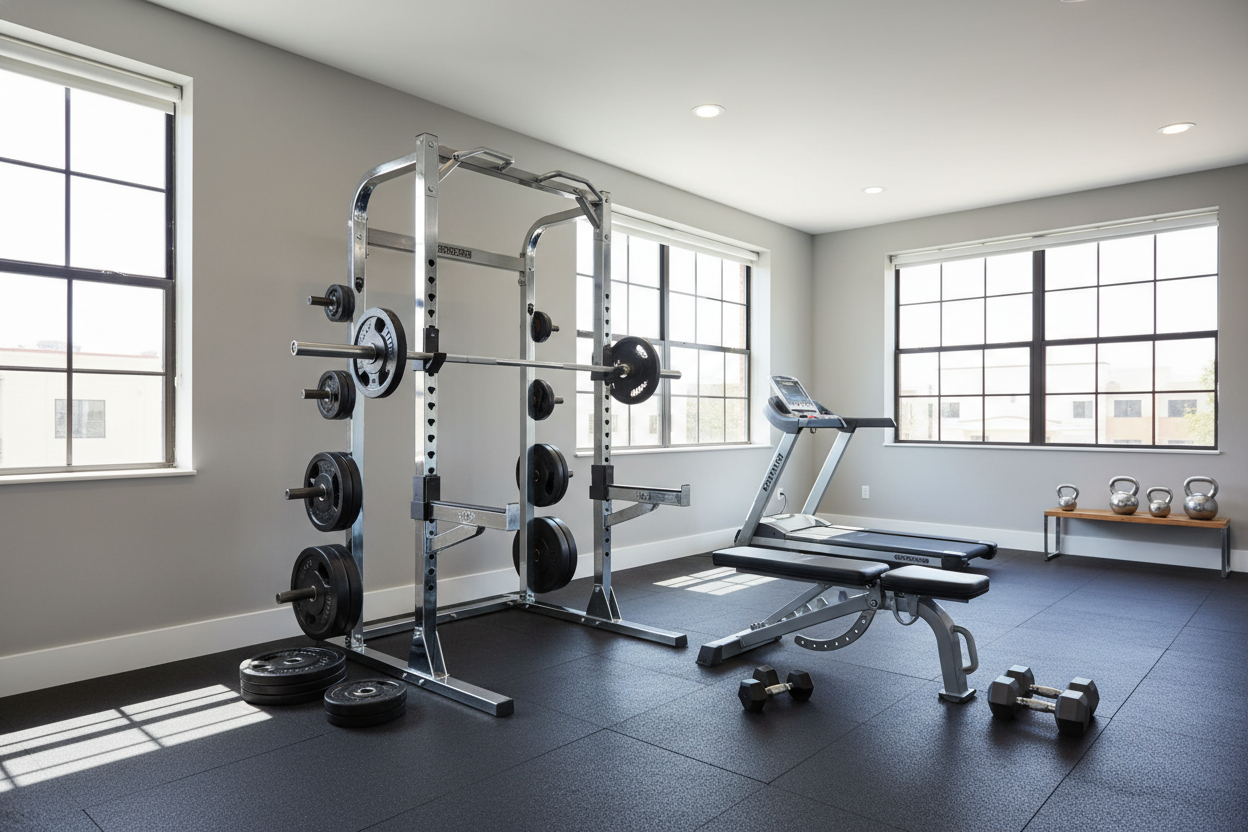
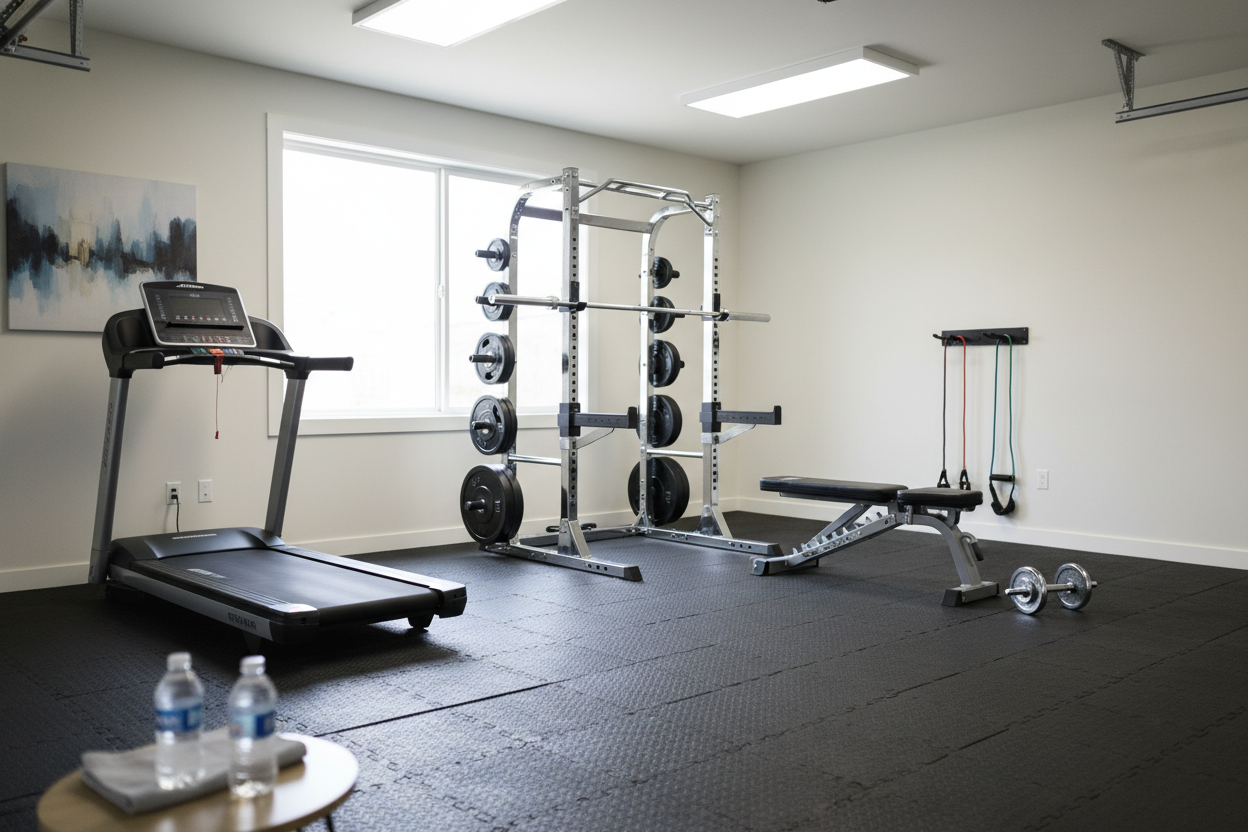
If you're going to lift with OA, your gear needs to be top-tier. Stability is your best friend. A wobbly rack or a cheap, narrow bench is an invitation for a joint tweak. When choosing the best strength equipment for an aging or arthritic body, look for items with high weight capacities and wide bases. I upgraded to a 3-inch thick bench because it gave my shoulders more surface area to drive into, which felt significantly more stable during heavy presses.
Specifically, I swapped my old, shaky flat bench for a Gxmmat adjustable weight bench. The stability of a high-quality adjustable bench allows you to change the angle of your presses by just a few degrees, which can be the difference between a painful rep and a pain-free one. If a flat bench hurts your shoulders, a 15-degree incline might feel like heaven. That adjustability is crucial when your joints have 'good days' and 'bad days.' You need equipment that adapts to your body, not the other way around.
My Personal Experience: The Day I Pushed Too Far
About six months into my 'modified' routine, I felt great. Too great. I decided to try a 1-rep max deadlift just to see if I still 'had it.' I loaded up 405 lbs, pulled it, and felt a sharp, hot needle sensation in my lower back and hip. I was out of the gym for three weeks. That was my 'ego check.' I realized that with osteoarthritis, you can't play the 'max out' game anymore. My mistake was thinking that because I felt no pain on Tuesday, I could lift like a 20-year-old on Wednesday. Now, I stick to my program religiously. I track my 'joint RPE' (Rate of Perceived Exertion) just as much as my weight. If the joint says no, the answer is no.
FAQ
Can lifting weights make osteoarthritis worse?
Only if you do it wrong. Excessive load with poor form or 'ego lifting' can cause more damage. However, controlled resistance training is widely shown to reduce pain and improve function by strengthening the supporting structures around the joint.
Should I use ice or heat after lifting?
I personally use heat before lifting to 'grease the gears' and ice afterward if I feel any specific inflammation. Most of the time, a good cool-down and some light movement are enough to keep the stiffness at bay.
What is the best exercise for arthritic knees?
The terminal knee extension (TKE) and the leg press are my go-tos. They allow for massive quad activation with minimal shearing force on the knee joint itself. Stay away from deep, loaded lunges if your knees are currently flaring up.