Mastering the Workouts Machine: The Definitive Guide for 2024
Walking onto the gym floor often feels like stepping into the cockpit of an alien spaceship. You are surrounded by levers, pulleys, and stacks of iron. For many, the immediate instinct is to retreat to the treadmill. But avoiding the resistance section means missing out on the most efficient tools for body composition changes.
Whether you are training at a commercial facility or setting up a garage space, understanding the mechanics of a **workouts machine** is the difference between spinning your wheels and actually building tissue. Machines offer stability and isolation that free weights simply cannot replicate, provided you know how to operate them correctly.
Key Takeaways: Machine Training Basics
- Isolation is Key: Machines excel at targeting specific muscle groups by removing the need for stabilizer muscles, allowing you to push closer to failure safely.
- Controlled Eccentrics: The machine's track controls the path, but you must control the speed. Slow down the lowering phase for maximum growth.
- Adjustability Matters: A machine that isn't aligned with your joint pivot points will cause injury. Always adjust the seat and handles before the first rep.
- Constant Tension: Unlike dumbbells, many cable-based machines provide resistance through the entire range of motion.
The Science Behind Exercise Machines
There is a lingering myth that exercise machines are strictly for beginners or the elderly. This is scientifically inaccurate. While free weights recruit more stabilizer muscles, machines allow for greater mechanical tension on the target muscle because stability is provided by the structure of the unit.
When you use a fitness machine gym setup, you are fixed in a specific plane of motion. This allows you to load the muscle heavily without worrying about balancing the weight. For hypertrophy (muscle growth), this external stability allows for a higher degree of internal motor unit recruitment.
Selecting the Right Machines to Workout
Not every piece of gym workout equipment is created equal. If you have limited time, focus on compound movement machines that mimic natural body mechanics.
The Leg Press is a staple gym equipment weight station. It allows you to load the legs with significantly more weight than a squat because your lower back is supported. Similarly, a Chest Press machine removes the danger of dropping a bar on your neck, allowing you to train to absolute failure safely.
Structuring Your Routine: Gym Training Machines
To get the most out of gym equipment training, stop treating machines as a break from "real" lifting. Treat them with the same intensity as a barbell deadlift.
Start your session with compound gym training machines. For example, begin with a Hack Squat or a seated row. These movements involve multiple joints and allow for heavy loading. Afterward, transition to isolation movements like leg extensions or pec flyes.
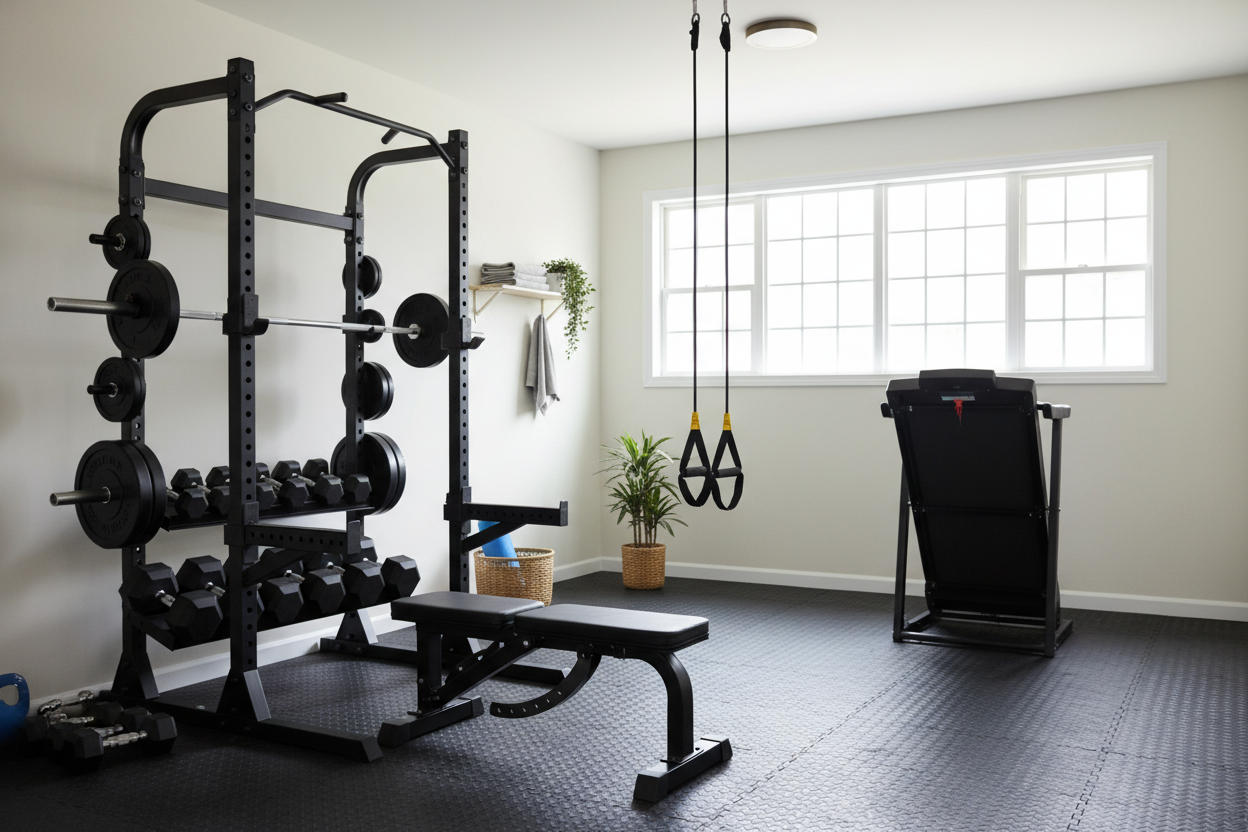
If you are looking for at home gym workout equipment, avoid cheap multi-stations that use resistance bands disguised as weights. Look for a body gym machine that uses a legitimate weight stack or plate-loaded lever arms to ensure the resistance curve is smooth and consistent.
Common Mistakes with Gym Workout Machines
The most frequent error I see with exercise gym machine users is letting the weight stack "slam" between reps. When the plates crash together, you momentarily lose tension on the muscle.
Keep a small gap between the plates at the bottom of the movement. This ensures the muscle stays under tension for the entire set. Additionally, avoid using momentum. If you have to heave your body to move the handles of a fitness gym machine, the weight is too heavy.
My Training Log: Real Talk
I want to be transparent about my relationship with machines. For years, I was a "free weights only" snob. I thought machines were cheating. That changed when I started using an old-school, plate-loaded Hack Squat machine during a rehab phase.
I vividly remember the friction. It wasn't smooth like the modern electric-blue machines you see in luxury clubs. I could feel the grit in the rails, and the shoulder pads smelled faintly of stale vinyl and iron. But the isolation was undeniable. There is a very specific, nauseating burn you get in your quads on a Hack Squat that you just cannot replicate with a barbell because your lower back usually gives out first.
Another detail people rarely mention is the "cable drag" on cheaper body gym equipment. I once used a lat pulldown where the cable was slightly frayed. Every time I reached the top of the stretch, I felt a subtle vibration through the handle. It was annoying, but it taught me to grip harder. If you feel that wobble or friction, don't ignore it—adjust your tempo to overcome the machine's imperfections.
Conclusion
The workouts machine is not a crutch; it is a precision instrument. By stabilizing your body and isolating specific muscle groups, machines allow you to train with an intensity that is often difficult to achieve with free weights alone. Whether you are using high-end club equipment or a basic home setup, the principles remain the same: control the weight, fit the machine to your body, and maintain tension.
Frequently Asked Questions
Are exercise machines safer than free weights?
Generally, yes. Exercise machines provide a fixed path of motion and often include safety stops, reducing the risk of dropping weights or moving into compromised positions. However, injury can still occur if the machine is not adjusted to your body dimensions.
Can I build muscle using only a gym workout machine?
Absolutely. Your muscles do not know if you are holding a dumbbell or a machine handle; they only detect tension. As long as you apply progressive overload (increasing weight or reps over time) on a gym workout machine, you will stimulate muscle growth.
What is the best at-home gym workout equipment for small spaces?
For tight spaces, a functional trainer (cable machine) is the most versatile at home gym workout equipment. It allows you to perform hundreds of movements for every body part within a small footprint, unlike bulky leverage machines.