Lumbo-Pelvic-Hip Complex: How to Train It at Home
The lumbo-pelvic-hip complex serves as the central bridge for nearly every physical action you take, from walking across a room to squatting heavy barbells. Often abbreviated as the lphc, this anatomical crossroads joins your spine, pelvis, and hips into one coordinated system. When you look at what does lphc stand for in practical training, it represents the foundation where your upper body and lower body meet to transfer force, protect your spine, and preserve upright posture and balance.
Understanding your lumbo-pelvic system allows you to build smarter training habits. Rather than viewing core work as endless crunches, training the lumbopelvic hip complex teaches you to coordinate deep stabilizing tissues with large driving muscle groups. When this region works smoothly, your lifts feel lighter, your spine stays protected, and your overall motion becomes fluid and controlled.
What is the lumbo-pelvic-hip complex?
The lumbo-pelvic-hip complex is the interconnected body region made up of the lumbar spine, the pelvic girdle, and the hip joint. Fitness practitioners study this area because almost all functional human movement either originates here or passes directly through it. If you have ever wondered what is lphc in fitness, think of it as the central operational hub that stabilizes your torso while your limbs move freely in diverse directions.
A clear understanding of lphc anatomy starts by breaking the region down into its three fundamental structural parts:
- The Lumbar Spine: The lower portion of your back, consisting of five vertebrae designed primarily for weight support and moderate flexion or extension rather than excessive rotation.
- The Pelvic Girdle: A ring of fused bones that cradles internal organs, supports the base of the spine, and transfers loads down toward your legs.
- The Hip Complex: The ball-and-socket joints that connect each femur to the pelvis, offering multi-directional mobility for running, squatting, hinging, and rotating.
Because these three segments share connecting ligaments, tendons, and deep fascia, an adjustment in one part immediately alters the others. If your hip joints are stiff, your lumbar spine often compensates by bending more than it should. Likewise, if your pelvis shifts out of position, your hip complex cannot produce maximum power during athletic tasks.
What muscles make up the lumbo-pelvic-hip complex?
The lumbo-pelvic-hip complex muscles include both deep core stabilizers that protect the spine and large global movers that generate motion across the pelvis and hips. People often ask how many muscles attach to the lumbo-pelvic-hip complex or how many muscles attach to the lumbo-pelvic complex, and while anatomical classifications group them differently, dozens of separate muscle bellies directly connect to or cross this central junction.
To simplify training, coaches divide the lphc muscles into local stabilizing tissues and global movement producers:
Local Core Stabilizers
The local system comprises deep, smaller muscles that attach directly to the vertebrae and inner pelvis. Their main job is not to generate big movement, but to brace the segments against unwanted shearing forces:
- Transverse Abdominis: This deep abdominal belt wraps horizontally around your midsection, compressing the abdomen and supporting abdominal pressure during loading.
- Multifidus: Slender muscles running along the spine that stabilize individual vertebrae during forward bends and twists.
- Pelvic Floor: A supportive muscular sling at the base of the pelvis that coordinates with your diaphragm to manage internal pressure.
- Internal Obliques: Tissues that work in tandem with the transverse abdominis to control rotational forces and maintain stable pelvic alignment.
Global Movers of the LPHC
Surrounding the local core stabilizers are the large, powerful engines responsible for moving your torso and legs. These lumbopelvic muscles include:
- Gluteal Muscles: The gluteus maximus, medius, and minimus drive hip extension, stabilize the pelvis during single-leg actions, and keep the knees from caving inward. For a deeper breakdown of hip extension mechanics, review our anatomy muscles does guide on targeting the posterior chain.
- Hip Flexors: Including the psoas and rectus femoris, these tissues draw your knees upward toward your chest and influence how your pelvis tilts forward or backward.
- Hamstrings: Running along the back of the thigh, the hamstrings assist with hip extension and knee flexion, keeping the pelvis balanced opposite the quadriceps.
- Adductors: The inner thigh grouping that helps stabilize the pelvis side to side during squats and lateral lunges; you can explore their specific functions in our detailed hip muscles anatomy guide.
- Latissimus Dorsi and Erector Spinae: Upper and mid-back tissues that anchor into the lower back through the thoracolumbar fascia, linking your shoulder pull directly to your pelvis.
Spotting Lumbo-Pelvic Movement Faults in Daily Lifts
When the delicate balance between your global movers and deep core stabilizers breaks down, you may experience lumbo-pelvic hip complex dysfunction. In practical gym terms, this dysfunction simply means that one muscle group is working too hard while another is resting on the job, pulling the joints out of their most advantageous positions.
The most common sign of imbalance appears as an exaggerated pelvic tilt. An anterior tilt occurs when your hip flexors pull the front of the pelvis downward, causing your belt line to angle toward the floor and forcing the lumbar spine into a sharp arch. In contrast, a posterior tilt tucks the tailbone under, flattening the natural curve of the lower back and placing excess stress on spinal discs during heavy compound movements.
These faulty movement patterns often show up under fatigue. During a deep squat, you might notice your lower back rounding at the bottom, or during a lunge, your hip might drop toward one side. Recognizing these hitches is the first step toward correcting them. By maintaining neutral pelvic alignment, you ensure that every muscle surrounding the hip complex carries its fair share of the load.
What are the best exercises for the lumbo-pelvic-hip complex?
The best lphc exercises prioritize controlled core stability and hip extension on the ground before progressing into loaded standing movements. Floor drills give you immediate feedback from the flat surface, making it much easier to feel whether your pelvis is level and your spine is resting in a neutral groove. For a broader library of complementary floor variations, consult our comprehensive exercise lumbo pelvic guide.
1. The Controlled Glute Bridge
The glute bridge is a staple among lumbo-pelvic hip complex exercises because it isolates hip extension while keeping the spine supported against the floor. Lie on your back with your knees bent and feet planted flat about hip-width apart. Before lifting, gently engage your abdominals to avoid arching your lower back. Drive through your heels to raise your hips until your thighs and torso form a straight diagonal line. Squeeze your gluteal muscles firmly at the top for two seconds, then lower under control. Repeat for three sets of ten to twelve repetitions.
2. The Quadruped Bird Dog
The bird dog trains anti-rotation and cross-body stabilization across the entire lumbo-pelvic-hip complex. Begin on your hands and knees in a tabletop position, with your wrists stacked directly beneath your shoulders and your knees beneath your hips. Without shifting your weight or rotating your hips, slowly extend your right arm straight forward and your left leg straight back. Focus on holding a stable, flat back rather than kicking your leg as high as possible. Return to the starting position and alternate sides for eight to ten controlled repetitions per side.
3. The Side Plank with Hip Abduction
Side planks directly challenge your lateral core stabilizers and the gluteus medius, which are vital for preventing hip drop during running and walking. Lie on your side with your elbow under your shoulder and your legs stacked. Lift your hips so your body forms a straight line from shoulders to ankles. Once stable, elevate your top leg a few inches, hold for a brief second, and lower it without letting your pelvis roll forward. Aim for twenty to thirty seconds of steady holding per side.
Floor Exercises and Mat Setup for Stability Work
Practicing corrective floor exercises requires a training surface that supports your joints without letting you sink or lose your balance. Many people struggle with knee discomfort during bird dogs or hip bruising during side planks simply because their floor is too hard or their pad is too soft and squishy.
When outfitting your space for lumbo-pelvic drills, pay close attention to your training surface:
- High-Density Cushioning: A standard yoga mat is often too thin to cushion kneecaps and hip bones against concrete or hardwood subfloors. A high-density exercise mat delivers the necessary joint cushioning so you can focus on core tension rather than tender pressure points.
- Firm, Non-Compressive Stability: Avoid overly thick foam mattresses or squishy pads that cause your hands and feet to sink. Stable movement patterns require a firm base where your wrists and feet can grip and generate stable leverage.
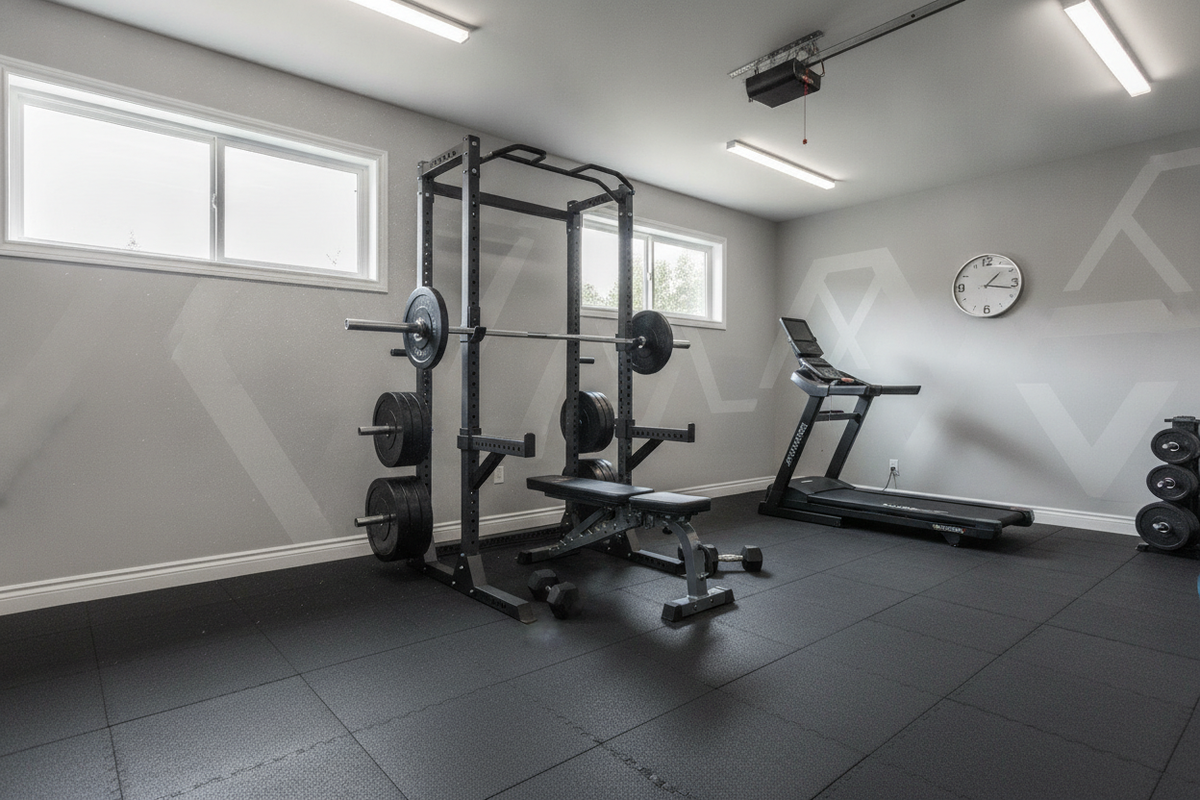
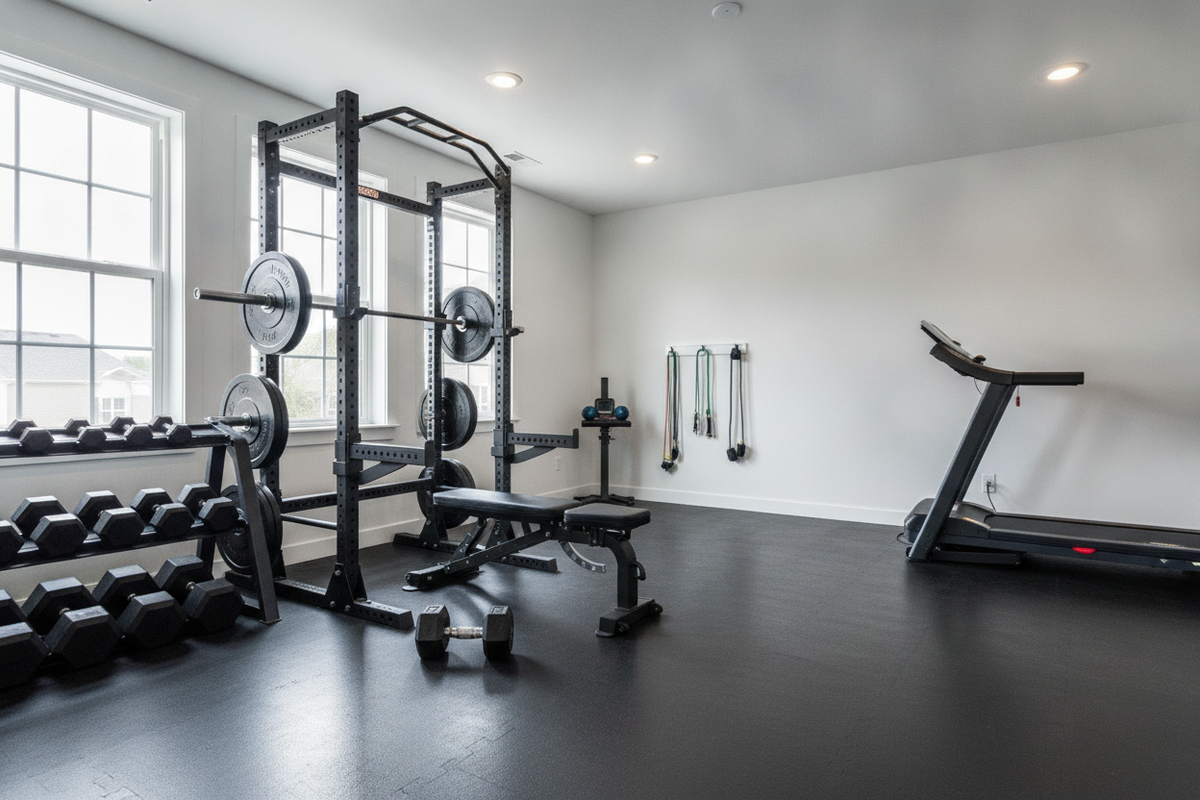
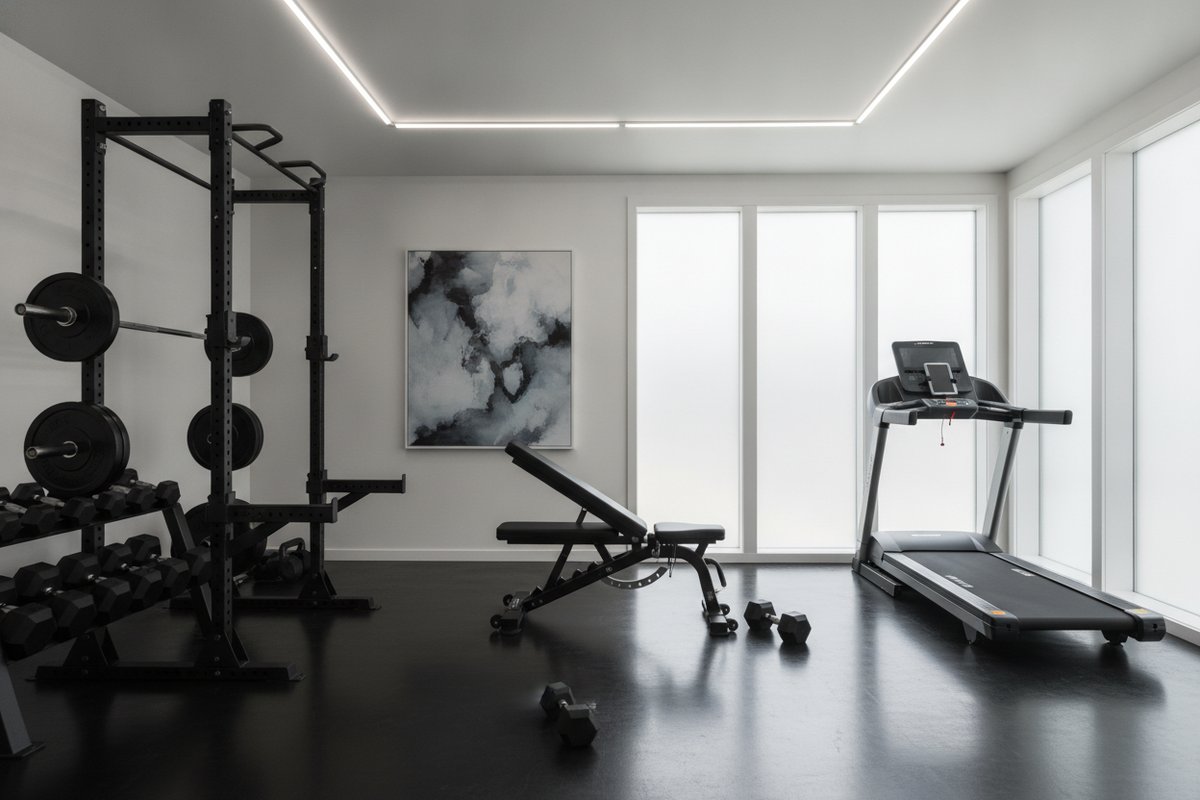
- Broad Surface Coverage: Drills that transition from lying flat to quadruped positions require ample space. Laying down dedicated home gym flooring or a spacious, large-format gym mat keeps your entire body on a clean, padded plane without forcing your limbs onto cold floorboards mid-set.
By pairing focused training of your lumbo-pelvic-hip complex muscles with a supportive floor setup, you give your body the stable foundation it needs to build reliable strength, preserve healthy joints, and maintain excellent control across every workout.