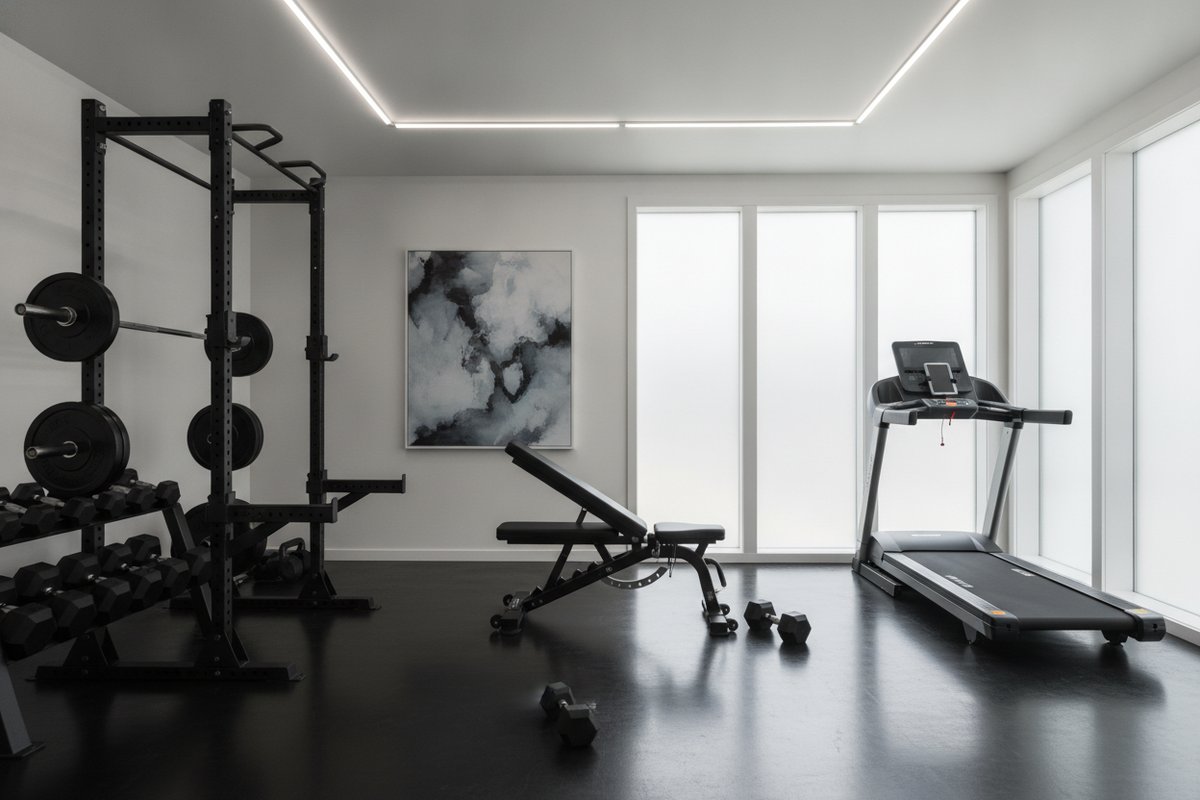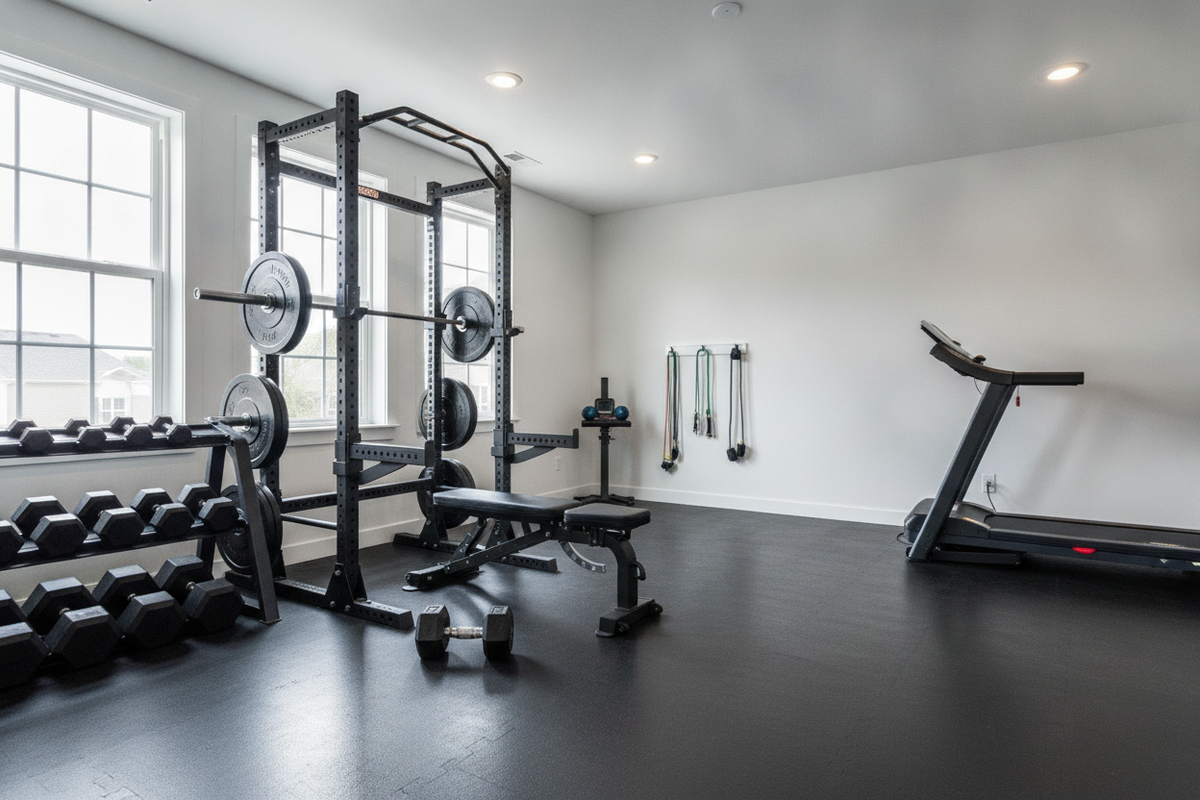
Conditioning or the Training of Muscles at Home
When setting up a home fitness routine, conditioning or the training of muscles often becomes a central focus for anyone wanting a balance of physical endurance and functional strength. Instead of isolating every workout into long, steady-state cardio sessions or slow power lifts, a conditioning approach targets work capacity, stamina, and muscular control simultaneously. It allows you to move with intent, build resilience against fatigue, and prepare your body for varied physical demands.
Whether your background is in team sports, recreational lifting, or general fitness, the conditioning or training of muscles creates a well-rounded foundation. By pairing controlled resistance with elevated pacing, you develop both cardiovascular fitness and muscular stamina without needing an entire commercial gym.
Understanding Conditioning or the Training of Muscles
Conditioning or the training of muscles refers to physical training designed to enhance muscular endurance, movement efficiency, and cardiovascular fitness within unified workout sessions. Rather than isolating a single physical quality, this style of training challenges your neuromuscular system to maintain form under cumulative fatigue.
In everyday practice, this approach blends sustained physical work with resistance. Your muscles must contract repeatedly against external weight or body mass while your heart and lungs supply oxygen and manage metabolic fatigue. This balance between strength and stamina is what gives muscle conditioning its functional appeal. When you train this way, daily physical tasks feel lighter, dynamic movements feel more fluid, and your ability to bounce back between hard efforts noticeably improves.
How Does Muscle Conditioning Differ From Traditional Strength Training?
Muscle conditioning differs from traditional strength training primarily by emphasizing sustained work capacity and shorter recovery windows rather than maximal single-effort lifts. In pure strength training, the objective is to build absolute force production by lifting heavy loads with long rest periods to permit complete neural recovery. While this approach is effective for building peak force, it leaves little room for sustained aerobic output.
In contrast, muscle conditioning blends resistance training with cardiovascular challenges. Rest periods between movements are deliberately compressed, forcing your body to recruit muscle fibers while breathing hard. Many exercisers who make the transition from monotonous treadmill miles to dynamic lifting find that switching to conditioning strength training keeps workouts far more engaging and time-efficient. In our experience, having a designated training space makes consistency much simpler when switching between varied training modalities. Combining these approaches ensures you build strength without sacrificing overall conditioning workouts and physical stamina.
Practical Exercise Styles for Muscle Training and Conditioning Workouts
Structuring effective conditioning exercises at home does not require expensive machines or specialized rigs. By varying exercise density, loading patterns, and work intervals, you can create intense, rewarding sessions using simple free weights and bodyweight exercises.
Circuit Training and Interval Training
Circuit training is an ideal method for building muscular endurance and conditioning. In a standard circuit, you perform a series of multi-joint movements with minimal rest between stations, resting only after completing the entire sequence. Adding interval training parameters—such as thirty to forty-five seconds of active work followed by brief recovery periods—creates a predictable structure that keeps your heart rate elevated.
Effective conditioning workouts often alternate between opposing muscle groups. For example, pairing push-ups with kettlebell swings gives the pressing muscles an opportunity to recover while your posterior chain and cardiovascular system take on the load. You can also alternate upper-body dumbbell exercises with lower-body squat variations to maximize output and build total-body muscular endurance.
Bodyweight Exercises and Dynamic Movement
Calisthenics and dynamic bodyweight exercises provide a reliable foundation for conditioning. Exercises like walking lunges, mountain climbers, bear crawls, and jump squats require no external load, yet they challenge balance, agility, and joint resilience. Movements such as jump squats recruit fast-twitch fibers and demand explosive force, helping develop power output alongside stamina.
To progressively overload your routine, you can integrate resistance bands, medicine balls, or tools from a collection of strength training accessories. Blending weighted movements like thrusters or dumbbell exercises with rapid bodyweight transitions ensures that your muscle training challenges both strength and work capacity.
What Kind of Flooring Is Best for Conditioning Workouts at Home?
The best flooring for conditioning workouts at home is a dense, shock-absorbing surface that provides dependable traction and protects the underlying floor. Because conditioning involves rapid footwork, plyometric jumping, and frequent drops into planks or burpees, standard residential flooring like tile, hardwood, or thin carpet is unsuitable on its own.
Setting up a dedicated training zone with proper home gym flooring creates a stable, durable environment. It protects your living space, supports joint comfort, and offers the grip and stability needed to execute rapid direction changes safely.
Joint Impact and Subfloor Protection on Hard Surfaces
Repeated dynamic movements, such as jump squats or split jumps, generate noticeable joint impact with every landing. Without adequate cushioning, the repetitive ground reaction forces on concrete or wood can place excessive stress on ankles, knees, and lower back structures. A dedicated exercise mat made from high-density foam absorbs impact energy, providing the firm cushion necessary to mitigate joint impact during high-volume sessions.
Subfloor protection is equally important when handling free weights. Dropping a kettlebell or setting heavy iron down between intervals can dent floorboards or shatter ceramic tile. Investing in a resilient large gym mat acts as a buffer layer, dispersing shock across a wide surface area and safeguarding your home subfloor protection.
Choosing a Workout Mat with Grip and Stability
When choosing a workout mat, grip and stability are paramount. A typical yoga mat is usually too thin and prone to stretching or tearing under dynamic lateral forces. Conversely, an overly soft mattress-style mat creates an unstable footing that makes balancing difficult and strains ankles.
Look for a workout mat featuring a textured non-slip surface on both faces. The top surface needs to maintain traction even when damp from sweat, while the bottom surface must hold firm against the floor without sliding during burpees or agility drills. Consulting an athletic endurance conditioning guide can help you evaluate floor layouts and materials tailored to athletic conditioning.
Equipment Placement and Room Setup for Conditioning Circuits
Sensible equipment placement makes home workouts run smoothly and keeps your training zone safe. Conditioning routines demand rapid transitions between dynamic movements and weighted exercises, meaning cluttered spaces create unnecessary tripping hazards.
Center your large gym mat in the room to create an open zone for bodyweight exercises, stretching, and plyometrics. Position free weights, bands, and kettlebells along the perimeter walls, leaving wide lanes to step on and off the mat. Thoughtful equipment placement ensures you have ample clearance overhead and around your body for sweeping movements like kettlebell swings or wide lunges.
Mat Maintenance for High-Sweat Training Spaces
Consistent mat maintenance keeps your workout area hygienic, prevents odor buildup, and preserves the traction of your flooring over years of use. Conditioning workouts inherently produce sweat, which can create slick spots or degrade materials if left unaddressed.
To support proper mat maintenance for your home gym flooring, keep these straightforward steps in mind:
- Wipe down the non-slip surface after every session using a damp microfiber towel and a gentle soap or neutral cleanser.
- Avoid harsh abrasive chemicals, industrial degreasers, or stiff bristle brushes that could damage high-density foam or break down protective top textures.
- Let the exercise mat air dry thoroughly before rolling or storing it away.
- Store dumbbells and kettlebells on dedicated racks rather than resting them on the workout mat permanently, which prevents permanent indentation in the foam.
By pairing consistent cleaning habits with smart equipment placement, your workout space stays hygienic, safe, and ready for regular muscle training.