I Ditched the Treadmill for Conditioning Strength Training (Here's Why)
I remember staring at my treadmill—a $1,200 motorized clothes hanger—feeling a deep sense of dread. I’d just finished a heavy squat session, my legs were jelly, and the thought of slogging through 30 minutes of steady-state cardio made me want to sell my entire home gym on Marketplace. That was the day I realized the traditional 'lift then cardio' split was a relic of the past. I pivoted to conditioning strength training, and for the first time in a decade, I actually have an engine to match my ego.
Quick Takeaways
- Stop treating cardio and lifting as separate chores; blend them for efficiency.
- Focus on high-density work (short rest periods) rather than just heavy weight.
- Use kettlebells and dumbbells to save your nervous system for heavy barbell days.
- A dedicated non-slip floor space is non-negotiable for high-intensity circuits.
Why Separate Cardio and Lifting Sessions Are Killing Your Garage Vibe
The old-school mindset dictates that you lift heavy for an hour, then shuffle over to a machine for a soul-crushing bout of 'fat burning.' In a home gym, this is a massive waste of time. Most of us are working with a 60-minute window before the kids wake up or the workday starts. Spending half that time on a treadmill is a crime against your gains.
I used to think I had to choose between being strong or being lean. When people debate trying to lose weight cardio or strength training, they often miss the middle ground. By combining the two, you keep your heart rate in the stratosphere while still putting your muscles under significant tension. It turns your garage from a weight room into a performance lab.
What Actual Conditioning Strength Training Looks Like
This isn't about doing light-weight curls until you're out of breath. True conditioning and weight training involves moving meaningful loads with minimal rest. You are training your body to recover faster between sets, which eventually carries over to your heavy lifting days. It’s the difference between a powerlifter who gasps for air after a set of five and an athlete who can hit a triple and be ready to go again in 60 seconds.
I look for movements that use the whole body—thrusters, swings, and carries. These aren't just 'cardio'; they are compound movements that build structural integrity. If you select the right load (usually 50-60% of your 1RM), you can maintain a high power output for 20 minutes straight without your form breaking down into a chaotic mess.
Stop Confusing 'Getting Sweaty' With Building an Engine
Let’s be real: you can get sweaty by sitting in a sauna or doing 100 sloppy burpees. That isn't conditioning; that’s just fatigue. Real conditioning and strength workout protocols are about repeatable efforts. If your first round takes two minutes and your fifth round takes five minutes, you didn't train your engine—you just blew it up.
I prefer structured intervals like EMOMs (Every Minute on the Minute) or AMRAPs. For example, a solid strength and cardio with weights routine might involve a 2:1 work-to-rest ratio. This forces you to move with intent and stay focused on the clock, rather than just flailing around until you're tired.
How to Program Your Conditioning Days Without Cannibalizing Your Squat
The biggest fear for any lifter is 'killing their gains.' I get it. I’ve made the mistake of trying to do high-rep barbell snatches the day before a heavy squat session, and my lower back paid the price for a week. The key to conditioning days is exercise selection. Stay away from the high-skill, high-CNS-drain movements like heavy deadlifts or max-effort cleans.
Instead, use tools that are easier on the joints. Kettlebells, dumbbells, and sandbags are your best friends here. They allow for more natural movement patterns and aren't as taxing on your central nervous system. I usually schedule my conditioning weight training on Wednesdays and Saturdays, leaving my heavy barbell work for Monday, Tuesday, and Thursday. This gives my spine a break while my heart and lungs do the heavy lifting.
The Minimalist Gear You Need for a Conditioning and Strength Workout
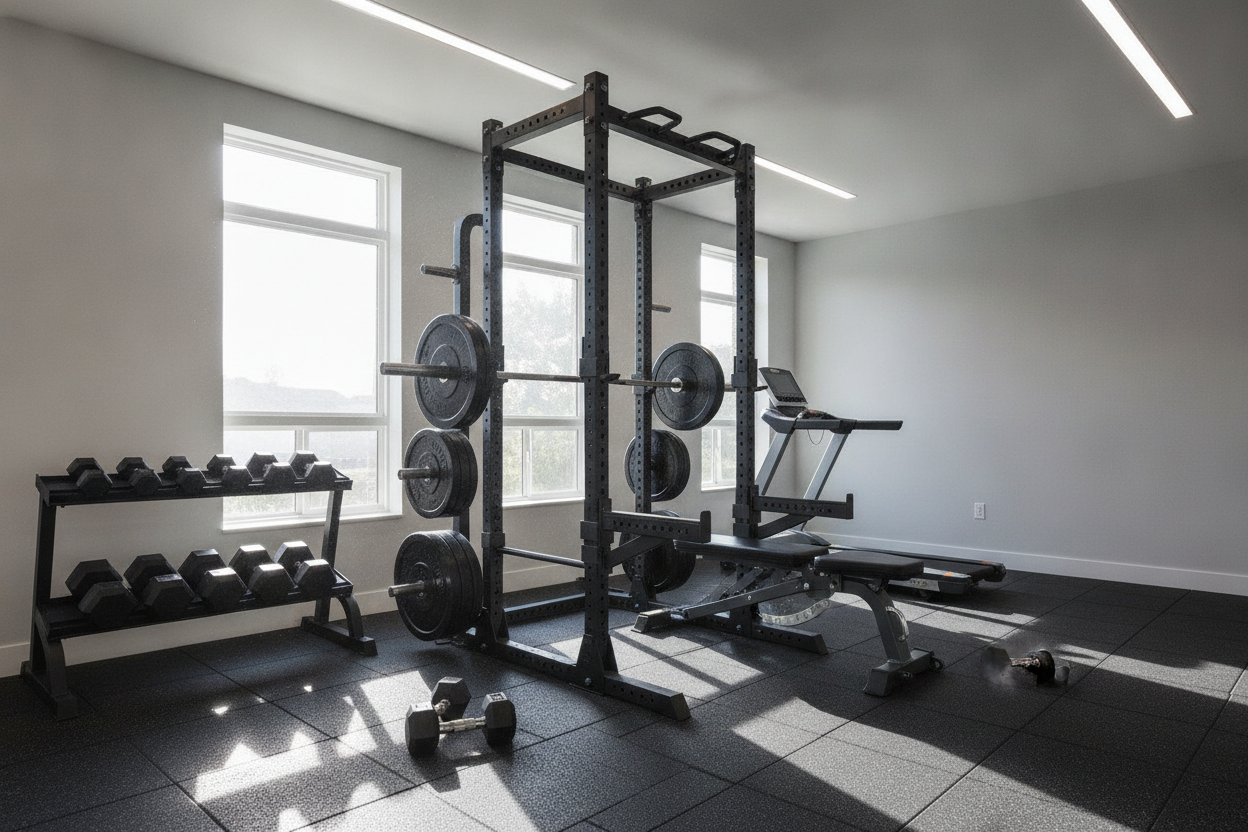
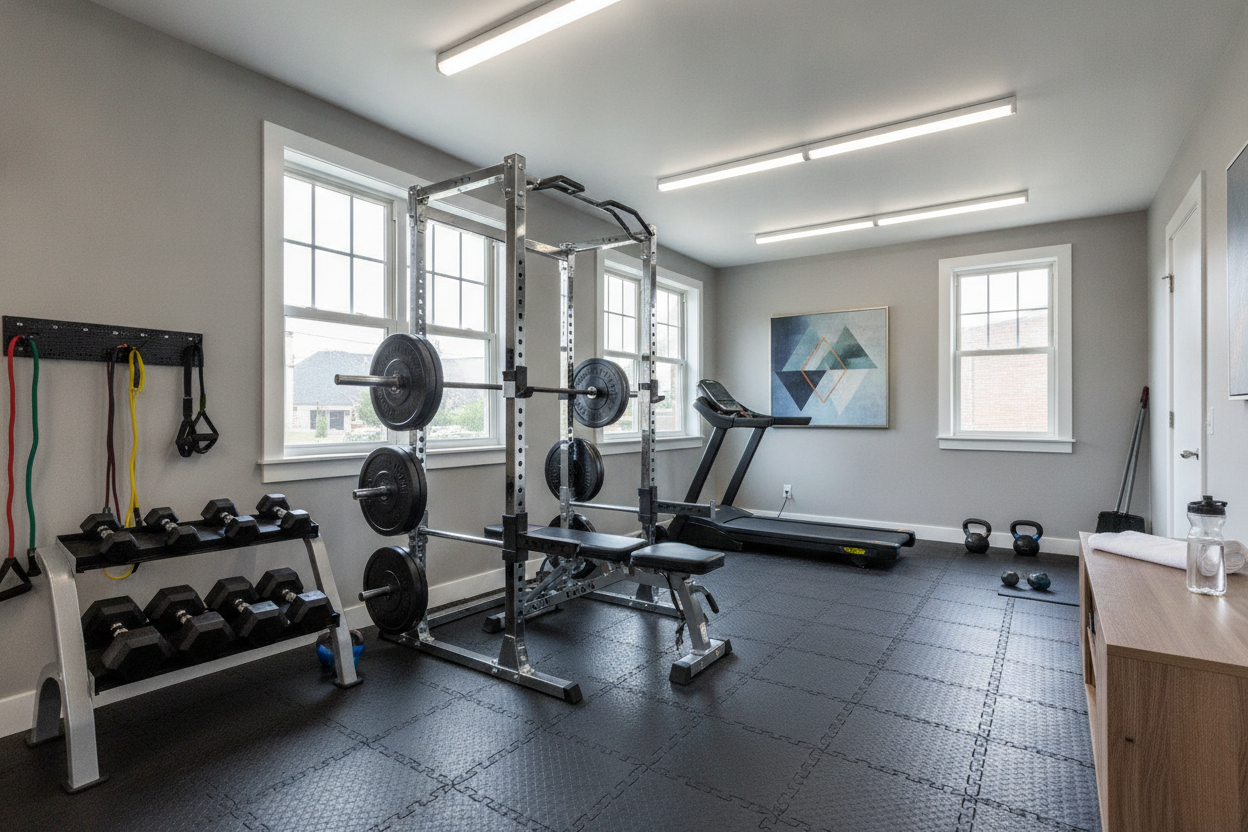
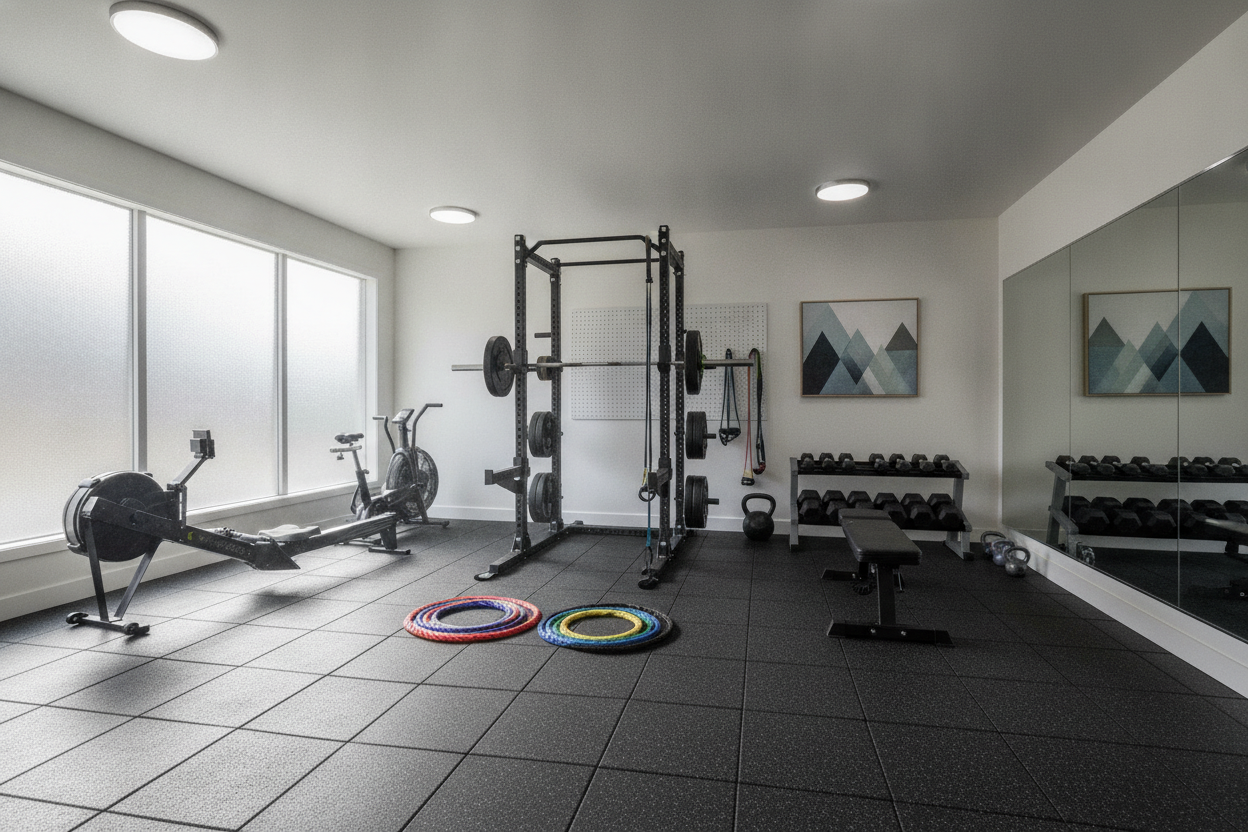
You don't need a 5-station cable jungle for this. In fact, the less gear you have to move between, the better. When I’m doing circuits, I need to transition from a goblet squat to a push-up in three seconds. If I’m tripping over a power rack, the workout is ruined. First, invest in a large exercise mat for cardio. Standard horse stall mats are great, but they can be slippery when you’re dripping sweat during burpees or mountain climbers. A dedicated high-traction mat keeps you planted.
Second, get a solid adjustable weight bench. I use mine for everything from Bulgarian split squats to incline rows during my conditioning loops. Look for one with a 600-lb+ capacity and easy-to-adjust pins. If you're fumbling with a screw-knob mid-workout, your heart rate is dropping, and you're losing the conditioning stimulus.
A Sample Conditioning Weight Training Routine to Try This Week
Try this 'Garage Burner' next time you're short on time. It’s 20 minutes of work that will leave you more gassed than a 5k run ever could. Set a timer for 20 minutes and complete as many rounds as possible (AMRAP) of:
- 15 Kettlebell Swings (53lb/35lb)
- 10 Dumbbell Thrusters (35lb/25lb)
- 15 Box Step-ups or Bench Step-ups
- 10 Burpees over the DBs
The goal isn't to go 100% in the first two minutes. Aim for a pace you can maintain for the full 20. If you find yourself resting for more than 15 seconds at a time, your weights are too heavy. Scale down and keep the engine humming.
Personal Experience: The 'Heavy' Mistake
Early on, I tried to make every conditioning session a 'mini-strongman' event. I was dragging a 300-lb sled and flipping tires. It felt cool for Instagram, but it wrecked my recovery. I couldn't hit my squat numbers on Monday because my hamstrings were still fried from Saturday's 'cardio.' I learned the hard way that conditioning with weights should supplement your strength, not compete with it. Now, I keep the loads moderate and the intensity high, and my squat has actually gone up because I'm not gassing out halfway through my heavy sets.
FAQ
Is conditioning the same as HIIT?
Not exactly. HIIT is a specific type of conditioning, but conditioning strength training can also include longer, aerobic-based sessions using weights at a lower intensity. It's more about the metabolic demand than just 'going fast.'
Can I do this every day?
Please don't. Your heart might handle it, but your joints won't. Start with two days a week and see how your main lifts respond. If you're feeling fresh, add a third.
Do I need a heart rate monitor?
It helps but isn't required. Use the 'talk test.' If you can't say a full sentence without gasping for air, you're in the right zone for conditioning. If you can sing a song, pick up the pace.