Why Chasing a Pump Ruins Your Exercise for Weight Gain in Gym Settings
I remember the frustration of eating 4,000 calories a day and still looking like a marathon runner. I would spend two hours in the gym, chasing a bicep pump that disappeared by the time I hit the shower. If you are struggling to find the right exercise for weight gain in gym settings, you are probably working too hard on the wrong things.
We have been conditioned to think that if a muscle doesn't burn, it isn't growing. That is a lie that keeps people small. Real growth happens when you stop trying to feel the sizzle and start trying to move heavy weight with violent intent.
- Mechanical tension is the primary driver of hypertrophy, not the pump.
- Safety equipment like spotter arms allows you to push closer to true failure.
- Long rest periods are mandatory to keep the weight heavy.
- Stability equals more force production.
The Big Lie About the 'Muscle Pump'
The 'pump' is just metabolic stress—it is cellular swelling caused by blood rushing to the muscle and the accumulation of waste products. It feels incredible, and it looks great in the locker room mirror, but for a hardgainer, it is often a trap. Chasing that feeling usually means you are using lighter weights and higher reps.
When you are trying to gain weight, you have a limited recovery budget. Every high-rep set you do burns precious calories and creates systemic fatigue without necessarily providing the mechanical stimulus needed to force your body to build new tissue. I spent years doing 15-rep sets of cable flyes, wondering why my chest stayed flat. The moment I switched to heavy presses and prioritized the weight on the bar, the scale finally moved.
What Actually Makes a Movement an Exercise for Weight Gain in Gym Environments?
To grow, you need mechanical tension. This is the physical stretching and contraction of muscle fibers under a heavy load. Your muscles don't have a rep counter; they have tension sensors. To maximize this, you need stability. This is why Weight Lifting Machines are often superior for pure mass gain compared to balancing on a BOSU ball.
A good mass-building lift needs to be stable enough that your nervous system doesn't 'throttle' your strength. If you are wobbling, your brain won't let your muscles fire at 100%. When you use a plate-loaded press or a hack squat, you can pour every ounce of effort into the muscle because you aren't worried about falling over. That is how you trigger a real gym workout to gain weight.
You Need a Lift You Can Safely Fail
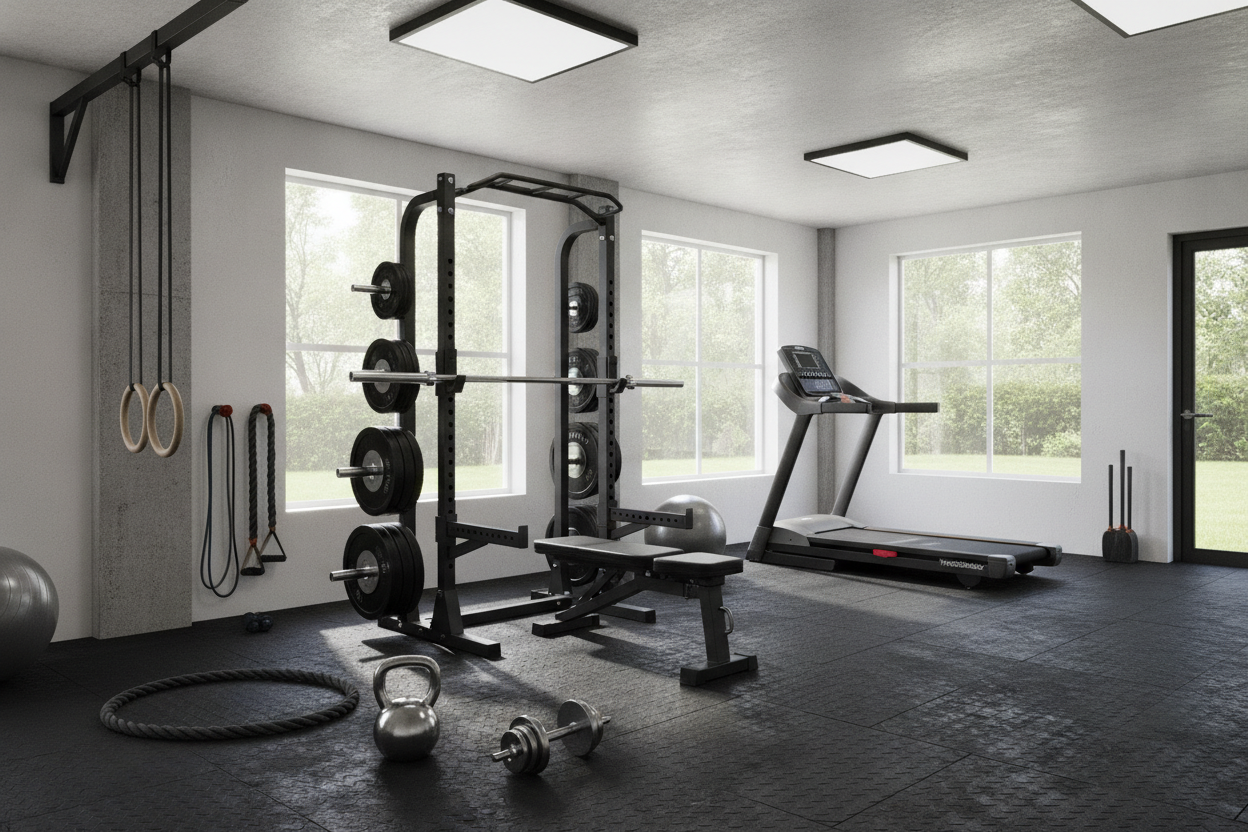
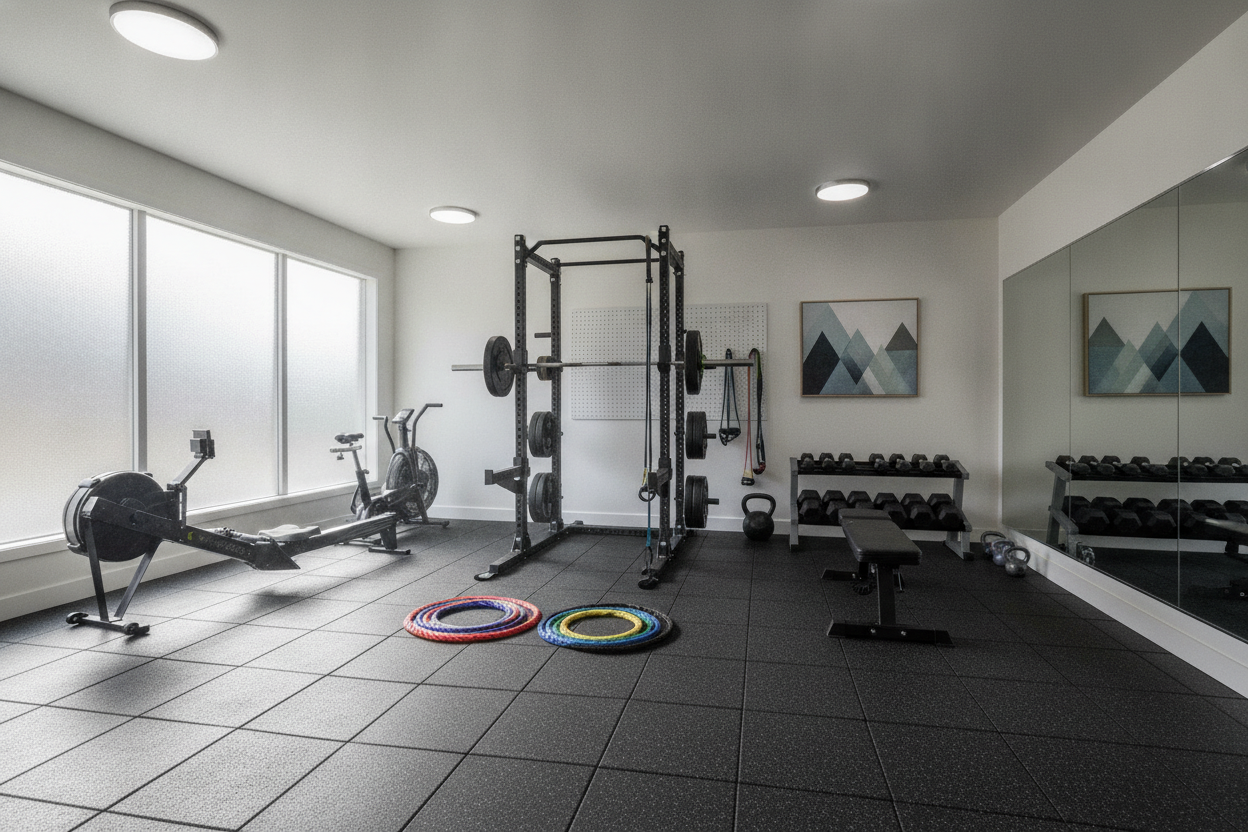
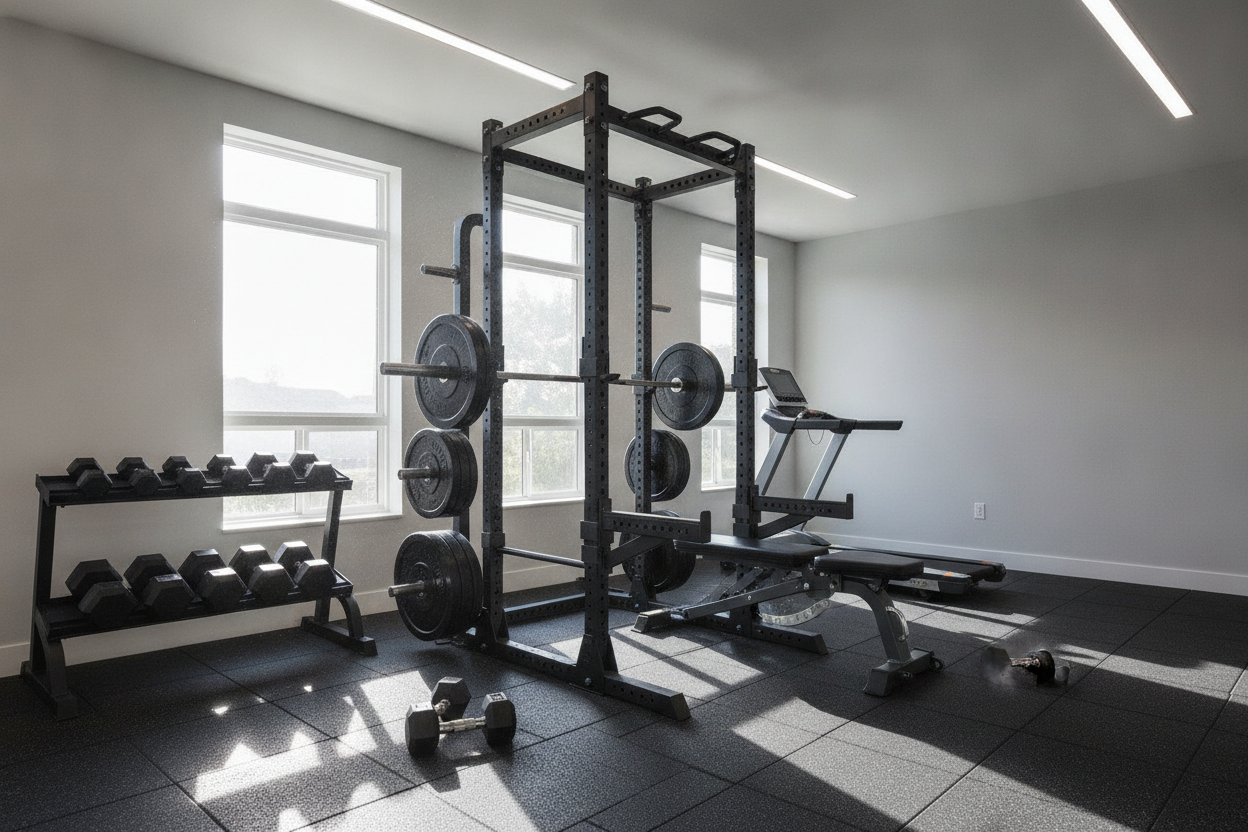
Psychology plays a massive role in weight gain. If you are benching 225 pounds and you don't have a spotter, you are going to stop at rep eight even if you had ten in the tank. That fear of getting pinned prevents you from reaching the 'effective reps' that actually signal growth. This is why I always tell people to invest in a Gxmmat X6 Power Rack Weight Bench Package or a similar setup with adjustable safeties.
When those steel arms are there to catch the bar, your brain gives you the green light to go all out. I've found that my best growth phases always happened when I was training in a rack where I wasn't afraid to fail. Pushing a heavy set of squats to the point where you actually have to set the bar on the pins is a terrifying, muscle-building rite of passage.
Stop Turning Your Heavy Lifts Into a Cardio Routine
If you are huffing and puffing between sets, you are doing it wrong. Weight gain requires high force production. If you only rest 60 seconds because you want to 'keep the heart rate up,' your next set will be limited by your lungs, not your muscles. You'll end up lifting 20% less weight than you're capable of.
Take three to five minutes between your heavy sets. Sit down, drink some water, and let your ATP stores recover. You want every working set to be a high-quality effort. I used to feel guilty sitting on the bench for four minutes, but my logbook proved it worked. My lifts went up every single week because I was actually recovered enough to perform.
Structuring a Realistic Gym Workout to Gain Weight
A solid gym workout to gain weight doesn't need twenty different exercises. It needs four or five that you can get progressively stronger on over months, not days. Focus on a heavy press, a heavy pull, and a heavy leg movement. That is the foundation. Everything else is just noise.
Before you load up the plates for your top sets, remember that The Best Gym Workout to Gain Muscle Starts With the Lightest Weights to prime your joints and nervous system. Don't just jump into your max. Do a few crisp, fast sets with the empty bar, then move up in increments. This builds the mind-muscle connection and ensures that when the heavy weight arrives, your body is ready to handle the tension without snapping a tendon.
Personal Experience: My 165-lb Plateau
I stayed at 165 pounds for three years because I was obsessed with 'feeling the muscle.' I did dropsets, supersets, and short rest periods. I looked 'toned,' but I wasn't getting bigger. The day I stopped caring about the burn and started caring about adding 5 pounds to my bent-over row every two weeks was the day I finally broke 180. I had to learn to be okay with not feeling 'exhausted' after a workout, as long as the numbers in my logbook were moving up.
FAQ
How many days a week should I train to gain weight?
Three to four days is plenty. You don't grow in the gym; you grow while you sleep. If you're a hardgainer, training six days a week usually just burns too many calories and prevents recovery.
Should I do any cardio if I'm trying to gain weight?
Keep it light. A 20-minute walk is great for digestion and heart health. Avoid high-intensity intervals or long-distance running, as these compete with the recovery resources your muscles need to grow.
What is the best rep range for weight gain?
The 6 to 10 rep range is the 'sweet spot' for most people. It is heavy enough to provide massive mechanical tension but high enough in volume to trigger hypertrophy without wrecking your joints like 1-rep maxes do.