Leg Thruster vs Leg Extension: Which Machine Wins Your Garage Space?
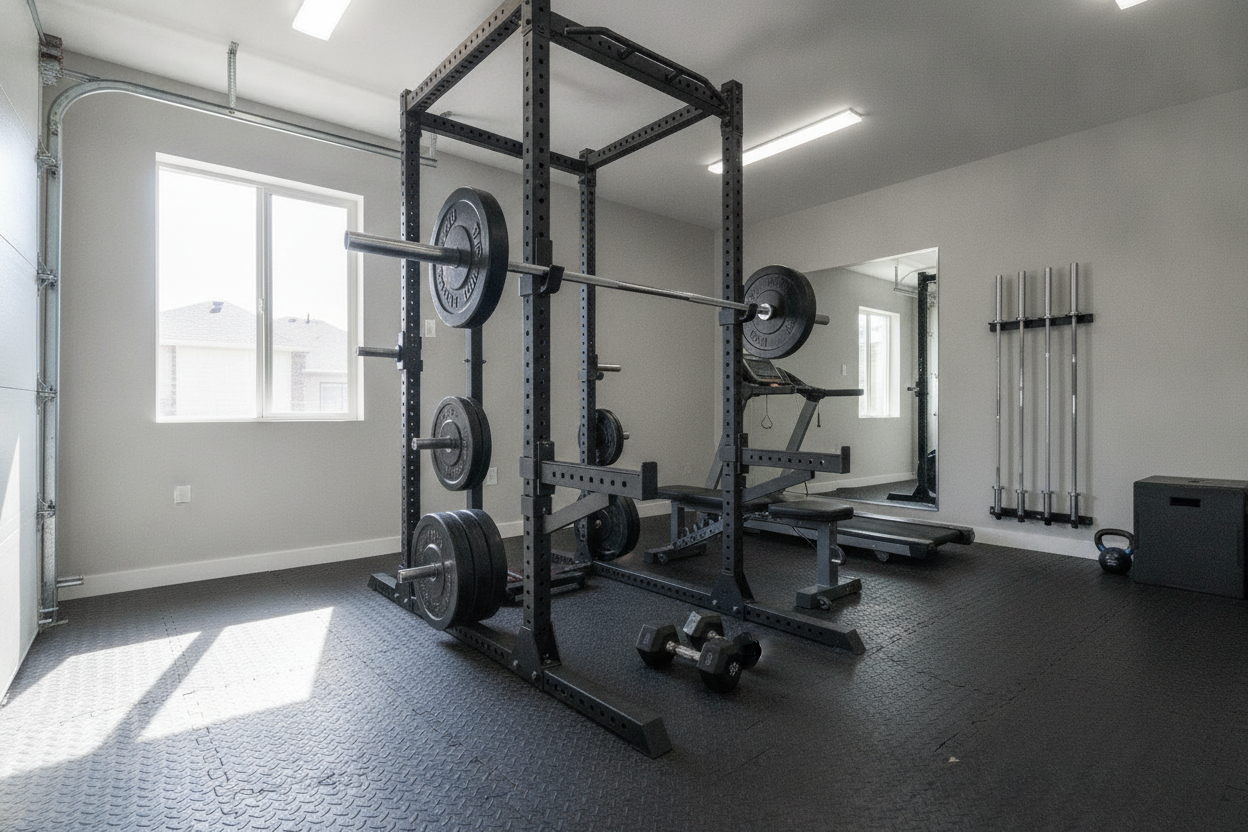
I remember the day my garage gym stopped being a 'gym' and started being a storage unit for overpriced steel. I was squinting at my squat rack, wondering why my quads still looked like toothpicks despite the heavy sets. I needed isolation, but my floor space was down to a 6x6 patch of concrete near the lawnmower. It is the classic dilemma: do you buy the gear that looks cool, or the gear that actually fits?
- Leg extensions win for pure quad hypertrophy and teardrop development.
- Leg thrusters are the king of posterior chain power and glute growth.
- Footprint is the deciding factor; thrusters usually require a longer runway.
- Extensions offer dual-functionality (curls) that thrusters simply can't match.
The Home Gym Dilemma: Picking Your Poison for Leg Day
Every square inch of a garage gym is expensive real estate. You start with a barbell and a rack, but eventually, you hit a wall where your joints scream for machine isolation. The leg thruster and the leg extension machine are the two heavy hitters currently fighting for that last spot in your layout. I have spent years moving racks around just to fit one more piece of equipment, and I have learned that if a machine is a pain to load or takes up too much room, it becomes a very expensive coat rack.
Barbells are the foundation, but they don't give you that skin-splitting pump that a dedicated machine provides. You have to decide if you want to prioritize the front of your legs or the back. Most of us don't have the luxury of a 5,000-square-foot commercial space, so this choice is usually permanent. You are either team 'quad pump' or team 'glute drive.'
What Even Is a Leg Thruster? (And What It Isn't)
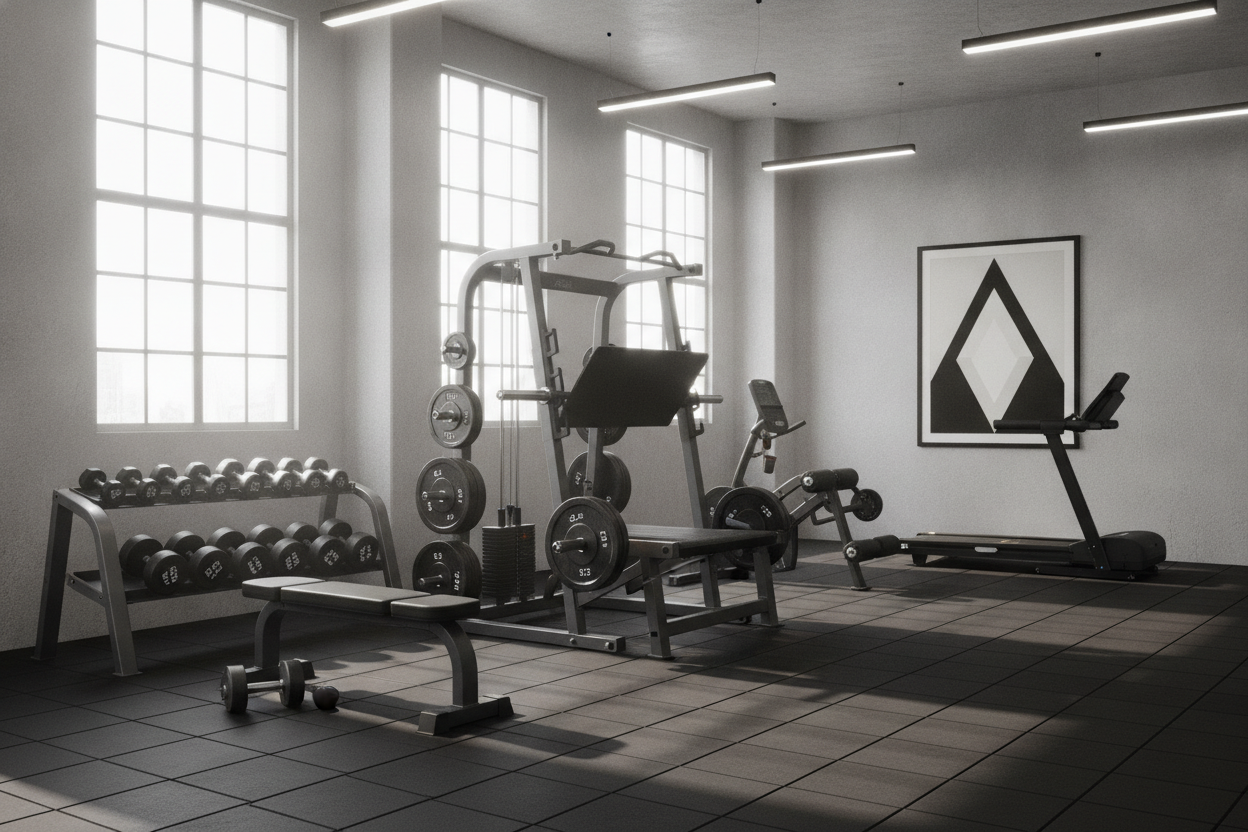
Let's clear the air. When I say 'thruster,' I am not talking about those miserable CrossFit barbell reps that leave you gasping for air. A dedicated leg thruster machine is a piece of heavy-duty steel designed for horizontal hip driving. It is essentially a plate-loaded station that mimics a hip thrust but removes the instability of a rolling barbell. When you are picking a dedicated leg machine, you are looking at how it handles force.
The thruster targets your glutes and hamstrings by locking your upper body against a pad and forcing your hips to do the work. It is a pure posterior chain builder. Most of these units use a 2-inch olympic sleeve and a heavy-duty pivot point. If you want a backside that can support a 500-lb deadlift, this is the tool. It is not for quad isolation, and it is definitely not a leg press, despite what some Amazon listings might try to tell you.
The Case for the Classic Extension and Curl
The leg extension/curl combo is the Swiss Army knife of bodybuilding for a reason. Most of these units, like a sturdy leg extension curl machine, allow you to switch from quad extensions to lying or seated leg curls in about ten seconds. It is about that deep stretch and peak contraction you just cannot replicate with a squat or a lunge. It is the gold standard for pure hypertrophy.
I love the seated position because it locks your pelvis in place. This takes your lower back out of the equation entirely. If you have ever felt your spine 'rounding' during a heavy squat, you know why this matters. You can grind out reps until your quads are literally shaking, and the only thing you have to worry about is the burn. For anyone trying to build that 'teardrop' muscle above the knee, the extension is non-negotiable. It is a 2-for-1 deal that saves space while hitting both sides of the leg.
Where the Leg Thruster Actually Shines
If you are an athlete or a powerlifter, the thruster might actually be the smarter play. It is about building raw force production. Unlike the isolation of an extension, the thruster mimics the lockout of a heavy deadlift or the drive of a sprint. It is less about the 'pump' and more about functional power through the hips. It builds the muscles that actually move the needle on your big three lifts.
For the glute-focused lifters, a machine-based thruster beats a barbell hip thrust every day of the week. You do not have to balance a bar on your pelvis or worry about it crushing your hip bones. You just sit in, strap in, and drive. The resistance curve is often more consistent on a machine, meaning you get more tension at the top of the movement where it actually counts for muscle growth.
Floor Space and Budget: The Cold Hard Truth
Let's talk brass tacks: footprint. A leg extension usually sits at about 40 inches wide by 40 inches deep. A thruster machine is often a 'long' piece of equipment, sometimes stretching to 60 inches or more to accommodate the sled and footplate. Then there is the plate tax. If you are strong, you will max out a leg extension quickly, but a thruster can swallow eight 45-lb plates before it even feels heavy.
You also have to consider the cost of the weights themselves. Buying a machine bundled with bumper plates can save you the headache of hunting for extra iron, but you still have to store those plates somewhere. A thruster requires a lot of 'dead space' around it for loading and unloading. In a tight garage, those extra two feet of clearance are the difference between a functional gym and a cluttered mess.
The Final Verdict: Which One Should You Buy?
If you want aesthetics, 'beach muscles,' and the most bang for your buck in a small space, buy the extension/curl combo. It is the smarter utility play. If you are training for a sport, want a massive deadlift, or are specifically trying to grow your glutes, the thruster is the winner. I personally went with the extension because my quads were my weak point, and I did not have the extra three feet of floor space to spare for a thruster sled.
If you are still undecided and your bank account is looking thin, try a quick no-equipment leg workout to see where you feel the most fatigue. Sometimes the best way to choose a machine is to realize what your body is currently lacking during your bodyweight or barbell sessions.
Personal Experience: My $500 Mistake
I once bought a cheap, bolt-together leg extension that wobbled like a folding chair every time I went over 150 lbs. It was a nightmare. The 'bearings' were just plastic sleeves, and the friction made the movement feel like I was kicking through sand. I ended up selling it for half what I paid just to get it out of my sight. Now, I look for 11-gauge steel and real pillow block bearings. If the machine weighs less than you do, it is probably going to move when you use it. Don't skimp on the frame weight.
FAQ
Can I do hip thrusts on a leg extension machine?
Not safely. The pivot point on an extension is designed for the lower leg to swing, not for your hips to drive upward. You risk snapping the cable or tipping the machine over. Stick to the floor or buy a dedicated unit.
How much weight do I need for a leg thruster?
Most people can hip thrust significantly more than they can squat. If you are serious, you will want at least 300 to 400 lbs of plates available. This is why thrusters are 'plate hungry' compared to other machines.
Is a leg extension bad for your knees?
Only if you are an idiot with the settings. If you align the machine's pivot point with your knee joint and don't use 'ego weight' that forces you to kick the pad, it is a very safe way to isolate the quads without spinal loading.